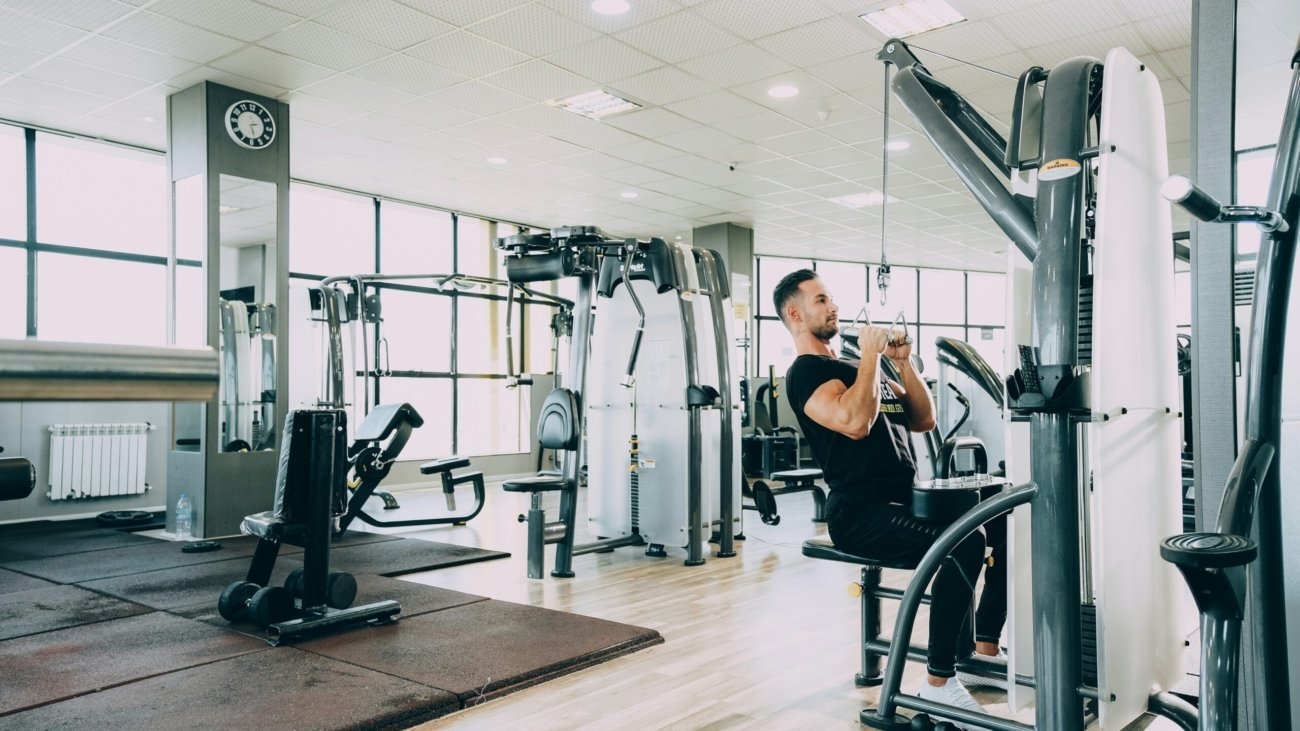
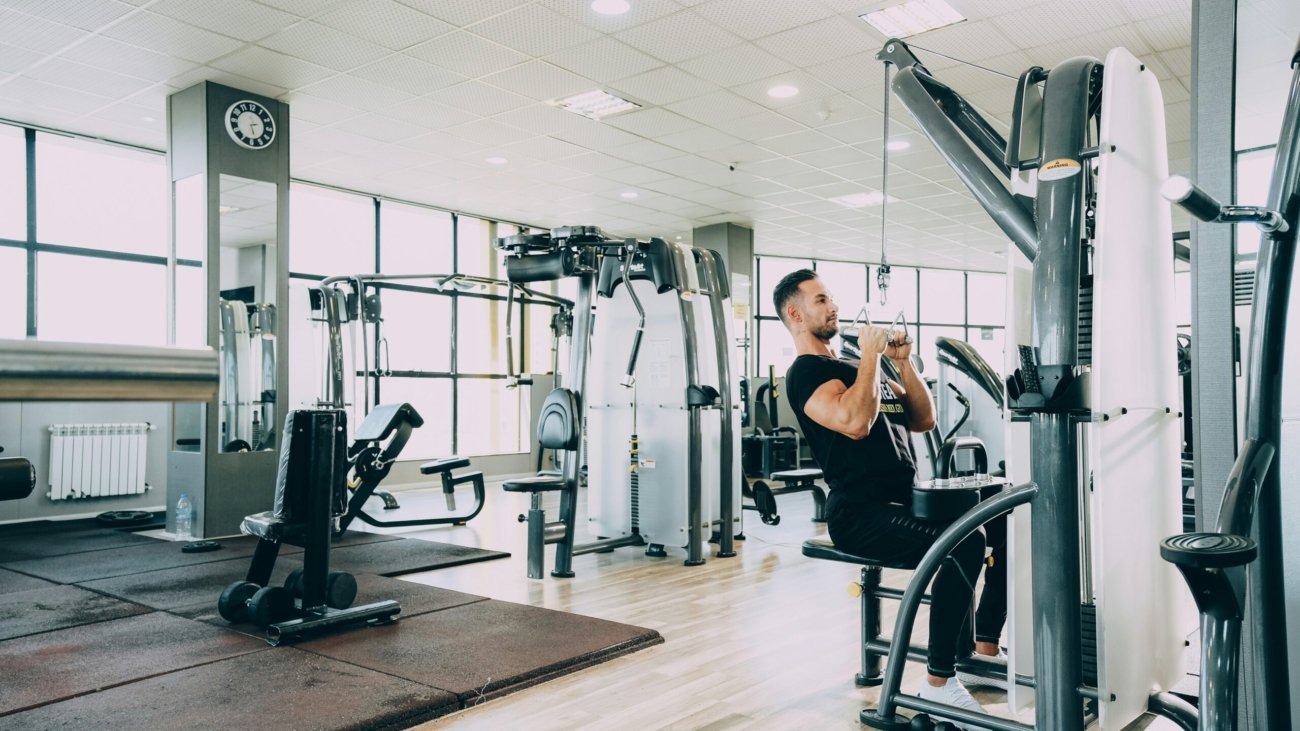
woman in black tank top and black pants exercising

Embracing Fitness Beyond Weight Loss: A Holistic Approach to Health

Introduction to Fitness Beyond Weight Loss

Fitness is often perceived solely through the lens of weight loss, with many individuals aiming for a specific number on the scale as the ultimate measure of success. However, this narrow focus overlooks the multifaceted nature of health and well-being. Embracing a more holistic approach to fitness recognizes that achieving well-being encompasses not only physical transformations but also mental and emotional health improvements. By moving beyond weight loss, individuals can cultivate a deeper understanding of fitness and its profound impact on various aspects of life.

The journey to fitness is one that should be tailored to personal goals and values, focusing on strengths and overall wellness instead of societal pressures to conform to ideal body images. This perspective allows us to appreciate the many dimensions of fitness, including flexibility, strength, cardiovascular health, and most importantly, mental resilience. Engaging in physical activity can foster positive changes such as reduced stress, enhanced mood, and improved cognitive abilities, illustrating that well-being extends far beyond quantifiable metrics like weight.

Furthermore, adopting a holistic approach encourages individuals to explore activities that they genuinely enjoy, enhancing their motivation to remain active. By participating in diverse fitness routines—be it yoga, dancing, hiking, or weight training—individuals can discover joy in movement, creating sustainable habits that promote long-term health. This shift in mindset from a weight-centric view to a more expansive understanding of health opens opportunities for better lifestyle practices, including nutritious eating, sufficient sleep, and stress management.

In this evolving narrative of fitness, it is crucial to acknowledge personal progress, irrespective of the scale’s readout. Ultimately, a comprehensive engagement with fitness can result in a healthier body, a sound mind, and a more enriched life, fostering a positive cycle that benefits overall well-being.

Understanding the Multifaceted Nature of Fitness

Fitness is often perceived solely through the lens of weight loss, but it encompasses a broader spectrum of elements that contribute to overall health and well-being. The multifaceted nature of fitness includes various components such as strength, endurance, flexibility, and coordination. Each aspect plays a vital role not only in physical performance but also in enhancing day-to-day functionality and life satisfaction.

Strength training is a fundamental aspect of fitness that focuses on building muscle and bone density. Engaging in regular strength exercises can improve metabolic rate, reduce the risk of injury, and promote better postural alignment. Incorporating methods like resistance training or using free weights can significantly strengthen both major and minor muscle groups. Likewise, the pursuit of endurance is crucial for cardiovascular health. Activities that elevate heart rate, such as running, cycling, or swimming, help improve the body’s ability to sustain prolonged physical activity, thereby promoting improved lung capacity and overall stamina.

Flexibility, another essential fitness component, allows for a greater range of motion in joints and can prevent injuries. Incorporating stretching routines, yoga, or Pilates can enhance flexibility and contribute to improved functional movements in everyday life. Coordination, the ability to execute smooth and efficient movements, also plays a significant role in athletic performance and skill acquisition. Training coordination can lead to better balance and control, which is integral, particularly as individuals age.

By embracing a holistic approach to fitness that incorporates strength, endurance, flexibility, and coordination, individuals can foster a more balanced fitness regime. Such a diversified focus not only aids in personal fitness progression but also enhances overall quality of life, allowing for a greater sense of accomplishment and satisfaction in both physical endeavors and daily activities.

Mental Health Benefits of Regular Exercise

Engaging in regular physical activity has been extensively linked to numerous mental health improvements, making it a crucial component of a holistic approach to overall well-being. Research indicates that exercise is associated with a reduction in symptoms of anxiety and depression. This connection can be attributed to several physiological and psychological mechanisms. For instance, physical activity stimulates the release of endorphins, neurotransmitters often referred to as ‘feel-good’ hormones, which promote feelings of happiness and euphoria. Furthermore, exercise has been shown to enhance the production of serotonin, a neurotransmitter that influences mood regulation, thereby significantly improving one’s emotional state.

Moreover, the act of exercising provides individuals an opportunity to divert their attention from daily stressors and anxieties. Activities such as running, swimming, or participating in group sports can serve as an excellent coping mechanism. The rhythmic nature of exercise also encourages a meditative state, where individuals are drawn to focus more on the present moment, fostering a sense of mindfulness. This focus helps alleviate negative thought patterns that often contribute to anxiety and depression, demonstrating how movement can be an effective tool for mental resilience.

In addition to mood improvements, exercise is also known to positively impact cognitive functions. Regular participation in physical activity has been correlated with better attention span, memory retention, and overall cognitive flexibility. These cognitive enhancements are particularly relevant for those who may experience cognitive decline due to stress or aging. As we continue to emphasize health beyond just weight loss, it is important to acknowledge the profound mental health benefits associated with regular exercise, reinforcing its role as an essential part of a comprehensive approach to fitness.

Building a Stronger Community Through Fitness

Fitness is often viewed through the lens of weight loss or physical transformation; however, it also holds significant potential for building a sense of community. Group workouts, fitness classes, and community sports provide excellent platforms for fostering social connections among participants. These activities allow individuals to come together with a shared purpose, creating an environment supportive of personal growth and social interaction.

Participating in group workouts encourages individuals to push their limits while simultaneously developing bonds with fellow participants. The collective effort in lifting weights, running a marathon, or engaging in a spirited game of basketball cultivates an atmosphere of camaraderie, where members motivate and cheer each other on. For instance, members of a local gym often share their achievements and setbacks, strengthening relationships through their shared fitness journeys.

Moreover, fitness classes led by certified instructors further enhance community ties. These sessions serve as a gathering point for individuals who may not know each other outside the class setting. They offer an inclusive space where individuals can engage, learn, and grow, regardless of their fitness level. Personal testimonies highlight that many friendships formed in these settings extend beyond the gym, resulting in a supportive network that encourages a healthier lifestyle.

Community sports teams also play a pivotal role in uniting residents, providing an excellent opportunity for fitness enthusiasts to embrace teamwork while fostering a spirit of friendly competition. Members develop a sense of belonging, as they work together in pursuit of a common goal – winning a match or simply enjoying the thrill of participation. The friendships, alliances, and memorable moments crafted through these experiences underscore the profound impact that fitness has on community building.

Incorporating Movement Into Daily Life

Incorporating movement into daily life is essential for promoting overall health and well-being. Many individuals associate fitness solely with structured workout sessions, but in reality, physical activity can be seamlessly integrated into everyday routines. By adopting a proactive approach towards movement, one can significantly enhance their fitness level without dedicating extensive time exclusively to exercise.

One of the simplest yet most effective methods to include movement throughout the day is by walking whenever possible. For instance, instead of driving short distances, consider walking to nearby destinations. This not only helps in burning calories but also allows for opportunities to enjoy the surroundings. Additionally, opting for stairs instead of elevators can elevate heart rates and contribute to cardiovascular health. These minor modifications can accumulate, resulting in substantial health benefits over time.

Engaging in recreational activities also serves as a fantastic way to incorporate movement while enjoying social interactions. Activities such as dancing, cycling, or hiking allow individuals to remain active without the perception of a traditional workout. This innovative mindset opens up avenues for enjoyment and community involvement, making fitness an integral part of life rather than a chore. Even household tasks such as gardening, cleaning, or playing with children can provide a significant amount of physical activity, thereby contributing to one’s daily movement goal.

Furthermore, setting reminders to stand up and stretch or take short walks during work hours can combat sedentary behaviors often associated with desk jobs. By doing so, employees can foster a more balanced work-life dynamic while positively impacting their physical condition. Overall, incorporating movement into daily life is not merely a fad; it is a comprehensive approach to embracing fitness that extends beyond mere weight loss, emphasizing the need for consistency and variety in maintaining a healthy lifestyle.

Nourishing the Body for Overall Wellness

Nutrition plays a pivotal role in achieving physical fitness and overall wellness, extending far beyond the limitations of calorie counting and weight loss. A balanced diet, rich in vitamins, minerals, and macronutrients, is essential for fueling the body adequately, especially when engaging in regular physical activity. Incorporating a variety of food groups helps ensure that the body receives the necessary nutrients it needs to function optimally. Fruits and vegetables, whole grains, lean proteins, and healthy fats should be the cornerstone of one’s daily meals.

Emphasizing the importance of whole foods, individuals are encouraged to focus on natural sources of nutrition rather than processed options. Whole foods not only provide essential nutrients but also often contain fiber, which aids in digestion and improves satiety. This is crucial for sustaining energy levels throughout the day and during workouts, ultimately enhancing performance and recovery. The relationship between nutrition and fitness can be viewed as synergistic; proper fuel can lead to improved endurance and strength, making workouts more effective.

Moreover, hydration plays a crucial role in nutrition and fitness. Maintaining adequate fluid intake is necessary to support bodily functions and optimize workout performance. Dehydration can lead to reduced physical performance, increased fatigue, and a greater risk of injury. Therefore, integrating water-rich foods and adequate liquid consumption into daily habits can significantly impact overall health.

Nutrition is not a one-size-fits-all approach; individual requirements may vary based on age, sex, activity level, and health goals. Understanding one’s unique nutritional needs is essential for developing sustainable eating habits that promote health and wellness. Transitioning to a holistic view of fitness, where nourishment is prioritized alongside physical activity, paves the way for a comprehensive approach to well-being, enhancing not only physical capabilities but also mental and emotional health.

The Role of Rest and Recovery in Fitness

In the pursuit of fitness, many individuals often overlook the significance of rest and recovery. While engaging in regular exercise is essential for physical health, sufficient rest is equally crucial for optimal performance and overall well-being. Recovery plays a vital role in muscle repair, adaptation, and growth, aiding the body in returning to its pre-exercise state. Muscles undergo stress during workouts, and without adequate recovery time, this stress can lead to fatigue and increased risk of injury. Thus, incorporating recovery days into a fitness regimen is fundamental to achieving long-term fitness success.

One of the primary physiological benefits of recovery is the process of muscle rebuilding. During periods of rest, the body synthesizes proteins and replenishes glycogen stores, which is necessary for effective muscle recovery. This not only enhances muscle strength but also improves endurance, allowing individuals to perform better in subsequent workouts. Moreover, recovery days help to mitigate the risk of overtraining, which can result in negative outcomes such as burnout, decreased immunity, and chronic fatigue.

Equally important to recovery is the role of sleep. Research indicates that quality sleep directly influences physical performance and recovery. Sleep is the time when the body undergoes restorative processes, including hormone regulation and tissue repair. Prioritizing regular sleep patterns can lead to improved concentration, reduced anxiety, and better overall health, which further enhances fitness endeavors.

In addition to rest and sleep, incorporating various techniques to promote recovery can also be beneficial. Practices such as active recovery, hydration, stretching, and employing techniques like foam rolling can aid in muscle recovery and enhance flexibility. Mindfulness practices, including yoga and meditation, can reduce stress levels, positively influencing physical health. By embracing rest and recovery as integral components of a comprehensive fitness strategy, individuals can optimize their health and achieve their fitness goals beyond mere weight loss.

Redefining Success in Fitness: Personal Goals and Motivations

In contemporary discussions about fitness, the predominant emphasis often revolves around traditional markers of success such as weight loss or muscle gain. However, redefining success entails broadening this perspective to incorporate personal goals and intrinsic motivations. Each individual possesses unique aspirations and interests that can significantly influence their fitness journey. By focusing on personal metrics of success, individuals can cultivate a more fulfilling relationship with fitness and health.

Setting personalized fitness goals is essential. Rather than adhering strictly to societal expectations, individuals should assess what genuinely resonates with them. For some, this may involve engaging in activities that promote enjoyment, such as dancing, hiking, or participating in team sports. Others may find success in improving flexibility, increasing endurance, or achieving specific performance milestones, such as completing a marathon. Encouraging a diverse range of objectives allows individuals to align their fitness pursuits with their lifestyles and preferences, which enhances commitment and enjoyment.

Moreover, the motivations behind pursuing fitness are equally vital. Acknowledging why one seeks to engage in physical activities can create a more profound sense of purpose. Whether the motivation stems from a desire for improved mental health, enhanced energy levels, or simply the joy of movement, understanding these reasons can help sustain engagement over time. Celebrating non-scale victories, such as improved mood, better sleep, or increased stamina, further reinforces the shift away from traditional measures of fitness success.

Ultimately, redefining success in fitness is about individual experiences and personal growth. By embracing diverse goals and recognizing intrinsic motivations, individuals can foster a deeper appreciation for their fitness journeys. This holistic perspective not only nurtures a healthier relationship with fitness but also lays the foundation for a sustained, enjoyable, and rewarding path toward overall well-being.

Conclusion: Embracing a Lifelong Fitness Lifestyle

In summary, the path to health and fitness extends well beyond the simple pursuit of weight loss. A holistic approach to fitness acknowledges that true well-being encompasses not only the physical body but also mental and social aspects of health. The importance of integrating various components such as exercise, nutrition, mental health, and social interaction into a comprehensive lifestyle is paramount. By adopting a multifaceted approach, individuals can cultivate a more enriching experience that promotes overall health and happiness.

One of the key takeaways is the recognition that movement should be a source of joy rather than merely a means to achieve a specific weight goal. Engaging in activities that one finds enjoyable—whether it’s dancing, hiking, or participating in team sports—can foster a positive relationship with exercise. This shift in mindset encourages commitment to a fitness lifestyle that invigorates both the body and the spirit.

Moreover, social engagement plays a critical role in our fitness journeys. Building a supportive community, whether through workout groups, clubs, or online platforms, can significantly enhance motivation and accountability. Connecting with others who share similar fitness goals not only provides encouragement but also fosters a sense of belonging that enriches the overall experience.

Ultimately, embracing a lifelong fitness lifestyle is about finding balance and fostering well-being in all dimensions of life. It is essential to redefine success in terms of progress, enjoyment, and fulfillment rather than solely focusing on numbers on a scale. By prioritizing physical activity, mental health, and social connections, individuals can achieve a robust sense of overall wellness that lasts far beyond any temporary fitness trend.


A man doing a kickbox kick in a gym

Embrace the Digital Detox Fitness Challenge: A Guide to Reconnecting with Your Health

Introduction to Digital Detox

In today’s fast-paced world, technology permeates every aspect of our lives. We rely heavily on our devices for communication, information, and entertainment. This pervasive influence can lead to an over-dependence on screens, often resulting in significant physical and mental health issues. Digital detoxing represents a conscious effort to take a break from these devices, especially from the incessant notifications that demand our attention. It encourages individuals to disconnect from their screens for a certain period, allowing for a reassessment of their relationship with technology.

The need for a digital detox is becoming increasingly evident as people report symptoms of “digital fatigue.” This condition can manifest as increased stress levels, anxiety, and decreased attention spans. Well-documented studies indicate that prolonged exposure to screens can affect sleep patterns and contribute to a sedentary lifestyle, both of which are detrimental to one’s health. A digital detox provides an opportunity to counteract these effects, fostering a more balanced lifestyle. By stepping away from digital distractions, individuals can reclaim their time and prioritize their physical and mental well-being.

Engaging in a digital detox has numerous benefits. It allows for increased mindfulness and self-awareness, as individuals can focus more on their immediate surroundings and experiences, rediscovering hobbies and activities that may have been sidelined due to screen time. Additionally, reducing digital consumption can lead to improved sleep quality and enhanced interpersonal relationships, as people become more present and engaged in their daily interactions. Furthermore, physical activity often receives a boost when screens are put aside, encouraging individuals to partake in exercise, which is a critical component of overall health. By establishing a baseline understanding of the importance of digital detoxing, this fitness challenge aims to help participants reconnect with their health and well-being in a holistic manner.

Understanding the Impact of Screen Time on Health

In today’s increasingly digital world, the prevalence of screen time has surged, providing both benefits and considerable drawbacks to our mental and physical health. Research indicates that excessive screen time can contribute to a myriad of health issues, particularly concerning mental well-being. Studies have demonstrated a correlation between high screen time and the rise of anxiety and depression. The constant influx of information and social media pressure can foster feelings of inadequacy and loneliness, ultimately leading to increased stress levels.

Moreover, another significant consequence of prolonged screen usage is the disruption of sleep patterns. The blue light emitted by screens interferes with the production of melatonin, a hormone crucial for regulating sleep. Many individuals find themselves engaging with devices late into the night, resulting in insufficient rest and poor sleep quality. This disruption can have cascading effects, including decreased productivity and heightened irritability during waking hours.

Physical health is also at significant risk due to extended periods of screen time. Sedentary behaviors associated with prolonged device use can lead to weight gain, obesity, and various chronic health conditions. The World Health Organization recognizes physical inactivity as one of the leading risk factors for global mortality. Consequently, the sedentary lifestyle reinforced by excessive screen time can contribute to cardiovascular disease and musculoskeletal disorders, further complicating overall health.

Thus, the evidence is clear: excessive screen time can adversely affect both mental and physical health. As individuals increasingly recognize these challenges, a digital detox presents an opportunity for improved well-being. By consciously reducing screen exposure, one can experience enhancements in both mental clarity and physical fitness, paving the way for a healthier and more balanced lifestyle.

The Concept of a Fitness Challenge

A fitness challenge is an organized program that encourages individuals to engage in physical activity with the intention of achieving specific health goals. These goals can range from weight loss and increased strength to improved cardiovascular health or enhanced flexibility. The primary purpose of a fitness challenge is to motivate participants to adopt healthier lifestyles by setting measurable targets that foster accountability, competition, and personal growth.

The structure of a fitness challenge can vary widely. Some challenges are designed to be completed alone, allowing participants to set their own pace and tailor their routines to fit their individual needs. Alternatively, team-based challenges foster camaraderie and collaboration among participants, creating an engaging community atmosphere. These group settings often encourage friendly competition, which can further boost motivation and commitment. Regardless of the format, the essence of a fitness challenge lies in its ability to inspire individuals to push beyond their limits and cultivate healthier habits.

There are numerous types of challenges available, targeting various interest levels and demographics. From 30-day workout plans focusing on strength training, yoga, or weight loss to community events like charity runs and obstacle courses, the options are diverse. Engaging in these challenges not only enhances physical fitness but also promotes mental well-being by providing a sense of achievement and purpose.

Moreover, participating in a fitness challenge aligns seamlessly with the principles of a digital detox. As individuals step away from screens and social media, they can observe firsthand the profound benefits of focusing on their physical health. By committing to a fitness challenge, participants cultivate discipline, stress relief, and overall well-being, reminding them of the importance of balancing technology use with physical activity. Ultimately, embracing a fitness challenge serves as a powerful tool for improving health and fostering long-lasting positive habits.

Creating Your Digital Detox Fitness Challenge Plan

Designing a personalized digital detox fitness challenge begins with establishing clear, attainable goals tailored to your current fitness level and lifestyle preferences. Start by reflecting on what you aim to achieve through your detox experience. Whether your objectives involve improving physical health, enhancing mental well-being, or simply breaking away from screen-related habits, you should articulate these goals clearly. This clarity will serve as a motivational anchor throughout your journey.

Next, consider the duration of your challenge. A successful digital detox typically lasts between one week to a month, granting adequate time to integrate new habits without overwhelming yourself. Assess your schedule and select a timeframe that aligns with your commitments and provides a realistic opportunity for meaningful change. Remember that consistency is key; thus, opting for a shorter challenge, such as ten days, may yield better results than a prolonged endeavor if life gets in the way.

As you formulate your plan, incorporate a variety of activities to ensure your fitness regimen remains engaging. Select exercises that resonate with you—be it jogging, yoga, hiking, or home workout routines—while also considering outdoor pursuits to promote a connection with nature. Balancing cardio, strength training, and flexibility exercises can create a well-rounded fitness schedule that accommodates personal preferences and reduces the likelihood of boredom.

Tracking your progress during this challenge without digital devices might seem daunting, but traditional methods can be quite effective. Use a journal or planner to log your daily activities, mood, and any physical changes you notice. This reflective practice will not only provide insights into your journey but also reinforce commitment to your fitness goals. By following these steps, you will be well-equipped to embrace this transformative experience, ultimately reconciling your health journey with the absence of screens.

Choosing the Right Activities for the Challenge

Participating in a digital detox fitness challenge offers an excellent opportunity to explore various activities that promote physical health and mental well-being. Selecting the right activities is crucial, as it not only ensures an engaging experience but also encourages a sustainable fitness routine beyond the challenge. To begin, consider outdoor physical activities that immerse you in nature. Hiking, biking, or trail running are fantastic options that elevate heart rates while allowing participants to enjoy natural surroundings and fresh air, fostering mindfulness.

Another compelling avenue to explore is group activities. Joining a local sports team or participating in group fitness classes can significantly enhance motivation and accountability. Activities like soccer, basketball, or even ultimate frisbee encourage socialization, teamwork, and a healthy dose of competitive spirit. Engaging with others in these sports nurtures relationships, promoting emotional health while remaining physically active.

Mindfulness exercises also play a pivotal role in a digital detox fitness challenge. Practices such as yoga or tai chi can significantly improve flexibility and strength, while also enhancing mental clarity and relaxation. These activities require focus on breathing and body awareness, creating a perfect balance between physical and mental exercise without the distraction of screens.

For those who prefer more recreational forms of exercise, consider activities like dancing or gardening. Dancing not only serves as a fun way to stay active but also helps in expressing creativity and elevating mood. Gardening, on the other hand, is a gratifying physical activity that connects individuals with their surroundings, allowing for both movement and mental relaxation. By choosing a variety of activities that cater to different interests and fitness levels, participants can enjoy a well-rounded experience during their digital detox fitness challenge.

Accountability and Support Systems

Engaging in a digital detox fitness challenge can be significantly enhanced by the presence of accountability and support systems. The transition from a digitally connected lifestyle to one that emphasizes genuine engagement with health and fitness can pose many challenges. Therefore, fostering an environment where individuals can seek encouragement and motivation is crucial for long-term commitment and success.

One effective strategy for maintaining accountability during this detox is to enlist workout buddies. Choosing a partner who shares similar fitness goals not only increases accountability but also enriches the experience with camaraderie. This partnership can manifest in various forms, such as setting specific workout times together or sharing progress updates. Having someone to cheer you on or share in the challenges of the journey makes it easier to remain committed to the objectives of the detox challenge.

In addition to partnering with peers, joining local fitness communities can provide essential support. Many communities offer group workouts, classes, or local events tailored for individuals seeking to enhance their health without digital distractions. This social framework can promote a sense of belonging and shared purpose, encouraging participants to stay motivated. These face-to-face interactions often serve as a powerful motivator, making the experience enriching and enjoyable.

Furthermore, utilizing non-digital tools for tracking progress can also play a significant role. Consider maintaining a paper journal to document workouts, meals, and feelings throughout the detox challenge. By doing so, participants can engage with their progress more authentically and holistically. Engaging in these tangible activities fosters mindfulness and self-reflection, which are essential for successful personal growth and transformation during a digital detox fitness challenge.

Navigating Challenges During the Detox

Embarking on a digital detox fitness challenge can often be accompanied by a myriad of challenges that may deter progress. One of the primary hurdles many individuals face is the overwhelming desire to engage with technology. This craving can be attributed to habit, convenience, or even social gathering norms. To manage these cravings effectively, it is essential to create structured schedules that prioritize physical activity, mindfulness, and connection with the real world, rather than the virtual one. Diverting attention to activities such as reading, exploring the outdoors, or developing a new hobby can significantly diminish the allure of technology.

Social pressure can also pose significant challenges during a digital detox. Friends, family, and colleagues may not understand the necessity of this challenge and may pressure you to engage with technology. Communicating your intentions clearly can help set boundaries. You might also consider inviting friends to join you on this journey, fostering a supportive environment where technology does not dominate interactions. This collaborative effort can enhance accountability while establishing social norms centered on health and fitness.

Moreover, physical barriers to maintaining fitness during a digital detox may arise. Limited access to traditional exercise facilities can be a significant setback. However, exploring alternative fitness options such as home workouts, community classes, or outdoor exercises allows flexibility and creativity in your fitness routine. Embracing self-compassion throughout this journey is vital; not every day may go as planned, and that is entirely acceptable. Recognizing and accommodating your needs can enhance adaptability as you navigate these challenges.

Ultimately, cultivating resilience against the obstacles presented by a digital detox can enable you to reconnect with your health goals more genuinely and sustainably, making the experience rewarding in numerous ways.

Reflecting on the Experience

Completing a digital detox fitness challenge can be a transformative experience, prompting significant insights about your physical, mental, and emotional states. To effectively reflect on this journey, it is essential to assess the improvements in various aspects of your health. Start by evaluating the physical benefits you have observed, such as increased vitality, enhanced stamina, or weight management. Consider keeping a record of your fitness metrics, such as step counts, workout durations, or flexibility levels, to visualize measurable progress.

Next, think about the mental clarity that may have emerged during the detox period. Ask yourself how your focus and decision-making abilities have evolved. Did you find it easier to concentrate on tasks without the constant distraction of digital devices? Journaling can serve as a valuable tool here, allowing you to articulate the shifts in your cognitive processes. Consider prompts such as: “What activities did I engage in that brought me joy and allowed me to focus?” or “How has my attitude toward technology changed as a result of this challenge?” This self-inquiry can yield insights into your relationship with technology moving forward.

Emotional well-being is another crucial domain to assess. Reflect on the emotional shifts noticed during the detox. Did you experience a reduction in anxiety or stress levels? Were you able to cultivate more meaningful connections with others? Journal prompts like “What emotions surfaced during the challenge, and how did I address them?” or “How do I feel about my interactions with family and friends now that I am less distracted?” can help you explore these dimensions more deeply.

By embracing this reflective process, you may identify lasting changes you wish to incorporate into your life. Whether it’s setting boundaries for technology use or prioritizing physical activity, recognizing these aspects can lead to a balanced and healthier lifestyle.

Long-term Benefits of Digital Detoxing and Fitness

In today’s hyper-connected world, the practice of digital detoxing, when paired with a commitment to physical fitness, can yield numerous long-term benefits that extend far beyond mere convenience. One striking advantage lies in the enhancement of one’s physical health. Regular fitness activities, such as jogging, yoga, or strength training, combined with periodic digital detoxes, promote cardiovascular fitness, improve muscle strength, and aid in weight management. By stepping away from screens and engaging in physical exercise, individuals can lower their risk of chronic diseases often exacerbated by sedentary lifestyles.

Moreover, the mental health benefits of these practices cannot be overstated. Digital detoxing invites individuals to embrace mindful living, reducing the overwhelming sensory overload often contributed by constant notifications and social media engagement. This respite offers the mind a chance to unwind, alleviating stress and anxiety. Engaging in physical fitness during this detox period further enhances emotional resilience, as exercise is scientifically proven to release endorphins, the body’s natural stress relievers. Consequently, a stronger mental state emerges, fostering improved focus, emotional stability, and overall well-being.

Another critical aspect is the strengthening of interpersonal relationships. Reducing screen time promotes face-to-face interactions, nurturing deeper connections with family and friends. It encourages shared activities, creating opportunities for communication and bonding often lost in the digital haze. Individuals who prioritize time spent both on their health and with loved ones are more likely to experience fulfilling relationships, as they invest quality time in their social circles.

Ultimately, integrating digital detoxing with a consistent fitness regimen leads to a more balanced lifestyle. It cultivates a stronger connection to the present moment, encouraging individuals to live consciously and appreciate the nuances of their surroundings. By recognizing the importance of both technology management and physical activity, people can pave the way to sustained health and happiness.

person holding round clear container

The Science of Rest: How to Train Less and Achieve More

Introduction to the Science of Rest

Rest is often overlooked in the pursuit of peak performance, especially in competitive environments. Many individuals hold the misconception that relentless training and extended hours of practice unequivocally lead to improved results. However, the paradigm is shifting; scientific research increasingly highlights the pivotal role rest plays in optimizing both physical and mental performance. In essence, rest is not merely a break from activity but a vital component of an effective training regimen.

Fundamentally, rest allows the body to recover, repair, and grow stronger. Muscles undergo micro-tears during intense training sessions, and it is during rest periods that these tissues rebuild and adapt. The restorative processes that occur while resting are essential for enhancing strength, endurance, and overall athletic performance. Moreover, neglecting adequate recovery can lead to overtraining syndrome, characterized by fatigue, decreased performance, and heightened injury risk.

On a mental level, rest is equally important. Continuous exertion can lead to burnout, reduced motivation, and cognitive fatigue. Incorporating rest into a training program can improve focus, creativity, and decision-making skills. Mental fatigue can compromise performance, making it crucial for athletes and individuals in high-stress environments to prioritize recovery periods.

The common notion that one needs to “train harder” often overshadows the importance of rest. Understanding the science behind rest reveals its multifaceted benefits, enabling individuals to train smarter, not harder. By recognizing that recovery is an integral part of any training plan, one can strike a balance that maximizes performance while promoting overall well-being. This article will delve deeper into how to effectively incorporate rest into training schedules, leading to enhanced outcomes and improved quality of life.

The Physiology of Rest and Recovery

Rest and recovery are essential components of physical performance and overall well-being, significantly influencing the body’s physiological processes. One of the most critical functions that occurs during periods of rest is muscle repair. When subjected to physical stress, such as resistance training or intense aerobic exercise, muscle fibers sustain microtrauma. It is during rest—primarily while sleeping—that the body engages in the reparative processes facilitated by satellite cells. These cells migrate to the damaged areas and help rebuild muscle fibers, not only restoring them but also potentially increasing their strength and size through a phenomenon known as muscle hypertrophy.

Furthermore, rest plays a vital role in maintaining hormonal balance. Exercise induces physiological responses that affect hormone levels, such as cortisol, testosterone, and growth hormone. Proper recovery periods allow the body to regulate these hormones effectively. For instance, adequate sleep is linked to optimal testosterone production and the reduction of stress hormone levels like cortisol, fostering an environment that is conducive to both muscle recovery and growth. Thus, insufficient rest can lead to hormonal imbalances, adversely affecting performance and overall health.

Another crucial aspect of recovery is its impact on brain function. The brain requires rest to process information gathered during the day, and sleep is instrumental in memory consolidation and cognitive function. During sleep cycles, particularly during deep sleep and REM (rapid eye movement) stages, the brain eliminates waste products, boosts synaptic connections, and prepares itself for the next day’s challenges. Active recovery techniques, such as low-intensity exercise or relaxation practices, can also enhance cognitive performance by improving mood and reducing mental fatigue.

In conclusion, understanding the physiological processes associated with rest and recovery underscores their significance in training regimens. By prioritizing various forms of recovery, individuals can optimize not just their physical fitness but also their mental acuity and hormonal balance, leading to improved performance and well-being.

The Mental Aspects of Rest

Rest is a fundamental aspect of maintaining not only physical health but also mental well-being. One of the most significant psychological benefits of adequate rest is its capacity to improve focus. When the mind is fatigued, cognitive functions such as concentration and decision-making become impaired, which can lead to decreased productivity. By incorporating mental breaks into daily routines, individuals allow their minds to recuperate, paving the way for enhanced attention and a higher quality of work.

In addition to improved focus, rest plays a crucial role in fostering creativity. Research has shown that periods of relaxation can lead to more innovative thinking and problem-solving abilities. This phenomenon is partly due to the mind’s ability to make connections between seemingly unrelated information when it is not overwhelmed by immediate tasks. By stepping back and allowing thoughts to wander during rest periods, individuals often experience spontaneous insights and novel ideas, which can be invaluable in achieving long-term goals.

Furthermore, rest is pivotal in reducing stress levels. Chronic stress not only affects mental health but can also lead to burnout, which diminishes overall performance. Incorporating regular rest into one’s schedule can counterbalance the pressures of daily demands and promote a healthier mindset. Strategies for effective mental breaks may include practices such as meditation, deep breathing exercises, or even short walks in nature, all of which have been scientifically shown to promote relaxation and well-being.

Ultimately, understanding the mental aspects of rest reveals its critical role in achieving optimal performance. By prioritizing mental regeneration through structured resting periods, individuals can enhance their focus, unleash creativity, and effectively manage stress, all contributing to their long-term success and improvements in overall quality of life.

Evidence from Sports Science

Sports science has increasingly focused on the intricate balance between training intensity and recovery, leading to groundbreaking evidence that supports the principle of “less can be more.” Many studies highlight the necessity of structured rest periods in enhancing athletic performance, suggesting that athletes who prioritize recovery demonstrate marked improvements in strength, endurance, and overall physical capabilities.

One notable case study involves professional cyclists who adopted a reduced training volume while incorporating specific rest days. Research found that this approach led to comparable, if not superior, performance outputs in time trials compared to those who maintained traditional high-volume training regimens. The cyclists who rested appropriately exhibited lower levels of fatigue and enhanced physiological adaptations, producing higher power outputs. This highlights how strategic rest can prevent the onset of overtraining syndrome and optimize the body’s recovery processes.

Another compelling example comes from a cohort of elite swimmers who integrated more recovery time into their training schedules. The athletes reported significant improvements in their race times and overall satisfaction with their training experiences. Metrics such as heart rate variability indicated enhanced recovery rates, showcasing that athletes benefited from reduced training stress. Furthermore, their mental state improved, which is often overlooked yet crucial in achieving peak performance.

Studies have also indicated that reduced training volume, when combined with adequate rest, does not hinder performance but rather enhances resilience and adaptability. Athletes who allow their bodies time to recover can avoid the detrimental effects of chronic fatigue, such as declining motivation and increased injury risk. Consequently, the evidence from sports science underscores the importance of incorporating rest into training regimens, illuminating that performance and recovery are intricately linked in the realm of athletic success.

Creating a Balanced Training Schedule

To successfully develop a balanced training schedule, it is crucial to strike a harmonious blend of exercise and rest. A well-structured regimen can dramatically enhance performance while mitigating the risks of burnout and injury. Athletes and fitness enthusiasts alike should prioritize both intensity and recovery in their planning to reap the benefits of their efforts.

First, assessing your current fitness level and goals is essential. Depending on whether you are training for endurance, strength, or general fitness, the schedule may differ significantly. A foundational component involves incorporating rest days into your weekly routine. This practice allows the body to recover and adapt, ultimately fostering improvements in strength and endurance over time.

Secondly, consider adopting a periodization approach to training. This method involves dividing the training program into distinct phases, focusing on specific goals during each period. By alternating between phases of high intensity and scheduled recovery periods, athletes can avoid plateaus while enhancing overall performance. For instance, incorporating a week of lighter workouts after a series of intense training can yield significant benefits.

Another practical strategy involves the concept of ‘active recovery.’ This entails engaging in lower-intensity activities on rest days, such as yoga or light swimming, which can promote blood flow and muscle recovery without adding substantial stress to the body. It can also maintain a level of engagement with fitness while addressing the need for rest.

Ultimately, developing a balanced training schedule necessitates a comprehensive understanding of individual needs and recognizing the importance of rest in achieving optimal performance. By allowing for carefully calculated breaks, athletes can ensure their training is sustainable, effective, and conducive to long-term success in their fitness endeavors.

Rest Techniques for Optimal Performance

Effective rest is critical for enhancing performance and overall well-being. To achieve optimal results, individuals must consider various rest techniques that foster recovery without reducing training hours. One of the fundamental aspects of rest is sleep hygiene, which involves creating an environment and routine that promotes quality rest. This includes maintaining a consistent sleep schedule, ensuring that the sleeping environment is dark, quiet, and cool, and limiting exposure to screens before bedtime. These practices help regulate the circadian rhythm and significantly improve sleep quality, which is essential for physical and mental recovery.

Another effective method for fostering recovery while minimizing downtime is through active recovery techniques. These methods include low-intensity exercises such as walking, yoga, or stretching, which help to increase blood flow and reduce muscle soreness without putting undue stress on the body. Incorporating active recovery days into a training regimen allows individuals to enhance their recovery periods while still engaging in physical activity, ultimately leading to improved performance during intense training sessions.

Mindfulness practices also play a vital role in optimizing rest. Techniques such as meditation, deep-breathing exercises, and progressive muscle relaxation can assist in reducing stress and anxiety levels, which can negatively impact both mental and physical performance. By engaging in mindfulness activities, individuals learn to tune into their bodies, understand their needs for rest, and foster a greater sense of well-being. This promotes not only recovery but also a proactive approach to maintaining optimal performance levels.

In conclusion, by integrating sleep hygiene, active recovery methods, and mindfulness practices into their routine, individuals can cultivate a holistic approach to rest. This comprehensive strategy not only enhances overall recovery but also allows for greater performance output, ultimately demonstrating that effective rest is as vital as rigorous training.

Identifying Individual Rest Needs

Understanding personal rest requirements is crucial for anyone aiming to optimize their performance, whether in sports, exercise, or day-to-day activities. It is essential to recognize that rest needs can vary significantly from individual to individual, influenced by several factors such as age, fitness level, and overall lifestyle.

Age plays a significant role in determining recovery needs. Younger individuals often recover faster due to greater physiological resilience and regenerative capacity. Conversely, as people age, they may require more time for recovery due to changes in muscle mass, hormonal shifts, and overall metabolic processes. This age-related decline can affect not only the intensity of exercise but also the duration required for adequate rest.

Another critical consideration is an individual’s fitness level. Those who are highly trained may need less rest between sessions, as their bodies have adapted to recover quickly from strenuous activities. On the other hand, beginners might experience more soreness and fatigue, necessitating longer recovery periods to allow their bodies to adjust. Recognizing these differences is fundamental to developing a personalized training approach.

Overall lifestyle significantly affects rest needs as well. Factors such as stress levels, dietary habits, and sleep quality can either enhance or hinder recovery. Listening to one’s body signals, such as fatigue, irritability, or decreased performance, is vital in identifying when additional rest may be necessary. Incorporating regular self-assessment and adjusting training loads according to these evaluations can enhance recovery efficiency and promote sustained performance gains.

Ultimately, identifying individual rest needs entails a holistic understanding of personal circumstances and recognizing the interplay of these various factors. By adopting a tailored approach, individuals can enhance their recovery, leading to improved performance and overall well-being.

Long-term Benefits of Prioritizing Rest

Prioritizing rest is crucial for achieving long-term benefits across various aspects of life, particularly in physical pursuits. By incorporating adequate rest into training regimens, individuals can experience sustainable progress, which is fundamental for maintaining a healthy and effective training cycle. When rest is viewed not as a luxury but as an integral component of performance, athletes, hobbyists, and fitness enthusiasts alike can foster an environment that promotes continuous improvement. This approach not only enhances performance in the short term but also contributes to a more stable trajectory in achieving long-term goals.

Another significant benefit of prioritizing rest is injury prevention. Overtraining often leads to fatigue and burnout, which can increase the risk of injuries. By allowing the body sufficient time to recover, individuals can reduce wear and tear on muscles and joints, ultimately leading to a decreased likelihood of injuries. Rest days enable the body to repair itself, rebuild muscle tissue, and restore energy levels, thereby enhancing overall resilience. This thoughtful approach to rest helps to ensure that physical activities can be pursued for extended periods without the interruption caused by injuries.

Moreover, integrating adequate rest into one’s routine contributes significantly to overall health improvement. A well-balanced approach to training and recovering leads to better sleep patterns, reduced stress levels, and enhanced cognitive functions. These factors not only improve athletic performance but also enrich one’s quality of life. The benefits of restful periods translate to increased longevity and vitality, allowing individuals to engage in physical pursuits with energy and enthusiasm well into their later years. Therefore, viewing rest as a beneficial practice rather than an obstacle is essential for anyone aiming for lasting success and health.

Conclusion: Rethinking Training and Rest

In today’s fast-paced world, the conventional notion of relentless training has often overshadowed the crucial role rest plays in achieving optimal performance. This blog post has outlined the essential relationship between training, rest, and overall athletic success. It is clear that both elements are not mutually exclusive; rather, they complement each other significantly.

Integrating adequate recovery periods into training regimens is vital for enhancing performance. A balanced approach that prioritizes rest can lead to improved strength, endurance, and mental clarity. Multiple studies underscore how muscle recovery and mental rejuvenation can facilitate better training results. Thus, the time dedicated to rest should not be regarded as unproductive; on the contrary, it serves as an essential component in the training cycle.

To implement a more effective training plan, it is advisable for individuals to reevaluate their current routines. This may involve adjusting workout intensities, incorporating variety, and scheduling regular breaks to allow for physical and psychological replenishment. Moreover, understanding the signs of overtraining and the benefits of active rest can empower athletes to make informed decisions that prioritize their long-term health. Simple steps such as ensuring sufficient sleep, engaging in low-impact activities, and listening to one’s body can significantly influence performance outcomes.

Ultimately, rethinking training and rest is pivotal for anyone striving for enhanced performance in sports or fitness. By acknowledging the importance of rest, athletes can foster a more sustainable training model that supports both immediate results and long-term success. Embracing this balanced philosophy will not only lead to greater athletic achievements but also cultivate a healthier lifestyle.

a black and white photo of a person floating in the air

Understanding Fitness Through the Lens of Personality Types

Introduction to Fitness and Personality

Fitness is often perceived through a singular lens, focusing primarily on physical activity and health outcomes. However, an emerging body of research underscores the significance of personality types in shaping fitness motivations, preferences, and challenges. Understanding one’s personality can reveal critical insights into how individuals approach their fitness journeys. This recognition paves the way for more personalized and effective fitness strategies that align with unique psychological profiles.

Personality traits influence not only the choice of workout routines but also the extent of commitment and motivation towards achieving fitness goals. For instance, individuals with high extraversion may gravitate toward group classes and social fitness environments, while introverted personalities might prefer solitary exercises such as running or yoga. Additionally, those who score high in conscientiousness tend to adhere more rigorously to their fitness plans, highlighting how personality traits can dictate adherence to physical activity regimens.

Moreover, understanding personality types can help identify potential challenges individuals may face along their fitness journeys. A person with a high level of neuroticism may experience anxiety surrounding fitness performance, which could inhibit their engagement in physical activity. Recognizing these personality dimensions can lead individuals to seek tailored support, whether through coaching, community involvement, or alternative approaches to fitness that accommodate their emotional landscape.

As we delve deeper into the nexus between fitness and personality, it becomes clear that personalized fitness plans that consider these personality traits can significantly enhance one’s experience and outcomes. By fostering a deeper understanding of these interrelations, individuals can better navigate their fitness routines, set realistic goals, and ultimately create more fulfilling and sustained engagements in physical activity.

The Role of Personality in Fitness Motivation

Understanding how personality influences fitness motivation is essential for establishing sustainable exercise routines. Various personality traits significantly shape an individual’s approach to physical activity, with extraversion, introversion, conscientiousness, and openness standing out as key factors. For instance, individuals characterized by extraversion typically thrive in social environments. They may be drawn to group fitness classes, team sports, or community challenges, where the social engagement enhances their motivation to participate. The collective energy of a group can serve as a powerful incentive for these types, making shared experiences highly enjoyable and rewarding.

On the other hand, those who identify as introverts often prefer solitary activities. They may find intrinsic motivation in individual workouts, such as running, swimming, or yoga. This preference for solitary exercise allows introverted personalities to focus deeply on personal goals without the distraction of group dynamics. For them, the quiet and reflective nature of solitary workouts can lead to a more profound sense of accomplishment and fulfillment. Each personality type has its unique motivations, demonstrating the necessity of aligning fitness goals with these characteristics.

Additionally, conscientious individuals may place a high value on discipline and structure in their fitness routines. They are likely to set specific, measurable goals and adhere to a carefully crafted workout schedule. Conversely, those who score high in openness may appreciate varied and creative approaches to fitness. This could manifest as trying different activities, exploring outdoor adventures, or engaging in unconventional workout methods. Recognizing the alignment between personality traits and fitness pursuits is essential for enhancing motivation. Tailoring fitness experiences to individual characteristics ensures that exercise remains engaging, enjoyable, and ultimately leads to better adherence and results.

Personality Types and Preferred Fitness Activities

Understanding the correlation between personality types and preferred fitness activities can greatly enhance one’s ability to create a sustainable and enjoyable exercise regimen. Certain personality traits often align with specific exercise preferences, aiding individuals in selecting activities that resonate with their inherent dispositions. For instance, individuals who possess competitive traits, such as extraversion and high energy levels, may gravitate towards team sports like basketball or soccer. These activities not only fulfill their need for social interaction but also provide the adrenaline rush that comes from competition.

On the other hand, those with more introspective and independent personalities may find solace in solo activities, such as running or cycling. These fitness routines allow for personal reflection and peace, catering to individuals who prioritize self-paced, solitary exercise. The autonomy offered by running can be particularly appealing to those who appreciate flexibility in their workout schedules.

Furthermore, individuals seeking tranquil and restorative experiences may be drawn to yoga or Pilates. These practices emphasize mindfulness, flexibility, and relaxation, attracting personality types that value serenity over high energy exertion. For people with a calmer disposition, engaging in yoga sessions not only promotes physical fitness but also mental well-being, allowing them to connect with themselves on a deeper level.

Identifying one’s personality type can therefore serve as a key determinant in selecting fitness activities that are not only enjoyable but also sustainable in the long term. By aligning fitness choices with personality traits, individuals increase their likelihood of maintaining a consistent exercise regimen. This thoughtful approach to fitness can lead to improved physical health and overall life satisfaction. The integration of personality types and preferred fitness activities ultimately fosters a more personalized path towards achieving fitness goals.

Challenges Faced by Different Personality Types in Fitness

Individuals often experience a variety of challenges in their fitness journeys, which can be significantly influenced by their personality traits. Personality types play a crucial role in determining how one interacts with fitness routines, motivation levels, and even social environments. For instance, people with high levels of neuroticism typically face greater challenges with motivation and consistency. Their predisposition to anxiety can lead to self-doubt and an overwhelming fear of failure, which often hinders their ability to stick to a workout regimen. Additionally, those who experience social anxiety may struggle with engaging in group fitness activities or classes, feeling uncomfortable or judged by others.

Moreover, introverted individuals might face difficulties in seeking support from peer groups, which can lead to feelings of isolation while pursuing their fitness goals. This reluctance to engage with others may result in missing out on the camaraderie and motivation that often accompany social fitness settings. Conversely, extroverted personality types may thrive in group environments but can become easily distracted or sidetracked if they do not find the right balance between socializing and working out. The tendency to seek excitement might overshadow their commitment, leading to inconsistency overall.

Validation of these challenges is essential in recognizing that everyone encounters unique hurdles on their path to fitness. Understanding these psychological dimensions can empower individuals to develop personalized strategies that suit their personality types. For instance, setting clear, manageable goals can be particularly beneficial for those who struggle with motivation. Individuals with social anxiety can benefit from smaller workout groups or one-on-one training sessions to ease their discomfort. By acknowledging and addressing these challenges, individuals can create a more adaptive and fulfilling fitness experience suited to their personality characteristics.

How to Tailor Your Fitness Approach Based on Your Personality

When embarking on a fitness journey, understanding your personality type can significantly inform your approach to exercise and healthy living. Different personalities often have unique motivations, preferences, and methods for achieving fitness goals. By aligning your fitness plan with your personality traits, you can enhance motivation, commitment, and ultimately, success.

Firstly, it is essential to identify your personality type, which can be done using various frameworks such as the Myers-Briggs Type Indicator or the Big Five personality traits. For example, extroverts may thrive in group classes or team sports, as the social aspect energizes them. On the other hand, introverts might prefer solitary workouts like running or yoga, where they can reflect and recharge.

Furthermore, goal-setting should resonate with your personality. If you are a detail-oriented individual, establishing specific, measurable, achievable, relevant, and time-bound (SMART) goals can be motivating. Conversely, more spontaneous personalities may benefit from setting broad objectives that allow for flexibility and exploration within their fitness routines.

Additionally, accountability can enhance your fitness journey. Those who value collaboration should seek workout partners or fitness communities, which provide support and encouragement. Alternatively, if independence drives you, consider tracking your progress through journaling or fitness apps, allowing you to assess your development without external influence.

Moreover, customizing workouts to suit your preferences can lead to sustainable habits. Engaging in activities that excite you not only builds consistency but also makes fitness enjoyable. This might include exploring different forms of exercise, such as dance, martial arts, or outdoor adventures, allowing for personal expression within your routine.

Incorporating these strategies can empower you to take control of your fitness journey in a manner that reflects your character, promoting a balanced and fulfilling approach to health and wellness.

The Importance of Social Connections in Fitness

The interplay between fitness and social connections is a critical aspect that influences individual motivation and success in achieving fitness goals. Understanding how personality types interact with the social environment can help tailor exercise routines to fit personal needs effectively. Extroverted individuals often thrive in group workout settings, where social dynamics play a significant role in their fitness journey. The communal atmosphere of group classes allows these individuals to draw energy from others, fostering a sense of belonging that can enhance their workout experience.

Group workouts, such as spin classes, yoga sessions, or team sports, can provide essential social reinforcement for extroverts. These environments encourage camaraderie and accountability, making fitness a more enjoyable pursuit. Engaging with others fosters motivation, as the shared experience can create both pressure and support. Additionally, social connections can lead to the establishment of workout communities that inspire commitment and consistency.

Ultimately, a balanced approach that accommodates both extroverted and introverted tendencies is essential. Integrating social activities into fitness routines for those who benefit from them while also respecting individual preferences for solitude can help formulate a comprehensive fitness strategy. Understanding the impact of personality on social connections in fitness is paramount to creating a personalized and effective fitness experience.

Mindset Shifts for Different Personality Types

Fitness is not merely a physical endeavor; it is deeply intertwined with psychological factors, particularly personality traits. To cultivate an effective fitness journey, individuals must embrace specific mindset shifts that align with their intrinsic characteristics. One of the cardinal principles is self-acceptance. Individuals often perceive their traits, whether introverted or extroverted, as limitations when they could instead be viewed as unique strengths. Recognizing these traits allows individuals to tailor their fitness goals more effectively.

For example, extroverted individuals may thrive in social workout environments such as group classes or team sports, where camaraderie and collaboration enhance motivation. Conversely, introverted personalities may find satisfaction in solitary activities such as running, yoga, or personal training sessions. By embracing self-acceptance, individuals can foster a personal approach to fitness that aligns with their personality, making the journey more enjoyable and sustainable.

In addition to self-acceptance, positive reinforcement plays a pivotal role in nurturing a growth mindset within different personality types. Rewarding progress, whether it be through verbal affirmations or tangible incentives, reinforces healthy behaviors and motivates consistent effort. Recognizing small achievements, such as completing a challenging workout or maintaining consistency over a week, can significantly boost an individual’s morale, fostering a positive association with fitness.

Nurturing a growth mindset involves reframing setbacks as opportunities for learning and improvement. Individuals with a propensity for perfectionism may struggle when faced with challenges; however, adopting a more forgiving attitude can transform these experiences. Learning from disappointments rather than being deterred creates resilience, a vital trait that propels individuals toward their fitness goals. Ultimately, integrating these mindset shifts into one’s fitness philosophy creates a more fulfilling experience, allowing individuals to thrive in their unique pathways to wellness.

Success Stories: Real-Life Examples

In the domain of fitness, understanding one’s personality can profoundly impact one’s journey toward a healthier lifestyle. Numerous individuals have harnessed their unique personality traits to forge paths that align with their fitness goals, ultimately leading to remarkable successes. For instance, consider Sarah, an extroverted individual who thrives in social environments. Initially intimidated by traditional gym settings, Sarah found her niche in group fitness classes. The supportive community and shared energy motivated her to persist, resulting in not only weight loss but also newfound friendships and a strong social network dedicated to health.

Another compelling story comes from David, whose analytical nature directed him to meticulously track his fitness progress. As a highly organized individual, he adopted an evidence-based approach, utilizing fitness apps and wearables to monitor his workouts and nutrition. David’s methodical tracking allowed him to identify patterns, refine his routines, and overcome plateaus effectively. By setting specific, measurable goals, he transformed his regular fitness regimen into a structured quest for continuous improvement, leading to significant muscle gain and improved overall fitness.

In a contrasting scenario, Maria, a creative personality, approached fitness through innovative and artistic expressions. Rather than routine workouts, she sought out unconventional methods, such as dance classes and outdoor adventure sports. This creative outlet not only kept her engaged but also built a sense of excitement and enjoyment in her fitness journey. Maria’s story illustrates the power of aligning fitness with personal passions, showing that creativity can keep motivation high and the experience enjoyable.

These stories exemplify that fitness is not a one-size-fits-all endeavor. By recognizing and embracing their individual personality traits, these individuals discovered paths to success that resonated with who they are. Such real-life examples highlight the importance of understanding how personality impacts fitness, encouraging others to experiment and find approaches that suit their unique traits.

Conclusion: Embracing Personality in Your Fitness Journey

In the exploration of fitness through the lens of personality types, we have uncovered the profound impact that individual traits have on workout preferences, motivation, and overall success in achieving fitness goals. Recognizing that no two personalities are the same allows us to appreciate the diverse approaches individuals take toward health and exercise. This realization emphasizes the importance of self-awareness in developing an effective and personalized fitness regimen.

Throughout this discourse, we have discussed how specific personality traits influence not only the choice of physical activities but also the motivational strategies that resonate most with individuals. For instance, extroverted individuals might thrive in group fitness classes that foster social interaction, while introverts may prefer solitary exercises such as running or yoga. Acknowledging these differences can help individuals select fitness routines that complement their natural inclinations, ultimately enhancing their motivation and adherence to a healthy lifestyle.

Embracing one’s unique personality traits should be viewed as an asset rather than an obstacle. By understanding and leveraging these characteristics, individuals can tailor their fitness strategies to align with their intrinsic preferences, creating a more fulfilling and sustainable journey toward health. Furthermore, considering personality assessments can provide invaluable insights into how one’s traits can be maximized within fitness endeavors, offering a roadmap to reframe fitness from a generic approach into a personalized experience.

As you embark on your fitness journey, remember to embrace your individuality. With an understanding of how personality can shape your approach to health and exercise, you stand to gain a more effective and enjoyable experience. This mindful integration of personality into fitness planning encourages a balanced and holistic understanding of well-being, paving the way for long-lasting success.

woman jumping above gray sand

Micro-Fitness: Tiny Changes with Big Impacts

Introduction to Micro-Fitness

In recent years, the concept of micro-fitness has gained prominence among individuals seeking to improve their health and well-being amidst the demands of modern life. Micro-fitness refers to the practice of integrating small, manageable changes into daily routines that collectively lead to significant improvements in physical health and fitness. This approach is rooted in the understanding that minor modifications, whether they involve adjustments to exercise regimens, dietary habits, or overall lifestyle choices, can accumulate over time to yield substantial benefits.

The philosophy behind micro-fitness emphasizes sustainability over sheer volume or intensity. In an era characterized by hectic schedules and increasing responsibilities, many individuals find it challenging to commit large blocks of time to exercise or extensive meal planning. Micro-fitness offers a practical solution by allowing for incremental changes that fit seamlessly into busy lifestyles. For instance, incorporating short bursts of physical activity—such as a few minutes of stretching or brisk walking—can make a difference without the need for lengthy gym sessions.

This approach can also extend to dietary choices, where making small modifications, such as opting for healthier snacks or increasing water intake, can lead to positive dietary habits over time. Micro-fitness fosters a mindset of gradual improvement, encouraging individuals to recognize that every small effort contributes to their overall health journey.

The growing popularity of micro-fitness reflects a broader shift towards personalization in health and wellness. As people increasingly seek efficient ways to enhance their fitness levels and maintain their well-being, understanding and applying the principles of micro-fitness becomes essential. By focusing on attainable goals, this method not only promotes better physical health but also fosters a more positive relationship with fitness and self-care.

The Science Behind Micro-Fitness

Micro-fitness is grounded in several scientific principles that indicate small, incremental changes can significantly enhance an individual’s overall health and well-being. The fundamental concept revolves around the idea that minimal adjustments to daily routines can yield substantial benefits over time. Various studies have substantiated this principle, demonstrating that the cumulative effect of tiny behavioral changes can lead to an improved health profile.

One compelling study conducted by researchers at the University of Scranton highlighted that making small dietary adjustments—such as substituting unhealthy snacks with healthier options—could effectively reduce caloric intake, contributing to better weight management. Participants who implemented these tiny changes reported an average weight loss over the course of several months, reinforcing the notion that micro-fitness can make a significant difference without drastic lifestyle overhauls.

Furthermore, the impact of micro-fitness on cardiovascular health is noteworthy. A comprehensive review in the American Journal of Public Health found that short bursts of physical activity, even when totaling just a few minutes throughout the day, can help lower blood pressure and improve heart function. These findings imply that integrating brief moments of activity into the daily schedule can aid in maintaining cardiovascular health, making it a practical strategy for those with a busy lifestyle.

Additionally, micro-fitness offers mental health benefits. Research published in the Journal of Happiness Studies demonstrates that small, positive actions—such as taking a brief walk during breaks or engaging in breathing exercises—can elevate mood and reduce anxiety levels. These minor interventions foster a greater sense of well-being and provide a path to improved mental health by encouraging individuals to incorporate wellness practices seamlessly into their daily lives.

The evidence presented emphasizes that micro-fitness is not merely an abstract concept; rather, it is a scientifically-supported approach to achieving significant health improvements through manageable changes.

Identifying Opportunities for Micro-Fitness

Micro-fitness refers to the incorporation of small, manageable activities into your daily routine that can lead to significant health benefits over time. Identifying these opportunities requires a keen awareness of your daily habits and the willingness to make subtle adjustments. Every day presents numerous chances to integrate micro-fitness activities, often during common tasks.

One of the simplest ways to incorporate micro-fitness into your life is by opting for stairs instead of elevators or escalators. This small change elevates your heart rate and strengthens your legs and core. If your workplace is on a higher floor, taking the stairs may initially seem daunting, but the cumulative effect of this practice can be substantial over time.

Another effective method is to utilize phone calls as an opportunity for movement. Instead of sitting at your desk during calls, consider walking around your office or stepping outside for a quick walk. This approach not only promotes physical activity but also encourages a more dynamic engagement during conversations, which can enhance creativity and problem-solving.

Short breaks during work hours can also serve as ideal moments for micro-fitness. Instead of scrolling through your phone or sitting idly during breaks, perform a few quick exercises such as squats, lunges, or stretches. These activities can refresh your mind and muscles, increasing productivity when you return to your tasks.

Moreover, incorporating micro-fitness activities into your home life can be equally beneficial. Simple tasks such as doing calf raises while brushing your teeth or executing quick stretches while watching TV can seamlessly integrate fitness into your routine without requiring extra time consideration.

By recognizing and seizing these everyday moments for micro-fitness, individuals can foster healthier habits and promote their well-being, demonstrating that small actions can lead to significant health improvements.

Micro-Fitness Techniques and Strategies

Integrating micro-fitness into daily routines involves adopting simple techniques that enhance physical activity without requiring substantial time commitments. One effective approach is the use of short, high-intensity exercises during breaks in a busy schedule. For instance, performing a series of bodyweight exercises such as push-ups, squats, or lunges for just five to ten minutes can significantly elevate heart rate and improve overall fitness. These mini-workouts can be seamlessly incorporated during work breaks, serving dual purposes of fitness enhancement and mental rejuvenation.

Stretching routines also play an essential role in micro-fitness. Incorporating simple stretches at regular intervals throughout the day can relieve tension and improve flexibility. Focused movements, such as neck rolls or seated hamstring stretches, can be performed discreetly in an office or home setting. These moments not only promote physical wellness but also contribute to enhanced mindfulness, providing an opportunity to tune into one’s body and reduce stress levels.

Mindful movement practices, such as yoga or tai chi, can offer substantial benefits as well. Engaging in short sequences of these disciplines can promote balance, strength, and relaxation. Even dedicating a few minutes to deep breathing exercises can help in calming the mind. Consider setting aside a time slot each day for these mindful practices, which ensure that one remains connected with their body amidst daily obligations.

Implementing these micro-fitness strategies requires minimal disruption to one’s schedule. Setting reminders or utilizing apps that encourage movement can be effective in maintaining commitment. Moreover, involving family or colleagues in these activities can foster a supportive environment that emphasizes well-being. By making tiny changes gradually, individuals can create a significant impact on their overall fitness and health.

The Role of Technology in Micro-Fitness

In today’s fast-paced world, technology plays a pivotal role in fostering micro-fitness practices. As individuals seek to incorporate small yet effective changes into their daily routines, a variety of technological tools have emerged that can facilitate this journey. One prominent example is fitness tracking applications. These apps not only allow users to set specific goals but also track their progress over time. By providing regular feedback and reminders, they encourage individuals to engage in brief exercise sessions throughout the day, seamlessly integrating micro-fitness into their lifestyles.

Wearable devices further enhance the potential of micro-fitness. Smartwatches and fitness bands are equipped with features that monitor heart rate, step count, and even sleep patterns. Many devices provide alerts, prompting users to stand up after prolonged periods of inactivity. This simple nudge can lead to increased movement and significant health benefits over time. Moreover, some wearables offer guided micro-workouts that can be performed in a matter of minutes, allowing users to prioritize their health without extensive time commitments.

Online platforms and communities also play a significant role in motivating individuals to embrace micro-fitness. Many platforms offer short, guided exercise videos specifically designed for quick workouts. Users can find routines that suit their level of expertise and available time, ensuring that even a few minutes of exercise are accessible. Additionally, social features within these platforms allow users to connect, share progress, and participate in challenges that keep them engaged and accountable in their fitness journeys.

This integration of technology not only simplifies the process of maintaining an active lifestyle but also fosters a sense of community among users. By utilizing these tools, individuals are empowered to make small yet impactful adjustments to their daily routines, thereby enhancing their overall well-being. As technology continues to evolve, its role in promoting micro-fitness is likely to grow, offering innovative solutions that cater to the needs of busy individuals.

Overcoming Barriers to Micro-Fitness

The journey toward adopting micro-fitness habits can be hindered by several common barriers such as procrastination, time constraints, and lack of motivation. Understanding these obstacles is key to overcoming them effectively, allowing individuals to incorporate small, manageable changes into their daily routines and thus reap significant health benefits.

Procrastination is often rooted in the perception that fitness requires substantial time and effort. To combat this tendency, it can be helpful to shift focus from grand plans to simple, actionable steps. For instance, setting a timer for just five minutes to engage in a quick exercise can be an excellent way to initiate movement without overwhelming oneself. Incorporating shorter bouts of activity into everyday tasks, such as doing squats while brushing teeth or taking the stairs instead of the elevator, can help normalize physical activity, aligning well with the micro-fitness philosophy.

Time constraints are another prevalent challenge. Many people feel that their schedules are too packed to incorporate fitness at all. To navigate this barrier, it is essential to identify micro-fitness opportunities that fit seamlessly into daily life. Committing to a brief walk during lunch breaks or stretching while watching television can effectively add activity without requiring extensive time investment. Emphasizing the value of these small changes can motivate individuals to create their own pockets of time for movement.

Lastly, a lack of motivation can deter individuals from making changes. Establishing a support system or joining a community that embraces micro-fitness can foster accountability and encouragement. Sharing goals with friends or family and celebrating tiny milestones can keep the momentum going. Furthermore, recognizing that every bit of movement contributes to overall well-being can reinforce the notion that micro-fitness is not merely a choice but a valuable aspect of a healthy lifestyle.

Success Stories: Real-Life Examples of Micro-Fitness

Micro-fitness, a concept centered around making small, manageable changes to enhance one’s health, has gained traction as individuals recognize its potential for significant life improvements. Many people have embraced this progressive approach, leading to remarkable transformations that serve as motivation for others. One such individual is Sarah, a busy professional and mother, who struggled with chronic fatigue. By incorporating brief, three-minute stretching sessions throughout her day, she managed to alleviate tension in her body and rejuvenate her energy. This tiny adjustment not only improved her physical well-being but also enhanced her productivity at work and home.

Another inspiring story is that of Peter, an office worker who spent long hours at his desk. He decided to implement a micro-fitness strategy by walking for five minutes every hour. This small, yet impactful decision drastically improved his cardiovascular health and mental clarity. Peter reported feeling more engaged in his daily tasks, leading him to take on additional responsibilities at work that he had previously shied away from. The shift in his activity not only transformed his physical state but also positively affected his career trajectory.

Moreover, Linda, a retiree with a penchant for gardening, discovered that adding ten minutes of mindful gardening each day could provide a dual benefit: physical movement and mental relaxation. By tending to her garden with intention, she not only increased her daily physical activity but also found solace in nature, providing both mental and emotional benefits. Her commitment to micro-fitness fostered a fulfilled life, marked by better health and happiness. These real-life examples of micro-fitness illustrate how minor tweaks to daily routines can lead to substantial changes, encouraging others to initiate their personal health journeys. Implementing micro-fitness can thus redefine one’s lifestyle, making wellness attainable for everyone.

Creating Your Micro-Fitness Plan

Developing a personalized micro-fitness plan is an essential step towards incorporating beneficial movements into your daily routine. Begin by setting achievable goals that align with your lifestyle. Consider starting with small, incremental targets rather than overwhelming aspirations. This allows you to build confidence and fosters a sense of accomplishment as you progress. For instance, rather than committing to an hour of daily exercise, aim for just five to ten minutes of activity each day, gradually increasing the duration and intensity as your body adapts.

Next, select micro-fitness activities that resonate with your preferences. These activities can range from simplistic stretching and walking routines to incorporating physical movements during breaks at work. Engaging in activities you genuinely enjoy will make it easier to maintain consistency. If you’re a fan of nature, consider taking lunchtime walks in nearby parks. Alternatively, if you enjoy music, you might choose to dance or do quick routines around your home whenever you have spare moments.

Establishing a routine is pivotal in making micro-fitness a permanent aspect of your life. Designate specific times throughout your day to engage in these micro-workouts, integrating them seamlessly into your existing schedule. Additionally, utilize tools to track your progress. This could be through a journal, a mobile app, or a simple checklist to monitor your activities and achievements. These records not only provide motivation by visualizing your growth but also allow you to adjust your goals when necessary.

Lastly, remain adaptable in your routine. Life can often be unpredictable, requiring flexibility in your fitness plan. If certain activities become less appealing, explore new options that can reinvigorate your commitment to staying active. By crafting a micro-fitness plan tailored to your unique situation, you will cultivate a healthy habit that promotes well-being and enhances your quality of life.

Conclusion: Embracing the Micro-Fitness Mindset

As we’ve explored throughout this blog, the concept of micro-fitness emphasizes the significance of small, incremental changes in our daily routines that can collectively yield substantial health benefits. By integrating these tiny modifications, individuals can cultivate a sustainable approach to fitness that does not require drastic lifestyle overhauls. This mindset not only makes fitness more accessible but also more enjoyable, allowing people to find joy in each step forward.

One of the key takeaways is that micro-fitness champions consistency over intensity. Engaging in brief yet effective physical activities, such as short stretches, quick walks, or even standing up during work, can seamlessly fit into one’s busy schedule. This renders fitness less intimidating and more achievable, especially for those who may feel overwhelmed by traditional workout regimens.

Additionally, embracing the micro-fitness mindset encourages individuals to develop a positive relationship with their bodies and health goals. It shifts the focus from the scale to the journey, promoting a holistic view of well-being that includes mental and emotional health. Each micro-commitment contributes to building a more resilient and healthier lifestyle, reinforcing the idea that progress does not need to be drastic to be meaningful.

Therefore, as we conclude, it is essential to recognize the power of micro-fitness. Let us commit to adopting these small yet impactful changes in our daily lives. Encourage friends and family to join in this journey as well, fostering a supportive environment that champions collective progress. Together, we can celebrate each victory, no matter how small, as we pave the way toward improved health and well-being.

a black and white photo of a person floating in the air

Fitness for the Forgotten Professions: Revitalizing Health and Well-being in Non-Traditional Careers

Introduction to Forgotten Professions

The term ‘forgotten professions’ refers to occupations that often remain in the background, overshadowed by more prominent roles that receive significant attention in discussions about health, wellness, and fitness. These professions, while critical to the functioning of society, frequently lack the recognition and support necessary for promoting the well-being of those who work in them. Examples of such professions include janitors, warehouse workers, caregivers, and skilled tradespeople, all of whom contribute invaluably to the economy and community life. However, the nature of these jobs often entails long hours, physical labor, and limited focus on personal health and fitness.

Despite their critical roles, these workers often face significant health risks, including chronic pain, obesity, and mental health challenges, arising from their demanding work conditions and limited access to wellness programs. The fitness industry tends to focus more heavily on sectors it deems high-profile, such as corporate executives, athletes, or creative professionals, leaving individuals in non-traditional careers underrepresented in health initiatives. This oversight can lead to feelings of neglect among those engaged in these professions, further perpetuating a cycle where their health and fitness are not adequately prioritized.

Addressing the health and wellness needs of those in forgotten professions is essential for promoting a healthier society as a whole. By recognizing the unique challenges faced by workers in these sectors, we can develop tailored fitness programs and initiatives aimed at improving their physical and mental well-being. This includes considering flexible scheduling, accessible resources, and community support systems that cater to the specific needs of these professions. Ultimately, raising awareness and advocating for improved wellness strategies can uplift not only the individuals in these roles but the wider community benefiting from their valuable contributions.

Why Fitness Matters for All Professions

In today’s dynamic work environment, the significance of fitness cannot be overstated, particularly for those engaged in non-traditional careers or forgotten professions. These roles, often overlooked, encompass a broad range of jobs that require physical stamina, mental acuity, and emotional resilience. Engaging in regular physical activity has been shown to greatly enhance productivity, whichever industry one finds oneself in. Moreover, by prioritizing fitness, individuals can significantly increase their capacity to perform efficiently at work.

Physical health is intrinsically linked to overall job performance. Studies have indicated that employees who maintain a consistent fitness regimen exhibit improved energy levels, greater focus, and a sharper memory. This heightened state of physical well-being can lead to fewer errors, quicker problem-solving, and an enthusiastic approach to tasks. Hence, incorporating fitness programs within various sectors can serve as an invaluable strategy for fostering a more productive workforce.

Furthermore, the benefits of fitness extend beyond the physical realm and contribute to enhanced mental well-being. Regular exercise has been found to alleviate workplace stress and anxiety, which are common challenges in many professions. By participating in physical activities, individuals can better manage their emotional responses to stress, resulting in a positive impact on workplace morale and interpersonal relationships.

In addition to productivity and mental health, job satisfaction plays a crucial role in professional fulfillment. Employees who actively participate in fitness and wellness initiatives tend to feel more empowered and engaged in their respective roles. The integration of fitness programs into workplace culture can foster a sense of community and connectedness among colleagues, ultimately enhancing job satisfaction across all sectors.

Common Health Issues in Forgotten Professions

Forgotten professions, often overlooked in discussions about workplace wellness and health, face unique challenges that can significantly impact both physical and mental well-being. Individuals in these sectors frequently encounter specific health risks due to the nature of their work environments and job demands. For instance, workers in traditional desk-bound roles are subject to an array of health issues resulting from prolonged periods of sitting. This sedentary lifestyle is closely associated with conditions such as obesity, cardiovascular diseases, and musculoskeletal disorders, particularly affecting the back, neck, and shoulders.

In contrast, professionals in physically demanding roles, such as those in construction or manual labor, often grapple with injuries sustained from repetitive tasks or accidents. These risks are compounded by the lack of adequate safety measures and sometimes insufficient training in proper lifting techniques, leading to chronic pain and long-term disability. Furthermore, both categories of workers may experience heightened levels of stress and anxiety, exacerbated by job insecurity and a lack of support systems. Mental health issues are prevalent and can manifest as burnout or depression, particularly when workers feel undervalued or unrecognized in their contributions.

Moreover, many forgotten professions lack access to occupational health resources and tailored fitness programs. This gap results in an absence of adequate preventive measures, which could mitigate some of the health risks associated with their roles. As the need for wellness initiatives becomes clearer, it is essential to develop specific fitness solutions that cater to the unique circumstances of these workers. Holistic approaches that combine physical activity, mental health support, and education about maintaining robust health can enhance the overall quality of life for professionals in these often-neglected fields.

Physical Fitness Strategies for Forgotten Professions

In today’s fast-paced world, individuals engaged in non-traditional careers often neglect their health amidst their demanding schedules. However, incorporating effective physical fitness strategies is essential for maintaining well-being and enhancing productivity. This section discusses various adaptable exercise routines that can seamlessly fit into the daily lives of professionals in forgotten professions.

One of the most practical strategies involves short bouts of physical activity dispersed throughout the day. For instance, professionals can take several five-minute breaks each hour to perform simple exercises like stretching, brisk walking, or even body-weight exercises such as squats or push-ups. These quick activities not only help alleviate stress but also promote circulation and increase energy levels.

For those who may have more flexibility in their schedules, engaging in structured workout sessions is highly beneficial. This could include early morning jogging, lunchtime fitness classes, or evening yoga sessions. When opting for group exercises, professionals can also foster community and camaraderie among peers, further enriching the experience. Additionally, making use of technology, such as fitness apps or online workout videos, can provide convenient access to guided routines suitable for a variety of fitness levels.

Incorporating movement into daily tasks can also aid in enhancing physical fitness. For example, taking the stairs instead of elevators, practicing standing or walking meetings, or using a standing desk can encourage more active habits throughout the workday. Furthermore, setting realistic fitness goals tailored to individual capabilities ensures that everyone can engage in these strategies without feeling overwhelmed.

Ultimately, the key to revitalizing health and well-being in non-traditional careers lies in adopting sustainable and enjoyable fitness practices. By integrating these adaptable exercise routines into their daily schedules, forgotten professionals can enhance their physical fitness, leading to a more balanced and productive lifestyle.

Mental Health Awareness and Fitness

The interrelationship between mental health and physical fitness has been widely recognized, particularly in high-stress, non-traditional careers. Workers in these forgotten professions often face unique pressures that can adversely affect their mental well-being. Chronic stress not only impacts mood but can also lead to various physical ailments, making it imperative to address both aspects through integrated approaches.

Physical exercise serves as a powerful tool for enhancing mental health. Engaging in regular physical activity can help reduce anxiety, depression, and stress levels. It promotes the release of endorphins, chemicals in the brain that act as natural painkillers and mood elevators. Simple exercises such as walking, jogging, or participating in group activities can significantly improve one’s outlook, providing a necessary respite for those grappling with the burdens of their profession.

In addition to physical workouts, incorporating mindfulness practices into daily routines can yield notable benefits. Techniques such as meditation, deep breathing, or yoga allow individuals to cultivate awareness and presence, effectively managing stress levels. Mindfulness enhances emotional regulation, thereby empowering professionals to face daily challenges with a balanced perspective. Moreover, setting aside time for mindfulness can be as straightforward as dedicating a few minutes each day to focused breathing or guided imagery.

Lastly, recognizing the signs of mental fatigue is essential for individuals in forgotten professions. Regular check-ins with oneself can foster a proactive approach to mental health. Whether through journaling one’s thoughts or engaging in peer discussions, individuals can build a supportive framework for emotional expression. By prioritizing mental health through fitness and mindfulness, those in demanding careers can experience revitalization, ultimately leading to improved overall well-being.

Creating Inclusive Fitness Programs

In an era where fitness and wellness have taken center stage, it is imperative to address the specific health needs of individuals in non-traditional careers. Inclusive fitness programs are essential to engage employees from forgotten professions, enabling them to achieve better health outcomes and overall well-being. These initiatives must be tailored to accommodate the unique challenges and requirements of diverse job roles.

Firstly, understanding the work environment and lifestyle of these professions is crucial. Many individuals in non-traditional careers face irregular hours, limited access to fitness facilities, and, in some cases, a significant lack of motivation due to overwhelming job responsibilities. By conducting surveys or focus groups within these organizations, fitness program developers can gain valuable insights into employees’ preferences, availability, and barriers to physical activity. This information can then inform the creation of relevant wellness programs.

One effective approach is to implement workplace wellness programs that emphasize flexibility and accessibility. These could include on-site fitness classes during breaks, walking clubs, or even implementing fitness challenges that encourage teamwork and camaraderie among colleagues. Additionally, providing resources such as virtual workout sessions can make fitness more accessible, allowing employees to participate from home or their workplace even on busy days.

Furthermore, community-based events can significantly foster a sense of belonging and commitment to health. Organizing group activities like fun runs, yoga sessions, or sports tournaments not only promotes physical fitness but also enhances social connections. Collaborative initiatives with local gyms or health organizations can offer discounted memberships and incentives for participation, further motivating inactive employees to engage in fitness activities.

By developing inclusive fitness programs that prioritize the unique demands and lifestyles of individuals in forgotten professions, organizations can enhance employee well-being, boost morale, and ultimately create a healthier, more productive workforce. Engaging employees in meaningful ways will not only benefit their personal health journeys but also contribute positively to the overall workplace culture.

Success Stories: Transforming Health in Forgotten Professions

The concept of fitness often brings to mind images of gym-goers and athletes, but there are countless inspiring stories from individuals in less publicized professions who have made significant strides in transforming their health. These stories not only highlight the impact of fitness on personal well-being but also serve as motivating examples for others in similar situations.

Consider the journey of Jane, a postal worker who spent years feeling fatigued and out of shape due to her demanding job, which required long hours of physical labor. Recognizing the importance of physical activity, she began incorporating short walks during her breaks, gradually extending her distances and integrating a regular running routine into her schedule. Today, Jane not only feels more energized but has also completed several half marathons, a testament to the power of perseverance and commitment to health.

Similarly, Mike, a warehouse manager, faced chronic back pain and stress from his physically taxing role. After seeking professional advice, he discovered that strength training combined with flexibility exercises could alleviate discomfort. By dedicating just a few hours each week to fitness, Mike improved his posture and overall strength, ultimately enhancing both his work performance and quality of life. His story exemplifies that even in demanding jobs, integrating fitness can lead to remarkable health transformations.

Another noteworthy example is Sarah, a janitorial supervisor who shifted her attention toward active living. By forming a walking club with fellow employees, Sarah not only fostered camaraderie but also encouraged her colleagues to prioritize wellness. As the group grew, they expanded their activities to include group workouts and community fitness events, showcasing how collective efforts can lead to healthier workplaces.

These testimonials illuminate the potential for individuals in forgotten professions to revitalize their health through fitness initiatives. By sharing these stories, we can empower others to take proactive steps toward improving their own health and well-being, proving that no profession is too forgotten for a successful fitness journey.

Expert Opinions: Insights from Fitness Professionals

In addressing the unique challenges faced by non-traditional careers, fitness professionals are advocating for tailored approaches to health and wellness. Many individuals in these forgotten professions often experience sedentary work environments, leading to a myriad of health issues. Therefore, fitness experts emphasize the importance of creating personalized fitness programs that consider the nature of the work and individual lifestyles.

Collaboration between fitness professionals and employers in non-traditional sectors is crucial. By partnering with organizations, fitness experts can help design initiatives that encourage physical activity among employees. Such collaborations may include workplace wellness programs both online and offline, promoting regular movement breaks, and engaging in group fitness sessions that align with the work schedules of employees. These sessions could focus on functional movements, enhancing workers’ physical capabilities relevant to their specific job roles.

Another recommendation from fitness professionals is the integration of mindfulness and flexibility training into the health programs. Given that many non-traditional professions require mental resilience and adaptability, incorporating yoga or pilates can greatly benefit employees. These practices not only improve physical health but also enhance mental clarity and focus—crucial components for maintaining productivity in unique job settings.

Fitness trends like wearable technology and mobile fitness applications are also being highlighted as effective tools to enhance engagement among non-traditional workers. These technologies provide measurable insights into personal health, allowing individuals to set achievable goals while tracking their progress. Additionally, workshops that educate workers on the importance of posture and ergonomics help to mitigate the potential health risks associated with their work environments.

By embracing these innovative solutions and fostering a supportive community around health and fitness in forgotten professions, we can enhance well-being and productivity among these valuable workforce members.

Conclusion: A Call to Action for Forgotten Professions

In the modern workforce, certain professions often remain overlooked when it comes to health and wellness initiatives. As the importance of fitness and well-being gains recognition across various sectors, it becomes increasingly vital to extend these resources to employees in forgotten professions. These roles, whether in manual labor, caregiving, or service industries, often demand physical exertion and emotional resilience yet frequently lack adequate support for their fitness needs.

Employers and policymakers must take decisive steps to prioritize fitness programs tailored for individuals in these essential but often neglected careers. Implementing workplace wellness initiatives that promote physical activity, stress management, and mental health will not only elevate the well-being of employees but can also lead to substantial increases in productivity and job satisfaction. A healthy workforce ultimately translates to enhanced performance and reduced absenteeism, which benefits both employees and organizations alike.

Furthermore, individuals working within these professions should be encouraged to actively seek fitness solutions that suit their unique lifestyles and job demands. This could involve integrating short exercise routines into their daily schedules, focusing on nutrition, and fostering an environment where physical health is valued. When fitness is prioritized, individuals can experience significant improvements in their overall quality of life, enabling them to engage more fully in their work and personal endeavors.

As we move forward, it is crucial for forgotten professions to receive the attention they deserve in discussions surrounding workplace health. By uniting efforts from employers, policymakers, and the individuals themselves, we can cultivate a culture that honors the physical and mental health of all workers. Together, let us ensure that those in these important roles are not left behind but are instead equipped and empowered to thrive through fitness and well-being initiatives.

four brown wooden wall decors

The Fitness-Environment Connection: How Our Surroundings Influence Our Health

Introduction to the Fitness-Environment Connection

The fitness-environment connection emphasizes the intricate relationship between our physical surroundings and our overall health and fitness levels. Understanding this connection is vital for those seeking to improve their well-being as it highlights how various environmental factors can significantly influence our lifestyle choices and physical activities. From urban designs and green spaces to air quality and access to recreational facilities, each element plays a crucial role in shaping our fitness outcomes.

Our environment can either facilitate or hinder our efforts to lead a healthy lifestyle. For instance, neighborhoods designed with pedestrian-friendly infrastructure can promote walking and cycling, thus encouraging more active routines. Conversely, areas lacking sidewalks or parks may contribute to sedentary behaviors, limiting opportunities for regular physical exercise. Additionally, the presence of natural landscapes has been shown to enhance mental well-being, which indirectly influences our motivation to engage in fitness activities.

Moreover, socio-economic factors intertwine with environmental elements; communities with limited access to quality recreational facilities or healthy food options often face significant hurdles in achieving fitness goals. The disparity in access can lead to health inequities, making it essential to consider how different environmental realities impact diverse populations. Data show that environments enriched with exercise-friendly amenities correlate with higher physical activity levels, while areas deficient in such resources may incite higher obesity rates.

As we delve deeper into the nuances of the fitness-environment connection, it becomes increasingly clear how critical it is to recognize and address the surrounding factors that influence our health. By fostering environments that support active living, communities can enhance the physical well-being of their residents and, ultimately, their quality of life. An evaluation of these connections sets the stage for a more profound exploration of the dynamics at play between fitness and environment.

The Impact of Urban Design on Physical Activity

Urban design plays a critical role in shaping the physical activity levels of residents, influencing health outcomes within communities. One of the key factors is walkability, which refers to how conducive an area is for walking. Features such as wide sidewalks, safe crossings, and well-connected street networks enhance walkability, encouraging individuals to choose walking as a mode of transportation. Conversely, communities lacking these amenities often see lower rates of physical activity, as residents may feel unsafe or find walking inconvenient.

Additionally, the availability of green spaces significantly contributes to fostering physical activity. Parks, playgrounds, and recreational areas provide residents with spaces to engage in exercise and leisure activities. Studies indicate that neighborhoods featuring accessible green spaces have higher levels of physical activity, as these environments stimulate outdoor activities such as jogging, cycling, and sports. Lack of green spaces can create barriers to exercise, prompting individuals to engage less frequently in physical activities.

Infrastructure also plays a crucial role in determining physical activity levels. Well-designed bicycle lanes and trails not only promote cycling as a viable option for transportation but also encourage recreational biking, ultimately leading to increased overall activity levels among residents. On the other hand, areas with inadequate infrastructure may deter individuals from participating in physical activities due to safety concerns and operational challenges.

The role of public transportation should not be overlooked. Efficient transit systems can enhance connectivity and access to various locations, encouraging people to walk or cycle to transit stops. In turn, this can promote a more active lifestyle. By ensuring easy access to public transportation, residents are more likely to incorporate physical activities into their daily routines, creating a more profoundly engaged community in terms of health and fitness.

Natural Environments and Their Role in Fitness

Natural environments, encompassing parks, forests, and mountains, play a significant role in promoting physical activity and enhancing overall wellness. The presence of these green spaces is vital for encouraging individuals to engage in outdoor activities, which are often more beneficial than indoor alternatives. Research has shown that access to nature not only facilitates physical exercise—such as walking, running, and cycling—but also contributes positively to mental health by providing a serene backdrop for these activities.

Numerous studies have highlighted the various benefits associated with spending time in natural settings. For instance, engaging in physical activities amidst nature has been linked to lower levels of stress and anxiety. The soothing sounds of nature, the vibrant visual landscape, and the fresh air are all factors that can enhance mood and promote relaxation. Furthermore, the presence of trees and greenery can make exercise feel less like a chore and more like a recreational activity, thereby encouraging people to become more active.

Additionally, natural environments offer unique opportunities for social interactions, which can enhance both motivation and enjoyment in physical activities. Group activities, such as hiking or outdoor yoga sessions, foster a sense of community and camaraderie, which can further inspire individuals to maintain regular fitness routines. Research underscores that individuals who exercise in nature tend to report greater satisfaction with their workouts compared to those who exercise indoors.

Moreover, the health benefits extend beyond physical fitness. Studies have indicated that exposure to natural environments is linked to improved cognitive functions and enhanced emotional well-being. The combination of physical activity and the natural setting contributes to a holistic approach to health, integrating the mind, body, and environment. Overall, the role of natural environments is unequivocally essential in fostering a more active lifestyle and promoting overall health and fitness.

The Influence of Climate on Outdoor Fitness Activities

The interplay between climate and outdoor fitness activities is a crucial aspect that impacts individual choices in engaging with physical exercise. Seasonal variations, along with fluctuating weather patterns, significantly influence the types and frequencies of outdoor activities that people are motivated to pursue. For instance, areas with temperate climates often witness an uptick in outdoor workouts during the spring and summer months, as warmer temperatures and longer daylight hours encourage individuals to partake in cycling, jogging, or group fitness classes in parks. Conversely, harsher winter conditions can lead to reduced participation in such activities, resulting in many individuals opting for indoor fitness alternatives.

Furthermore, the psychological impact of climate on motivation cannot be overlooked. Studies suggest that prolonged exposure to unfavorable weather—such as excessive heat, rain, or snow—can dampen enthusiasm for outdoor exercise. In addition, fluctuations in air quality linked to climatic changes may deter individuals from participating in high-intensity outdoor workouts, thus affecting their overall health. Communities often respond to these challenges through the development of infrastructure and programming that accommodates varying climate conditions. For example, cities might establish indoor training facilities or offer seasonal classes that align with the weather, such as paddleboarding during warmer months or snowshoeing in winter.

Social Interaction and Community Spaces in Fitness

The role of social interaction and community spaces in promoting fitness cannot be overlooked. Public facilities, such as gyms, sports centers, and local parks, serve as vital venues where individuals gather to pursue their health goals. These spaces are not only designed for physical activity but also facilitate the formation and strengthening of social bonds among users. Engaging in fitness activities within a communal environment often leads to increased motivation due to the support and encouragement that participants offer one another.

Community spaces foster a sense of belonging that is essential for maintaining an active lifestyle. Regularly attending a gym or participating in team sports creates opportunities for individuals to build friendships and support networks, which can be advantageous for sustaining exercise routines. The social aspect of fitness is evident in group classes, team sports, and even informal gatherings at local parks where people come together for activities such as jogging, cycling, or yoga. These interactions can alleviate feelings of isolation and promote a positive atmosphere conducive to health and wellness.

Moreover, social networks encourage accountability. When individuals engage in physical activities alongside their peers, they are more likely to remain committed to their fitness goals. The desire to uphold social connections and meet expectations set by friends and fellow participants often acts as a powerful motivator. Thus, integrating social interaction within fitness environments can significantly enhance individual efforts towards a more active lifestyle.

In essence, community spaces play a critical role in health promotion by bridging social connections and fostering supportive relationships. The cumulative effects of these interactions not only contribute to personal fitness but also enhance the overall well-being of the community, creating a positive feedback loop that benefits all involved.

Environmental Justice and Access to Fitness Opportunities

Environmental justice is a critical concept that examines the intersection of social equity and environmental policies, particularly regarding health and fitness opportunities. Disparities in access to fitness resources often reflect broader socioeconomic inequalities that exist within communities. Individuals from marginalized backgrounds frequently encounter significant barriers when attempting to engage in physical fitness. These barriers may include a lack of safe spaces for exercise, limited access to recreational facilities, and insufficient community programming aimed at promoting an active lifestyle.

Access to fitness opportunities is heavily influenced by socioeconomic factors. In lower-income neighborhoods, the availability of safe parks, walking trails, and recreational centers tends to be limited. This lack of infrastructure not only discourages physical activity but also affects overall health outcomes. Conversely, affluent areas often benefit from well-maintained parks, fitness centers, and organized sports programs, allowing residents greater opportunities to engage in regular physical activity. Consequently, these disparities create an unequal landscape where fitness opportunities are not shared equitably across different populations.

Moreover, the quality of community recreational facilities can vary significantly from one area to another. Many low-income neighborhoods have aging or poorly maintained resources, resulting in a decreased interest in physical activities. When individuals do not feel safe or welcomed in their local fitness environments, they are less likely to participate in healthy behaviors. Addressing these disparities requires advocacy at both the local and national levels to promote health equity. Initiatives that involve community engagement and policy reform can empower residents to demand improved fitness resources and equitable access to safe exercise spaces.

In conclusion, understanding and addressing the concept of environmental justice is essential for improving access to fitness opportunities. By recognizing the impact of socioeconomic factors on physical health, communities can work together to create equitable environments that promote a healthy lifestyle for all residents.

The Role of Technology in Bridging the Fitness-Environment Gap

In recent years, technology has emerged as a vital tool in addressing the fitness-environment connection. Fitness apps, virtual reality, and community-based platforms have gained popularity, enhancing our understanding and relationship with fitness in various environments. These technological advancements allow individuals to personalize their fitness journeys, making it more convenient to integrate exercise into daily life.

Fitness apps, such as MyFitnessPal and Strava, provide users with actionable insights into their health and fitness routines. These applications enable users to track physical activities, monitor nutrition, and set daily goals. They often incorporate location-based features, guiding users to nearby parks, trails, and gyms. By offering personalized fitness plans and connecting users with local health resources, fitness apps help individuals navigate their surroundings more effectively to achieve their health goals.

Moreover, virtual reality (VR) technology presents innovative methods to engage in physical activity. VR fitness programs, like Beat Saber and Supernatural, allow users to immerse themselves in virtual environments while working out, thus creating a compelling incentive to exercise. This integration of technology enhances the motivation to stay active, especially for those who may be hesitant to visit traditional fitness facilities. The effectiveness of these immersive experiences can provide users with an engaging and enjoyable alternative to conventional workouts.

Community-based platforms, including social media and online fitness groups, further strengthen the fitness-environment connection. These spaces foster a sense of community and accountability, encouraging individuals to share their fitness journeys, seek advice, and motivate one another. However, it is essential to recognize potential drawbacks, such as the risk of misinformation and unrealistic expectations based on curated online personas. Despite these challenges, the benefits of technology in bridging the fitness-environment gap are evident, providing a greater understanding of how our surroundings influence health and wellness.

Case Studies: Successful Integration of Fitness and Environment

Across the globe, numerous initiatives highlight the successful integration of fitness and environmental considerations, illustrating how urban planning and community efforts can bolster public health. One notable example is the “Park Rx America” program, which encourages healthcare providers to prescribe time spent in nature as a means to improve physical health. Through partnerships with local parks, this initiative has fostered a deeper connection between community members and their natural surroundings, promoting activities such as walking, hiking, and gardening.

In another instance, the city of Copenhagen has redefined urban living by prioritizing pedestrian-friendly environments and cycling infrastructure. By creating an extensive network of bike lanes and pedestrian pathways, the city has significantly reduced traffic congestion while promoting active transportation. This urban redevelopment strategy not only enhances the quality of life for its residents but also contributes to improved air quality and decreased carbon emissions, illustrating a successful model of sustainable urban design.

Additionally, community-led projects, such as “The Green Gym” in the United Kingdom, focus on physical fitness while simultaneously enhancing local green spaces. Volunteers engage in outdoor activities like planting trees, clearing trails, and maintaining gardens, which promotes physical health while fostering environmental stewardship. Participants report improvements in their physical well-being and mental health, underscoring the interconnectedness of fitness and environmental health.

These case studies exemplify the multifaceted relationship between fitness and the environment. They show that when communities prioritize green spaces and active transportation, they not only foster healthier lifestyles but also cultivate a sense of community ownership and responsibility toward public spaces. Such integrative approaches can serve as models for other cities and regions wishing to improve both health outcomes and environmental conditions.

Conclusion and Call to Action

Understanding the intricate relationship between fitness and the environment is essential for promoting overall health and well-being. Throughout this discussion, we’ve highlighted how various environmental factors, such as access to green spaces, air quality, and walkable communities, significantly affect our fitness levels and lifestyle choices. The influence of our surroundings cannot be understated; they play a crucial role in shaping our physical activity habits and overall health outcomes. By recognizing these connections, we empower ourselves to make informed decisions about our environments and lifestyle practices.

Furthermore, the importance of designing communities that facilitate active living cannot be ignored. Urban planning that incorporates parks, walking trails, and bike lanes encourages physical activities while enhancing the quality of life for residents. In addition, promoting policies that prioritize environmental sustainability can lead to healthier spaces that nurture both our bodies and the ecosystem. Every individual has the capacity to advocate for changes that enhance the fitness-environment connection in their communities.

We encourage you to assess your own surroundings critically. Take note of the resources available in your environment and how they may support or hinder your health and fitness goals. Consider getting involved in local initiatives that aim to improve community design for increased accessibility to physical activity opportunities. Whether through participating in neighborhood clean-up efforts or advocating for better recreational facilities, every action counts.

In closing, the fitness-environment connection is a vital aspect of our societal health landscape, demanding our attention and action. Let us all strive to create and support environments that optimize our health and fitness, paving the way for a healthier future for ourselves and generations to come.

silhouette photography of woman doing yoga

Exploring Unusual Fitness Practices from Around the World

Introduction to Global Fitness Trends

In an increasingly interconnected world, the exploration of unusual fitness practices across various cultures presents a unique opportunity to understand how diverse cultural backgrounds influence exercise habits. From traditional methods passed down through generations to contemporary adaptations incorporating local customs, fitness practices around the globe reveal much about the societies that cultivate them.

Every culture has developed its own approach to physical activity, often reflecting the values, beliefs, and resources of its environment. While many individuals gravitate towards mainstream fitness trends, such as gym workouts and aerobic classes, there is a wealth of unconventional practices that can enrich one’s fitness journey. These practices are not merely eccentric; they often incorporate essential elements of community, tradition, and well-being. Activities such as hula dancing in Hawaii, capoeira in Brazil, or even ancient martial arts in Asia highlight the diverse methods individuals employ to maintain their physical health and fitness.

Furthermore, engaging with unusual fitness practices fosters cultural appreciation, offering insights into the ways in which different communities prioritize health and wellness. By examining these unique trends, individuals can broaden their fitness repertoire and potentially discover new methods that resonate with them. Understanding how culture shapes exercise habits can also inspire a more inclusive perspective towards fitness. Embracing a global fitness mindset allows individuals to appreciate the beauty and creativity inherent in various ways of staying active, thereby encouraging a more holistic approach to personal health.

As we embark on this exploration of unusual fitness practices, it is essential to recognize the significance of cultural influences and the advantages of integrating these diverse practices into our own lives. The subsequent sections will delve deeper into specific examples of these fascinating and innovative exercises that can enhance one’s fitness experience.

The Evolution of Fitness: A Brief History

Fitness practices have undergone significant transformation over the centuries, influenced by an array of cultural, geographical, and technological factors. The roots of physical activity can be traced back to ancient civilizations, where fitness was often intricately tied to daily survival. For instance, in ancient Greece, physical fitness was regarded as essential for warriors, leading to the establishment of the Olympic Games. This era emphasized strength, agility, and competition, shaping the early standards of athleticism.

As history progressed, various cultures developed their own unique fitness practices, often reflecting their environment and societal needs. In Asia, traditional martial arts such as Kung Fu and Karate not only served as means of self-defense but also as disciplines that promoted physical and mental well-being. Similarly, indigenous tribes across the Americas relied on fitness as a method for hunting and communal participation in rituals, cultivating a deep-seated connection between physical fitness and their cultural identity.

The Industrial Revolution marked a pivotal point in the history of fitness, bringing about urbanization and a shift in lifestyles. As people transitioned from agrarian to industrial work, the need for physical exertion diminished. This prompted the emergence of structured exercise programs and gymnastics in the 19th century, as individuals sought to maintain physical health amidst changing environments. The modern era saw an explosion of fitness trends, influenced by advancements in technology and increased awareness of health and wellness. Practices such as aerobics, yoga, and high-intensity interval training exemplify how fitness incorporates diverse methodologies to enhance physical capabilities.

Today, unusual fitness practices continue to evolve, offering fresh perspectives on maintaining health. The fusion of global trends highlights a broader understanding of fitness that transcends traditional boundaries, catering to various preferences and lifestyles. These developments demonstrate the dynamic nature of fitness, shaped by history yet continually reinvented in contemporary culture.

Laughter Yoga: The Joyful Path to Fitness

Laughter Yoga, an innovative fitness practice that merges the physical benefits of yoga with the exuberance of laughter, was developed in 1995 by Dr. Madan Kataria, a physician from India. The practice has since garnered international attention, transcending cultural boundaries and becoming a unique method for promoting physical and mental wellness. Laughter Yoga sessions typically combine prolonged voluntary laughter with yoga breathing techniques, creating an atmosphere where participants can freely connect, share joy, and receive the multifaceted health benefits associated with laughter.

The health benefits of Laughter Yoga are numerous and well-documented. Physically, laughter can enhance oxygen intake, stimulate heart function, and socialize participants, thereby contributing to cardiovascular health. Psychologically, it serves as an excellent stress reliever, reducing cortisol levels and promoting a sense of well-being. Individuals who participate regularly in Laughter Yoga often report increased levels of happiness and reduced anxiety, making it a holistic approach to fitness.

Laughter Yoga is practiced in various formats across the globe, from community groups in parks to corporate wellness programs aimed at improving employee morale. For instance, in cities like Mumbai and New York, dedicated laughter clubs gather to engage in guided laughter exercises, often leading to spontaneous moments of glee that enhance group bonding. Testimonials from enthusiasts reveal that many participants have not only transformed their fitness journeys but also developed lasting friendships through these sessions, illustrating the communal aspect of this unusual practice.

As Laughter Yoga continues to grow in popularity, it invites people of all ages and backgrounds to experience fitness in a joyful and inclusive manner. By embracing the power of laughter, practitioners remind us that fitness does not have to be solely about intense workouts; it can also be about enjoying life and enhancing well-being through shared joy.

Water Jumping: A Unique Approach to Cardio

Water jumping has emerged as an intriguing fitness trend, particularly among coastal communities, where the synergy between the ocean and physical exercise provides a distinctive experience. This innovative cardio workout combines elements of trampoline jumping and aquatic movement, as participants leap into the water from various raised surfaces, such as docks or platforms. The buoyancy of the water reduces the impact on joints, making it an excellent option for individuals of all ages and fitness levels who seek to improve their cardiovascular health while minimizing the risk of injury.

One of the primary benefits of water jumping lies in its ability to provide an effective cardiovascular workout. The continuous motion of jumping in and out of the water elevates the heart rate and enhances endurance without overexerting the body. As participants engage the core muscles to maintain balance during jumps, they also engage various muscle groups, contributing to overall strength and coordination. Beyond the physical advantages, this activity is often accompanied by a sense of freedom and joy, as the refreshing water envelops the body, creating a revitalizing atmosphere.

Water jumping events and competitions have also gained popularity in several parts of the world. These events often include various jumping styles and technical performances, fostering a sense of community among enthusiasts. From thrilling exhibitions to organized tournaments, participants and spectators alike revel in the energetic atmosphere. Coastal towns may even host annual water-jumping festivals, where participants showcase their skills and engage in friendly competition. This communal aspect not only enhances the enjoyment of the sport but also encourages individuals to partake in a healthy cardio workout while making lasting memories.

Ballet Fitness: Merging Dance with Workout

Ballet fitness has emerged as a captivating trend that seamlessly integrates the art of dance with the dynamics of physical workouts. This unique approach derives its foundations from classical ballet, which emphasizes grace, strength, and flexibility. In recent years, a growing number of fitness enthusiasts have recognized the benefits of incorporating ballet movements into their exercise routines, paving the way for ballet fitness to become a staple in modern fitness culture.

The origins of ballet fitness can be traced back to the broader fusion of dance and fitness disciplines, gaining momentum in the 21st century. Unlike traditional ballet, which often focuses on performance and artistic expression, ballet fitness prioritizes health and physical conditioning. Participants engage in exercises that mimic ballet techniques, such as pliés, tendus, and jetés, promoting both strength and flexibility. This blend offers a comprehensive workout that can enhance overall body awareness while contributing to improved posture and core stability.

Those interested in trying ballet fitness will find a welcoming environment, as classes are typically designed to accommodate all skill levels. Many instructors emphasize the low-impact nature of these workouts, making them accessible to individuals looking to improve their fitness without the high risk of injury associated with more strenuous activities. Testimonials from ballet fitness instructors highlight the transformative effects of this practice. They report that students often experience enhanced physical fitness and greater confidence in their movements, which translates to improved self-esteem.

In addition, enthusiasts of ballet fitness often share their journeys, noting how the practice not only supports physical health but also fosters a sense of community. This combination of artistic expression with physical conditioning has solidified ballet fitness as a modern, versatile workout option, appealing to both dancers and non-dancers alike.

Animal Flow: Get Fit Like a Beast

Animal Flow is an innovative fitness practice that draws inspiration from the natural movements of various animals. This unique approach seeks to foster a deeper connection between the body and movement through mimicking the locomotion of creatures such as crawling like a bear, leaping like a frog, or slithering like a snake. The philosophy underlying Animal Flow emphasizes the importance of functional movement, which refers to exercises that enhance one’s ability to perform everyday activities with efficiency and strength. By engaging in this dynamic practice, individuals can develop a more well-rounded fitness regimen while also enhancing their agility and coordination.

One of the primary physical advantages of Animal Flow is the total body engagement it promotes. As practitioners flow from one animal-inspired movement to another, they effectively target multiple muscle groups, resulting in an effective cardiovascular workout and increased strength. Furthermore, this style of exercise encourages mobility and flexibility, factors critical to overall physical fitness. Functional movements such as crawling and jumping not only bolster physical performance but also reduce the risk of injury by improving body awareness and stability.

To get started with Animal Flow, beginners are advised to familiarize themselves with key movements such as the Ape Reach, Beast Reach, and Crab Reach. These exercises serve as foundational components of the practice, allowing newcomers to build strength and coordination gradually. Practitioners can integrate Animal Flow into their existing routines by setting aside specific time for these exercises, or by combining them with traditional workouts such as weightlifting or running. Remember to focus on fluidity and control, allowing the body to flow seamlessly from one animal-inspired movement to another. This level of engagement will yield the greatest benefits. Ultimately, incorporating Animal Flow into a fitness routine provides not just physical advantages, but also a unique and enjoyable experience that encourages a deeper appreciation of movement.

Kombucha Brewing and Fitness: A Fermented Connection

Kombucha, a fermented tea known for its unique tangy flavor and numerous health benefits, has recently gained popularity within health-conscious communities and fitness enthusiasts. The process of brewing kombucha at home connects individuals to their health journey and encourages functional movement, thereby enhancing overall wellness. Engaging in the art of fermentation enables one to embrace mindfulness while taking an active role in their health.

The brewing of kombucha is a multi-step process that requires preparation, patience, and attention to detail. It begins with the combination of sweetened tea and a symbiotic culture of bacteria and yeast, commonly referred to as SCOBY. This fermentation process not only creates the distinctive fizzy drink but also promotes the growth of beneficial probiotics. As individuals engage in this hands-on activity, they incorporate physical movement—ranging from boiling water and steeping tea to transferring the finished brew into bottles, thus promoting functional fitness through everyday tasks.

Beyond the physical aspects, brewing kombucha can significantly impact mental well-being. The act of nurturing and observing the fermentation process fosters a sense of mindfulness and reduces stress. Furthermore, the consumption of kombucha is associated with several health benefits, including improved digestion, strengthened immune response, and a potential boost in energy levels. These elements tie together to reinforce the notion that the act of creating homemade kombucha can be considered a holistic approach to personal fitness and wellness.

As kombucha continues to rise in popularity within fitness communities, it becomes evident that brewing this fermented tea offers more than just a refreshing beverage. It serves as a reminder of the interplay between mindful practices, fitness, and the pursuit of a healthier lifestyle, attracting those who seek to explore unusual fitness practices from around the world.

Traditional Martial Arts: A Cultural Fitness Pillar

Traditional martial arts have been integral to various cultures across the globe, serving not only as a means of self-defense but also as a disciplined practice that promotes physical fitness and mental well-being. Different forms of martial arts have unique histories, techniques, and philosophies, yet they all share common benefits that contribute to overall fitness. For instance, Tai Chi is often recognized for its slow, flowing movements that enhance balance, flexibility, and mindfulness. This ancient Chinese practice, deeply rooted in harmony and serenity, is particularly beneficial for those seeking stress relief while building core strength.

On the other hand, Capoeira, with its origins in Brazil, combines elements of dance, acrobatics, and music. It is a vibrant expression that not only serves as a workout but fosters a sense of community among practitioners. The rhythmic movements and agile techniques involved in Capoeira provide an excellent cardiovascular workout, improving stamina and agility. Additionally, practitioners often engage in roda, a circle of dancers, enhancing social interaction and cultural appreciation while promoting physical fitness.

Muay Thai, known as the “Art of Eight Limbs,” emphasizes striking techniques using fists, elbows, knees, and shins. Originating from Thailand, this form of martial art is highly effective for building strength, enhancing endurance, and improving coordination. The rigorous training involved in Muay Thai also instills a sense of discipline and resilience, aligning well with contemporary fitness regimes that emphasize holistic health and mental toughness.

The philosophy embedded in martial arts, focusing on discipline, strength, and flexibility, draws notable parallels with modern fitness practices. Many fitness enthusiasts adopt principles from these traditional forms, incorporating values such as perseverance, respect, and mindfulness into their routines. Thus, exploring traditional martial arts offers a rich avenue for enhancing both physical health and cultural appreciation in our increasingly global society.

Conclusion: Embracing Diversity in Fitness

In today’s fast-paced world, the pursuit of fitness has become a universal endeavor, taking on diverse forms across different cultures. As we have explored in this blog post, the variety of fitness practices from around the globe showcases the unique ways communities prioritize health and wellness. From the rhythmic movements of African dance to the meditative art of Tai Chi and the strength-building techniques of Capoeira, it is evident that fitness transcends mere physical exercise; it embodies a rich tapestry of cultural expression and tradition.

As fitness enthusiasts, embracing this diversity is essential for both personal growth and holistic health. Each practice offers distinct benefits and insights that can enhance our understanding of physical fitness as a whole. Engaging with various fitness modalities not only allows us to improve our physical capabilities but also exposes us to new perspectives on well-being. The open-mindedness to try unconventional methods can lead to the discovery of what resonates best on an individual level, catering to different preferences and lifestyle choices.

Moreover, recognizing that fitness is not a one-size-fits-all journey encourages inclusivity and innovation within the fitness community. Rather than adhering strictly to traditional routines, individuals can explore a plethora of options that align with their values and interests. This willingness to experiment can foster a deeper connection to our bodies, empower us to set achievable goals, and ultimately enhance our overall quality of life.

In conclusion, by embracing the global diversity of fitness practices, we can embark on a more enriching journey towards health. Let us encourage one another to step outside of our comfort zones, explore various techniques, and celebrate the myriad ways people around the world maintain their physical and mental wellness.

woman in black tank top and black pants exercising

Fitness Through the Ages: A Journey Through Time

Introduction to Fitness: A Historical Perspective

The concept of fitness has undergone a remarkable transformation through various epochs, mirroring the cultural, technological, and social changes within civilizations. In ancient times, fitness was intrinsically linked to survival. Early humans relied on physical prowess for essential tasks such as hunting, gathering, and participating in communal activities. These basic physical demands shaped a rudimentary but vital understanding of health and fitness.

As we delve into ancient civilizations, the Greeks stand out for their elevated view of physical fitness. The Greeks introduced organized exercise programs, culminating in the establishment of the Olympic Games in 776 BC. This celebration of physical excellence emphasized the connection between the body and mind, a philosophy that resonated deeply in their culture. Exercise moved beyond simple necessity, evolving into a valued art form and an essential component of education, ultimately leading to holistic approaches to wellness.

Conversely, in ancient China, fitness was intertwined with practices such as martial arts and tai chi. These forms of exercise emphasized not only physical conditioning but also mental and spiritual equilibrium. Traditional Chinese medicine has historically advocated for balance in bodily functions, fostering an understanding of fitness that encompassed more than mere physical ability.

During the Middle Ages, the focus on fitness shifted dramatically. The societal upheaval and the prominence of the feudal system led to a decline in organized physical activity. However, this period also saw the emergence of chivalric ideals, which celebrated physical strength and combat skills. The Renaissance marked a resurgence in interest regarding fitness, as art and science began to explore the human form more extensively, bridging the gap between physical fitness and artful expression.

This historical overview illustrates how fitness is not a static concept but a dynamic reflection of human civilization. As we explore further, it becomes evident that each era has significantly impacted contemporary fitness ideologies and practices, setting the stage for ongoing evolution in our approach to health and wellness.

Ancient Civilizations and Their Fitness Practices

Fitness has long been a pivotal element in human history, with ancient civilizations placing a significant emphasis on physical health and well-being. Among these cultures, the Greeks, Romans, and Egyptians stand out for their innovative fitness regimes and philosophical approaches to maintaining the body. The ancient Greeks, renowned for their contributions to physical fitness, implemented rigorous training methodologies that were closely tied to their cultural values. The Olympic Games, originating in Greece, showcased various sports such as wrestling, boxing, and running, all designed to promote strength and agility. The Greeks believed that a well-conditioned body was essential for both personal achievement and community honor.

In parallel, the Romans adopted many Greek fitness practices but further advanced them to support their military prowess. Roman soldiers underwent extensive physical training, which included marching long distances, weapon practice, and developing overall strength through calisthenics. This disciplined approach not only kept their citizens fit but was deemed vital for the expansion and protection of the Roman Empire. The Romans also placed considerable importance on public baths, which played a dual role in hygiene and socializing, reinforcing the idea that physical care was essential for civic duty and health.

Similarly, the Egyptians approached fitness from a more holistic perspective, integrating physical activity with spirituality and societal roles. Activities such as swimming, archery, and various forms of dance were common among both the elite and the general populace. The Egyptians believed in the connection between physical fitness and divine favor, often engaging in activities that celebrated their physical bodies, as seen in their art and monuments. Such cultural attitudes towards fitness laid a foundation that influenced subsequent generations, demonstrating that physical well-being was not merely a personal goal but a pursuit of excellence that resonated through their civilizations.

The Middle Ages: A Shift in Fitness Culture

The Middle Ages, spanning from the 5th to the late 15th century, marked a significant transition in the approach to fitness and physical activity, influenced by various social and cultural factors. One major aspect was the prevalence of warfare during this era, which necessitated a certain level of physical preparedness among the population. Nobles and knights were often required to maintain their combat readiness, fostering a culture where physical training became essential for survival and status. This emphasis on martial prowess shaped a unique fitness culture that revolved around activities such as jousting, archery, and swordsmanship.

Feudal society played a crucial role in defining the social structure and, consequently, the fitness practices of the time. With a rigid hierarchy in place, the noble class engaged in physical activities that reinforced their status, while the peasant class focused on work-related physical exertion, such as farming and manual labor. This duality reflects how fitness was perceived differently across social strata. For the nobility, engaging in rigorous physical games and exercises was often viewed as a means to display their strength and honor, aligning with the emerging chivalric ideals that emphasized valor and the knightly code.

The rise of chivalric ideals further influenced the fitness culture of the Middle Ages. These principles celebrated not only martial skill but also grace, etiquette, and mental fortitude. Consequently, physical training was often accompanied by instruction in the arts, dance, and courtly behavior. Such practices not only enhanced physical attributes but also catered to the broader societal expectations placed upon the nobility. As a result, the Middle Ages witnessed a distinct shift in fitness norms, intertwining physical prowess with social and cultural identity. This evolution laid the groundwork for future fitness paradigms, setting the stage for subsequent developments in exercise culture and wellness in the Renaissance and beyond.

The Renaissance and the Birth of Modern Fitness

The Renaissance, a cultural movement spanning from the 14th to the 17th century, marked a pivotal shift in how individuals perceived the human body and physical capability. This period heralded a renewed interest in classical antiquity, particularly the values of ancient Greece and Rome, which emphasized the importance of physical fitness and athleticism. Scholars and artists of the Renaissance began to advocate for a holistic understanding of the human form, leading to significant advancements in fitness and physical education.

One of the defining features of this era was the establishment of gymnasiums, where individuals could partake in various physical activities aimed at enhancing strength, agility, and overall health. These institutions reflected the belief that a well-rounded education included not just academic learning but also physical development. Furthermore, the role of physical education started to gain recognition within educational frameworks, with educational institutions incorporating structured activities that promoted fitness among young individuals. This integrated approach fostered a culture where fitness became synonymous with good health and moral virtue.

The Renaissance was also characterized by remarkable developments in art and science, both of which played a crucial role in shaping contemporary views on fitness. Artists such as Leonardo da Vinci and Michelangelo studied the anatomy of the human body, producing works that celebrated physical beauty and prowess. This artistic exploration contributed to a more profound appreciation for the mechanics of movement and the importance of physical fitness. Moreover, the scientific inquiry into anatomy and physiology began to provide insights into human capabilities, encouraging a more empirical approach to training and exercise.

In conclusion, the Renaissance set the stage for modern fitness by redefining perceptions of the human body and facilitating scholarly and artistic endeavors that emphasized the significance of physical activity. The concepts established during this transformative period continue to influence contemporary fitness practices, underscoring the enduring legacy of the Renaissance in shaping our understanding of fitness today.

The Industrial Revolution and Its Impact on Fitness

The Industrial Revolution, spanning from the late 18th to the early 19th century, marked a significant turning point in societal structure and individual lifestyles. As industries burgeoned, urban populations swelled, and individuals transitioned from agrarian lifestyles to factory-based employment. This swift change brought about a substantial decline in physical activity, fostering a sedentary existence for many. The nature of work shifted dramatically; long hours spent at machines often replaced physically demanding roles in agriculture. Consequently, the risks associated with inactivity became increasingly prevalent, leading to a host of health concerns.

This period also saw the emergence of movements aimed at counteracting the negative implications of industrial work. One of the most notable developments was the rise of organized sports as a popular means to promote physical well-being. In response to the sedentary lifestyle introduced by factories, people began to seek recreational activities that could reinvigorate their bodies and foster social connections. Sports clubs and associations emerged, encouraging physical fitness through competitions and camaraderie.

Additionally, the establishment of health clubs during this era further highlighted the growing awareness of the importance of exercising for overall well-being. These early fitness centers provided an avenue for individuals to participate in various physical activities, showcasing the beginning of a shift toward prioritizing health in a rapidly industrializing world. Gymnasiums opened, offering equipment and classes that advocated for fitness and helped counterbalance the effects of a decreasing level of physical exertion in daily life.

Thus, the Industrial Revolution was not only a catalyst for technological advancement but also a pivotal moment that reshaped attitudes towards fitness and health. As sedentary lifestyles took hold, the subsequent rise in organized sports and health clubs indicated a response to the challenges posed by industrial work, laying the groundwork for the fitness movements that would continue to evolve in the years to come.

The 20th Century: Fitness Becomes a Lifestyle

The 20th century marked a significant transformation in the perception and practice of fitness, transitioning from a mere activity to a comprehensive lifestyle. This period witnessed a remarkable fitness boom, particularly in the 1960s and 70s, when physical health began to garner widespread attention. Influential figures such as Jack LaLanne, who promoted exercise through television, ignited public interest in personal fitness. His dedication to promoting health and fitness inspired millions to engage in regular exercise, thus laying the groundwork for contemporary fitness culture.

The proliferation of gyms during this era provided the necessary infrastructure for a burgeoning fitness movement. The establishment of health clubs and fitness centers, equipped with varied equipment and classes, made organized fitness accessible to the masses. Moreover, the popularity of group exercise classes, especially aerobics, contributed significantly to this fitness revolution. Pioneered by figures like Jane Fonda, aerobics not only elevated cardiovascular health but also enhanced social engagement among participants, further embedding fitness into the societal fabric.

In addition to established gym workouts, the 20th century saw the emergence of yoga as a popular fitness modality in Western culture. With practitioners like B.K.S. Iyengar emphasizing the importance of mindfulness and physical well-being, yoga appealed to a diverse audience, integrating physical activity with mental wellness. This growth in diverse fitness offerings demonstrated a shift toward holistic health practices, whereby individuals began to understand fitness as essential for both physical and mental health.

As this decade progressed, the concept of fitness evolved into a crucial component of daily living, affecting diet, social networks, and lifestyle choices. The rise of fitness magazines, exercise programs on television, and public policies promoting active living further solidified this movement. By the end of the 20th century, fitness was not just an activity; it had become a defining aspect of contemporary life, paving the way for future generations to prioritize health and wellness.

The Digital Age: Technology and Fitness

The advent of the digital age has substantially transformed the fitness landscape, ushering in an era characterized by enhanced accessibility and personalization. Fitness enthusiasts now have a plethora of options at their fingertips, ranging from mobile applications to wearable technologies that track various health metrics. Fitness apps have exploded in popularity, providing users with customized workout plans, nutrition guidance, and progress tracking, enabling individuals to pursue their fitness goals effectively.

Wearable technology, such as smartwatches and fitness bands, further complements these applications by offering real-time data on vital statistics such as heart rate, calories burned, and steps taken. These devices empower users to take charge of their fitness, facilitating a deeper understanding of their physical health. The ability to sync this data with fitness apps creates a comprehensive profile that promotes informed decision-making regarding exercise routines and nutrition. As a result, individuals can tailor their fitness programs to meet their unique needs and preferences, making the journey towards health and wellness more attainable.

Moreover, online coaching has gained traction, allowing users to connect with fitness trainers virtually, irrespective of geographical boundaries. This dynamic enables individuals to receive personalized guidance, motivation, and support, thereby enhancing accountability. Similarly, virtual fitness classes have become a staple, providing community engagement and expert-led sessions that can be accessed from the comfort of one’s home. These classes have made it easier for people with busy schedules or those who may feel intimidated by traditional gym settings to partake in physical activities.

The integration of technology in fitness not only fosters a sense of community among users but also democratizes access to quality training and wellness information. As technology continues to evolve, the potential for innovations in the fitness sector seems boundless, promising an exciting future for those seeking to improve their health and fitness levels.

Global Fitness Trends: A Cultural Examination

The landscape of fitness is richly diverse, shaped significantly by cultural backgrounds and regional practices. Across the globe, different areas have developed unique fitness trends that reflect their values, traditions, and lifestyle. This cultural examination showcases some prominent practices that illustrate how fitness can vary widely from one region to another.

In India, yoga stands out as a revered fitness discipline that transcends mere physical exercise. Rooted in ancient philosophy, yoga merges mental, spiritual, and physical health, emphasizing holistic well-being. This practice incorporates various postures, breathing techniques, and meditation, making it appealing not only for fitness enthusiasts but also for those seeking mental clarity and inner peace. As yoga gains popularity worldwide, it retains its cultural significance, often drawing practitioners to their roots.

East Asia presents a different perspective on fitness with its emphasis on martial arts. Countries such as China, Japan, and Korea have cultivated distinct martial arts traditions, such as tai chi, karate, and taekwondo. These practices are not solely about combat but also embody discipline, respect, and cultural heritage. Many participants view martial arts as a way to achieve not only physical fitness but also mental fortitude, creating a holistic approach that is firmly embedded in the respective cultures.

In contrast, South America is renowned for its passion for soccer, a sport that permeates various aspects of life in numerous countries. Soccer’s popularity reflects not just a dedication to physical fitness but also a vibrant cultural identity. Communities often bond over soccer, engaging in matches that promote team spirit and camaraderie. The evolution of street soccer and informal play highlights the accessibility and enthusiasm for maintaining physical activity across all age groups.

These various practices reveal how fitness trends are deeply interwoven with cultural identities, demonstrating that exercise is not merely a physical endeavor but a reflection of societal values and traditions. Understanding these global fitness trends provides valuable insights into the richness of physical activity around the world.

The Future of Fitness: Predictions and Trends

As we look ahead, the future of fitness is poised to witness remarkable innovations driven by advancements in technology and shifts in societal norms. Virtual reality (VR) workouts, for instance, are expected to redefine the traditional exercise experience. By immersing individuals in a digitally created environment, VR fitness provides an engaging alternative to conventional training methods. This can enhance motivation and improve physical activity adherence, particularly among those who find conventional workouts difficult or uninspiring.

Moreover, the emphasis on sustainable fitness practices will likely gain momentum. Increasing awareness about health and the planet has prompted many individuals to integrate eco-friendly choices into their fitness routines. This can include using sustainable gear, participating in environmental clean-up activities as a form of exercise, or opting for outdoor workouts to reduce reliance on gym facilities. As eco-consciousness continues to rise, fitness experts may increasingly promote sustainability as a key component of a balanced lifestyle.

The influence of social media is another important factor shaping the future of fitness. Platforms such as Instagram, TikTok, and YouTube foster a culture of sharing fitness journeys, inspiring millions to pursue healthier lifestyles. Content creators are likely to continue emerging, focusing on diverse representation, including various body types, fitness levels, and cultural approaches to exercise. This evolution in content is expected to encourage inclusivity, making fitness accessible and relatable to a broader audience.

Additionally, the rise of personalized fitness solutions powered by artificial intelligence will revolutionize fitness training. These technologies can analyze individual progress, preferences, and health data to create tailored workout and nutrition programs. As fitness continues to evolve, embracing innovation and inclusivity will be vital in shaping a healthier society.

person holding round clear container

The Science of Sweats: Why and How It Happens

Understanding Sweating: The Basics

Perspiration, or sweating, is a critical physiological process that plays a significant role in regulating body temperature and maintaining homeostasis. This biological response is primarily facilitated by two types of sweat glands: eccrine and apocrine glands. Eccrine glands, found all over the body, are most active during physical exertion and when environmental temperatures rise. These glands secrete a clear, odorless fluid primarily composed of water and salts, which evaporates from the skin surface, helping to cool the body down.

In contrast, apocrine glands are primarily located in areas with abundant hair follicles, such as the armpits and groin. These glands produce a thicker, milky secretion that is rich in proteins and lipids. While apocrine sweating is often triggered by emotional factors such as stress or anxiety, it is also involved in the body’s response to sexual stimuli. The secretion from these glands is not typically responsible for thermoregulation but can contribute to body odor when broken down by bacteria on the skin’s surface.

The process of sweating is regulated by the hypothalamus, a part of the brain that serves as the body’s thermostat. When the body’s temperature rises, whether due to exercise, heat exposure, or high humidity, nerve signals prompt the eccrine glands to release sweat. As this fluid evaporates, it carries heat away from the skin, leading to a decrease in body temperature. This intricate mechanism underscores the importance of sweating in maintaining thermal equilibrium and illustrates the body’s remarkable ability to adapt to varying environmental conditions.

In essence, sweating is not merely an involuntary reaction but a crucial survival strategy that allows humans to endure diverse climates and physical challenges, showcasing the body’s complexity and resilience.

The Anatomy of Sweat Glands

Understanding the anatomy of sweat glands is essential for comprehending how the body regulates temperature and responds to various stimuli. There are two primary types of sweat glands present in the human body: eccrine and apocrine glands, each serving distinct functions and located in different areas.

Eccrine glands are the most abundant type of sweat gland, primarily found throughout the body. These glands are particularly concentrated on the palms of the hands, soles of the feet, and the forehead. Eccrine glands play a critical role in thermoregulation, producing a clear, odorless fluid that is composed mainly of water, sodium, and chloride. When the body’s temperature rises, these glands secrete sweat onto the skin surface, where it evaporates to facilitate cooling. Eccrine glands open directly onto the skin surface through small ducts, allowing for immediate sweat release.

In contrast, apocrine glands are found primarily in certain areas of the body, including the armpits, groin, and around the nipples. These glands are larger and have a more complex structure, connecting to hair follicles instead of opening directly onto the skin surface. Apocrine glands produce a thicker, milky secretion that typically contains proteins and lipids, which are broken down by bacteria on the skin, resulting in body odor. The activation of apocrine glands is often linked to emotional responses, such as stress or anxiety, and they typically become active during puberty.

Both eccrine and apocrine glands originate from the ectoderm during embryonic development and consist of coiled tubules surrounded by myoepithelial cells, which help in the expulsion of sweat. Understanding their distinct structures and functions enriches our knowledge of the human body’s intricate mechanisms for maintaining homeostasis under various conditions.

Understanding the Thermoregulatory Function of Sweating

One of the primary functions of sweating is to regulate body temperature, a process essential for maintaining homeostasis. When the body’s internal temperature rises due to physical exertion, environmental heat, or other factors, it initiates a complex physiological response to cool down. This process begins in the hypothalamus, which perceives the increase in temperature and signals the sweat glands to produce sweat.

The production of sweat primarily occurs in two types of glands: eccrine and apocrine glands. Eccrine glands are distributed across most of the skin surface and are responsible for the majority of sweating that contributes to thermoregulation. When sweat is secreted onto the skin surface, it plays a critical role in temperature control through the process of evaporative cooling. As the sweat evaporates, it absorbs heat from the skin, effectively lowering body temperature.

A pivotal aspect of this cooling mechanism is the energy required for the phase change from liquid to vapor. The sweat, which is primarily composed of water, carries away significant amounts of heat from the body. This is why during moments of intense activity or in high environmental temperatures, individuals notice increased perspiration. The ability of sweat to cool the skin is not only a direct result of evaporation but also influenced by relative humidity. In high-humidity conditions, the evaporation process diminishes, which can hinder the effectiveness of sweating as a cooling mechanism, leading to a greater risk of overheating.

Ultimately, the thermoregulatory function of sweating is a prime example of how the body employs a biological system to maintain optimal operating conditions. Understanding how sweating affects body temperature is essential, particularly for athletes and individuals engaged in strenuous activities, as it underscores the importance of hydration in supporting the body’s cooling processes and overall health.

The Chemistry of Sweat: What is in Sweat?

Sweat is primarily composed of water, which accounts for about 99% of its total composition. This high water content is crucial for regulating body temperature through the process of evaporation. When the body’s temperature rises, sweat glands produce moisture that evaporates from the skin’s surface, leading to cooling. However, the liquid that is lost during sweating is not just water; it contains a variety of other substances that play significant roles in maintaining physiological balance.

One of the major components found in sweat is sodium chloride, commonly known as salt. Sodium and chloride ions help to maintain the body’s electrolyte balance, which is essential for proper muscle function and hydration. When sweat rates increase, the loss of sodium chloride can lead to imbalances, potentially resulting in symptoms such as cramping or hyponatremia if not adequately replenished. In addition to sodium chloride, sweat also contains other electrolytes, including potassium, calcium, and magnesium, albeit in smaller quantities. These electrolytes aid in various bodily functions, such as nerve transmission and muscle contraction.

Sweat is not limited to electrolytes; it also comprises trace amounts of urea, lactate, and various amino acids. Urea, a waste product of protein metabolism, provides insight into the body’s metabolic state, while lactate serves as an energy source for muscles during intense activity. Furthermore, some antimicrobial peptides and proteins are found in sweat, contributing to skin health by offering protection against pathogens and preventing skin infections.

Understanding the chemical composition of sweat is essential for appreciating its role in hydration and overall health. The interplay of water, salts, and other compounds is integral to maintaining homeostasis while supporting skin vitality and function. Proper hydration and electrolyte replenishment are important for optimizing these processes, particularly during periods of increased physical activity or heat exposure.

Factors that Influence Sweating

Understanding the factors that influence sweating is crucial for comprehending human thermoregulation. Sweating is a complex process subject to various internal and external influences. One significant factor is genetics. Genetic predisposition can affect an individual’s sweat gland density, resulting in varying sweat production levels. This genetic variation means that two people with similar body compositions may experience different sweating patterns even under identical conditions.

Environmental conditions also play a vital role in sweating. High temperatures and humidity levels can increase the body’s need to cool down, triggering sweat production. Conversely, colder environments may suppress sweat activity as the body naturally conserves heat. Additionally, acclimatization to heat can modify the sweating response over time, allowing some individuals to sweat more efficiently as they adapt to warmer climates.

Another influential factor is an individual’s fitness level. Physically active people tend to have a heightened ability to sweat. Regular exercise enhances the efficiency of the body’s cooling mechanisms, enabling fitter individuals to sweat more readily during physical exertion. As a result, trained athletes can often tolerate higher temperatures and perform better in hot conditions compared to their untrained counterparts.

Medical conditions can significantly impact sweating as well. Disorders such as hyperhidrosis, where individuals sweat excessively, can lead to frequent and distressing perspiration. On the other hand, conditions like hypohidrosis can cause insufficient sweating and result in an inability to regulate body temperature effectively. These medical variations underscore the importance of understanding personal health in relation to sweating.

In summary, the intricacies of sweating are influenced by a combination of genetic, environmental, fitness, and medical factors. Recognizing these influences is essential not only for understanding how sweating works but also for addressing any related health concerns.

The Role of Sweat in Health and Wellness

Sweating plays a pivotal role in maintaining overall health and wellness, serving both physiological and psychological purposes. One of the primary functions of sweat is thermoregulation, which helps to keep the body’s temperature within a safe range. However, the benefits of sweating extend far beyond temperature control. It is recognized as a natural mechanism for detoxification, as the body eliminates toxins and waste products through perspiration. This process can positively impact various bodily systems and promote a sense of rejuvenation.

In addition to facilitating detoxification, sweating significantly contributes to skin health. When sweat is produced, it helps to cleanse the skin by removing dirt, oil, and impurities that can accumulate during daily activities. This natural exfoliation process can help prevent clogged pores and reduce the risk of acne. Furthermore, the minerals contained in sweat can keep the skin hydrated and promote a healthy glow.

Regular sweating, particularly through exercise, is also linked to mental well-being. Physical activity stimulates the release of endorphins, often referred to as “feel-good” hormones, which can alleviate stress and anxiety. Engaging in workouts that induce sweating regularly can act as a natural stress-reliever, providing both physical and mental health benefits. This interplay between sweat and overall wellness emphasizes the importance of incorporating sweat-inducing activities into daily routines. Whether through vigorous exercise, hot yoga, or sauna sessions, prioritizing these forms of sweating can enhance both physical fitness and mental health.

In conclusion, embracing the process of sweating not only supports the body’s innate detoxification systems but also fosters improved skin health and stress relief. By recognizing the multifaceted benefits of sweating, individuals can make informed choices about their health and wellness routines, ultimately enhancing their quality of life.

Common Myths About Sweating

Despite its prevalence, sweating is often surrounded by various myths and misunderstandings that can cloud our perception of its significance. One of the most prevalent misconceptions is the belief that sweating directly correlates with weight loss. While it is true that sweating can lead to loss of water weight, this reduction is temporary and does not equate to fat loss. Once hydration is restored, the weight typically returns, emphasizing that true weight management is achieved through a balanced diet and exercise, rather than merely relying on sweating.

Another common myth is the notion that an individual’s level of sweating can be directly linked to their fitness level. While it is generally accepted that fitter individuals tend to sweat more efficiently, the actual amount of sweat produced varies widely among people. Factors such as genetics, hydration status, and environmental conditions play crucial roles in determining how much a person sweats, irrespective of their fitness. Consequently, athletes and those engaged in regular physical activity may sweat sooner or more copiously, but this does not necessarily indicate they are in superior shape compared to others.

Additionally, there is a societal stigma associated with excessive sweating, often referred to as hyperhidrosis. It is essential to recognize that excessive sweating is a medical condition that affects many individuals, regardless of their physical health or hygiene. Myths surrounding this condition can lead to undue embarrassment and a lack of understanding, further complicating the well-being of those who experience it. Awareness and education about the physiological aspects of sweating can assist in dispelling these myths and fostering a more informed perspective on this natural bodily function.

When Sweating Becomes a Problem

Sweating is a natural physiological process essential for thermoregulation; however, it can sometimes manifest as a medical concern. Two significant conditions related to abnormal sweating are hyperhidrosis and anhidrosis. Hyperhidrosis refers to excessive sweating that surpasses the body’s requirements for temperature control. This condition may occur in specific areas, such as the palms, feet, and underarms, or it can be generalized across the entire body. The symptoms often include drenched clothing and noticeable perspiration, even in cool environments or during inactivity. Hyperhidrosis can stem from a variety of causes, including genetic predisposition, hormonal changes, and underlying medical conditions, such as hyperthyroidism or diabetes.

On the other hand, anhidrosis is characterized by a lack of sweating, which can severely impede the body’s ability to regulate temperature. Individuals with anhidrosis often experience heat intolerance, excessive thirst, and increased susceptibility to heat-related illnesses, such as heat exhaustion or heatstroke. The causes of anhidrosis may involve skin conditions, nerve damage, or certain medications. A detailed medical history and thorough physical examinations are necessary to distinguish between these two conditions effectively.

Treatment options vary based on the underlying cause and the severity of the condition. For hyperhidrosis, therapies may include topical antiperspirants, oral medications, and in certain cases, botulinum toxin injections which temporarily block the nerves responsible for sweating. Anhidrosis may require addressing the underlying cause, alongside methods to manage symptoms and improve hydration. Individuals experiencing abnormal sweating should consult a healthcare professional to determine appropriate diagnostic measures and effective treatment plans tailored to their specific condition.

Conclusion: Embracing Our Bodily Functions

Understanding the science behind sweating is crucial for comprehending an essential process of our physiology. Sweating serves as a natural mechanism for thermoregulation, helping the body maintain an optimal internal temperature during various activities, particularly in response to heat or physical exertion. It plays a vital role not only in keeping us cool but also in the regulation of electrolyte balance and overall health. Recognizing the importance of sweat can encourage individuals to embrace this bodily function rather than view it with discomfort or embarrassment.

Moreover, it is essential to acknowledge the signals our bodies send us. Sweating can vary significantly from person to person, influenced by factors such as genetics, diet, hydration, and environmental conditions. Being aware of these variations can foster a better understanding of our unique sweating patterns and needs. This awareness allows individuals to manage their health more effectively, utilizing strategies such as proper hydration, appropriate clothing choices, and suitable environmental adaptations to support their body’s natural cooling process.

Furthermore, embracing sweating as a natural bodily function promotes a more positive relationship with our physical experiences. In a society that often shuns discussions about bodily processes, it is vital to shift focus towards awareness and acceptance. Understanding that sweating is a natural response allows for better coping strategies in situations that may cause embarrassment, like exercising or engaging in social activities. By reinforcing these notions, we can cultivate a healthier perspective on our bodily functions, leading to improved overall well-being.

In conclusion, the act of sweating should be celebrated as a crucial part of human physiology. By acknowledging its various roles and embracing it as a normal function, we can better manage our health and respond to our bodies’ needs effectively. This understanding not only empowers us but also nurtures a more accepting and informed approach to our unique bodily experiences.