a white plate topped with waffles and ice cream

The Science of Micro-Movements: How Small Actions Impact Calorie Burn and Mobility

Introduction to Micro-Movements

Micro-movements refer to small, subtle actions that occur throughout the day and often go unnoticed. Unlike larger, more obvious movements such as walking or exercising, micro-movements are typically low in intensity and consist of simple actions, such as shifting in a chair, adjusting posture, or fidgeting. These minute activities are integral to our daily routines, making them a noteworthy aspect of our physical health and mobility.

The significance of micro-movements lies in their cumulative effect on overall calorie expenditure and physical vitality. Although each individual micro-movement may not burn a substantial number of calories, when aggregated over time, they can lead to a considerable increase in total daily energy expenditure. For instance, standing up frequently, pacing while on the phone, or engaging in light stretching can contribute to a more active lifestyle, promoting better metabolic health.

Recognizing the role of micro-movements can enable individuals to foster healthier habits without the necessity of dedicating extensive time blocks to formal exercise. Particularly in a world that increasingly promotes sedentary behaviors due to desk jobs and screen time, integrating micro-movements can act as a remedy against the negative effects associated with prolonged inactivity. Such actions not only promote better calorie burn but also enhance overall mobility and reduce the risk of musculoskeletal issues.

Understanding and implementing micro-movements into our daily lives can lead to important improvements in bodily function and health. Therefore, it is essential to pay attention to these subtle actions, as they hold the potential to significantly enhance physical well-being and make a valuable contribution to a more active lifestyle.

The Physiology Behind Micro-Movements

Micro-movements are subtle, involuntary actions that play a vital role in our body’s overall functionality. These small movements are primarily driven by the muscular and nervous systems, which together coordinate complex physical responses. At the physiological level, micro-movements are generated by the rapid activation and relaxation of muscle fibers. The type of muscle fibers involved can vary; for instance, slow-twitch fibers are more engaged during endurance tasks, while fast-twitch fibers contribute to brief, powerful movements. This interplay allows for a blend of strength, coordination, and endurance that facilitates seamless movement in daily activities.

The nervous system significantly influences the occurrence and control of micro-movements. Through a complex network of neurons, signals travel from the brain to different muscle groups, prompting action even in minute forms. Proprioceptors, specialized sensory receptors located within the muscles and tendons, provide feedback to the brain, enabling it to fine-tune motor commands for precise control. This intricate feedback loop ensures that even the slightest movement is executed with accuracy, contributing to motor skill development and coordination.

In addition to enhancing dexterity, micro-movements also promote better circulation and muscle engagement. These small actions stimulate blood flow within the muscles, facilitating the delivery of essential nutrients and oxygen while aiding the removal of metabolic waste. Enhanced circulation can also lead to improved recovery times and reduced muscle soreness, making micro-movements an essential component of physical health. Overall, the intricate relationship between the muscular and nervous systems highlights the physiological importance of micro-movements in our daily lives and their potential impact on overall well-being.

Common Examples of Micro-Movements

Micro-movements are subtle, involuntary actions that occur throughout our daily lives and can significantly impact calorie burn and mobility. These movements may not seem remarkable at first glance, but they play a crucial role in promoting overall physical health and well-being. One of the most widely recognized examples is fidgeting. As individuals shift in their seats, tap their fingers, or adjust their posture, they engage in involuntary physical activity that can contribute to increased energy expenditure. Research has shown that even minor fidgeting can enhance calorie burn, especially in sedentary environments such as offices.

Another common micro-movement is toe-tapping, often seen while individuals are sitting or standing still. This rhythmic action not only helps relieve boredom or anxiety but also engages the muscles in the lower legs, promoting blood circulation. Similarly, subtle postural adjustments, such as leaning forward or backward in a chair, can influence body mechanics and energy expenditure, sometimes without individuals consciously realizing it.

These micro-movements frequently occur in various settings, including workplaces and leisure activities. For instance, while working on a computer or attending a meeting, individuals might unknowingly engage in slight shoulder shrugs or neck rotations, which can combat stiffness from prolonged sitting. During leisure activities, such as watching television or reading, people may shift their weight, cross and uncross their legs, or stretch their arms, further contributing to their physical engagement.

Participating in micro-movements can promote increased mobility and enhance overall wellness. By incorporating these small, yet significant actions into daily routines, individuals can improve their energy levels and reduce the risks associated with a sedentary lifestyle. Recognizing these movements can foster a greater awareness of how even minimal physical activities play a role in maintaining an active lifestyle.

The Relationship Between Micro-Movements and Caloric Expenditure

The concept of micro-movements refers to small, often unconscious actions performed throughout the day. These actions can significantly influence an individual’s total caloric burn, contributing to energy expenditure beyond structured exercise routines. Research has shown that integrating micro-movements into daily life can lead to substantial increases in energy expenditure, making them an effective supplement to traditional exercise.

Studies indicate that micro-movements, such as fidgeting, standing instead of sitting, and engaging in light activities such as stretching or walking, can enhance overall caloric burn without requiring a dedicated workout session. For instance, a study published in the journal Obesity demonstrated that individuals who increased their daily non-exercise activity thermogenesis (NEAT)—which includes micro-movements—experienced higher calorie expenditures compared to those who remained sedentary. The findings suggest that small changes in behavior, such as taking the stairs instead of the elevator or standing while talking on the phone, can collectively result in significant energy utilization over time.

Furthermore, Shifting one’s focus towards adopting a more active lifestyle by incorporating these micro-movements can also yield benefits for mobility and physical health. Regular engagement in small actions can assist in maintaining joint flexibility and improving overall muscle activation. This subtle, ongoing activity not only aids in calorie burn but also fosters long-term fitness and mobility improvements.

In addition, the cumulative effect of micro-movements supports those who may find it challenging to engage in formal exercise due to time constraints or physical limitations. Leveraging micro-movements as part of daily routines can lead to healthier lifestyle choices, promoting both weight management and enhanced mobility. Through these nuances, it becomes evident that small actions can indeed have a far-reaching impact on overall health and well-being.

Micro-Movements and Their Impact on Mobility

Micro-movements refer to the small, often subtle actions our bodies perform daily, which significantly contribute to our overall mobility and flexibility. These minor movements may include simple actions such as stretching, adjusting posture, or shifting weight between legs while standing. While they may seem inconsequential, micro-movements play a crucial role in maintaining joint health, enhancing flexibility, and improving overall balance, thereby reducing the likelihood of injuries.

Frequent engagement in micro-movements can stimulate blood flow to the muscles and joints, promoting nutrient delivery and waste removal, which are essential for maintaining optimal joint function. By incorporating small movements into our daily routines, we facilitate better range of motion in the joints, enabling them to function more effectively. This incremental approach can also aid in alleviating stiffness commonly experienced after prolonged periods of inactivity, thereby fostering greater mobility.

Additionally, micro-movements are pivotal in promoting postural awareness, enhancing overall body mechanics. When individuals consciously engage in small adjustments to their posture throughout the day, they are less likely to develop chronic pain or stiffness. This, in turn, creates a foundation for more significant physical activity, as individuals feel more comfortable and confident in their movement capabilities.

Furthermore, regular practice of micro-movements can lead to improvements in balance and coordination. As we become more aware of our body’s position and movements, our ability to respond to external stability challenges increases, significantly reducing the risk of falls, especially in older adults. By prioritizing these small but impactful actions, individuals can cultivate a greater sense of bodily control, ultimately promoting a more active and resilient lifestyle. In conclusion, embracing micro-movements is a viable strategy to enhance mobility and prevent injuries, thereby supporting a healthy way of living.

Integrating Micro-Movements into Daily Life

Incorporating micro-movements into daily routines can significantly enhance overall health and well-being. These small, subtle actions may seem inconsequential, but when integrated consistently, they contribute to increased calorie burn and improved mobility. One effective strategy is to utilize a standing desk or a convertible desk that allows for both sitting and standing. Alternating between these positions throughout the day not only breaks the cycle of prolonged sitting but also promotes better posture and circulation.

Another practical approach is to incorporate brief exercise sessions during work breaks. Simple movements such as stretching, walking, or even a few squats can be seamlessly integrated into one’s day. For instance, setting a timer to remind oneself to stand up and move every hour can foster a more active lifestyle. During phone calls or virtual meetings, opting to stand or pace can add further opportunities for micro-movements.

Additionally, consider integrating movement into routine tasks. Instead of using elevators or escalators, use stairs whenever possible. Opt for a walking meeting instead of a seated one when discussing ideas with colleagues. Moreover, performing household chores like sweeping or gardening not only clears the space but also engages muscles and burns calories.

Furthermore, practicing mindfulness concerning posture and movement can enhance overall awareness. Regularly checking in on body positions while sitting, standing, or walking encourages an active engagement with one’s movements. Consider using fitness trackers to monitor daily activity levels, encouraging more conscious choices toward increasing micro-movement opportunities.

By consciously blending these micro-movements into everyday routines, individuals can make meaningful strides toward a healthier lifestyle. The incremental effects of these small changes have the potential to accumulate significantly over time, contributing to both physical health and mobility.

The Psychological Benefits of Micro-Movements

Micro-movements, often overlooked in the realm of health and fitness, hold significant psychological benefits that can enhance mental wellness. These subtle, small-scale actions can serve as a form of active meditation, allowing individuals to engage with their bodies while fostering a sense of mindfulness. By incorporating micro-movements into daily routines, individuals can experience a noticeable reduction in stress levels. The gentle motions, such as stretching fingers or shifting positions while seated, promote relaxation, effectively mitigating the adverse effects of prolonged periods of immobility.

Moreover, engaging in micro-movements throughout the day can bolster concentration and cognitive performance. Research indicates that brief physical activities stimulate blood flow and oxygen delivery to the brain, which amplifies alertness and awareness. When the body is in motion, even in small ways, it can enhance mental clarity and focus. For instance, standing up to do a quick stretch or performing shoulder rolls during work breaks can refresh one’s perspective, leading to improved productivity and creativity.

In addition to reducing stress and enhancing focus, micro-movements can significantly uplift one’s mood. The act of moving, regardless of its scale, triggers the release of endorphins, the body’s natural mood lifters. Engaging in these minor physical activities can help combat feelings of fatigue, anxiety, and depression, offering a simple yet effective strategy to foster emotional well-being. Whether it’s a gentle sway while seated or a quick stroll across the room, the cumulative effect of micro-movements cultivates a more positive mental state.

Ultimately, incorporating micro-movements into everyday life can lead to substantial psychological benefits. It encourages individuals to be present and engaged with their physical selves, which is essential for sustaining mental wellness in a fast-paced world.

Micro-Movements Versus Traditional Exercise

Micro-movements represent a contemporary approach to physical activity that contrasts significantly with traditional forms of exercise. While traditional exercise typically involves structured routines such as weightlifting, running, or aerobic classes, micro-movements encompass smaller, often subconscious actions that contribute to overall physical activity. These might include actions such as fidgeting, slight adjustments in posture, or subtle movements while seated. Although these micro-movements may seem insignificant in isolation, they cumulatively play a substantial role in enhancing calorie burn and improving mobility.

Traditional exercise is often celebrated for its ability to deliver targeted health benefits like increased cardiovascular fitness, muscle strength, and endurance through guided and intense physical engagement. Regular participation in structured workout programs typically provides measurable outcomes in weight management and muscle tone. However, the regimented nature of traditional exercise can be intimidating or inaccessible for some individuals, leading to lower overall activity levels.

On the other hand, micro-movements offer an alternative that promotes continual engagement in physical activity throughout the day. These small actions can be easily integrated into daily routines without necessitating a dedicated time commitment to organized workouts. Furthermore, incorporating micro-movements can yield added benefits such as improved flexibility and balance, which are critical as individuals age. While micro-movements may not replace the health benefits accrued from organized exercise, they are vital in supplementing physical activity by making it more manageable.

Ultimately, the synergy between micro-movements and traditional exercise is crucial for maintaining a healthy lifestyle. By embracing both approaches, individuals can create a balanced routine that not only promotes calorie burn but also supports overall mobility and well-being. A diversified exercise regimen that includes both micro-movements and structured workouts will likely prove to be the most beneficial in achieving long-term health goals.

Conclusion: Embracing the Power of Small Movements

Throughout this discussion, we have explored the profound impact that micro-movements can have on both calorie burn and overall mobility. Often overlooked in the hustle of daily life, small actions such as fidgeting, adjusting posture, or even subtle stretching can accumulate and lead to significant health benefits. The science indicates that these seemingly minor movements contribute meaningfully to energy expenditure, which can be particularly beneficial for those looking to enhance their fitness levels without committing to extensive workout regimens.

Furthermore, embracing micro-movements has important implications for mobility. Regular engagement in small activities promotes joint flexibility, muscle activation, and overall physical function. This is particularly relevant for individuals who may find it challenging to engage in traditional forms of exercise due to time constraints or physical limitations. By incorporating small movements into daily routines, individuals can make strides toward improved mobility and health.

Moreover, being mindful of these micro-actions encourages a deeper connection to our own bodies. As we become more aware of how we move, even in small ways, we foster a greater understanding of our physical capacities and limitations. This awareness can inspire healthier lifestyle choices and positive behavioral changes over time.

In conclusion, recognizing and embracing the power of small movements offers a valuable strategy for enhancing our well-being. By integrating micro-movements into our everyday lives, we can significantly bolster our health and fitness efforts. We encourage readers to pay attention to their daily movements, as these small actions collectively contribute to a more active and healthier lifestyle. The path toward better wellness may be paved with simplicity—it’s time to seize the potential of micro-movements in our journey to health.


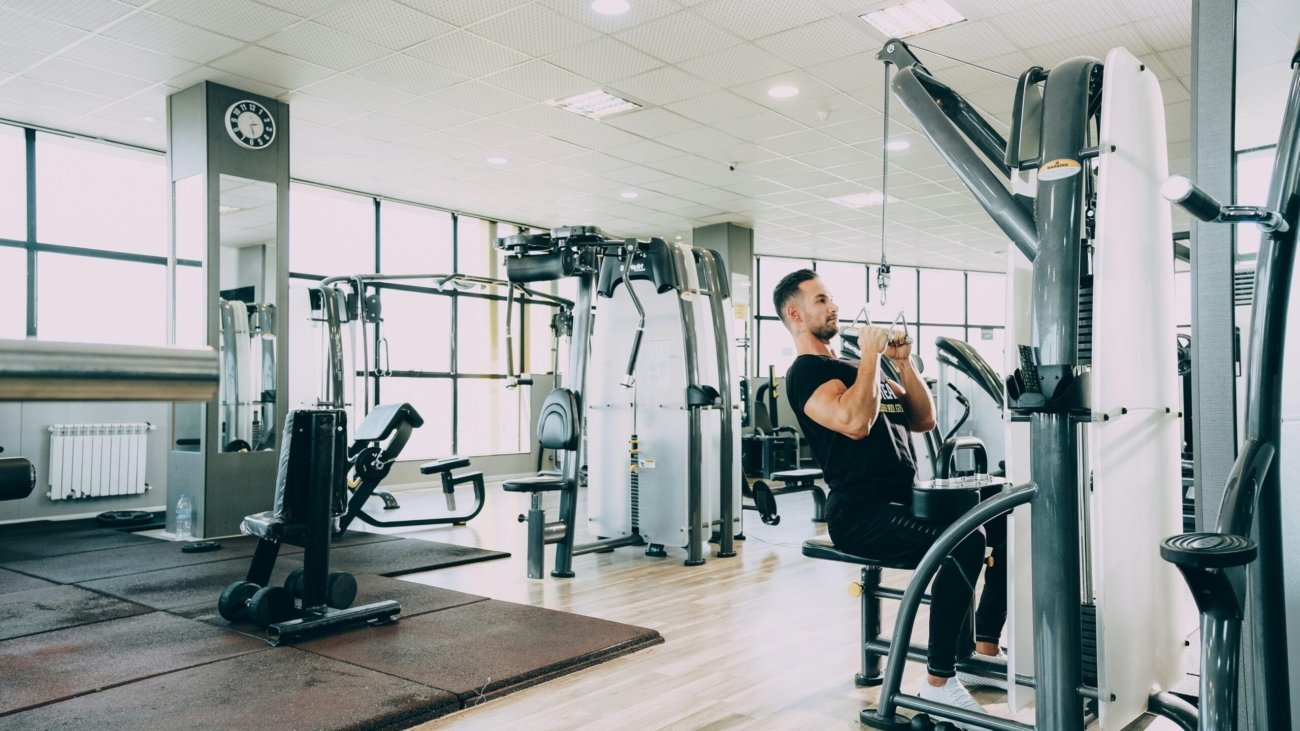
a man sitting on a bench in a gym

The Art of Unconventional Workouts: Fitness Routines Inspired by Historical Warriors, Circus Performers, and Ancient Farming Techniques

Introduction to Unconventional Workouts

In recent years, the landscape of fitness has evolved, with a growing interest in unconventional workouts. These creative routines draw inspiration from a diverse range of historical practices, including those employed by warriors, circus performers, and ancient farmers. Unlike traditional gym workouts that often rely on standardized machines and exercises, unconventional workouts embrace a more holistic approach to fitness, focusing on functional strength, flexibility, and overall vitality.

The significance of exploring these non-traditional methods cannot be overstated. Unconventional workouts provide unique benefits that go beyond physical training. For instance, they often incorporate varied movement patterns and equipment, which can enhance full-body strength and improve flexibility. Engaging multiple muscle groups simultaneously aids in developing a balanced physique, an aspect often overlooked in traditional fitness regimens. Such exercises can stimulate the core and improve coordination, fostering a healthier and well-rounded body.

Additionally, unconventional workouts introduce a mental engagement aspect that traditional routines may lack. By integrating elements of play, challenge, and creativity, participants are more likely to stay motivated and dedicated to their fitness journey. This approach not only alleviates monotony but also fosters a sense of adventure, encouraging individuals to explore different forms of movement and self-expression. Whether it involves mimicking ancient battle techniques, performing acrobatics inspired by circus acts, or utilizing tools that farmers once relied on, these workouts bring an element of novelty that appeals to various fitness enthusiasts.

Moreover, incorporating unconventional workouts can foster a sense of community, as individuals often come together to share experiences and learn from one another. By stepping outside traditional methodologies, people may discover newfound interests that lead to lasting fitness habits and a deeper understanding of their physical capabilities. As we delve deeper into the specifics of unconventional workout techniques inspired by history and culture, readers will gain insight into how these unique practices can transform their approach to fitness.

Lessons from Historical Warriors

The training methodologies of historical warriors have long intrigued fitness enthusiasts seeking unconventional workout routines. Groups such as Spartans, Samurai, and Native American warriors employed rigorous training regimens that combined physical conditioning, weapon proficiency, and agility exercises, often tailored to their specific combat needs. By examining these ancient practices, modern fitness enthusiasts can draw valuable lessons relevant to today’s workout environment.

Spartans are renowned for their intense physical prowess, which stemmed from a demanding training program known as the “agoge.” This system emphasized activities aimed at building strength, endurance, and flexibility, all of which can be seamlessly integrated into contemporary fitness routines. Exercises such as bodyweight squats, lunges, and sprinting can mirror the Spartan regimen, promoting overall fitness reminiscent of their martial upbringing.

Similarly, the Samurai exemplified discipline and skill through their training in various martial arts, with a strong emphasis on swordsmanship. The incorporation of traditional martial arts techniques, forms, and agility drills into modern fitness not only enhances physical strength but nurtures mental resilience and focus. Practicing forms from disciplines such as Kendo or Kenjutsu offers both physical workout and a mental challenge, replicating the level of intensity experienced by these warriors.

Moreover, Native American warriors integrated elements of their environment into their training, employing techniques that enhanced agility and strength. They often engaged in activities such as running long distances and navigating difficult terrains, accentuating the importance of functional training. Modern workouts can benefit from such principles by including interval training and obstacle courses, reflecting the adaptive, tireless spirit of these ancient fighters.

In conclusion, historical warriors provide rich inspiration for today’s fitness routines. By adapting their training methodologies, individuals can embrace a comprehensive approach to fitness that enhances strength, endurance, and mental discipline. These lessons from the past can significantly enrich contemporary training programs, promoting not just physical fitness but also resilience and focus.

Harnessing the Strength of Circus Performers

Circus performers, renowned for their extraordinary physical abilities, showcase a unique approach to fitness that draws upon a remarkable blend of strength, flexibility, balance, and coordination. These attributes are essential for roles such as acrobats, aerialists, and contortionists, who often perform complex maneuvers that require rigorous training and a deep understanding of their bodies. The impressive feats of these artists not only entertain but also serve as a source of inspiration for developing unconventional workout routines.

The athleticism displayed by circus performers highlights the importance of core strength, as it serves as the foundation for many acrobatic skills. Exercises such as handstands, aerial silks, and trapeze work engage the core muscles while simultaneously developing upper body strength. Additionally, the emphasis on balance and coordination is vital in a performer’s routine, allowing them to maintain control during intricate acts. Integrating these circus elements into a workout can enhance one’s physical capabilities, making fitness both engaging and effective.

Flexibility plays a pivotal role in the art of circus performance, particularly for contortionists who require extensive range of motion. Consequently, incorporating flexibility training into a fitness regimen can yield significant benefits. Stretching techniques inspired by these performers can improve overall mobility and reduce the risk of injury. Moreover, aerial arts training provides an exciting way to build stamina, as it challenges the body to work against gravity, fostering muscular endurance and cardiovascular health.

Incorporating circus-inspired exercises into a workout routine not only promotes physical strength and flexibility but also serves as a creative outlet. Engaging with these dynamic movements helps break the monotony of traditional exercise, making fitness enjoyable. By embracing the principles employed by these extraordinary athletes, individuals can develop a distinct and challenging workout that harnesses the strength of circus performers while improving overall fitness levels.

Agricultural Workout Techniques: The Legacy of Ancient Farming

Ancient farming practices were not only crucial for food production but also served as an excellent foundation for physical fitness. The labor-intensive nature of agricultural work involved various tasks, each contributing to strength, endurance, and overall physical health. For instance, plowing fields required significant core stability and upper body strength, akin to modern-day functional training exercises. Farmers would perform repetitive motions like tilling, planting, and harvesting, which demanded a combination of strength and stamina over extended periods.

Lifting heavy loads was another integral part of ancient agriculture. Farmers routinely hoisted sacks of grain, bales of hay, and tools, engaging multiple muscle groups in the process. This multi-dimensional activity not only built muscle but also enhanced functional strength essential for daily tasks. Today, incorporating movements like deadlifts and farmer’s carries can evoke this traditional physicality, allowing modern fitness enthusiasts to connect with the legacy of their ancestors while reaping similar benefits.

Moreover, manual labor extended to activities such as digging and wheelbarrowing soil or crops, which engaged the legs, arms, and core. These exercises align well with contemporary high-intensity interval training (HIIT) methods, promoting a blend of cardiovascular fitness and muscular endurance. To facilitate the integration of such movements into current workout routines, one might consider adopting a circuit that mimics farming tasks. For example, combining burpees with kettlebell swings creates a dynamic workout that pays homage to ancient endurance-building techniques.

In summation, ancient farming practices offer invaluable insights into effective strength and endurance training. By revisiting these techniques and integrating them into modern workouts, individuals can honor the physical legacy of those who came before them while simultaneously improving their fitness levels. Embracing such unconventional workout methods enables a holistic approach to fitness that is rooted in history yet relevant today.

Combining Elements: Creating a Balanced Unconventional Routine

To design a balanced unconventional workout routine, integrating elements from the diverse domains of warrior training, circus arts, and ancient agricultural techniques is essential. Each of these disciplines offers unique methods that can be synthesized into a cohesive plan. An effective routine should encompass a variety of fitness components, including cardiovascular endurance, strength training, flexibility, and recovery, ensuring a comprehensive approach to fitness.

One potential routine could be structured around three key phases: the warrior-inspired cardio, strength training akin to circus performers, and flexibility exercises rooted in agricultural practices. For the cardiovascular component, consider incorporating high-intensity intervals reminiscent of a warrior’s training regimen. Movements such as sprinting, shadow boxing, or battle rope exercises can increase heart rate while emulating the rigorous training warriors underwent for stamina and speed.

Following the cardio phase, the strength training segment could draw inspiration from the feats of circus performers. Incorporating bodyweight exercises like handstands, aerial silks, or ring dips not only builds functional strength but also enhances core stability and balance. These activities will engage multiple muscle groups, fostering an all-rounded fitness profile.

To complete the routine, flexibility should be emphasized through dynamic stretches and mobility work inspired by traditional farming techniques, such as deep squats and wide lunges. These movements reflect the physical demands of agriculture, helping to improve range of motion and prevent injuries, while also adding a restorative aspect to the regimen. 

To maintain engagement, consider rotating specific exercises weekly or incorporating new challenges, such as obstacle courses or external environments like parks. This variety will help prevent mental fatigue and enhance the enjoyment of the fitness journey. By systematically combining these elements into a balanced workout plan, individuals can benefit from a holistic approach to fitness that is both effective and stimulating.

Mindfulness and Mental Strength in Workouts

Engaging in unconventional workouts can significantly enhance mindfulness and mental strength, encouraging individuals to explore new physical challenges. Unlike standard fitness routines, these unique exercise methods often require heightened focus and concentration, which fosters an improved mind-body connection. When individuals immerse themselves in historical warrior methods, circus arts, or ancient farming techniques, they not only develop physical skills but also sharpen their mental acuity. This dual focus on body and mind cultivates a state of mindfulness, which can be transformative during workouts.

The creativity involved in these unconventional regimes promotes emotional resilience. Each workout becomes a journey of self-discovery, allowing practitioners to push their mental boundaries. This exploration of unfamiliar movements can lead to unexpected breakthroughs in both physical and mental performance. As individuals confront new challenges, they naturally enhance their problem-solving skills and adaptability. Experiencing growth through these workouts not only alleviates stress but fosters a positive mental attitude that can be carried into various aspects of life.

Additionally, venturing into unorthodox exercises can act as an effective stress relief mechanism. The novelty of these workouts often shifts the focus from everyday pressures to the act of engaging in creative movement. This shift can serve as an escape, allowing participants to experience flow—the state where they become fully immersed in the activity at hand. This state is not only satisfying but also beneficial for mental health, as it can reduce anxiety and promote overall well-being.

In summary, the incorporation of mindfulness into unconventional workouts helps cultivate enhanced focus, emotional resilience, and improved mental health. By embracing these unconventional routines, individuals can foster a deeper connection between their mind and body, enriching their fitness journey and overall quality of life.

Safety Considerations When Practicing Unconventional Workouts

Engaging in unconventional workouts, such as those inspired by historical warriors, circus performers, or ancient farming techniques, can provide a unique and enriching fitness experience. However, these workouts can also pose certain risks if not approached with caution. Prioritizing safety is essential to reap the benefits of these activities while minimizing the risk of injury.

One of the fundamental aspects of safety in any workout regime is maintaining proper form. Each exercise, be it a dynamic movement reminiscent of warrior training or a balance-demanding circus act, requires that practitioners execute them with precision. Proper form not only optimizes performance but also significantly reduces the likelihood of strain or injury. Therefore, it is advisable to invest time in familiarizing oneself with the correct techniques before diving into challenging routines.

Adequate warm-ups and cool-downs are equally critical components of a safe workout. Engaging in a comprehensive warm-up prepares the muscles and joints for more strenuous activities, thus improving flexibility and preventing tears or strains. Similarly, a cool-down period is essential to gradually lower the heart rate and assist in muscle recovery. This prevention strategy particularly applies to unconventional workouts, which often involve movements that differ significantly from conventional training methods.

Equally important is the practice of listening to one’s body. With unconventional workouts pushing the boundaries of traditional exercise, practitioners should remain attuned to any signs of discomfort or fatigue. Being aware of personal limits helps prevent overexertion and injuries. Those unsure about their ability to perform a particular exercise or routine should seek guidance from certified fitness professionals. These experts can provide tailored advice to ensure that participants safely explore and enjoy the unconventional workout landscape.

Community and Culture: Joining Groups With Similar Interests

Engaging with communities centered on unconventional workouts provides numerous benefits, enhancing not only individual fitness journeys but also fostering a sense of belonging and support. These groups can be found both online and locally, connecting individuals who share a passion for unique fitness routines inspired by historical warriors, circus performers, and ancient farming techniques. By joining such a community, individuals can find like-minded enthusiasts, creating an environment that motivates and encourages exploration of diverse physical activities.

Participating in a group offers a sense of accountability, which can significantly improve motivation levels. When surrounded by individuals who are equally committed to unconventional workouts, participants are more likely to stay dedicated to their fitness goals. This collective spirit often leads to mutual support, where members can share tips, foster healthy competition, and celebrate each other’s progress. This camaraderie not only reinforces personal determination but also provides opportunities for social interaction, which can enhance the overall experience of engaging in fitness.

Furthermore, being part of a community can inspire creativity in one’s fitness regimen. Exposure to different perspectives and workout styles can encourage individuals to explore new exercises and techniques that they may not have considered practicing independently. Whether it’s joining an obstacle race, enrolling in circus classes, or taking part in historical reenactments, these experiences can expand one’s fitness repertoire, making workouts more enjoyable and diverse.

Ultimately, the culture surrounding unconventional workouts is enriched by community involvement. Individuals celebrating their unique fitness passions can inspire one another and cultivate an atmosphere that encourages individuals to push boundaries in their physical endeavors. Thus, the journey towards achieving well-rounded fitness is not merely an isolated experience but a collaborative one that enhances personal growth and enjoyment.

Conclusion: Embracing the Journey of Unconventional Workouts

In recent years, there has been an increasing recognition of the dynamic benefits associated with unconventional workouts. Fitness routines inspired by historical warriors, circus performers, and ancient farming techniques offer an innovative approach to physical training that can rejuvenate and enhance one’s overall fitness experience. By stepping beyond traditional methodologies, individuals can tap into the diverse advantages these unconventional practices provide.

Throughout this exploration, we have seen how such workouts not only promote physical strength, endurance, and agility but also foster creativity and enjoyment in the fitness journey. Engaging in activities like warrior training can instill a sense of discipline and mental fortitude, paralleling the rigorous work of historical combatants. Similarly, circus arts encourage users to challenge their bodies and minds, combining agility and creativity in ways that traditional fitness regimes often overlook.

Moreover, integrating ancient farming techniques into workouts reconnects individuals with fundamental human movements and nurtures functional strength. These methods can invigorate one’s approach to fitness, as they illustrate the direct relationship between physical activity and everyday life experiences. This form of training can lead to improved overall health, mental clarity, and a fresh perspective on fitness goals.

Therefore, it is essential for readers to embrace the journey of unconventional workouts wholeheartedly. As you challenge yourself to try something new, whether it be acrobatics or traditional warrior techniques, remember that every step outside your comfort zone contributes to personal growth. The myriad benefits of diverse fitness practices await those willing to unlock them. Explore, experiment, and elevate your fitness journey with these unique insights drawn from history and culture.

woman holding brown ropes

The Science of Small Gains: Mastering Micro Workouts for Busy Lives

Introduction to Micro Workouts

In today’s fast-paced world, many individuals often struggle to incorporate regular physical activity into their busy schedules. As work demands and personal responsibilities accumulate, finding time for traditional workout sessions can become increasingly challenging. This is where the concept of micro workouts emerges as a viable solution. Micro workouts are short, high-intensity bursts of physical activity that can be completed in as little as five to ten minutes. This approach allows individuals to engage in exercise without requiring a significant time commitment.

The essence of micro workouts lies in their ability to integrate seamlessly into daily routines. Whether it’s a set of bodyweight exercises during a lunch break, quick interval training at home, or even a brisk walk between meetings, these small bursts of activity can contribute positively to overall health and fitness. They empower busy individuals to make small gains towards their fitness goals, creating a ripple effect of motivation and success. By encouraging brief but effective physical exertion, micro workouts can help combat the sedentary lifestyle that many face today.

Research indicates that even short durations of exercise can yield substantial benefits. These can range from improved cardiovascular health and enhanced mood to better cognitive function and increased energy levels. Importantly, micro workouts promote not only physical activity but also an achievable form of fitness that aligns with the realities of modern life. The adaptability of these mini sessions makes them a compelling choice for those seeking to prioritize their health amidst a myriad of daily commitments.

As we delve deeper into the advantages and strategies of micro workouts throughout this blog post, it becomes clear that this approach may be the key to unlocking a healthier lifestyle, one small gain at a time.

The Science Behind Small Gains

The concept of micro workouts is increasingly supported by research that emphasizes the importance of small, consistent efforts in achieving substantial health benefits. A pivotal principle behind this phenomenon is the law of diminishing returns, which suggests that the benefits gained from additional exercise decrease after a certain point. This means that shorter and more focused workouts can be just as effective as longer sessions, particularly for individuals with limited time. Micro workouts capitalize on this principle, allowing busy individuals to integrate exercise into their daily routines without the need for significant time commitments.

Neuroplasticity, the brain’s ability to reorganize itself by forming new neural connections throughout life, also plays a critical role in understanding the effectiveness of micro workouts. Engaging in short bursts of activity not only enhances physical fitness but also contributes to cognitive improvements by stimulating brain function. Research indicates that regular exercise promotes cognitive health, which can be particularly beneficial in high-stress environments. Consequently, micro workouts serve as a practical solution for enhancing both mental and physical well-being, especially for those balancing demanding schedules.

Furthermore, the cumulative effect of small, consistent exercise efforts cannot be overstated. Over time, these small gains build upon one another to create significant improvements. This approach resonates with the principle of progressive overload, whereby gradual increments in activity foster adaptation and enhanced performance. Micro workouts allow individuals to progressively challenge themselves, leading to continual development without overwhelming strain. As studies suggest, this method of exercise not only maintains motivation but also ensures sustainability in fitness regimes.

In essence, the science behind small gains illustrates that integrating micro workouts into daily life is not merely a trend, but a scientifically validated approach that fosters long-term health benefits. Through understanding the psychological and physiological principles involved, individuals can leverage these small efforts to achieve substantial outcomes in their journey toward improved well-being.

Designing Effective Micro Workouts

Creating micro workouts that are both efficient and effective requires a thoughtful approach to several key elements: duration, intensity, and exercise selection. These small bursts of activity can fit seamlessly into even the busiest schedules, enabling individuals to harness the benefits of physical fitness without dedicating extensive time to exercise.

The duration of a micro workout is crucial; ideally, these sessions should last anywhere from 5 to 15 minutes. This compact format not only enhances accessibility for busy individuals but also helps maintain motivation levels. Moreover, short sessions can be integrated into various parts of one’s day, be it during a lunch break, while waiting for a meeting to start, or in the morning to kickstart one’s day. The key is to ensure that these workouts are not perceived as burdensome but rather as a manageable addition to one’s routine.

Intensity plays a significant role in maximizing the effectiveness of micro workouts. A higher intensity can yield substantial benefits in a shorter time frame, provided individuals assess their personal fitness levels. High-Intensity Interval Training (HIIT) is particularly well-suited to this format, allowing for a combination of short bursts of intense activity followed by brief recovery periods. This approach can elevate heart rates and promote fat burning, ensuring a productive workout within limited time slots.

In terms of exercise selection, prioritizing compound movements that engage multiple muscle groups is advisable. Exercises such as squats, push-ups, and burpees utilize the body efficiently and provide a robust workout experience in a shorter timeframe. Additionally, incorporating bodyweight exercises requires no special equipment, making them ideal for at-home workouts or during travel.

Ultimately, the design of effective micro workouts hinges on personal preference and lifestyle. By considering duration, intensity, and exercise variety, individuals can create tailored sessions that enhance their physical fitness and fit smoothly into their busy lives.

Incorporating Micro Workouts into Your Daily Life

In today’s fast-paced world, finding time to maintain physical fitness can be a challenge, particularly for individuals with demanding schedules. However, integrating micro workouts into your daily routine can be an effective solution for achieving fitness goals without a major time commitment. These brief, high-intensity exercises can be seamlessly incorporated throughout your day, offering an accessible pathway to enhance overall wellness.

One of the simplest ways to introduce micro workouts is during work breaks. Instead of scrolling through your phone or sitting idle during a five-minute break, consider engaging in a quick series of bodyweight exercises like squats, lunges, or push-ups. Such routines can elevate your heart rate, boost energy levels, and improve focus upon returning to tasks. Even a brisk walk around the office or climbing stairs can serve as cherished mini workouts that contribute to daily activity goals.

Another opportunity lies in moments of waiting, such as during appointments or commuting. While waiting for your coffee to brew, you could perform simple stretches or calf raises. While commuting via public transport, engaging your core through seated exercises can also maximize utilization of otherwise inactive periods. Additionally, at home, transforming mundane activities into micro workouts can prove beneficial. For instance, doing squats while brushing your teeth or wall sits while watching television can pave the way for a more active lifestyle.

By identifying brief openings in your day, you can create a consistent micro workout routine that aligns seamlessly with your busy life. The key is to remain adaptable and take advantage of those moments traditionally spent at rest. Ultimately, these incremental gains can contribute significantly to overall fitness, establishing a sustainable approach to health and well-being.

Benefits of Micro Workouts

In today’s fast-paced world, many individuals struggle to find time for traditional extended workout sessions. Micro workouts, defined as short bursts of intense exercise lasting anywhere from 1 to 15 minutes, present a practical solution for those with busy lifestyles. This fitness approach is associated with several notable benefits that cater to both physical and mental health needs.

Firstly, micro workouts contribute significantly to improved heart health. Engaging in short but intensive physical activity elevates the heart rate, fostering cardiovascular endurance and resilience without the time commitment often required for longer sessions. Consistency in these mini-exercises leads to enhanced heart function and reduced risks of heart-related diseases.

In addition to cardiovascular advantages, micro workouts stimulate an increase in metabolism. When performed regularly, these high-intensity segments activate the body’s metabolic processes, which can enhance calorie burning even during periods of rest. This benefit is particularly advantageous for those looking to manage their weight or improve body composition while adhering to a busy schedule.

Moreover, micro workouts are linked to enhanced mood and mental clarity. The release of endorphins during short exercise sessions helps alleviate stress and anxiety, promoting a positive emotional state. Subsequently, individuals often observe improvements in focus and cognitive functions, which can be beneficial both at work and in daily activities.

Lastly, micro workouts aid in achieving greater overall fitness levels. This approach allows individuals to tailor their exercise according to personal preferences and specific goals while accommodating the demands of their daily lives. By integrating more frequent bouts of physical activity into their routines, individuals can develop strength, flexibility, and endurance over time. For anyone navigating a busy lifestyle, these small gains can lead to significant health benefits that encourage a regular engagement in fitness.

Success Stories: Real-Life Transformations

Micro workouts have gained traction as an effective approach to fitness, particularly for those navigating busy lives. Numerous individuals have embraced this concept, leading to remarkable transformations that illustrate the potential of integrating short bursts of physical activity into daily routines.

One noteworthy example is Sarah, a full-time nurse and mother of three. Struggling with time constraints, she often felt overwhelmed by traditional workout regimens. By incorporating micro workouts—ranging from ten-minute high-intensity interval training (HIIT) sessions to quick yoga flows—Sarah was able to fit exercise seamlessly into her day. Despite initial challenges with consistency, her determination led to significant weight loss and improved energy levels. Her story exemplifies how micro workouts can be tailored to fit even the most demanding schedules.

Similarly, John, a corporate executive with a sedentary job, found himself facing health complications due to a lack of physical activity. Realizing the need for change, he adopted micro workouts that included short walks during lunch breaks and quick strength-training exercises in the morning. John reported not only enhanced physical health but also increased productivity and mental clarity. His journey showcases how even minimal increments of exercise can yield substantial benefits, fostering a sense of accomplishment that motivates one to stay active.

These experiences are just a glimpse into the myriad transformations inspired by micro workouts. Individuals from diverse backgrounds and fitness levels have found success by prioritizing their health in manageable ways. By focusing on short, efficient workouts, they overcame initial obstacles, paving the way for healthier lifestyles. Their stories serve as a testament to the power of micro workouts—an accessible and adaptable solution for anyone looking to improve their well-being without the need for extensive time commitments.

Common Misconceptions About Micro Workouts

Micro workouts have gained significant traction among fitness enthusiasts and busy individuals. However, several misconceptions surrounding these short-duration exercises tend to undermine their legitimacy. One prevalent myth is that longer workouts are inherently more beneficial. Many assume that intensity and duration directly correlate with fitness gains, leading them to dismiss the effectiveness of micro workouts. Yet, research indicates that even brief bouts of exercise can improve cardiovascular health, increase strength, and enhance overall well-being. Studies have shown that short, high-intensity workouts can yield significant health benefits comparable to those of longer sessions.

Another common misconception is that small gains are not worth pursuing. Some people believe that if a workout does not result in substantial weight loss or muscle gain, it is ineffective. This line of thinking overlooks the cumulative effect of regular micro workouts. Engaging in these brief sessions consistently can lead to notable improvements over time. Each micro workout contributes to a positive feedback loop, enhancing fitness levels and encouraging healthier lifestyle choices. Consequently, these small yet consistent efforts can lead to significant transformations in physical health.

Additionally, there is a prevailing belief that micro workouts are unsuitable for fat loss or building muscle. Contrary to this notion, scientific studies have demonstrated that short, intense workouts can effectively promote fat loss and muscle retention. When paired with a proper nutritional strategy, micro workouts can significantly contribute to achieving fitness goals without the need for lengthy training sessions. By debunking these misconceptions and embracing the concept of micro workouts, individuals can redefine their approach to fitness, allowing them to integrate effective exercise routines into their busy schedules.

Tools and Resources for Micro Workouts

Incorporating micro workouts into a busy schedule can be significantly enhanced with the right tools and resources. Various mobile applications, fitness trackers, and home equipment options aid individuals in optimizing their micro workouts. Utilizing technology can assist both beginners and seasoned fitness enthusiasts in crafting effective workout routines that fit into any lifestyle.

Several mobile applications are designed specifically for short-duration, high-intensity workouts. Apps like “Seven” and “Interval Timer” offer customized programs and timers to ensure users maximize their workout time efficiently. These platforms often include a collection of exercises that can be performed in under ten minutes, making them ideal for individuals who may only have short breaks throughout their day.

Online websites such as “Fitness Blender” and “Bodyweight Exercises” present users with a wealth of workout plans that are perfect for micro workouts. They provide instructional videos, ranging from bodyweight exercises to strength training, which can easily be integrated into an individual’s daily routine. Many of these resources also allow users to filter workouts based on time commitment, ensuring that even the busiest individuals can find suitable options.

Fitness trackers, such as Fitbit or Apple Watch, can also play a crucial role in enhancing micro workouts. These devices not only monitor heart rate and calories burned but also allow users to set reminders for short bursts of activity throughout the day. Gamifying these workouts through step counts or activity recognition encourages users to stay active even in short intervals.

Lastly, basic home equipment such as resistance bands, dumbbells, or kettlebells can add variety and intensity to micro workouts. Investing in a few essential pieces of fitness gear prepares users to engage in effective strength and conditioning exercises within the comfort of their homes. This range of tools and resources ensures that embracing micro workouts is both accessible and practical for individuals leading busy lives.

Conclusion and Call to Action

In today’s fast-paced world, the importance of integrating micro workouts into our daily routines cannot be overstated. The science of small gains emphasizes that consistent, manageable efforts can lead to significant improvements in overall fitness and well-being. As discussed in this blog post, even the most hectic schedules can accommodate short bursts of exercise that contribute to long-term health goals.

Utilizing micro workouts allows individuals to break down their fitness journey into bite-sized, achievable segments, thereby enhancing motivation and compliance. These short sessions, whether they include strength training, cardiovascular activities, or flexibility exercises, can fit seamlessly into a busy lifestyle. What’s essential is the commitment to regularity over intensity, reinforcing the idea that every small effort counts.

Moreover, fostering a sustainable approach to fitness is crucial in achieving lasting results. Transitioning from traditional, lengthy workout sessions to engaging in micro workouts empowers individuals to take charge of their health without the overwhelming pressure of time constraints. This progressive change not only cultivates healthier habits but also instills a sense of accomplishment and boosts confidence.

As you embark on or continue your fitness journey, remember to start small. The transformation that arises from small, consistent actions can accumulate over time, leading to substantial benefits. We encourage you to share your experiences with micro workouts and the positive changes you notice in your life. Engaging in discussions with friends, family, or on social platforms can not only inspire others but create a supportive community focused on health and fitness.

By embracing the science of small gains and recognizing the power of micro workouts, you are taking a meaningful step toward a healthier lifestyle. Begin today and witness the remarkable impact of your efforts!

woman in black tank top and black pants exercising

Breaking the Stress Cycle: The Role of Fitness in Mental Health

Introduction to Fitness and Mental Health

The relationship between physical fitness and mental health has garnered significant attention in recent years, as more individuals become aware of the inherent connection between the two. In a world characterized by relentless demands and increasing stress levels, the importance of mental well-being cannot be overstated. This context makes exploring how regular exercise acts as a pivotal tool for managing stress and enhancing mental health especially timely.

Fitness activities, ranging from aerobic exercises to strength training, have been shown to produce a myriad of psychological benefits. Engaging in physical activity releases endorphins, often referred to as the body’s natural feel-good hormones. These endorphins play a crucial role in reducing feelings of anxiety and depression. Moreover, routine exercise can lead to improved self-esteem and cognitive function, thereby fostering a more resilient mental state.

Stress is a prevalent issue in modern life, impacting individuals across various demographics. From workplace pressures to personal obligations, individuals frequently encounter situations that can lead to heightened stress levels. Many people may find themselves looking for effective strategies to combat these feelings. Incorporating fitness into one’s daily routine can serve as a viable solution, as it provides a constructive outlet for stress relief. Beyond the physical advantages, the social interactions found in group workouts or fitness communities can further bolster mental health by providing support and a sense of belonging.

Addressing mental health through physical activity signifies a proactive approach to well-being. In the subsequent sections, we will delve deeper into the specific ways in which exercise contributes to improved mental health outcomes, highlighting its role as a critical component in breaking the stress cycle. By understanding this relationship, individuals can empower themselves to embrace fitness as a fundamental aspect of their overall health strategy.

Understanding Stress and Its Effects

Stress is a natural response of the human body to perceived challenges or threats. It triggers a cascade of biological reactions that prepare an individual to face adverse situations, commonly referred to as the “fight or flight” response. While acute stress can be beneficial in motivating individuals to meet deadlines or escape danger, chronic stress can have detrimental effects on both the body and mind. In modern society, the prevalence of chronic stress is concerning, as it is often linked to various health issues.

From a biological perspective, prolonged stress leads to the continuous release of stress hormones, particularly cortisol and adrenaline. Elevated levels of these hormones can disrupt various bodily functions, affecting the cardiovascular, immune, and digestive systems. Chronic stress has been associated with an increased risk of hypertension, heart disease, and other serious health conditions. These physiological impacts can create a cycle where stress leads to physical ailments, further exacerbating an individual’s mental strain.

Psychologically, persistent stress can contribute to the development of mental health disorders, including anxiety and depression. When individuals are subjected to ongoing stressors, they may experience a sense of helplessness or overwhelm, which can hinder their ability to cope. This, in turn, reinforces negative thought patterns, leading to a further decline in mental well-being. The interplay between stress and mental health creates a cyclical dynamic, making it essential to address both aspects simultaneously.

Understanding the nature of stress and its effects on the body and mind is crucial for recognizing its implications for one’s overall health. By identifying stressors and adopting effective coping strategies, individuals can break the cycle of stress and its harmful consequences, paving the way for improved mental health and well-being.

How Exercise Impacts Mental Health

Regular physical activity plays a vital role in enhancing mental health by triggering a multitude of physiological processes within the body. One of the most well-known effects of exercise is the release of endorphins, often referred to as “feel-good” hormones. These neurotransmitters are crucial in promoting an elevated mood and alleviating feelings of pain and discomfort. When individuals engage in exercise, their body responds by increasing the production of these endorphins, contributing significantly to an improved emotional state.

In addition to endorphins, exercising also stimulates the release of other neurotransmitters, such as serotonin and dopamine. Serotonin is critical for regulating mood, emotions, and overall mental well-being. Increased levels of serotonin, resulting from physical activity, can lead to decreased symptoms of depression and anxiety. Similarly, dopamine, which influences motivation and pleasure, becomes more available in the brain following regular exercise. This further reinforces the link between fitness and mental health.

The physiological changes triggered by exercise extend beyond neurotransmitter release. For instance, physical activity promotes better sleep patterns, allowing individuals to rest more effectively, which in turn benefits mental health. Quality sleep is essential for cognitive function and emotional regulation. Furthermore, engaging in regular workouts can reduce levels of the stress hormone cortisol, which is commonly associated with increased anxiety levels and mental fatigue.

Collectively, these factors demonstrate how exercise serves as a powerful tool in improving mental well-being. The integration of consistent physical activity into one’s lifestyle, therefore, offers substantial benefits not only for physical fitness but also for cultivating a healthier state of mind. By understanding these mechanisms, individuals can harness the power of exercise as an effective strategy in breaking the stress cycle and fostering mental resilience.

Types of Fitness Activities Beneficial for Mental Health

Engaging in various fitness activities can significantly enhance mental well-being, providing a multifaceted approach to stress management. Among these activities, aerobic exercises, strength training, yoga, and mindfulness-based practices have shown remarkable efficacy in mitigating symptoms of stress and anxiety.

Aerobic exercises, often including running, cycling, or swimming, are known to boost heart rate and improve cardiovascular health. The release of endorphins during these activities can create a sense of euphoria, often referred to as the “runner’s high.” Research indicates that regular engagement in aerobic activities is linked to lower levels of anxiety and depression. A systematic review published in the Journal of Clinical Psychiatry found that individuals participating in aerobic exercises reported significant reductions in anxiety symptoms.

Strength training, which encompasses weightlifting and resistance exercises, also provides mental health benefits. Studies have demonstrated that strength training can enhance mood and self-esteem while reducing feelings of stress. Furthermore, a study in the American Journal of Psychiatry found that individuals engaging in strength training exhibited lower risks of depressive symptoms compared to those who did not participate in such exercises.

Yoga combines physical postures with breathing techniques to promote relaxation and mindfulness. This practice has been shown to decrease cortisol levels, the hormone associated with stress. A meta-analysis in the Journal of Alternative and Complementary Medicine highlighted a strong correlation between regular yoga practice and improved mental health outcomes, including reduced anxiety and better quality of life.

Lastly, mindfulness-based practices, such as meditation and tai chi, focus on present moment awareness and self-compassion. Research supports the effectiveness of these practices in reducing stress, enhancing mindfulness, and improving overall emotional well-being. According to a study published in Psychological Science, mindfulness interventions significantly lowered anxiety and increased participants’ overall satisfaction with life.

In conclusion, incorporating various fitness activities into one’s routine offers diverse mental health benefits. By exploring options like aerobic exercises, strength training, yoga, and mindfulness practices, individuals can take proactive steps towards breaking the stress cycle and enhancing their mental well-being.

The Importance of Regular Exercise for Mental Health

Regular exercise plays a critical role in improving mental health, particularly through the establishment of a consistent fitness routine. By integrating physical activity into daily life, individuals can cultivate resilience against stress and enhance their overall psychological well-being. The connection between consistency in exercise and mental health gains is well-documented, with numerous studies indicating that individuals who engage in regular physical activities experience reduced levels of anxiety and depression.

Establishing a structured fitness routine is not merely about physical improvement; it also equips individuals with effective tools to navigate life’s challenges. When exercise becomes a habitual part of one’s day, it fosters a sense of achievement and stability. The release of endorphins during physical activity contributes to feelings of happiness and decreased perception of pain and stress. This physiological response is particularly beneficial in mitigating anxiety symptoms, leading to improved emotional regulation and resilience over time.

Moreover, the social aspect of exercise routines can serve as an added benefit. Group workouts or fitness classes can create a supportive community that encourages individuals to maintain their exercise habits. The shared experience of pursuing health and fitness goals fosters connections among peers, further enhancing emotional support and reducing feelings of isolation that contribute to mental health issues.

Ultimately, the cumulative effects of consistency in exercise manifest in more than just physical improvements; they enhance mental clarity, boost mood, and promote a greater sense of control over one’s life. By committing to a regular fitness schedule, individuals not only improve their physical health but also arm themselves with vital coping mechanisms for better mental resilience. Establishing these habits is an invaluable step toward cultivating long-term mental wellness.

Building a Fitness Plan: Steps to Get Started

Integrating fitness into a mental health strategy can be a transformative process, but creating a personalized fitness plan is essential to ensure sustainability and effectiveness. To embark on this journey, it’s important to start with a clear understanding of your current fitness level. Begin by assessing your typical activity level and any physical limitations you may have. This self-evaluation helps identify achievable goals that suit your individual capabilities.

Next, consider your preferences and interests. Engaging in activities that you enjoy is crucial for maintaining motivation. Whether it’s yoga, running, cycling, or group classes, choose a form of exercise that resonates with you. Such enjoyment will facilitate consistency, which is key to reaping the mental health benefits associated with regular physical activity.

Additionally, take your lifestyle into account when designing your fitness plan. Evaluate your daily schedule to identify optimal times for workouts. It is beneficial to integrate exercise into your routine in a way that feels natural and manageable. Consider starting with short sessions, gradually increasing the duration and intensity as your fitness improves. Setting achievable milestones along the way can help keep you motivated and provide a sense of accomplishment.

Moreover, it is advisable to include a variety of activities in your fitness plan. This diversity not only combats monotony but also ensures a balanced workout regime that promotes overall physical well-being. Incorporating exercises that improve strength, flexibility, and cardiovascular health can significantly enhance mental resilience.

Lastly, ensure to track your progress. Monitoring achievements can offer insights into what works best for you and inspire continued efforts. By following these steps, you can create an effective and personalized fitness plan that supports your mental health objectives and contributes to breaking the stress cycle.

Overcoming Barriers to Physical Activity

Many individuals encounter various barriers that hinder their ability to engage in physical activity. One of the most prevalent obstacles is a perceived lack of time. With busy schedules filled with professional and personal commitments, finding time for fitness may seem like an insurmountable challenge. However, it is crucial to recognize that even short bouts of activity can yield significant mental health benefits. Incorporating exercise into daily routines—such as opting for stairs instead of elevators or taking short walking breaks during the workday—can effectively counteract this barrier.

Another common hurdle is low motivation, which can be exacerbated by feelings of fatigue or stress. To combat this, setting realistic and achievable goals is essential. Break larger objectives into smaller, manageable tasks to promote a sense of accomplishment. Additionally, seeking social support can enhance motivation; exercise with friends, family, or in community groups can make activities more enjoyable and create a sense of accountability. Furthermore, finding activities that align with personal interests can ignite enthusiasm for fitness, whether it be dance classes, hiking, or team sports.

Resource availability can also restrict individuals from exercising regularly. However, leveraging local community resources such as parks, recreational centers, and free fitness programs can provide accessible options. Online platforms further expand access to fitness resources, offering classes that can be done from the comfort of home without the need for a gym membership. As individuals strive to break down these barriers, fostering a mindset that prioritizes physical well-being can lead to a more fulfilled, active lifestyle.

By recognizing and addressing these challenges, individuals can find creative solutions that suit their circumstances, thus enhancing their commitment to a regular fitness routine and promoting overall mental health.

Case Studies: Success Stories of Fitness Improving Mental Health

Numerous individuals have reported transformative experiences and significant improvements in their mental health through consistent engagement in fitness activities. These narratives serve as inspiring examples, demonstrating the profound impact that regular exercise can have on mental well-being.

One notable case is that of Sarah, a 34-year-old graphic designer who struggled with severe anxiety and depression for several years. After attending a local yoga class, she discovered that mindfulness and controlled breathing significantly eased her anxious thoughts. Over time, Sarah incorporated yoga into her daily routine, which not only provided physical benefits but also fostered a sense of calm and control. She now advocates for fitness as an essential tool in managing mental health challenges, and her story highlights the potential benefits of incorporating low-impact exercises.

Another compelling account comes from David, a 29-year-old who faced challenges with social anxiety. Initially hesitant, he started participating in a local running club as a means to exercise and connect with others. Through the support and camaraderie of his peers, David gradually built his confidence and established a sense of community that had previously eluded him. His experience underscores the role that group activities can play in alleviating feelings of isolation and promoting social interactions, ultimately benefiting one’s mental health.

Furthermore, Lisa, a 45-year-old teacher, shares her journey of tackling stress through strength training. Faced with an overwhelming workload, she began lifting weights as a form of self-care. This not only improved her physical strength but also empowered her mentally, leading to increased resilience and a more optimistic outlook on life. Lisa’s story exemplifies how engaging in regular fitness routines can cultivate a sense of achievement and bolster one’s mental fortitude.

These case studies collectively illustrate the myriad ways fitness can intertwine with mental health improvement. By embracing physical activity, individuals can experience enhanced mood, reduced anxiety, and an overall better quality of life. They stand as proof that exercise not only strengthens the body but also fortifies the mind, paving the way for a healthier, more fulfilled existence.

Conclusion

Throughout this discussion, we have explored the significant influence of fitness on mental health and its crucial role in interrupting the stress cycle. Physical activity not only benefits our physical well-being but also serves as a powerful tool in enhancing mental resilience. Engaging in regular exercise has been shown to release endorphins, often referred to as ‘feel-good’ hormones, which can elevate mood and reduce feelings of anxiety and depression. Moreover, participating in fitness routines fosters a sense of accomplishment and self-efficacy, which can significantly bolster one’s confidence and overall outlook on life.

Furthermore, the social aspect of fitness, whether through group classes, team sports, or communal activities, provides opportunities for social interaction. These connections can alleviate feelings of loneliness and provide a support network, both vital for mental well-being. It is evident that making fitness an integral part of one’s daily routine not only serves physical health but equally contributes to mental wellness. The synergy between a physically active lifestyle and mental health cannot be overstated; as one supports the other in creating a fulfilling and resilient existence.

In the modern world where stressors are ever-present, prioritizing fitness is essential. Individuals are encouraged to find activities that they enjoy, whether it be walking, running, yoga, or team sports, ensuring that incorporating physical activity feels enriching rather than burdensome. By establishing fitness as a cornerstone of mental wellness, one can not only manage stress more effectively but also enhance overall life satisfaction. Ultimately, embracing a lifestyle that prioritizes physical activity paves the way for improved mental health, promoting a more balanced and holistic approach to well-being.

man in black t-shirt and black shorts running on road during daytime

Unconventional Workouts: Fun Activities That Keep You Fit

Introduction to Unconventional Workouts

In recent years, the fitness landscape has been evolving, expanding beyond traditional exercise regimens such as running, weightlifting, and aerobics. Unconventional workouts have emerged as a vibrant alternative, offering a refreshing approach to maintaining one’s physical health. These activities, which may include everything from dance classes and parkour to trampoline jumping and hula hooping, provide individuals with a unique way to engage their bodies while enjoying a break from monotonous routines.

Unconventional workouts often emphasize playfulness and creativity, contrasting sharply with the structured nature of conventional fitness programs. The integration of fun activities into physical exercise not only fosters motivation but also diminishes the likelihood of burnout. This shift toward less rigid workout options aims to enhance overall enjoyment while promoting physical fitness and mental well-being. Participating in unconventional fitness pursuits invites individuals to explore their capabilities and encourages a sense of adventure in their workout routines.

The benefits of unconventional workouts extend beyond mere physical gains. Engaging in enjoyable activities can significantly boost one’s mood and alleviate stress. Research has shown that exercise is integral to improving mental health; thus, incorporating fun elements into a fitness regimen is likely to amplify these positive effects. Furthermore, the social aspect of many of these activities, often performed in group settings, fosters community engagement, improves social connections, and strengthens bonds among participants.

Ultimately, embracing unconventional workouts presents an exciting opportunity for anyone seeking to break away from traditional exercise monotony. By exploring these unique fitness avenues, individuals not only enhance their physical capabilities but also enrich their overall quality of life, making fitness a sustainable and enjoyable journey.

The Importance of Enjoying Your Workout

Engaging in physical activity is a vital component of maintaining overall health and fitness. However, the psychological aspects of exercising often play a crucial role in determining whether individuals stick with their fitness routines. One of the key factors influencing adherence to workouts is the element of enjoyment. When individuals find pleasure in their chosen form of exercise, they are more likely to maintain consistency, leading to improved health outcomes.

Enjoyment in workouts can directly influence motivation levels. When individuals look forward to their exercise sessions, they are more inclined to make physical activity a regular part of their lives. This positive psychological association can make the difference between viewing workouts as a chore and embracing them as a rewarding experience. For instance, those who engage in unconventional workouts—such as dance classes, outdoor sports, or group challenges—often report greater satisfaction compared to traditional gym workouts. This satisfaction not only encourages consistency but also enhances overall performance.

Furthermore, enjoyment can significantly impact exercise performance. When individuals relish their workouts, their engagement is often higher, leading to increased effort and improved results. This positive feedback loop can serve to reinforce the habit of exercising, making it a sustainable practice rather than a fleeting endeavor. Research has suggested that individuals who integrate fun activities into their fitness regimens report lower levels of perceived exertion, thereby enhancing their ability to push through challenging workouts.

Ultimately, it is essential to recognize that the psychological aspects of physical activity can vastly influence outcomes. By prioritizing enjoyment in workout routines, individuals are more likely to adhere to their fitness goals, sustain motivation, and achieve significant results over time. Thus, selecting enjoyable physical activities can substantially enhance not only the experience of exercising but also the benefits that come with a consistent fitness regimen.

Dance-Based Workouts: Letting Loose While Getting Fit

Dance-based workouts have gained immense popularity as a fun and engaging way to achieve fitness goals. These workouts, which encompass a variety of styles such as Zumba, hip-hop, and contemporary dance, provide an enjoyable cardio workout that can significantly enhance cardiovascular health. Unlike traditional exercises that might feel monotonous, dance-infused sessions allow individuals to express themselves while moving, making fitness a more enjoyable endeavor.

The benefits of participating in dance-based workouts extend beyond just physical fitness. They offer social engagement opportunities, promoting a sense of community among participants. Group classes often create an environment that fosters camaraderie and motivation, ultimately enhancing the workout experience. Whether joining a lively Zumba class or a high-energy hip-hop session, the collective spirit among dancers can uplift one’s mood and encourage consistent participation.

Cognitive improvements can also be derived from these workouts, as dance routines require memorization of steps and coordination with music. This mental engagement can sharpen focus and improve overall brain function. Furthermore, dance-based fitness programs tend to emphasize body movement, which can lead to improvements in flexibility and balance. Individuals often find themselves more coordinated after regularly attending classes, thus enhancing their overall athletic performance and reducing the risk of injury.

Moreover, the diverse range of dance styles available allows individuals to select classes that align with their personal interests and fitness levels. From the upbeat rhythms of salsa to the powerful movements of street dance, there is something for everyone. Ultimately, dance-based workouts not only contribute to physical well-being but also provide an outlet for creativity and self-expression, making fitness a truly enjoyable experience.

Outdoor Adventure Activities: Fitness in Nature

Engaging in outdoor adventure activities presents a unique opportunity to achieve fitness while enjoying the beauty of nature. Activities such as hiking, kayaking, rock climbing, and parkour not only provide an excellent workout but also promote mental well-being through their immersive experiences. These activities encourage individuals to step outside their comfort zones, fostering both physical and psychological resilience.

Hiking is one of the most accessible outdoor activities, appealing to a wide range of fitness levels. Traversing varied terrains not only builds cardiovascular endurance but also strengthens lower body muscles, including the calves, quadriceps, and hamstrings. Furthermore, the serenity of nature can significantly reduce stress levels, providing a meditative experience that enhances mental clarity.

Kayaking, another engaging outdoor pursuit, offers an excellent upper-body workout. Paddling through lakes, rivers, or oceans enhances muscular strength in the arms, shoulders, and back while boosting cardiovascular fitness. Additionally, being on the water can foster a sense of tranquility and rejuvenation, making it a perfect complement to a rigorous workout regimen.

Rock climbing is an adventurous activity that combines physical exertion with thrilling heights. Climbing requires a blend of strength, flexibility, and problem-solving skills, leading to improved muscle tone and joint stability. Moreover, the focus required during climbs improves mental concentration and encourages a sense of accomplishment upon reaching the summit.

Parkour, an urban outdoor activity, promotes agility, strength, and strategic thinking as participants navigate obstacles in their environment. This dynamic movements engage core muscles, enhance coordination, and improve overall fitness levels. The creativity involved in parkour can also foster a sense of empowerment, allowing individuals to express themselves while remaining active.

In summary, partaking in outdoor adventure activities not only contributes to physical health but also enriches mental well-being. Embracing the outdoors while engaging in activities like hiking, kayaking, rock climbing, and parkour provides a holistic approach to fitness, allowing individuals to reap the benefits of exercise while forging a deeper connection with nature.

Unconventional Group Activities: Teamwork and Fun

Engaging in unconventional group activities provides not only physical benefits but also fosters a sense of teamwork and community. Activities such as bubble soccer, ultimate frisbee, and aerial yoga offer a refreshing alternative to traditional gym workouts, encouraging participants to bond while staying active. These activities are designed to be fun and engaging, drawing people out of their comfort zones and into a social environment where camaraderie can flourish.

Bubble soccer, for instance, is a delightful twist on the classic game. Participants are encased in inflatable bubbles, which creates a unique, playful atmosphere while promoting cardiovascular fitness. The nature of bubble soccer demands teamwork, as players must coordinate strategies to score goals, adding an element of light-hearted competition that enhances social interaction.

Similarly, ultimate frisbee incorporates agility and cooperation. This high-energy sport requires players to work together to move the frisbee down the field, emphasizing communication and trust among teammates. Not only does ultimate frisbee provide a solid workout, but it also cultivates friendships through shared experiences, making it easier for participants to form lasting connections with each other.

Aerial yoga offers another unconventional approach to fitness, combining the benefits of traditional yoga with the thrill of suspension. Practicing in a group setting fosters an environment of support and encouragement, where participants can share tips and motivate each other. The communal aspect of aerial yoga creates a sense of belonging, reinforcing the idea that fitness can be a communal journey rather than a solitary endeavor.

These unconventional group activities demonstrate that fitness can be both enjoyable and social. By exploring fun options like bubble soccer, ultimate frisbee, and aerial yoga, individuals can engage in physical exercise while building lasting relationships and a sense of community.

Fitness Gaming: Leveling Up Your Workout

The rise of fitness gaming has revolutionized the way individuals approach exercise by merging physical activity with interactive entertainment. This trend encompasses a variety of platforms, including virtual reality (VR) games and mobile applications designed to encourage movement, making fitness both enjoyable and engaging. As the gaming industry continues to evolve, so too does its contribution to physical fitness, providing users with an innovative method to stay active.

Virtual reality fitness games exemplify this evolution, offering immersive experiences that transport players into dynamic environments where they can engage in workouts that feel less like exercise and more like a captivating adventure. With the ability to participate in activities such as boxing, dance, or sports simulations, players can work out at their own pace while enjoying the thrill of competition and exploration. These VR platforms often incorporate multiplayer options, fostering camaraderie among friends or family while providing a unique sense of accountability.

Moreover, interactive fitness gaming extends beyond consoles and VR headsets, with numerous mobile applications and platforms promoting physical movement. Many of these games utilize augmented reality (AR) technology to encourage users to walk, run, or participate in challenges that span real-world environments. This integration encourages social interaction, as players often compare progress and achievements, further motivating them to maintain their fitness routines.

Fitness gaming allows for low-barrier entry to exercise routines tailored to individual preferences. Whether one enjoys competitive gaming or prefers solitary play, there are options available that cater to different exercise desires. By gamifying fitness, individuals can not only improve their health but also discover joy in movement, ultimately encouraging a more active lifestyle. This integration of fun and fitness presents a compelling opportunity for those seeking to maintain their well-being without the conventional confines of traditional exercise regimens.

Circus Arts: A Unique Way to Build Strength and Agility

Circus arts offer a fascinating blend of fitness and creativity, providing individuals with a unique approach to exercise that deviates from traditional gym workouts. Activities such as aerial silks, trapeze, and juggling not only stimulate physical fitness but also engage the mind, allowing participants to experience a sense of play while achieving their health goals.

One of the primary benefits of circus arts is the development of strength. Engaging in aerial silks, for instance, requires significant upper body strength and core stability. As practitioners ascend and perform various poses, they work on building muscle groups that often go untapped in conventional workouts. The focus on strength does not come at the expense of flexibility, as the dynamic nature of these activities enhances overall body pliability. Regular practice can lead to improved flexibility, enabling participants to perform intricate movements with grace and ease.

Coordination is another crucial skill honed through circus arts. The practice of juggling, for example, necessitates hand-eye coordination and spatial awareness. As individuals learn to juggle multiple objects, they experience increased cognitive engagement, which reinforces their physical training. Each of these activities requires a unique combination of body awareness and rhythm, ultimately enhancing overall agility.

Moreover, the communal aspect of circus training fosters a supportive environment. Participants often train in groups, which not only helps with motivation but also promotes social interaction. This encourages individuals to push their limits, leading to an enhanced overall fitness experience. Exploring circus arts provides an unconventional yet highly effective avenue for achieving fitness goals while cultivating strength, flexibility, and coordination.

Martial Arts: Combating Boredom While Getting Fit

Martial arts serve as an engaging avenue for individuals seeking to enhance their physical fitness while simultaneously developing discipline and self-defense skills. Various disciplines, including capoeira, kickboxing, and Krav Maga, provide unique ways to improve overall health and well-being. Each martial arts practice carries its distinct atmosphere, training methods, and philosophies, making them not only effective workouts but also enjoyable activities.

Capoeira, which blends elements of dance, music, and acrobatics, is not only a form of self-expression but also an excellent cardiovascular workout. Practitioners engage in fluid movements that help build strength, flexibility, and agility. The rhythmic nature of capoeira ensures that participants remain motivated, making it less likely for boredom to set in. Classes typically foster a sense of camaraderie as students learn together, creating a supportive environment that further enhances the workout experience.

Kickboxing, on the other hand, is renowned for its high-intensity training sessions that build muscle strength and endurance. This martial arts discipline incorporates techniques from various striking arts, allowing participants to engage in dynamic combinations that challenge both the body and mind. The focus on rhythm and coordination during kickboxing helps improve cardiovascular health while simultaneously providing stress relief, thus making it a holistic workout choice.

Krav Maga focuses on practical self-defense techniques that are rooted in real-world scenarios. Engaging in this discipline not only equips individuals with the skills necessary to protect themselves, but it also encourages mental fortitude. Practicing Krav Maga necessitates intense concentration, fostering discipline and resilience—skills that extend beyond the training space into daily life. The collaborative environment found in martial arts classes contributes to the development of friendships and community, making workouts both fulfilling and less tedious.

In conclusion, martial arts represent a compelling alternative to traditional fitness routines. With various styles to choose from, participants can find an activity that resonates with them, ensuring that they remain engaged while simultaneously pursuing their fitness goals.

Finding Your Own Unconventional Workout

The quest for fitness often leads individuals to traditional exercise routines, yet there exists a plethora of unconventional workouts waiting to be discovered. To develop a personal unconventional workout regimen, one must first assess individual interests and preferences. Engaging in activities that resonate with personal passions can significantly enhance motivation and enjoyment, making the workout experience more sustainable.

Start by exploring different forms of movement that intrigue you; perhaps it’s dancing, parkour, aerial silks, or even hula hooping. Many communities offer classes in unique fitness areas. Visiting local studios to try out various classes can be a valuable exercise in discovering what appeals to you. Not only do these classes present new challenges, but they also foster a sense of camaraderie among participants, further encouraging commitment to the activity. Engaging in group activities often reinforces motivation and introduces an enjoyable social aspect to fitness.

For those with a creative streak, crafting personalized workouts may be highly rewarding. Consider how you can blend elements from different activities to create a fresh routine. This could include incorporating game-like strategies into workouts, such as utilizing neighborhood parks for a combination of running and obstacle courses. Even mundane tasks can be turned into fitness opportunities; for example, gardening can be an enjoyable way to stay active while connecting with nature.

Furthermore, incorporating the principles of play into your fitness routines can invigorate your dedication to exercise. Whether it’s hiking, skateboarding, or participating in recreational sports, embracing the fun element can transform any activity into a fitness opportunity. Remember, the key is to experiment freely and find joy in movement, allowing your unconventional workouts to evolve as uniquely as you are.

woman jumping near white wall paint

Transform Your Core: The Best Exercises for Abs

Introduction to Core Strength

Core strength refers to the stabilizing muscles around the trunk and pelvis, primarily encompassing the abdominal muscles, back muscles, and the muscles around the hips. While many individuals associate core strength with the pursuit of well-defined abs, its importance extends far beyond aesthetic appeal. A strong core plays a crucial role in enhancing overall body functionality, facilitating optimal posture, and minimizing the risk of injuries.

A robust core is fundamental to athletic performance. It allows for improved balance, stability, and coordination during physical activities. Whether engaging in sports, running, or participating in everyday tasks like lifting objects or bending, the core acts as a powerhouse, providing the necessary support for movement. As such, individuals with enhanced core strength can perform exercises and tasks more efficiently, contributing to overall athletic prowess.

Moreover, possessing a strong core is pivotal for maintaining proper posture. The abdominal and back muscles contribute to the alignment of the spine, helping prevent the onset of posture-related issues. Poor posture can lead to discomfort and chronic pain, especially in the lower back. By strengthening the core, individuals can foster better alignment and alleviate stress on the spine, ultimately enhancing their quality of life.

Injuries are another area where core strength plays a vital role. Weak core muscles can contribute to inefficient movement patterns, increasing the likelihood of strain or injury during physical activities. By enhancing core strength, individuals can improve overall stability, making them less susceptible to injuries during workouts, sports, and daily tasks. Therefore, focusing on core exercises is not merely a cosmetic endeavor but a crucial component of any well-rounded fitness strategy.

Anatomy of the Core Muscles

The core is often misunderstood as merely the abdominal muscles; however, it encompasses a complex group of muscles that are vital for overall stability, balance, and strength. The primary muscles that constitute the core include the rectus abdominis, obliques, transverse abdominis, and the spinal erectors. Each of these plays a unique role in core stability and function, contributing to various movements in daily activities and exercise.

The rectus abdominis, commonly referred to as the “six-pack,” is situated at the front of the abdomen. This muscle aids in flexing the spine and stabilizing the pelvis, particularly during exercises that involve movements like crunches and sit-ups. While visually prominent, it is essential to understand that this muscle works in conjunction with others to enhance stability and control.

The obliques, divided into the internal and external obliques, are located on the sides of the abdomen. These muscles facilitate rotational movements and lateral bending, allowing for greater flexibility and strength during physical activities. The internal obliques lie beneath the external obliques and assist in trunk stabilization and core compression, which is crucial for achieving defined abs.

Another critical muscle in the core is the transverse abdominis (TVA), which is positioned deeper within the abdominal wall. The TVA acts like a natural corset, providing support during movement and maintaining intra-abdominal pressure. This compression is vital for protecting the spine and pelvis during various exercises. Finally, the spinal erectors, which run along the length of the spine, contribute to posture and back stability, further enhancing core strength.

In summary, understanding the anatomy of the core muscles reveals their interconnected roles in stabilizing the body, facilitating movement, and enhancing athletic performance. By engaging and strengthening these muscles through targeted exercises, individuals can achieve improved balance and define their abs effectively.

Common Misconceptions About Ab Training

When discussing ab training, numerous misconceptions often arise, leading individuals to adopt ineffective or misleading workout routines. One prevalent belief is that endless crunches are the key to achieving a defined six-pack. While crunches can strengthen the abdominal muscles, they alone cannot guarantee visible results. The visibility of abs is largely dependent on overall body fat percentage. Therefore, focusing solely on ab exercises without incorporating a comprehensive fitness regime may not yield the desired aesthetic results.

Another common misconception is the idea of spot reduction, the notion that one can lose fat in a specific area of the body through targeted exercise. Many people believe that performing ab-focused exercises will help reduce belly fat specifically. However, scientific evidence suggests that fat loss occurs uniformly across the body rather than in isolated regions. A holistic approach to fitness that includes cardiovascular exercise, strength training, and a balanced diet is essential for overall fat reduction, including in the abdominal region.

Furthermore, some individuals equate core training exclusively with abdominal exercises. In reality, the core encompasses a group of muscles, including the obliques, transverse abdominis, and lower back muscles. A well-rounded core workout incorporates various exercises that engage all these muscle groups, promoting strength, stability, and improved athletic performance. Thus, diversifying one’s workout routine is crucial for achieving optimal core strength and functionality.

In conclusion, understanding these misconceptions about ab training is vital for individuals aiming to enhance their core strength effectively. By adopting a comprehensive approach that includes balanced training and dietary practices, individuals can achieve greater strength and better overall fitness results, rather than relying on ineffective techniques or beliefs.

The Importance of Nutrition in Core Transformation

Achieving defined abdominal muscles relies heavily on two critical components: exercise and nutrition. While various workouts target the core, it is important to recognize that nutrition plays a pivotal role in transforming one’s physique. Without proper nutritional support, even the most intense ab workouts may yield minimal results.

A balanced diet is essential for anyone looking to enhance their core strength and visibility. It is not merely a matter of consuming fewer calories; rather, it involves understanding one’s overall caloric intake and ensuring it aligns with personal fitness goals. For those aiming for defined abs, maintaining a calorie deficit — consuming fewer calories than burned — is often necessary to reduce body fat percentage, making the abdominal muscles more discernible.

Moreover, the quality of food consumed is just as important as the quantity. A diet rich in whole foods, including lean proteins, whole grains, fruits, vegetables, and healthy fats, can significantly contribute to overall health and metabolic efficiency. Nutrient-dense foods support fat loss while promoting muscle recovery, thus enhancing the effects of core workouts. For example, proteins are essential for muscle repair and growth, while fiber-rich foods aid in digestion and help manage appetite.

Incorporating foods that promote fat loss is also crucial. Foods with a high thermogenic effect, such as lean meats, fish, and certain spices, can help the body burn more calories during digestion. Additionally, staying hydrated is vital, as water regulates metabolism and may assist in reducing calorie intake through appetite suppression. Most importantly, sustainable dietary changes, rather than rapid weight loss methods, foster long-term success in core transformation.

Top Exercises for Core Strengthening

Strengthening the core is integral to overall fitness and can enhance both athletic performance and everyday activities. This section will explore some of the most effective exercises for core strengthening, specifically targeting both the upper and lower abdominal muscles. Each exercise will be described with clarity, focusing on proper form and technique while highlighting the inherent benefits.

One of the fundamental exercises for core strengthening is the plank. To execute a standard plank, begin by lying face down on the floor, then raise your body, resting on your forearms and toes. Keep your body in a straight line from head to heels. This exercise engages the entire core, improving endurance and stability. Additionally, planks can be modified into side planks to focus on the oblique muscles.

Another excellent exercise is the mountain climber. Start in a push-up position with your arms straight and shoulders above your wrists. Quickly draw one knee towards your chest and then switch legs, mimicking a running motion. Mountain climbers not only strengthen the core but also elevate the heart rate, providing a cardiovascular benefit.

Moreover, the bicycle crunch is highly effective in targeting both the upper and lower abs. While lying on your back, lift your legs to a 90-degree angle and alternate bringing your elbows to your knees in a pedaling motion. This exercise is particularly beneficial for improving coordination and activating multiple muscle groups within the abdomen.

Lastly, the leg raise focuses on the lower abdominal muscles. Lying flat on your back, lift your legs straight up to a vertical position, then lower them slowly without touching the ground. This exercise effectively isolates the lower abs and can enhance core stability.

Incorporating these core strengthening exercises into your routine will contribute to improved posture, better balance, and increased functional strength. Ensure to perform each exercise with correct form to maximize benefits while minimizing the risk of injury.

Creating a Balanced Core Workout Routine

Designing a balanced core workout routine is essential for achieving optimal results and enhancing overall fitness. The core encompasses various muscles, including the rectus abdominis, obliques, and transverse abdominis, necessitating a comprehensive approach to training. It is recommended to train the core at least two to three times per week. This frequency allows for adequate recovery while also enabling progressive overload, leading to muscle development and strength gains.

To create an effective routine, it is crucial to incorporate a variety of exercises that target the different muscle groups within the core. A well-structured core workout may include a combination of flexion, extension, rotation, and stability exercises. For instance, crunches and leg raises focus on flexion, while planks and bird-dogs enhance stability. Including rotational movements, such as Russian twists or woodchoppers, ensures a comprehensive engagement of the entire core. By integrating these varied exercises, individuals can avoid training monotony and effectively activate different muscle fibers.

Moreover, the element of variety plays a pivotal role in maintaining engagement and preventing plateaus in performance. As the body adapts to recurring patterns, introducing new exercises, changing the order of routines, or altering rest periods can provide fresh challenges. This variability not only boosts motivation but also ensures that the core continues to develop and strengthen over time. Utilizing gym equipment, stability balls, or resistance bands can further enhance your workouts and add an element of fun.

Ultimately, a balanced core workout routine should be tailored to individual fitness levels and goals. Incorporating a systematic approach that balances exercise types, frequency, and variety will yield substantial improvements in core strength and stability. Adopting this strategy will empower individuals to effectively transform their core while enjoying their fitness journey.

Incorporating Cardio for Fat Loss

Cardiovascular exercise plays a vital role in reducing body fat, making it an essential component when aiming to transform your core. While strength training is fundamental for building abdominal muscles, integrating cardio workouts can enhance fat loss and reveal the results of your hard work. Cardio can be effectively categorized into various forms, including running, cycling, swimming, and high-intensity interval training (HIIT), each with unique benefits to support your fitness goals.

When planning your fitness routine, it is key to allocate time for cardiovascular exercises alongside your core workouts. Aim to engage in cardio at least three times a week for optimal results. Running is an excellent way to improve your cardiovascular health and burn calories, while cycling offers a low-impact alternative that still provides significant aerobic benefits. Both of these activities can be easily scheduled with core training sessions. For instance, a 20-30 minute steady-state run or bike ride can be performed before or after strength training sessions focused on the abdominal area.

HIIT, characterized by short bursts of intense exercise followed by brief recovery periods, has become increasingly popular due to its efficiency in burning fat. By incorporating HIIT into your workouts, you can elevate your heart rate significantly in a short amount of time. This increased intensity not only aids in fat loss but also improves cardiovascular endurance. As you select intervals, combining core-specific moves like plank variations or Russian twists with higher intensity exercises, such as burpees and jumping jacks, will enhance your overall fitness.

In conclusion, integrating cardiovascular workouts into your core-focused regimen is essential for maximizing fat loss and revealing your abdominal muscles. By implementing various forms of cardio, you can improve your overall fitness and achieve better results in your core transformation journey.

Tracking Progress and Staying Motivated

Monitoring your journey towards enhanced core strength and aesthetics is crucial. To achieve meaningful results, it is essential to set realistic and specific goals that align with your fitness level and aspirations. Begin by establishing both short-term and long-term objectives, such as increasing the number of reps in a particular exercise or achieving a desired physique. This structured approach provides clear benchmarks, making it easier to recognize incremental progress.

Taking progress photos is another effective method for tracking changes in your core appearance. Photographic documentation allows you to visually assess your transformation over time, serving as a potent reminder of your efforts. It is advisable to take these photos under consistent lighting and from the same angles to ensure accurate comparisons. A visual record can offer motivation during periods when you may feel stagnant in your progress.

In addition to visual tracking, performance metrics are invaluable in gauging improvements in core strength. Consider maintaining a workout journal or utilizing apps designed for fitness tracking. Note down the exercises performed, the weights lifted, and any variations in sets and reps. This quantitative approach not only aids in assessing your performance but also helps in adjusting your workouts to continue challenging your core muscles effectively.

Staying motivated throughout your fitness journey can be challenging, especially when faced with obstacles. To combat this, consider finding a workout buddy or joining a fitness community. This camaraderie not only enhances accountability but also fosters encouragement and support. Additionally, celebrating small victories—as simple as completing a workout or achieving a personal best—can significantly boost motivation, reinforcing your commitment to transforming your core. Utilizing these methods will help maintain enthusiasm and promote a sustainable approach to your fitness goals.

Conclusion: Your Journey to a Stronger Core

Building a stronger core is an essential component of overall fitness and well-being. Throughout this blog post, we have explored various exercises specifically designed to target your abdominal muscles, improve stability, and enhance overall strength. Each exercise, from planks to crunches, plays a vital role in developing a robust core. The focus should not merely be on aesthetics but on the functional benefits that a strong core provides, including improved posture, enhanced athletic performance, and reduced risk of injury.

As you embark on your journey towards a stronger core, it is important to remain committed to the exercises and strategies discussed. Incorporate these movements into your routine gradually and consistently, allowing your body to adapt and strengthen over time. Set realistic goals to keep yourself motivated and measure your progress as you integrate core workouts into your weekly regimen.

Transforming your core is not just about the physical changes; it is also about embracing the process and cultivating a healthier lifestyle. Consider supplementing your core exercises with proper nutrition, hydration, and rest to facilitate recovery and maximize results. Engaging in complementary activities, like yoga or Pilates, can further enhance your core strength and overall stability.

As you begin this rewarding experience, remember that everyone’s journey is unique. The key is to remain patient and persistent. Celebrate small victories along the way, and do not hesitate to adjust your routine as needed. Ultimately, your path to a stronger core is not a destination but a continual journey towards improved health and fitness.

woman wearing black sports bra facing front selective focus photography

Nutrition 101: Building a Diet That Supports Your Fitness Goals

Understanding Nutrition Basics

Nutrition is a fundamental component of a healthy lifestyle and plays a significant role in achieving fitness goals. At its core, nutrition can be categorized into two main types of nutrients: macronutrients and micronutrients. Understanding these components is essential for anyone looking to optimize their diet for better performance or recovery.

Macronutrients include proteins, fats, and carbohydrates, each performing unique functions in the body. Proteins are vital for muscle repair and growth, especially following exercise or strenuous activities. They are composed of amino acids, which are the building blocks of tissues. Adequate protein intake not only supports muscle function but also aids in weight management by promoting satiety.

Fats, often misunderstood, are crucial for hormonal balance and energy reserves. Healthy fats, such as those found in avocados, nuts, and olive oil, contribute to overall cellular health and can assist in the absorption of fat-soluble vitamins. Additionally, they play a role in reducing inflammation, thus enhancing recovery and fitness performance.

Carbohydrates serve as the primary source of energy for most physical activities. They are divided into simple and complex forms. Simple carbohydrates provide quick energy spikes but can lead to crashes if consumed excessively. In contrast, complex carbohydrates offer sustained energy and are digested more slowly, which is ideal for fueling prolonged efforts. Incorporating a balanced mix of carbohydrates into your diet is key for maintaining optimal energy levels.

Micronutrients, which include vitamins and minerals, are equally important, although required in smaller amounts. Vitamins play a role in various bodily functions, including immunity and energy production, while minerals contribute to bone health and the function of enzymatic processes. An adequate intake of both macronutrients and micronutrients not only promotes energy and recovery but also enhances overall health, making it easier to reach fitness goals.

Assessing Your Fitness Goals

Setting fitness goals is a crucial step in creating a diet that effectively supports those objectives. The first step in this process involves clearly defining what those goals are, whether they pertain to weight loss, muscle gain, improved endurance, or other fitness pursuits. It is important that these goals are both specific and measurable. For example, instead of a general aim to “get fit,” a goal could be to “lose 10 pounds in three months” or “increase my bench press by 20 pounds in six weeks.” This specificity helps in crafting a focused nutrition plan that aligns with these targets.

Different fitness goals necessitate distinct dietary approaches. For instance, an individual aiming for weight loss will likely benefit from a calorie deficit, requiring a careful selection of lower-calorie, nutrient-dense foods. On the other hand, someone focused on muscle gain may need to increase their protein intake and overall caloric consumption to support muscle synthesis and recovery. Improved endurance athletes, in contrast, may prioritize complex carbohydrates to enhance stamina and sustain energy levels during prolonged physical activities.

As one evaluates their fitness objectives, it is essential to consider the timeline for achieving these goals. Short-term goals can serve as stepping stones to larger objectives, maintaining motivation and focus throughout the fitness journey. Measuring progress is equally important; employing tools like fitness journals, apps, or regular assessments can provide insight into how the diet influences performance and results. Regularly reviewing and adjusting goals based on progress and challenges is essential in optimizing both fitness and diet efficiency.

In conclusion, taking the time to thoroughly assess and articulate fitness goals will not only clarify one’s direction but also inform the nutritional strategies needed for success, ultimately leading to a more effective and personalized dietary approach.

Caloric Needs and Energy Balance

Understanding caloric needs and energy balance is fundamental for anyone looking to meet their fitness goals. Energy balance refers to the relationship between the calories consumed through food and beverages, and the calories expended through various activities and metabolic processes. A basic principle of nutrition is that to maintain weight, one must consume approximately the same number of calories as they burn. This equilibrium is crucial for overall health and fitness effectiveness.

To calculate daily caloric needs, individuals can start by determining their Total Daily Energy Expenditure (TDEE). This figure accounts for the Basal Metabolic Rate (BMR), which is the number of calories required to maintain basic physiological functions while at rest, plus the calories burned through physical activities. Various online calculators utilize metrics like age, gender, weight, and activity level to estimate TDEE accurately. Understanding your TDEE is vital in establishing personalized dietary strategies aligned with specific fitness goals.

When discussing caloric surpluses and deficits, it is important to recognize their implications for weight management. A caloric surplus occurs when the intake of calories surpasses the number of calories burned, often leading to weight gain. Importantly, this can be beneficial for individuals looking to build muscle mass. Conversely, a caloric deficit happens when fewer calories are consumed than expended, typically resulting in weight loss. This approach is frequently adopted by those aiming to decrease body fat percentage.

Incorporating the concept of energy balance into your nutrition plan will empower you to make informed decisions about food choices and portion sizes. Consistent monitoring of caloric intake and expenditure is essential for achieving and maintaining your fitness goals, whether they involve weight loss, muscle gain, or overall health improvement.

Macronutrient Ratios for Optimal Performance

The balance of macronutrients—carbohydrates, proteins, and fats—is crucial for achieving specific fitness goals. Understanding how to tailor these ratios can significantly impact performance, body composition, and overall well-being. For individuals targeting fat loss, a common recommendation is to adopt a higher protein intake, which can help preserve lean muscle mass while promoting a feeling of fullness. A macronutrient ratio of approximately 40% protein, 30% carbohydrates, and 30% fats is often suggested for those pursuing weight reduction.

In contrast, individuals aiming to build muscle require a different approach. A greater emphasis on carbohydrates is essential as they provide the necessary energy for intense workouts and recovery. A macronutrient ratio that leans towards 30% protein, 50% carbohydrates, and 20% fats can facilitate the anabolic processes essential for muscle growth. This strategy not only fuels training sessions but also supports muscle repair and growth post-exercise.

It is important to recognize that these macronutrient ratios are not one-size-fits-all. Individual factors such as age, gender, activity level, and metabolic health should guide personal adjustments. Additionally, monitoring progress and making necessary changes over time can fine-tune these ratios to optimize results. Adjusting macronutrients according to individual responses is key to continuous improvement in fitness and health outcomes.

Meal Planning and Preparation Tips

Effective meal planning and preparation are essential strategies for anyone aiming to adhere to their nutritional goals while supporting their fitness routines. To begin, creating a weekly meal plan can significantly streamline the process. Start by mapping out breakfast, lunch, dinner, and snacks for each day, ensuring a balance of macronutrients such as proteins, carbohydrates, and healthy fats. Incorporating a variety of foods will not only meet your nutritional requirements but also enhance the enjoyment of your meals.

Batch cooking is another practical approach to meal preparation. By preparing larger portions of your favorite recipes, you can save time and reduce the temptation to make unhealthy food choices during busy weekdays. Designate one or two days a week, such as Sunday or Wednesday, for batch cooking. Store these meals in individual containers for easy access. This practice not only minimizes cooking time but also helps in adhering to portion control, which is pivotal for achieving your fitness goals.

When it comes to grocery shopping, creating a detailed shopping list based on your meal plan can further streamline the process. Focus on purchasing whole foods, including fruits, vegetables, lean proteins, whole grains, and healthy fats. Limiting processed and high-sugar items will contribute to a more nutritious diet. Additionally, consider shopping the perimeter of the store, where fresh produce and proteins are typically located, and try to avoid aisles that contain processed foods.

Finally, when dining out, making healthier choices can be achieved by reviewing the menu in advance and identifying healthier options. Look for dishes that are baked, grilled, or steamed, and consider substituting sides like fries with vegetables or salads. By practicing mindful eating and making informed decisions both at home and while dining out, you can maintain your nutrition goals, support your fitness journey, and promote a healthier lifestyle overall.

Hydration: The Overlooked Essential

Hydration plays a pivotal role in maintaining overall health and optimizing fitness performance. Water constitutes a significant portion of the human body, influencing various physiological processes, including temperature regulation, nutrient transport, and waste elimination. For individuals striving to meet their fitness goals, understanding hydration’s importance cannot be overstated; it is fundamentally linked to energy levels, cognitive function, and recovery rates.

The recommended daily water intake varies by individual, influenced by factors such as age, sex, weight, activity level, and climate. A general guideline often cited is approximately 8-10 cups per day, which translates to about 2-3 liters. However, athletes and those engaged in rigorous exercise may require significantly more to compensate for water loss through sweat and respiration. Aiming for optimal hydration involves paying attention to personal needs and adjusting fluid intake accordingly.

Signs of dehydration can often go unnoticed until they become serious. Common indicators include dryness of the mouth, fatigue, dizziness, and a decrease in urine output or darker urine. For active individuals, the effects of dehydration can inhibit performance, leading to muscle cramps, heat exhaustion, and impaired recovery. Recognizing these symptoms early is essential for maintaining peak performance and preventing further complications.

To effectively maintain proper hydration levels throughout the day, individuals can adopt several strategies. Consuming water consistently—not just during workouts— is crucial. Keeping a water bottle handy can serve as a reminder to drink effectively. Additionally, incorporating water-rich foods, such as fruits and vegetables, into one’s diet further supports hydration. Setting reminders and keeping track of fluid intake can also be beneficial in ensuring that hydration needs are met, particularly during intense training or warm weather conditions.

Supplements: Do You Need Them?

In the realm of fitness and nutrition, dietary supplements have gained significant attention as a quick solution to enhance performance and support overall health. Supplements such as protein powders, vitamins, and meal replacements serve various purposes, but understanding their role is crucial for anyone striving to meet their fitness objectives.

Protein powders are among the most popular supplements, particularly for individuals engaging in strength training or high-intensity workouts. They help in muscle recovery and growth by providing a concentrated source of protein, which is essential for repairing muscle tissues damaged during exercise. Various forms of protein are available, including whey, casein, and plant-based options, catering to different dietary preferences and needs.

Vitamins and minerals are critical components of a balanced diet; however, many individuals may not meet their daily recommended intakes through food alone. Supplements can bridge this gap, ensuring adequate levels of essential nutrients such as vitamin D, calcium, and magnesium. These micronutrients play vital roles in energy production and muscle contraction, both of which are integral to sustaining physical activity.

Meal replacements have also found their niche, particularly for those needing a convenient option for nutrition when time is constrained. These products are designed to deliver a balanced mix of macronutrients and micronutrients and can be a beneficial addition to your diet, provided that they do not replace whole foods entirely.

Determining whether supplements are necessary involves evaluating individual dietary habits, lifestyle, and fitness goals. While some may benefit from specific products, others may not find them essential or may even experience adverse effects. Consulting with a healthcare professional or a registered dietitian is advisable to assess personal needs and ensure the safe integration of supplements into one’s diet.

Listening to Your Body and Making Adjustments

Understanding your body’s signals is an essential component in creating a well-balanced diet that supports your fitness objectives. Being attuned to how your body responds to different foods and dietary changes can significantly impact your performance and overall well-being. The first step in this journey involves recognizing how energy levels fluctuate throughout the day and in relation to your physical activities. Monitoring your energy levels after meals can offer valuable insights into which foods provide lasting energy and which may cause fatigue.

In addition to energy levels, your mood plays a crucial role in your dietary success. Certain foods can elicit emotional responses, ultimately influencing your motivation to exercise and maintain a healthy diet. For instance, carbohydrates can foster feelings of comfort and satisfaction, while a lack of nutrients may lead to irritability and low energy. By taking note of these mood changes in correlation with specific dietary habits, you can tailor your meals to promote a more stable emotional state.

Recovery is another critical aspect to consider when evaluating your nutrition. After intense workouts, your body requires certain nutrients to repair and rebuild muscle tissue effectively. It is vital to reflect on your recovery time and how different foods affect it. If you notice prolonged soreness or fatigue, it may be beneficial to adjust your intake of protein, carbohydrates, and essential vitamins.

Ultimately, listening to your body is the best guide for making adjustments in your diet. By carefully analyzing your energy levels, mood, and recovery, you can create a personalized nutrition plan that evolves alongside your fitness journey. Doing so will ensure your diet remains aligned with your goals while supporting optimal performance and health.

Staying Motivated and Overcoming Challenges

Sticking to a nutrition plan can be particularly challenging due to various factors. One of the most common obstacles individuals face is cravings. These intense desires can stem from emotional triggers, habit formations, or simply the body’s biological responses. To combat cravings, it is essential to adopt strategies that involve replacing unhealthy choices with healthier alternatives. For instance, if you crave sweets, opting for fruits can satisfy your sweet tooth while also providing necessary nutrients. Knowing your triggers and having a game plan is vital for maintaining dietary discipline.

Social situations pose another challenge when trying to adhere to a nutrition plan. Dining out with friends or attending social gatherings often involves tempting foods that may not align with fitness goals. To navigate these scenarios successfully, preparation is key. Arriving at events with a positive mental approach or even having a small, healthy snack beforehand can help mitigate the temptation of indulging in less nutritious options. Moreover, communicating your goals with your friends and family can foster a supportive environment where they are less likely to pressure you into deviating from your plan.

Plateaus, characterized by a lack of progress despite adherence to a nutrition or fitness regimen, can also hinder motivation. It is essential to recognize that these phases are a normal part of the fitness journey. Reassessing dietary intake, altering workout routines, or even taking short breaks can be effective strategies to reignite progress. During these periods, maintaining flexibility is crucial, allowing for occasional indulgences while keeping the overarching goal in sight. Support systems play a significant role in sustaining motivation. Engaging with communities, whether online or in-person, can provide encouragement and accountability, making the journey towards achieving fitness goals more enjoyable and sustainable. In summary, a well-rounded approach, focusing on preparation, support, and adaptability, is essential for overcoming challenges in a nutrition plan.

man in white t-shirt and black pants playing guitar

The Mental Side of Fitness: Staying Motivated and Focused

Understanding the Mental Aspect of Fitness

In the realm of fitness, the importance of mental health cannot be overstated. The interplay between the mind and body is profound, as mental well-being significantly influences physical performance. An individual’s mindset can serve as a powerful motivator or a formidable barrier when pursuing fitness goals. Understanding this relationship is essential for anyone seeking to improve their overall fitness experience.

Motivation plays a crucial role in maintaining a consistent fitness regimen. Various theories of motivation, such as intrinsic and extrinsic motivation, highlight the reasons individuals engage in physical activities. Intrinsic motivation refers to the drive that comes from within, often characterized by personal satisfaction and enjoyment of the workout itself. Conversely, extrinsic motivation encompasses external rewards, such as social recognition or material gains. Understanding which type of motivation resonates with an individual can enhance their commitment and perseverance in their fitness journey.

Psychological barriers, such as fear of failure, negative self-talk, and self-doubt, can hinder progress in fitness endeavors. These obstacles can lead to a lack of confidence, which ultimately impacts physical performance. Developing a positive mindset and adopting effective coping strategies can combat these challenges. Techniques such as visualization, affirmations, and goal setting can foster a more optimistic outlook, enabling individuals to tackle their fitness ambitions with renewed vigor.

The mental aspect of fitness is not merely an auxiliary consideration; it is integral to achieving success. Acknowledging and addressing the psychological influences on physical performance can unlock new potentials, making fitness a more rewarding and fulfilling endeavor. By cultivating a resilient mindset, individuals can better navigate the ups and downs of their fitness journeys, ultimately leading to enhanced physical and mental well-being.

Setting Realistic and Achievable Goals

When embarking on a fitness journey, the importance of setting clear and realistic goals cannot be overstated. This approach not only lays the foundation for success but also enhances motivation and focus. One effective method for establishing these goals is the SMART criteria, which stands for Specific, Measurable, Achievable, Relevant, and Time-bound. Applying the SMART framework ensures that each objective contributes positively to your overall fitness plan.

Specific goals eliminate ambiguity. Instead of stating, “I want to get fit,” consider a specific goal such as, “I aim to run a 5K within three months.” This level of specificity helps you visualize your target. Measurable goals allow you to track progress. A goal such as “I will lose 10 pounds in two months” offers a clear gauge for success. Establishing milestones along the way can further aid in maintaining motivation as you recognize the progress you are making.

Achievable goals are crucial; they should stretch your limits but remain within reach. Setting an unrealistic target can lead to frustration, while achievable goals build confidence and resilience. For instance, if you are currently exercising once a week, aiming for six days a week may not be practical. Instead, increasing your frequency to two or three times a week could be a more realistic start.

Relevant goals ensure alignment with your broader fitness aspirations. Each goal should resonate with what you truly want to achieve, whether it’s improving endurance, building strength, or enhancing overall health. Finally, having a time frame, or being Time-bound, introduces a sense of urgency, which can enhance commitment to your fitness journey. By following the SMART framework, individuals can create personal fitness goals that are not only motivating but also realistic and achievable, ensuring a sustainable path to success.

The Power of Positive Thinking

In the realm of fitness, maintaining a strong mental perspective is crucial for achieving sustainable results. The practice of positive thinking, particularly through positive affirmations and constructive self-talk, plays a pivotal role in enhancing motivation and fostering perseverance. Researchers have demonstrated that individuals who routinely engage in positive mental imagery and affirmations can significantly improve their performance and well-being. By focusing on strengths and accomplishments, athletes and fitness enthusiasts can overcome self-doubt and anxiety, ultimately propelling them toward their goals.

For instance, utilizing positive affirmations such as “I am strong” or “I can achieve my fitness goals” can foster a resilient mindset. These statements reinforce a belief in one’s abilities, countering negative thoughts that often derail progress. Additionally, self-talk that emphasizes determination, such as “I will push through this workout,” helps to cultivate a proactive attitude, allowing individuals to confront and overcome challenges. As setbacks are an inevitable part of any journey, a positive mindset acts as a buffer against discouragement and fatigue.

The impact of a positive psychological outlook extends beyond mere motivation; it can also influence physical performance. Studies indicate that athletes who maintain a positive mindset during training sessions are likely to experience enhanced endurance and strength. This is attributed to the neuropsychological mechanisms that connect self-belief to physical capabilities. Therefore, by integrating positive thinking into their routines, individuals can develop not only a more optimistic approach to fitness but also realize tangible improvements in their performance. In a sport or fitness journey where mental and physical resilience are intertwined, prioritizing positivity can lead to lasting success.

Building a Support System

Establishing a reliable support system is crucial for maintaining motivation and focus in one’s fitness journey. A network of friends, family, or fitness communities can provide the encouragement and accountability needed to reach personal fitness goals. When individuals surround themselves with people who are enthusiastic about health and well-being, they often find it easier to stay committed to their routines. This social aspect not only fosters a sense of belonging but also elevates one’s drive to achieve shared objectives.

One effective way to cultivate a supportive environment is to engage with local fitness groups or online communities. These platforms can offer not just encouragement but also valuable insights and shared experiences. Joining classes, clubs, or fitness-related social media groups allows individuals to connect with like-minded people who understand the challenges associated with staying motivated. It is beneficial to find individuals with similar fitness goals and schedules, as this increases the likelihood of mutual accountability.

In addition to seeking out communities, fostering support within one’s existing relationships can be equally important. Communicating fitness goals with family and friends allows them to offer their encouragement actively. When loved ones are aware of an individual’s aspirations, they can lend support by participating in activities together, celebrating milestones, or checking in on progress. Such shared experiences can enhance motivation, as it creates a sense of teamwork and shared responsibility.

Lastly, it is essential to be selective about the individuals you allow into your support system. Positive reinforcement from those who uplift and inspire you is vital. Conversely, those who display negativity or skepticism can undermine your motivation. By carefully curating your support network, you lay the foundation for a robust system that encourages personal growth and perseverance in your fitness journey.

Overcoming Mental Barriers

In the journey of fitness, mental barriers often present significant challenges that can hinder progress. Common issues such as fear of failure, procrastination, and burnout may arise, impacting motivation and focus. Understanding these barriers is crucial for devising effective strategies to overcome them. Fear of failure can paralyze individuals, preventing them from committing to their fitness goals. It is essential to shift the perspective on failure; instead of viewing it as an endpoint, recognizing it as a step towards growth can be transformative. Embracing a mindset that views challenges as opportunities for learning can significantly diminish the fear associated with potential setbacks.

Procrastination is another mental barrier that often reduces motivation, as individuals may struggle to start or maintain regular exercise routines. Setting achievable short-term goals can counteract this inclination. By breaking down larger fitness objectives into smaller, manageable tasks, individuals can create a sense of accomplishment that boosts motivation. Additionally, establishing a consistent schedule and treating workouts as non-negotiable appointments can help combat procrastination, ensuring that fitness remains a priority.

Burnout, characterized by physical and mental exhaustion, can arise from overtraining and unrealistic expectations. To prevent burnout, it is essential to incorporate rest days into any fitness regimen. These breaks allow the mind and body to recuperate, leading to enhanced performance in the long run. Engaging in a variety of activities can also help keep things fresh and enjoyable, curbing monotony. Mindfulness practices, such as meditation and deep breathing, can help manage stress and maintain focus on fitness goals, fostering a healthier mental state conducive to perseverance.

The Importance of Routine and Consistency

Establishing a consistent workout routine is a fundamental component of achieving fitness goals. The relationship between routine and motivation is significant; a well-defined schedule can enhance an individual’s focus and commitment to their fitness journey. By dedicating specific times for workouts, individuals are less likely to skip sessions, ensuring that exercise becomes a non-negotiable part of their daily life.

The psychological benefits of having a structured routine are manifold. Firstly, routines create a sense of predictability and order, which can reduce anxiety and stress associated with decision-making. Knowing when and what type of workout to expect eliminates the mental fatigue of wondering whether to exercise, thus reserving cognitive resources for other life challenges. Furthermore, this predictability reinforces positive habits, making it easier to adopt a fitness lifestyle long-term.

Beyond the mental clarity that comes with routine, consistency in workouts fosters a sense of accomplishment. Each completed session reinforces the value of dedication, which directly impacts an individual’s motivation levels. As people see progress – whether that’s increased strength, better endurance, or improved body composition – their confidence in their abilities grows, fueling further commitment to their fitness goals.

Moreover, a routine helps in setting realistic fitness objectives. Dividing long-term goals into smaller, manageable tasks enhances focus and allows individuals to celebrate incremental achievements. This ongoing recognition of progress not only strengthens motivation but also instills an enduring sense of discipline. By integrating routine and consistency into their fitness regimen, individuals can effectively navigate the challenges of maintaining motivation, ultimately leading to successful outcomes. In conclusion, a structured approach is vital for fostering both short-term and long-term fitness aspirations.

Mindfulness and its Benefits in Fitness

In the realm of fitness, the significance of mindfulness extends far beyond mere physical training. Mindfulness, the practice of being present and fully engaged in the moment, can substantially enhance one’s workout experience. By incorporating mindfulness techniques into fitness routines, individuals may find that not only do they become more focused, but they also increase their overall well-being and reduce stress levels.

One of the primary benefits of mindfulness in fitness is improved concentration. When individuals practice mindfulness, they become aware of each movement, allowing for a deeper connection with their bodies. This heightened awareness can lead to better form during exercises, which not only maximizes effectiveness but also minimizes the risk of injury. A mindful workout encourages participants to listen to their bodies, recognizing both strengths and limitations in real-time, thus enhancing the overall quality of the session.

Moreover, incorporating mindfulness techniques can significantly reduce stress. Exercise itself is known for its ability to alleviate tension, but when paired with mindfulness, it becomes even more effective. Techniques such as focused breathing, visualization, and progressive muscle relaxation can introduce elements of calmness and clarity into workouts. For instance, taking a moment before and after a session to engage in deep breathing can center the mind, enabling practitioners to transition more smoothly into their physical activities.

To incorporate mindfulness into fitness routines, individuals can start by setting clear intentions for their workouts. Simple practices like dedicating time to stretch and breathe prior to beginning any rigorous training can serve as an excellent foundation. Additionally, during workouts, maintaining a focus on physical sensations and thoughts without judgment can foster a more enriching experience. As practitioners become more comfortable with these techniques, they will likely discover a more profound appreciation for their fitness journey, leading to sustained motivation and improved results.

Tracking Progress and Celebrating Small Wins

In the realm of fitness, maintaining motivation can often be as challenging as physical training itself. A fundamental aspect that aids in sustaining this motivation is tracking progress and acknowledging small wins along the journey. Regularly monitoring fitness improvements serves not only to assess performance metrics but also to provide tangible evidence of growth and development. This practice can encompass various methods, including maintaining a journal, using fitness apps, or employing wearable technology to capture and analyze data such as weight loss, strength gains, endurance levels, and overall health markers.

Each small victory, whether it be achieving a personal best in a workout, consistently attending fitness classes, or noticing increased energy levels, plays a crucial role in enhancing psychological resilience. Acknowledging these achievements reinforces a positive mindset and encourages individuals to persist in pursuing their fitness goals. Celebrating milestones can be as simple as rewarding oneself with a favorite healthy snack, planning a day out, or sharing achievements with friends and family. This external validation can amplify the sense of accomplishment and provide a motivational boost for future endeavors.

The concept of progressive goal-setting, where individuals set realistic and attainable targets, is instrumental in this process. By breaking larger fitness objectives into smaller, manageable steps, one can experience a series of successes that cumulatively lead to greater achievements. The emotional response to success—however minimal—creates a feedback loop, where the pleasure derived from completing a goal fuels the desire to set new ones. This cycle not only builds confidence but also nurtures a sustained commitment to personal fitness journeys. Tracking progress and celebrating small victories, therefore, are not mere practices; they are essential components of a holistic fitness strategy that fosters long-term motivation and focus.

Staying Motivated During Setbacks

Experiencing setbacks in a fitness journey is a common occurrence that can significantly impact motivation. Whether you are facing a plateau in progress or dealing with injuries, it is crucial to develop strategies that help you maintain motivation during these challenging times. Awareness of the mental side of fitness is essential for overcoming obstacles and continuing on the path toward your goals.

One effective strategy for managing setbacks is to reframe your mindset. Instead of viewing setbacks as failures, consider them opportunities for growth and learning. This perspective shift allows individuals to analyze what may be hindering their progress and adjust their approaches accordingly. Acknowledge that fitness is a journey filled with ups and downs, and setbacks do not define your overall success.

Additionally, setting realistic and attainable short-term goals can help maintain motivation. Breaking larger fitness goals into smaller, manageable tasks creates a sense of achievement even when progress feels slow. Celebrate these small victories, as they can reignite your enthusiasm and drive. Incorporating a diverse range of activities also plays a pivotal role; exploring new workouts or sports can refresh your routine and provide renewed motivation.

Moreover, establishing a support network can bolster motivation during difficult times. Surround yourself with like-minded individuals who can offer encouragement, share their experiences, and hold you accountable. Engaging with fitness communities, whether online or in-person, creates a sense of belonging and can inspire resilience amid setbacks.

Finally, it is essential to practice self-compassion. When encountering disappointments, remind yourself that every individual faces challenges in their journey. Being kind to yourself and understanding that it is natural to experience fluctuations in motivation can alleviate stress, enabling a more constructive response. By implementing these strategies, you will be better equipped to stay motivated during setbacks, ensuring that you can continue progressing toward your fitness aspirations.

pink and gray rolling chair

Creating Your Perfect Home Gym: Essentials for an Effective Fitness Space

Introduction to Home Gyms

In recent years, home gyms have gained tremendous popularity, marking a significant shift in the way individuals pursue their fitness goals. The convenience and flexibility that a dedicated fitness space at home offers cannot be overstated. With a home gym, individuals can exercise whenever it suits their schedule, eliminating barriers such as commuting time and long gym hours. This newfound accessibility has made it easier for many to maintain a regular fitness routine, thereby enhancing overall health and well-being.

The financial implications of establishing a home gym are notable as well. While gym memberships can incur considerable ongoing costs, a personal fitness space can lead to substantial savings over time. The initial investment in equipment may seem daunting, but it ultimately allows individuals to avoid monthly dues, travel expenses, and associated costs tied to conventional gym facilities. This self-sufficiency fosters a more sustainable approach to one’s fitness journey.

Moreover, the COVID-19 pandemic has accelerated the trend of home workouts, prompting many to rethink their fitness strategies. During lockdowns and social distancing measures, individuals turned to home fitness solutions as a means to stay active. This transformation has not only introduced new ways to workout but also emphasized the importance of creating personal spaces dedicated to health and fitness. As a result, many people have embraced a variety of online workout programs, virtual classes, and fitness apps that cater specifically to home-based environments.

As we delve deeper into the essentials needed for crafting an effective home gym, it is essential to recognize that this space represents more than just equipment; it embodies a holistic approach to maintaining one’s health and fitness. With the right resources and mindset, a home gym can become an integral part of an individual’s lifestyle, promoting discipline, consistency, and overall well-being.

Choosing the Right Space for Your Gym

When creating a home gym, the selection of the right space is crucial for maximizing the effectiveness and enjoyment of your workouts. One of the primary considerations is the amount of floor space available. Make sure the chosen area can comfortably accommodate the equipment you plan to use, as well as allow for sufficient movement. Ideally, a space that measures at least 10 feet by 10 feet is advisable for a basic setup. If space is limited, versatility in your equipment selection becomes paramount, as multifunctional devices can help you achieve a diverse workout routine without requiring excessive area.

Natural light plays an important role in how motivating and inviting your home gym can feel. A room with windows or access to outdoor light can uplift your mood and energize your exercise sessions. Try to identify spaces where you can let in sunlight, such as spare rooms or basements with good window placement. Along with light, ample ventilation is another critical factor. Adequate airflow prevents overheating and helps maintain a comfortable environment while you work out. If your potential gym area lacks windows, consider installing fans or using air purifiers to enhance the overall ambiance.

Privacy is another essential aspect of your gym’s location. Choose an area that is secluded enough to allow for a comfortable and undisturbed workout experience. This will encourage you to engage in your exercises more freely, without the distractions and inhibitions that may occur in high-traffic areas of the home. Options like garages or dens can provide the necessary privacy. Lastly, remember to assess the flooring type; investing in gym mats or suitable flooring is vital to ensure safety and comfort during your workouts. By carefully evaluating these factors, you can create a perfect and inspiring space for your fitness journey.

Essential Equipment for Home Workouts

Creating an effective home gym requires careful selection of equipment that caters to diverse workout needs and personal fitness levels. A well-rounded collection can be categorized into must-have items and optional tools, ensuring you have everything necessary for a comprehensive fitness regime.

Among the must-have equipment, dumbbells rank highest for their versatility. They can be utilized in various exercises targeting different muscle groups, making them ideal for strength training. Opt for a set of adjustable dumbbells if space is a concern, as they allow for multiple weight options in a compact format.

Resistance bands are another essential for any home gym. They are particularly beneficial for beginners and advanced users alike, as they come in varying levels of resistance. Resistance bands add versatility to your workouts, helping to improve strength, flexibility, and rehabilitation exercises. They are lightweight, easy to store, and perfect for those working with limited space.

For individuals seeking to diversify their training approach, kettlebells and medicine balls serve as excellent optional tools. Kettlebells can enhance functional strength and power through dynamic movements, while medicine balls are great for adding intensity to core workouts and improving overall coordination. While not essential, having these items can elevate your workout routine significantly.

Space considerations are crucial when establishing your home gym. Dumbbells and resistance bands require minimal room, whereas larger items like kettlebells and medicine balls might need dedicated storage space. It’s advisable to start with the essentials and gradually incorporate optional tools as your fitness journey progresses.

Regardless of whether you are a beginner or an advanced fitness enthusiast, the right equipment plays a vital role in achieving training goals. By investing in essential items that suit your specific needs, you can create a home workout space that fosters productivity and fitness success.

Flooring Considerations for Your Gym Space

When creating an effective fitness space in your home, one of the most crucial elements to consider is the flooring. The right flooring not only contributes to the overall aesthetic of the gym but also plays a significant role in safety and comfort. Among the most popular options available are rubber mats, foam tiles, and carpet, each with distinct advantages and disadvantages.

Rubber mats are a prevalent choice for home gyms due to their durability and slip-resistant properties. They provide excellent shock absorption, making them suitable for heavy weightlifting and high-impact activities. Furthermore, rubber is resistant to water and other liquids, which facilitates easy cleanup. However, the initial cost can be higher compared to other options, and installation might require professional assistance, depending on the layout and size of your gym.

Foam tiles also offer a viable alternative for those seeking comfort and versatility. They are lightweight, easy to install, and available in various colors and designs, allowing for personalization of the gym space. Foam flooring offers adequate cushioning, making it ideal for exercises that involve a lot of floor work, such as yoga or aerobics. However, they may not withstand heavy equipment as effectively as rubber and often require more frequent replacement.

For those on a budget, carpet can provide a softer feel underfoot, which some may prefer for their home gym. It provides warmth and noise reduction; however, maintaining cleanliness can be a challenge, especially with sweat and spills. Carpet may also lack the necessary support for weightlifting and other high-impact workouts, which could pose a safety risk.

In conclusion, selecting the right flooring for your home gym depends on your specific fitness needs, budget, and personal preferences. Evaluating the pros and cons of each flooring option will help you make an informed decision, ensuring a safe and functional workout environment.

Setting Up a Functional Workout Area

Creating an efficient workout environment is crucial for achieving fitness goals. When setting up a home gym, the first step is to designate specific zones for different types of exercises. For instance, allocate areas for strength training, cardio, and flexibility exercises. This zoning allows for a more organized layout, making it easier to transition between activities without wasting time. Clearly defined areas can also enhance focus and motivation during workouts.

In terms of storage solutions, consider utilizing wall-mounted shelves, baskets, or cabinets that can house equipment such as dumbbells, resistance bands, and yoga mats. By keeping items off the floor, you minimize clutter, which fosters a clean and inviting atmosphere. Additionally, using vertical space effectively can further enhance storage, ensuring that necessary equipment is easily accessible. A well-organized storage system not only maximizes the workout area but also contributes to a more pleasant workout experience.

Equally important is the aspect of workspace organization. Ensure that your equipment is arranged logically, allowing for seamless transitions between exercises. For example, place your weights near your bench and keep your mats in proximity to stretching areas. This strategic arrangement minimizes interruptions and maintains a flow during your routine. Furthermore, regular maintenance is vital; cleaning the space and putting away equipment after each session promotes a tidy environment, reinforcing a habit of preparedness.

Another beneficial aspect of your workout area is the inclusion of mirrors. Strategically positioned mirrors not only enhance motivation by allowing you to check your form but also visually expand the workout space, giving it an airy feel. Utilizing mirrors can aid in correcting posture and ensuring correct movements, ultimately supporting injury prevention. In establishing a functional workout area, prioritizing organization, cleanliness, and self-monitoring through mirrors will contribute significantly to the effectiveness of your home gym.

Incorporating Technology for Fitness Tracking

Integrating technology into a home gym can significantly enhance the effectiveness of your workouts while keeping you motivated and engaged. Fitness apps, tracking devices, and online workout platforms serve as valuable tools to help you achieve your goals more efficiently. These resources range from budget-friendly options to sophisticated devices that offer detailed insights into your fitness journey.

Fitness tracking apps are among the most accessible technological solutions available today. Popular options like MyFitnessPal, Strava, and Fitbit provide a variety of features such as activity tracking, calorie counting, and even community engagement. Many of these apps allow users to log workouts, set goals, and track progress over time, which is essential for maintaining motivation and accountability. Furthermore, many are free or offer affordable subscription models, making them an excellent starting point for those just beginning their fitness journey.

For individuals seeking more advanced options, wearable devices such as smartwatches and fitness trackers are notable investments. Devices from brands like Garmin, Apple, and Samsung provide real-time data on heart rate, steps, calories burned, and more. These tools often include additional features such as sleep tracking and guided workouts, enhancing your overall fitness experience. Budget-conscious fitness enthusiasts might consider entry-level options that still deliver essential tracking capabilities without the high price tag.

Online workout platforms and virtual classes have gained immense popularity, especially in recent years. Services such as Peloton, Zwift, and Nike Training Club offer a wealth of guided workouts across various fitness disciplines. Many platforms provide metrics that enable users to track their progress and remain engaged with their fitness routine. Whether you prefer high-intensity interval training (HIIT), yoga, or strength training, there is likely a technology-infused solution that fits your needs.

Creating a Motivating Atmosphere

Establishing a motivating atmosphere within your home gym is a crucial component for maintaining consistency in your fitness journey. The environment plays a significant role in shaping your workout experience, positively influencing your mood and performance. To begin, consider the decor and layout of your space. A well-organized area can provide clarity and focus, allowing for seamless transitions between exercises. Utilizing bright colors, such as vibrant reds or energizing yellows, can evoke feelings of excitement, while cooler shades like blues and greens can contribute to a sense of calm and concentration.

Lighting is another essential element in cultivating motivation. Natural light can enhance energy levels, so if possible, position your gym near windows to make the most of sunlight. In areas lacking natural illumination, opt for adjustable LED lights that provide bright, cheerful lighting during workouts. Additionally, incorporating ambient lighting can help create a soothing atmosphere for cooldowns or stretching sessions.

Personal touches significantly contribute to the atmosphere; displaying inspirational quotes or motivational artwork can serve as daily reminders of your fitness goals. Consider utilizing wall space for posters or framed images that resonate with your aspirations. A vision board showcasing mini-goals and milestones can also reinforce your commitment to progress.

Moreover, music plays a vital role in enhancing workout motivation. A sound system that delivers quality audio can elevate your exercise sessions exponentially. Create a playlist filled with high-energy tracks that pump you up or even soothing tunes for your cool-down routines. This auditory backdrop fosters a connection between your workouts and positive emotions, further enhancing your dedication.

Maintaining Your Home Gym Over Time

Establishing a home gym is an investment in both your physical health and personal space. However, maintaining the integrity of this space is equally important to ensure it remains a functional and motivating environment for your fitness journey. Regular upkeep not only preserves the longevity of your equipment but also contributes to a safe workout routine.

Routine cleaning is essential for the equipment and the surrounding area. Dust, sweat, and dirt can accumulate quickly, potentially damaging machinery and creating an unsightly space. Make it a habit to wipe down your equipment after each use. A simple mixture of soap and water or specialized cleaning products can effectively remove grime without compromising the integrity of the machines. Thoroughly cleaning the floor and surfaces can prevent slips and ensure a hygienic environment.

In addition to cleanliness, organizing your home gym is crucial in fostering a productive workout atmosphere. Designate specific areas for weights, mats, resistance bands, and other equipment. Utilize storage solutions such as racks, containers, or wall hooks to optimize the space and keep everything accessible. An organized gym not only enhances efficiency but also reduces the likelihood of injury, as clutter can pose hazards during exercise.

Periodically reassessing your equipment and setup is another best practice to ensure your home gym evolves alongside your fitness goals. As you progress or change your workout routine, your needs may also shift. Evaluate whether your existing equipment still meets your requirements and consider upgrading or adding new items that align with your current fitness objectives.

Moreover, conducting regular safety checks of your gym equipment is paramount. Inspect machines for wear and tear, tighten any loose bolts, and replace failing components. By prioritizing maintenance and organization, you not only safeguard your physical health but also foster a dedicated space that motivates continual fitness progress.

Conclusion and Next Steps

Creating a perfect home gym is an essential step towards achieving your fitness goals and maintaining a healthy lifestyle. Throughout this blog post, we have discussed key components that contribute to an effective workout environment, including space selection, essential equipment, and tips for organization and motivation. By carefully considering these factors, you can transform any area of your home into a functional fitness space tailored to your needs.

As you embark on this journey, remember that your home gym should reflect your personal fitness preferences and lifestyle. Investing in quality equipment such as resistance bands, dumbbells, and fitness mats can significantly enhance your workouts. Additionally, ensure your space is well-lit and free from distractions, as this will help create an inviting atmosphere conducive to exercise. Regularly reassessing and adapting your gym setup will further contribute to sustained motivation and progress.

We encourage you to take action and start planning your home gym today. As you begin to set up your ideal space, consider sharing your journey with us. Whether you have an entire room dedicated to fitness or a compact corner setup, your insights can inspire others in the community. Feel free to reach out for advice, share your experiences or ask any questions you may have.

Furthermore, we will be providing follow-up resources, including guides tailored for specific workouts, recommendations for advanced gear, and tips for maintaining a consistent exercise routine. Stay connected for updates, and let’s continue to support each other on the path to achieving our fitness goals.

white and orange plastic tube bottle

The Science of Muscle Recovery: How to Rest Like a Pro

Understanding Muscle Recovery

The process of muscle recovery is a complex interplay of biological and physiological mechanisms that work diligently to restore muscle tissues after strenuous exercise. When muscles are subjected to intense physical activity, tiny tears occur in the muscle fibers, prompting the body to initiate a series of repair processes. This repair is crucial not only for muscle growth but also for improving overall physical performance. One of the primary components in this recovery phase is protein synthesis, which is the process through which cells build proteins to replace and repair damaged tissues.

Inflammation is a natural and necessary response during muscle recovery. Following exercise, there is an increase in blood flow to the affected muscles, bringing with it essential nutrients and oxygen. This inflammatory response can lead to soreness, known as delayed onset muscle soreness (DOMS), which typically peaks between 24 to 72 hours post-exercise. Although often seen as an uncomfortable phase of recovery, this inflammation is fundamentally important as it signals the body to send in the requisite resources to facilitate healing.

Another key aspect of muscle recovery is the removal of lactic acid, a byproduct of anaerobic metabolism that can accumulate in muscles during intense workouts. Lactic acid removal occurs through circulation and the use of muscle contractions, which can help flush out this waste product more efficiently. Furthermore, hormonal influences also play a critical role in the recovery process. Hormones such as growth hormone and testosterone aid in protein synthesis and muscle repair, promoting overall recovery quality.

In essence, understanding the multifaceted nature of muscle recovery allows athletes and fitness enthusiasts to optimize their training regimens. By recognizing the importance of processes such as protein synthesis, inflammation, and lactic acid removal, individuals can make informed decisions on how to promote efficient recovery, ultimately leading to improved performance and reduced risk of injury.

The Importance of Rest

Rest is an essential component of an effective training regimen, pivotal for both athletes and fitness enthusiasts. The physiological processes that occur during rest periods play a crucial role in muscle recovery, injury prevention, and performance enhancement. When individuals engage in rigorous workouts, their muscles experience micro-tears and other forms of physical stress. Adequate rest allows these tissues to repair and adapt, leading to increased strength and endurance over time.

Research supports the idea that insufficient rest can lead to a phenomenon known as overtraining syndrome. This condition is characterized by a decline in performance, increased injury rates, and a range of psychological issues such as fatigue and depression. A study published in the Journal of Sports Medicine indicated that athletes reporting higher levels of fatigue and persistent soreness were often those who failed to incorporate sufficient rest days into their routine. Such findings underscore the critical need for rest as a counterbalance to intense physical activity.

Moreover, adequate recovery time has been linked to enhanced athletic performance. A systematic review in the International Journal of Sports Physiology and Performance demonstrated that athletes who adhered to structured recovery protocols not only performed better in subsequent workouts but also experienced fewer injuries. The review highlighted the importance of planning rest periods around training sessions, effectively allowing the body to recuperate and rebuild strength.

Proper rest strategies can vary among individuals, depending on numerous factors such as training intensity, age, and overall fitness goals. However, the consensus remains that prioritizing rest is paramount. By understanding the science behind muscle recovery, athletes can maximize their performance potential while reducing the risk of injury. Through careful consideration of rest as a vital element of their training regimens, individuals can ensure that they remain healthy, fit, and ready to achieve their athletic goals.

Different Types of Recovery

Recovering from physical exertion is essential for optimizing performance and preventing injuries. Understanding the different types of recovery can significantly benefit athletes and fitness enthusiasts alike. The three primary recovery strategies are active recovery, passive recovery, and recovery through sleep, each offering unique benefits and practices.

Active recovery involves low-intensity exercises performed after intense workouts, such as walking, cycling, or swimming at a comfortable pace. This type of recovery helps maintain blood circulation, reducing muscle soreness and stiffness. Engaging in active recovery can also help flush out metabolic waste products from the muscles. As a general guideline, incorporating 20 to 30 minutes of light activity following intense training sessions can promote better recovery and overall performance enhancement.

Passive recovery, on the other hand, necessitates complete rest and inactivity. This strategy is beneficial for allowing the body to heal naturally without exertion. Passive recovery is crucial after intense workouts or competitions where the body has undergone significant stress. Techniques such as massage therapy, hydration, and proper nutrition should be emphasized during passive recovery periods. While it might seem counterproductive to rest completely, allowing muscles ample time to recover can lead to improved strength gains and decreased risk of overuse injuries.

Lastly, recovery through sleep plays a vital role in muscle recovery processes. Sleep is when the body undertakes repair and recovery activities, supporting hormonal balance, cognitive function, and overall athletic performance. It is essential for athletes to aim for 7 to 9 hours of quality sleep each night, as this time allows muscles to rebuild and replenish their energy stores. Integrating a regular sleep schedule and creating a conducive sleep environment can further boost recovery results.

By understanding and implementing these various recovery strategies, individuals can significantly enhance their overall performance and well-being, setting a solid foundation for optimal physical activity.

Nutrition’s Role in Recovery

Proper nutrition is indispensable for optimal muscle recovery following physical exertion or injury. The body requires a specific combination of macronutrients and micronutrients to facilitate healing and rejuvenation of muscle tissues. Among the macronutrients, protein is often heralded as the cornerstone of recovery. It is essential for the repair and growth of muscle fibers damaged during workouts. Incorporating high-quality protein sources such as lean meats, fish, dairy products, and plant-based proteins can significantly enhance recovery times and outcomes.

Carbohydrates also play a critical role in the recovery process. They provide the necessary energy to replenish glycogen stores, which can become depleted after rigorous activities. Ideally, athletes and physically active individuals should consume complex carbohydrates like whole grains, fruits, and vegetables to ensure a sustained release of energy. Healthy fats, including those derived from avocados, nuts, and olive oil, should not be overlooked either, as they assist in reducing inflammation and providing long-lasting energy.

In addition to macronutrients, micronutrients such as vitamins and minerals are vital for muscle repair and inflammation reduction. For example, vitamins C and E, along with minerals like zinc and magnesium, contribute to the recovery process by supporting immune function and cellular repair. Antioxidants found in fruits and vegetables can help mitigate oxidative stress induced by intense exercise.

Equally important to what is consumed, however, is when these nutrients are ingested. Timing meals to align with the body’s metabolic needs during the recovery phase can optimize results. Consuming a balanced meal consisting of proteins, carbohydrates, and healthy fats within two hours post-exercise can enhance recovery. Moreover, maintaining proper hydration is crucial, as water aids in nutrient transport and regulates body temperature, ultimately contributing to faster muscle recovery.

Sleep: The Unsung Hero of Recovery

Sleep plays a vital role in the recovery process, especially for individuals engaged in regular physical activity or intense training regimens. During sleep, the body undergoes essential restorative processes that directly influence muscle repair, hormone production, and overall health. Research indicates that adequate sleep is crucial for optimizing physical performance and enhancing the benefits of training.

When we sleep, particularly during the deeper stages of the sleep cycle, the body releases hormones such as growth hormone, which is pivotal for tissue growth and muscle repair. Consequently, the quality of sleep directly correlates with the rate at which muscles recover after strenuous exercise. Poor sleep quality can lead to increased levels of the stress hormone cortisol, which may inhibit muscle recovery and promote fatigue.

Understanding sleep cycles is essential for maximizing recovery. The sleep cycle comprises several stages, including light sleep, deep sleep, and REM sleep, each serving specific functions. Deep sleep, in particular, is when the body performs much of its repair work, making it imperative for individuals to prioritize this phase by maintaining a consistent sleep schedule. To enhance sleep quality, consider the following strategies: establish a relaxing pre-sleep routine, limit exposure to screens before bedtime, and create a comfortable sleep environment that is dark, quiet, and cool.

Furthermore, sleep hygiene practices such as avoiding heavy meals close to bedtime, steering clear of caffeine and alcohol, and regular physical activity can immensely contribute to better sleep quality. By recognizing sleep as a vital component of muscle recovery, athletes and fitness enthusiasts alike can improve their performance and overall well-being while effectively managing their training loads. Adequate restorative sleep is not merely a luxury, but a necessity for optimal muscle recovery and enhanced athletic performance.

Active Recovery Techniques

Active recovery is a vital component of any comprehensive muscle recovery strategy. Incorporating low-intensity activities into the recovery routine can significantly enhance blood circulation, providing muscles with the necessary oxygen and nutrients for optimal healing. Engaging in light activities, such as walking, cycling, or swimming, helps to increase heart rate without overexerting the body. This moderate movement can alleviate stiffness and fatigue, promoting a more effective recovery process.

Stretching routines are another essential technique that can aid in muscle recovery. By elongating the muscle fibers, stretching reduces tension and increases flexibility. It is advisable to incorporate both dynamic and static stretching into the recovery session. Dynamic stretches are beneficial before workouts to prepare the muscles, while static stretches are effective post-exercise, helping to cool down and relax the muscles. This approach not only reduces soreness but also enhances overall muscle performance in the long term.

Foam rolling has gained popularity among athletes and fitness enthusiasts for its role in active recovery. Through self-myofascial release, foam rolling aids in alleviating tightness in the muscles and fascia, effectively breaking down knots and promoting increased blood flow. This technique helps restore muscle length and function, contributing to a faster recovery process post-exercise. Engaging in foam rolling for at least 10-15 minutes after workouts can significantly reduce muscle soreness and improve overall flexibility.

Additionally, incorporating mobility exercises into an active recovery routine is crucial for enhancing joint function and stability. Mobility exercises often target specific areas of stiffness, promoting a full range of motion. These exercises can include hip openers, shoulder dislocates, and thoracic spine rotations. Prioritizing active recovery techniques such as these not only facilitates quicker muscle recovery but also helps in maintaining a balanced and functional physique.

Listening to Your Body: Signs of Recovery Needs

In the pursuit of improved physical performance, it is essential to develop an acute awareness of the body’s signals, as these serve as indicators of recovery needs. One of the primary signals is fatigue, which can manifest as a general sense of tiredness or through diminished energy levels during workouts. A pronounced feeling of weariness following exercise is often an early indicator that the body requires rest. Moreover, chronic fatigue that persists beyond the usual recovery period warrants attention, as it may suggest that the body is under sustained stress and needs a break.

Another key physical signal is muscle soreness. While some degree of soreness, commonly referred to as delayed onset muscle soreness (DOMS), is expected after intense sessions, persistent or severe soreness could indicate inadequate recovery. If soreness continues without improvement over several days, it is advisable to consider additional recovery strategies, such as rest days, gentle stretching, or alternative low-impact activities to facilitate healing.

Performance plateaus also offer crucial insights into recovery needs. If an individual finds that they are unable to progress in strength or endurance despite consistent training efforts, it may be time to evaluate their recovery protocol. Psychologically, mental fatigue plays a significant role in overall performance; elevated stress levels and mental exhaustion can greatly impede physical capabilities. This mental strain can create a stronger sensation of fatigue and a decreased motivation to train, further emphasizing the need for a balanced approach that incorporates both physical and mental recovery.

Conclusively, recognizing these signs—fatigue, soreness, performance stagnation, and mental fatigue—can empower individuals to make informed decisions regarding their recovery routines, ensuring they can continue to train effectively and achieve their fitness goals.

Tools and Technologies for Recovery

The advancement of recovery tools and technologies has greatly impacted the approach to muscle recovery, making it more efficient and scientifically informed. Among these tools, massage guns have gained popularity in recent years. These handheld devices utilize percussive therapy, which involves delivering rapid bursts of pressure to muscle tissues. Studies indicate that this form of therapy can help reduce muscle soreness after exercise, enhance blood flow, and increase range of motion. Athletes from various disciplines frequently incorporate massage guns into their recovery routines to expedite healing and relieve stiffness.

Another innovative tool is compression garments, which include sleeves, socks, and leggings designed to apply pressure to the limbs. The concept behind these garments is to support venous return and reduce swelling in muscles post-exercise. Research suggests that wearing compression gear can lead to improved circulation, decreased muscle soreness, and faster recovery times, making them a valuable addition to any athlete’s toolkit.

Cryotherapy, involving exposure to extremely cold temperatures for short periods, is also gaining traction as an effective recovery method. This technique can be administered through whole-body cryotherapy chambers or localized cooling devices. Scientific investigations have demonstrated that cryotherapy may help in reducing inflammation, pain, and muscle damage after rigorous workouts. Athletes often report feeling refreshed and experience a decrease in muscle tightness following a cryotherapy session.

Incorporating these tools into a recovery regimen can significantly influence muscle healing and performance. Selecting the right recovery technology, alongside traditional methods like rest and nutrition, allows athletes to tailor their recovery experience, ensuring they remain in peak condition for their next training session or competition.

Creating Your Personalized Recovery Plan

Developing a personalized recovery plan is essential for achieving optimal muscle recovery and overall fitness progress. A well-structured approach to recovery considers your specific fitness goals, training intensity, and unique lifestyle challenges. To begin crafting your recovery plan, it is crucial to assess your current fitness level and training regimen. Identify the types of exercises you engage in regularly, including their intensity and duration, as this will inform your resting needs.

Next, determine your specific recovery goals. This could be enhancing endurance, building muscle, or improving flexibility. Each goal demands different recovery strategies. For instance, if your focus is on strength training, incorporating longer rest periods between intense workouts may prove beneficial. Conversely, athletes engaged in endurance training might prioritize active recovery strategies, such as light jogging or stretching after intense sessions.

Balancing your training schedule with adequate rest is fundamental to muscle recovery. Schedule regular rest days, ensuring they align with your training intensity. For example, after strenuous workouts, insert a full recovery day or opt for active recovery days. Integrating low-impact activities such as swimming, yoga, or cycling can foster muscle recovery while keeping you active.

Additionally, pay close attention to nutrition and hydration, as they play a pivotal role in muscle recovery. Ensure you are consuming a well-balanced diet that includes sufficient protein to support muscle repair. Hydration also aids recovery; therefore, drink adequate fluids before, during, and after exercise. Lastly, consider incorporating relaxation techniques and proper sleep habits into your recovery plan. Quality sleep is vital for muscle repair and overall well-being.

In conclusion, a personalized recovery plan is essential for maximizing training adaptations and enhancing performance. By carefully considering your fitness goals, training intensity, and unique recovery needs, you can effectively balance rest with exercise, thereby optimizing muscle recovery.