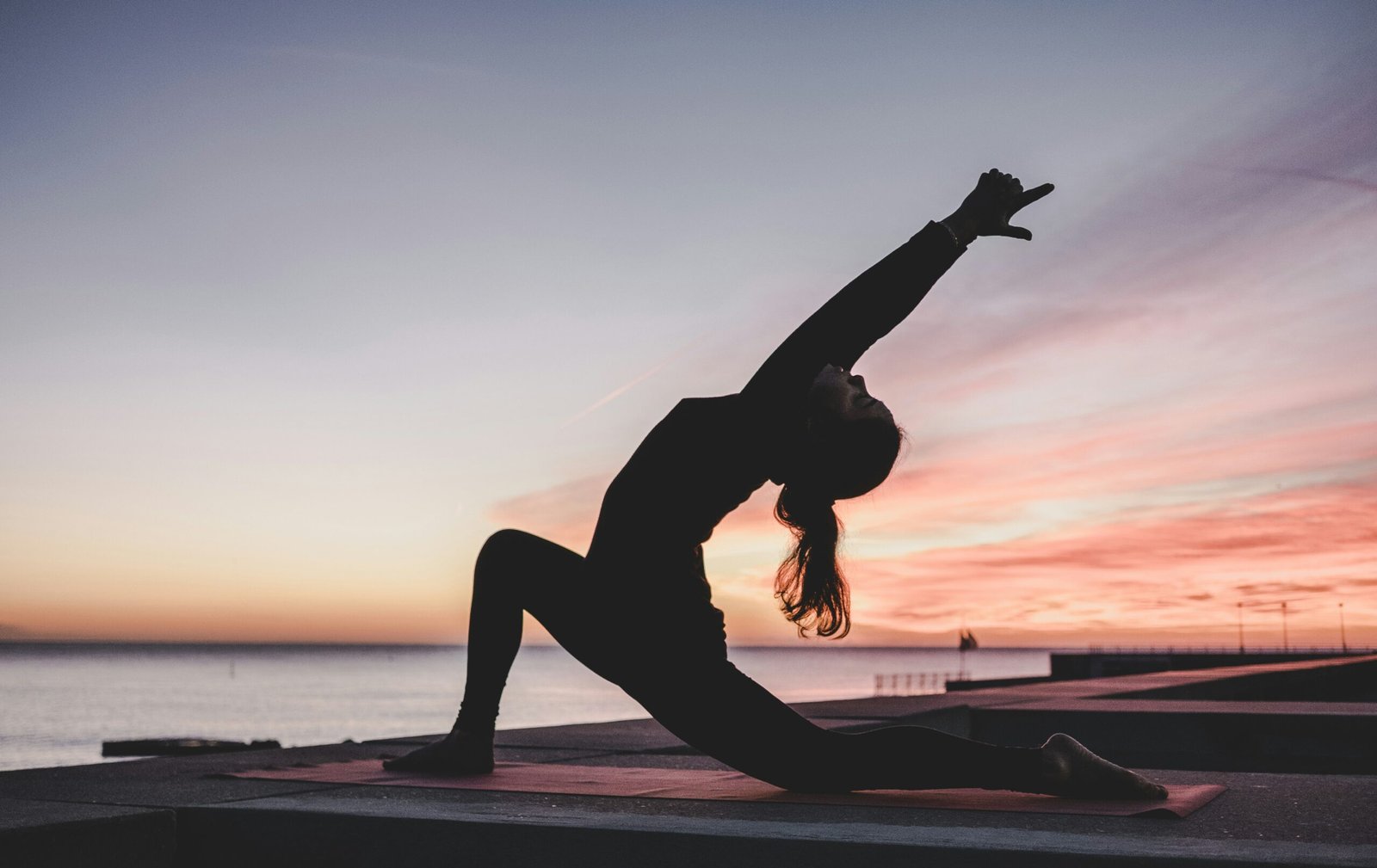

Introduction to Fitness: A Historical Perspective
The concept of fitness has undergone a remarkable transformation through various epochs, mirroring the cultural, technological, and social changes within civilizations. In ancient times, fitness was intrinsically linked to survival. Early humans relied on physical prowess for essential tasks such as hunting, gathering, and participating in communal activities. These basic physical demands shaped a rudimentary but vital understanding of health and fitness.
As we delve into ancient civilizations, the Greeks stand out for their elevated view of physical fitness. The Greeks introduced organized exercise programs, culminating in the establishment of the Olympic Games in 776 BC. This celebration of physical excellence emphasized the connection between the body and mind, a philosophy that resonated deeply in their culture. Exercise moved beyond simple necessity, evolving into a valued art form and an essential component of education, ultimately leading to holistic approaches to wellness.
Conversely, in ancient China, fitness was intertwined with practices such as martial arts and tai chi. These forms of exercise emphasized not only physical conditioning but also mental and spiritual equilibrium. Traditional Chinese medicine has historically advocated for balance in bodily functions, fostering an understanding of fitness that encompassed more than mere physical ability.
During the Middle Ages, the focus on fitness shifted dramatically. The societal upheaval and the prominence of the feudal system led to a decline in organized physical activity. However, this period also saw the emergence of chivalric ideals, which celebrated physical strength and combat skills. The Renaissance marked a resurgence in interest regarding fitness, as art and science began to explore the human form more extensively, bridging the gap between physical fitness and artful expression.
This historical overview illustrates how fitness is not a static concept but a dynamic reflection of human civilization. As we explore further, it becomes evident that each era has significantly impacted contemporary fitness ideologies and practices, setting the stage for ongoing evolution in our approach to health and wellness.
Ancient Civilizations and Their Fitness Practices
Fitness has long been a pivotal element in human history, with ancient civilizations placing a significant emphasis on physical health and well-being. Among these cultures, the Greeks, Romans, and Egyptians stand out for their innovative fitness regimes and philosophical approaches to maintaining the body. The ancient Greeks, renowned for their contributions to physical fitness, implemented rigorous training methodologies that were closely tied to their cultural values. The Olympic Games, originating in Greece, showcased various sports such as wrestling, boxing, and running, all designed to promote strength and agility. The Greeks believed that a well-conditioned body was essential for both personal achievement and community honor.
In parallel, the Romans adopted many Greek fitness practices but further advanced them to support their military prowess. Roman soldiers underwent extensive physical training, which included marching long distances, weapon practice, and developing overall strength through calisthenics. This disciplined approach not only kept their citizens fit but was deemed vital for the expansion and protection of the Roman Empire. The Romans also placed considerable importance on public baths, which played a dual role in hygiene and socializing, reinforcing the idea that physical care was essential for civic duty and health.
Similarly, the Egyptians approached fitness from a more holistic perspective, integrating physical activity with spirituality and societal roles. Activities such as swimming, archery, and various forms of dance were common among both the elite and the general populace. The Egyptians believed in the connection between physical fitness and divine favor, often engaging in activities that celebrated their physical bodies, as seen in their art and monuments. Such cultural attitudes towards fitness laid a foundation that influenced subsequent generations, demonstrating that physical well-being was not merely a personal goal but a pursuit of excellence that resonated through their civilizations.
The Middle Ages: A Shift in Fitness Culture
The Middle Ages, spanning from the 5th to the late 15th century, marked a significant transition in the approach to fitness and physical activity, influenced by various social and cultural factors. One major aspect was the prevalence of warfare during this era, which necessitated a certain level of physical preparedness among the population. Nobles and knights were often required to maintain their combat readiness, fostering a culture where physical training became essential for survival and status. This emphasis on martial prowess shaped a unique fitness culture that revolved around activities such as jousting, archery, and swordsmanship.
Feudal society played a crucial role in defining the social structure and, consequently, the fitness practices of the time. With a rigid hierarchy in place, the noble class engaged in physical activities that reinforced their status, while the peasant class focused on work-related physical exertion, such as farming and manual labor. This duality reflects how fitness was perceived differently across social strata. For the nobility, engaging in rigorous physical games and exercises was often viewed as a means to display their strength and honor, aligning with the emerging chivalric ideals that emphasized valor and the knightly code.
The rise of chivalric ideals further influenced the fitness culture of the Middle Ages. These principles celebrated not only martial skill but also grace, etiquette, and mental fortitude. Consequently, physical training was often accompanied by instruction in the arts, dance, and courtly behavior. Such practices not only enhanced physical attributes but also catered to the broader societal expectations placed upon the nobility. As a result, the Middle Ages witnessed a distinct shift in fitness norms, intertwining physical prowess with social and cultural identity. This evolution laid the groundwork for future fitness paradigms, setting the stage for subsequent developments in exercise culture and wellness in the Renaissance and beyond.
The Renaissance and the Birth of Modern Fitness
The Renaissance, a cultural movement spanning from the 14th to the 17th century, marked a pivotal shift in how individuals perceived the human body and physical capability. This period heralded a renewed interest in classical antiquity, particularly the values of ancient Greece and Rome, which emphasized the importance of physical fitness and athleticism. Scholars and artists of the Renaissance began to advocate for a holistic understanding of the human form, leading to significant advancements in fitness and physical education.
One of the defining features of this era was the establishment of gymnasiums, where individuals could partake in various physical activities aimed at enhancing strength, agility, and overall health. These institutions reflected the belief that a well-rounded education included not just academic learning but also physical development. Furthermore, the role of physical education started to gain recognition within educational frameworks, with educational institutions incorporating structured activities that promoted fitness among young individuals. This integrated approach fostered a culture where fitness became synonymous with good health and moral virtue.
The Renaissance was also characterized by remarkable developments in art and science, both of which played a crucial role in shaping contemporary views on fitness. Artists such as Leonardo da Vinci and Michelangelo studied the anatomy of the human body, producing works that celebrated physical beauty and prowess. This artistic exploration contributed to a more profound appreciation for the mechanics of movement and the importance of physical fitness. Moreover, the scientific inquiry into anatomy and physiology began to provide insights into human capabilities, encouraging a more empirical approach to training and exercise.
In conclusion, the Renaissance set the stage for modern fitness by redefining perceptions of the human body and facilitating scholarly and artistic endeavors that emphasized the significance of physical activity. The concepts established during this transformative period continue to influence contemporary fitness practices, underscoring the enduring legacy of the Renaissance in shaping our understanding of fitness today.
The Industrial Revolution and Its Impact on Fitness
The Industrial Revolution, spanning from the late 18th to the early 19th century, marked a significant turning point in societal structure and individual lifestyles. As industries burgeoned, urban populations swelled, and individuals transitioned from agrarian lifestyles to factory-based employment. This swift change brought about a substantial decline in physical activity, fostering a sedentary existence for many. The nature of work shifted dramatically; long hours spent at machines often replaced physically demanding roles in agriculture. Consequently, the risks associated with inactivity became increasingly prevalent, leading to a host of health concerns.
This period also saw the emergence of movements aimed at counteracting the negative implications of industrial work. One of the most notable developments was the rise of organized sports as a popular means to promote physical well-being. In response to the sedentary lifestyle introduced by factories, people began to seek recreational activities that could reinvigorate their bodies and foster social connections. Sports clubs and associations emerged, encouraging physical fitness through competitions and camaraderie.
Additionally, the establishment of health clubs during this era further highlighted the growing awareness of the importance of exercising for overall well-being. These early fitness centers provided an avenue for individuals to participate in various physical activities, showcasing the beginning of a shift toward prioritizing health in a rapidly industrializing world. Gymnasiums opened, offering equipment and classes that advocated for fitness and helped counterbalance the effects of a decreasing level of physical exertion in daily life.
Thus, the Industrial Revolution was not only a catalyst for technological advancement but also a pivotal moment that reshaped attitudes towards fitness and health. As sedentary lifestyles took hold, the subsequent rise in organized sports and health clubs indicated a response to the challenges posed by industrial work, laying the groundwork for the fitness movements that would continue to evolve in the years to come.
The 20th Century: Fitness Becomes a Lifestyle
The 20th century marked a significant transformation in the perception and practice of fitness, transitioning from a mere activity to a comprehensive lifestyle. This period witnessed a remarkable fitness boom, particularly in the 1960s and 70s, when physical health began to garner widespread attention. Influential figures such as Jack LaLanne, who promoted exercise through television, ignited public interest in personal fitness. His dedication to promoting health and fitness inspired millions to engage in regular exercise, thus laying the groundwork for contemporary fitness culture.
The proliferation of gyms during this era provided the necessary infrastructure for a burgeoning fitness movement. The establishment of health clubs and fitness centers, equipped with varied equipment and classes, made organized fitness accessible to the masses. Moreover, the popularity of group exercise classes, especially aerobics, contributed significantly to this fitness revolution. Pioneered by figures like Jane Fonda, aerobics not only elevated cardiovascular health but also enhanced social engagement among participants, further embedding fitness into the societal fabric.
In addition to established gym workouts, the 20th century saw the emergence of yoga as a popular fitness modality in Western culture. With practitioners like B.K.S. Iyengar emphasizing the importance of mindfulness and physical well-being, yoga appealed to a diverse audience, integrating physical activity with mental wellness. This growth in diverse fitness offerings demonstrated a shift toward holistic health practices, whereby individuals began to understand fitness as essential for both physical and mental health.
As this decade progressed, the concept of fitness evolved into a crucial component of daily living, affecting diet, social networks, and lifestyle choices. The rise of fitness magazines, exercise programs on television, and public policies promoting active living further solidified this movement. By the end of the 20th century, fitness was not just an activity; it had become a defining aspect of contemporary life, paving the way for future generations to prioritize health and wellness.
The Digital Age: Technology and Fitness
The advent of the digital age has substantially transformed the fitness landscape, ushering in an era characterized by enhanced accessibility and personalization. Fitness enthusiasts now have a plethora of options at their fingertips, ranging from mobile applications to wearable technologies that track various health metrics. Fitness apps have exploded in popularity, providing users with customized workout plans, nutrition guidance, and progress tracking, enabling individuals to pursue their fitness goals effectively.
Wearable technology, such as smartwatches and fitness bands, further complements these applications by offering real-time data on vital statistics such as heart rate, calories burned, and steps taken. These devices empower users to take charge of their fitness, facilitating a deeper understanding of their physical health. The ability to sync this data with fitness apps creates a comprehensive profile that promotes informed decision-making regarding exercise routines and nutrition. As a result, individuals can tailor their fitness programs to meet their unique needs and preferences, making the journey towards health and wellness more attainable.
Moreover, online coaching has gained traction, allowing users to connect with fitness trainers virtually, irrespective of geographical boundaries. This dynamic enables individuals to receive personalized guidance, motivation, and support, thereby enhancing accountability. Similarly, virtual fitness classes have become a staple, providing community engagement and expert-led sessions that can be accessed from the comfort of one’s home. These classes have made it easier for people with busy schedules or those who may feel intimidated by traditional gym settings to partake in physical activities.
The integration of technology in fitness not only fosters a sense of community among users but also democratizes access to quality training and wellness information. As technology continues to evolve, the potential for innovations in the fitness sector seems boundless, promising an exciting future for those seeking to improve their health and fitness levels.
Global Fitness Trends: A Cultural Examination
The landscape of fitness is richly diverse, shaped significantly by cultural backgrounds and regional practices. Across the globe, different areas have developed unique fitness trends that reflect their values, traditions, and lifestyle. This cultural examination showcases some prominent practices that illustrate how fitness can vary widely from one region to another.
In India, yoga stands out as a revered fitness discipline that transcends mere physical exercise. Rooted in ancient philosophy, yoga merges mental, spiritual, and physical health, emphasizing holistic well-being. This practice incorporates various postures, breathing techniques, and meditation, making it appealing not only for fitness enthusiasts but also for those seeking mental clarity and inner peace. As yoga gains popularity worldwide, it retains its cultural significance, often drawing practitioners to their roots.
East Asia presents a different perspective on fitness with its emphasis on martial arts. Countries such as China, Japan, and Korea have cultivated distinct martial arts traditions, such as tai chi, karate, and taekwondo. These practices are not solely about combat but also embody discipline, respect, and cultural heritage. Many participants view martial arts as a way to achieve not only physical fitness but also mental fortitude, creating a holistic approach that is firmly embedded in the respective cultures.
In contrast, South America is renowned for its passion for soccer, a sport that permeates various aspects of life in numerous countries. Soccer’s popularity reflects not just a dedication to physical fitness but also a vibrant cultural identity. Communities often bond over soccer, engaging in matches that promote team spirit and camaraderie. The evolution of street soccer and informal play highlights the accessibility and enthusiasm for maintaining physical activity across all age groups.
These various practices reveal how fitness trends are deeply interwoven with cultural identities, demonstrating that exercise is not merely a physical endeavor but a reflection of societal values and traditions. Understanding these global fitness trends provides valuable insights into the richness of physical activity around the world.
The Future of Fitness: Predictions and Trends
As we look ahead, the future of fitness is poised to witness remarkable innovations driven by advancements in technology and shifts in societal norms. Virtual reality (VR) workouts, for instance, are expected to redefine the traditional exercise experience. By immersing individuals in a digitally created environment, VR fitness provides an engaging alternative to conventional training methods. This can enhance motivation and improve physical activity adherence, particularly among those who find conventional workouts difficult or uninspiring.
Moreover, the emphasis on sustainable fitness practices will likely gain momentum. Increasing awareness about health and the planet has prompted many individuals to integrate eco-friendly choices into their fitness routines. This can include using sustainable gear, participating in environmental clean-up activities as a form of exercise, or opting for outdoor workouts to reduce reliance on gym facilities. As eco-consciousness continues to rise, fitness experts may increasingly promote sustainability as a key component of a balanced lifestyle.
The influence of social media is another important factor shaping the future of fitness. Platforms such as Instagram, TikTok, and YouTube foster a culture of sharing fitness journeys, inspiring millions to pursue healthier lifestyles. Content creators are likely to continue emerging, focusing on diverse representation, including various body types, fitness levels, and cultural approaches to exercise. This evolution in content is expected to encourage inclusivity, making fitness accessible and relatable to a broader audience.
Additionally, the rise of personalized fitness solutions powered by artificial intelligence will revolutionize fitness training. These technologies can analyze individual progress, preferences, and health data to create tailored workout and nutrition programs. As fitness continues to evolve, embracing innovation and inclusivity will be vital in shaping a healthier society.