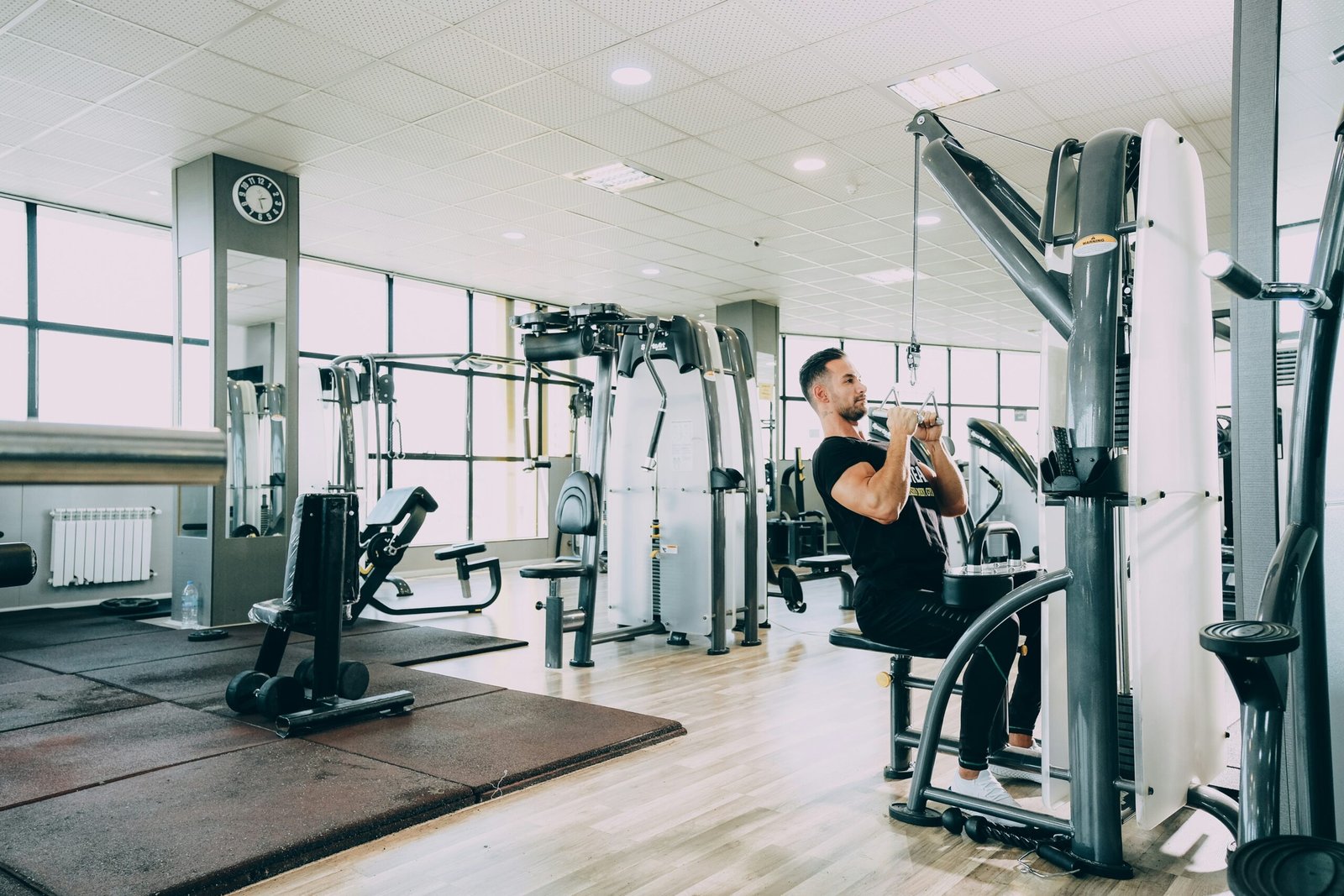

Introduction to Apocalyptic Fitness
As the world evolves, so do our lifestyles and the ways we approach fitness. The concept of apocalyptic fitness emerges from the hypothetical scenario in which traditional fitness facilities, such as gyms and fitness studios, cease to exist. This idea compels individuals to rethink their workout regimens and adapt to the circumstances while maintaining their health and well-being. In an increasingly unpredictable world, characterized by unforeseen challenges such as natural disasters, pandemics, or societal disruptions, the necessity for innovative training methodologies has never been more relevant.
Apocalyptic fitness focuses on leveraging minimal resources and improvisation. It encourages individuals to utilize their surroundings, embracing outdoor environments or even at-home workouts to stay physically active. This approach not only promotes physical fitness but also develops resilience and problem-solving skills. As traditional fitness equipment becomes less accessible, individuals may need to rely on bodyweight exercises, functional movements, and creative adaptations of everyday items. For example, common household items can be transformed into makeshift weights, allowing individuals to perform strength training effectively.
This reimagined pursuit of fitness fosters an understanding that health is not solely reliant on gym access but can be achieved through resourcefulness and adaptability. By challenging ourselves to think beyond the confines of conventional workout spaces, we embrace a more holistic approach to fitness. In this context, the principles of apocalyptic fitness become a metaphor for preparing ourselves for life’s uncertainties, reminding us that fitness is a journey rather than a destination. The following sections will delve deeper into practical strategies to implement this innovative fitness model and ensure that individuals can sustain their physical health amid any circumstances.
Understanding the Need for Adaptability
In the ever-evolving landscape of fitness, adaptability has emerged as a crucial component for maintaining a successful training regimen. Life is inherently unpredictable; unexpected circumstances, such as relocating to a new city or encountering a global pandemic, can transform our physical environments drastically. These changes may impede access to traditional gym facilities and equipment, necessitating a shift in approach to health and fitness. Therefore, cultivating a flexible mindset is essential to navigate these unforeseen challenges and continue progressing in one’s fitness journey.
A versatile training mindset allows individuals to embrace the reality that fitness can exist outside of conventional spaces. Outdoor workouts, bodyweight exercises, and makeshift home gym setups are increasingly popular alternatives that can yield effective results. By being open to diverse training modalities, fitness enthusiasts not only ensure their routines remain engaging and enjoyable but also capable of addressing varying physical challenges without reliance on specialized gym resources. This capacity for innovation fosters resilience and encourages lifelong fitness habits.
Moreover, the benefits of adaptability extend beyond mere physical exercise. An adaptable approach to fitness encourages individuals to reassess their goals and motivations regularly. This periodic evaluation can lead to more meaningful personal connections with health, as well as improved psychological well-being. Instead of viewing setbacks as insurmountable barriers, fitness enthusiasts can use them as opportunities for growth and self-discovery, ultimately fostering a stronger commitment to their overall fitness journey.
In summary, adaptability in fitness routines allows individuals to navigate life’s uncertainties, ensuring that progress continues irrespective of external environments. By embracing a versatile mindset and exploring diverse training options, one can thrive even when traditional gym facilities are unavailable.
Outdoor vs Indoor Training: Making the Switch
As many individuals reassess their fitness routines, the transition from gym-based workouts to outdoor and home-based training presents both challenges and opportunities. Embracing outdoor workouts can significantly enhance physical fitness, allowing individuals to engage with nature while enjoying various forms of exercise. Running, for example, not only improves cardiovascular health but also boosts mental well-being through exposure to fresh air and natural surroundings. Parks and trails provide ideal settings for running and jogging, inviting enthusiasts to reconnect with their environment.
Moreover, hiking is another excellent outdoor option that combines aerobic exercise with the benefits of being immersed in nature. It offers a full-body workout while enabling individuals to explore scenic routes, which can be highly motivating. Trekking up steep inclines works the legs, while the diverse terrain contributes to improved balance and stability. Therefore, adding hiking to your fitness regimen would be a prudent decision for those seeking comprehensive outdoor training.
In addition to these outdoor exercises, bodyweight workouts can also be highly efficient and versatile. Exercises such as push-ups, squats, and burpees can be performed almost anywhere with no equipment required. Utilizing benches, stairs, or even grassy areas in your local park enables further variety and intensity to your workout. These exercises not only build strength but also improve flexibility and endurance, making them ideal for those transitioning from a gym environment.
For individuals preferring to stay indoors, transforming household items into fitness equipment is a creative and practical approach. Items like chairs, water bottles, and backpacks filled with books can be utilized for resistance training, while yoga mats or towels can provide comfort during floor exercises. Establishing a designated workout space at home encourages a disciplined approach to fitness and facilitates an effective training regimen.
Essential Equipment for the Apocalypse
When envisioning a fitness routine in an apocalyptic scenario, it is crucial to focus on minimal yet versatile equipment that can be easily sourced and utilized for various workouts. The goal is to maintain strength, endurance, and flexibility without the luxury of commercial gym facilities. Below is a list of essential items that can serve multiple purposes across different types of fitness training.
First, consider investing in a set of resistance bands. These lightweight and portable tools can be used for strength training, flexibility exercises, and even cardiovascular workouts when performed in high-repetition circuits. Resistance bands are particularly advantageous because they can be adjusted for varying levels of resistance, making them suitable for users of all fitness levels.
Next, a sturdy backpack can become an invaluable asset. It can be filled with weight, such as rocks or sand, to create a weighted vest for strength training exercises. Additionally, carrying the bag during hikes or speedy walks significantly increases cardiovascular endurance. The backpack not only functions as fitness equipment but also serves practical needs for carrying supplies.
A jump rope is another highly effective and easily accessible tool. This equipment is perfect for cardiovascular workouts, offering an excellent way to enhance stamina and coordination. Furthermore, it requires minimal storage space and can be used almost anywhere, making it ideal for an apocalyptic setting.
Lastly, make sure to have access to a space that allows for bodyweight exercises, such as push-ups, squats, and planks. These exercises require no equipment and can be performed in any environment, offering an effective way to maintain muscular strength and endurance. In summary, equipping oneself with resistance bands, a durable backpack, a jump rope, and the ability to perform bodyweight workouts can significantly enhance your fitness routine in an apocalyptic scenario.
Bodyweight Training: Your Best Friend
In today’s rapidly changing environment, adapting to new circumstances is crucial, especially when it comes to fitness. Bodyweight training emerges as a key component of apocalyptic fitness, offering a versatile and effective way to maintain and improve physical condition without the need for traditional gym equipment. These exercises utilize one’s own body weight as resistance, making them accessible and convenient as they can be performed anywhere, whether at home, in a park, or even in a survival situation.
There are numerous bodyweight exercises that can form a well-rounded workout regimen. Push-ups, for example, are excellent for building upper body strength, targeting the chest, shoulders, and triceps. Variations such as decline and diamond push-ups further enhance their effectiveness. Squats are another fundamental movement, promoting lower body strength while simultaneously improving balance and mobility. Adding jumps to squats can elevate the intensity and provide a solid cardiovascular component. Additionally, planks are crucial for core stability, ensuring that the body is supported and aligned during various movements.
The benefits of mastering bodyweight exercises extend beyond mere strength development. Engaging in bodyweight training fosters improved endurance and flexibility, as these movements require control and mindfulness. Moreover, since bodyweight exercises are often compound movements, they engage multiple muscle groups simultaneously, leading to more efficient workouts. This is particularly advantageous in high-intensity interval training (HIIT) formats, where short bursts of activity followed by rest can significantly improve cardiovascular health and metabolic function.
Ultimately, bodyweight training stands as an invaluable ally in apocalyptic fitness. It not only encourages physical prowess but also promotes resilience and adaptability, essential qualities when faced with challenging circumstances. Embracing bodyweight exercises can prepare individuals for whatever the future may hold while ensuring they remain fit and ready for any situation.
Incorporating Survival Skills into Your Training
In an environment increasingly dominated by technology and modern conveniences, the urgent need for physical preparedness is often overlooked. Incorporating survival skills into your fitness regimen serves as a valuable approach to enhance overall physical conditioning while equipping you with vital life skills. Activities such as navigation, building shelters, and foraging not only provide a robust workout but also cultivate an awareness of one’s surroundings and the ability to adapt to challenging situations.
Navigation, for instance, is essential in survival scenarios as it fosters spatial awareness and improves cardiovascular fitness. Engaging in outdoor navigation exercises, such as orienteering, challenges individuals to move efficiently over various terrains while using a map and compass. This activity hones decision-making abilities, enhances agility, and promotes endurance—all crucial aspects of physical preparedness. Furthermore, integrating trail running or hiking with navigation elements builds muscular strength and endurance, encouraging a connection with the natural environment.
Building shelters is another key survival skill that doubles as a functional workout. This activity requires significant physical exertion, from gathering materials to constructing a viable shelter. It engages multiple muscle groups, enhancing strength and coordination. Practicing shelter-building techniques not only tests one’s physical limits but also situational problem-solving skills. The process of gathering, arranging, and securing shelter materials fosters teamwork and creativity, making it a beneficial group exercise.
Foraging is similarly multifaceted, combining physical activity with educational components. Scavenging for edible plants or materials strengthens lower body muscles and enhances flexibility. It also encourages mindfulness regarding one’s food sources, promoting an understanding of sustainable practices. By integrating these survival skills into regular fitness activities, individuals not only achieve enhanced physical preparedness but also cultivate a lifestyle attuned to resilience and resourcefulness.
Nutrition in an Apocalyptic World
In a post-apocalyptic scenario, access to conventional resources like a gym, grocery store, or even regular meals may be drastically limited. This reality makes understanding nutrition crucial for maintaining health and performance in physical training. Proper nutrition significantly impacts the body’s ability to recover, build resilience, and sustain energy levels necessary for your workouts without traditional fitness facilities. The focus should be on maximizing the nutrients consumed, especially when resources are scarce.
First, prioritizing macronutrients is essential. Protein is a critical component for muscle repair and growth. In an apocalyptic context, high-protein foods may become challenging to acquire, but options such as canned meats, legumes, nuts, or even foraged provisions can serve to meet daily requirements. Additionally, adequate carbohydrate intake is vital as it provides the energy needed to perform workouts, especially when traditional high-carb foods may not be available. Consider incorporating whole grains or starchy vegetables that can be sourced sustainably.
Fats are often overlooked but play a significant role in overall nutrition. Healthy fats, such as those found in avocados, nuts, and seeds, are vital for hormonal balance and long-term energy storage. In an apocalyptic scenario, focus on sourcing calorie-dense foods to maintain energy levels for extended physical activities. These foods can provide essential vitamins and minerals that support immunity and overall health, enabling effective recovery between workouts.
Hydration is another fundamental aspect that cannot be ignored. Clean water may become a precious commodity, so identifying reliable sources of hydration is paramount. Electrolyte balance also needs attention; simple solutions like homemade oral rehydration salts can suffice. Ultimately, fueling the body effectively with the available resources ensures that an individual can train and thrive in a challenging environment, adapting their diet to meet nutritional needs under extraordinary circumstances.
Mental Resilience: Training Your Mind Alongside Your Body
In the context of fitness, particularly when faced with apocalyptic scenarios where traditional gym facilities may be inaccessible, the concept of mental resilience becomes paramount. Developing mental strength is not just an accessory to physical training; rather, it forms the foundation upon which effective fitness practices can thrive. Mental resilience empowers individuals to overcome challenges, persevere through setbacks, and maintain focus on their fitness goals.
One effective strategy to enhance mental resilience is mindfulness training. Mindfulness practices, such as meditation and focused breathing exercises, teach individuals to remain present amidst chaos. By cultivating awareness of one’s thoughts and feelings, practitioners can develop greater emotional regulation, which proves essential when motivation wanes or external circumstances disrupt routine. Engaging in regular mindfulness exercises can equip individuals with the tools needed to navigate unpredictable environments while sustaining their fitness journey.
Another crucial aspect of nurturing mental strength involves goal-setting. Establishing clear, achievable fitness objectives provides a roadmap that can guide individuals throughout their training. SMART goals, or those that are Specific, Measurable, Achievable, Relevant, and Time-bound, allow for structured progress tracking and encouragement. When individuals set and achieve milestones, it fosters a sense of accomplishment and reinforces resilience by showcasing an ability to overcome obstacles.
Community support plays a vital role in building mental resilience. Engaging with others, whether through online fitness groups or local workout sessions, enhances motivation and accountability. Sharing experiences and challenges within a community nurtures a sense of belonging and can provide crucial emotional support during difficult times. Encouraging camaraderie can significantly bolster one’s resolve just as much as physical workouts strengthen the body.
In summary, when traditional fitness structures are compromised, developing mental resilience through mindfulness, goal-setting, and community engagement becomes essential. By prioritizing both mental and physical training, individuals can cultivate a holistic approach to fitness that endures even in the most challenging circumstances.
Creating a Sustainable Fitness Routine
In today’s uncertain world, establishing a sustainable fitness routine is more crucial than ever. With the potential loss of access to traditional gym environments, it is essential to adapt one’s approach to fitness, ensuring consistency and motivation while making the most of available resources. The foundation of a sustainable routine lies in setting realistic fitness goals that align with individual capabilities and lifestyle. Whether your objectives are weight loss, strength building, or improved aerobic capacity, clarity in goal-setting can significantly influence long-term adherence.
Begin by defining specific, measurable, achievable, relevant, and time-bound (SMART) goals. For example, rather than stating a desire to “get fit,” outline a target such as “jog three times a week for 30 minutes.” This specificity allows for easier tracking and fosters a sense of accomplishment upon meeting milestones. Progress tracking is another vital element in creating a sustainable fitness routine. This can be as simple as maintaining a journal, using fitness apps, or employing wearable technology to monitor workouts and health metrics. By regularly reviewing progress, you can identify patterns of success or areas needing adjustment, thus fine-tuning your approach to training.
In terms of remaining motivated, diversifying workouts can be an effective strategy. Engaging in various activities such as body-weight exercises, yoga, or outdoor sports prevents monotony and encourages continued participation. Online communities and fitness challenges can offer additional support and inspiration, reinforcing accountability and connection. Additionally, one might consider incorporating rest and recovery days, ensuring the routine is enjoyable rather than a chore. Ultimately, fostering a sustainable fitness routine amidst uncertainty involves a combination of realistic goal-setting, consistent tracking, and maintaining motivation through variety and community engagement.