
woman jumping above gray sand

Biohacking Your Fitness: Unlocking Potential Without Sweat

Introduction to Biohacking Fitness

Biohacking has emerged as a transformative approach to enhancing one’s physical fitness and overall well-being. This innovative concept transcends traditional fitness routines, integrating various lifestyle and dietary modifications designed to optimize health and performance. Biohacking fitness aims to empower individuals to take control of their bodies and health by utilizing a combination of technology, nutrition, and mindfulness practices. Unlike conventional workout methods, which often emphasize structured exercise regimens, biohacking focuses on a holistic approach that not only boosts physical capabilities but also enhances mental acuity and emotional resilience.

In essence, biohacking advocates for the use of experimental methods to discover what functions best for the individual, allowing for customization in achieving fitness goals. This could range from implementing intermittent fasting to improve energy levels and metabolic efficiency, to leveraging wearables that track vital statistics to better understand one’s physiological responses. The beauty of biohacking lies in its versatility; it can be tailored to suit diverse lifestyles, making it accessible for anyone seeking to improve their physical condition.

Furthermore, biohacking fitness encourages a mindset shift from merely working out to cultivating an integrated lifestyle that promotes longevity and vitality. It encompasses everything from nutrition—focusing on whole foods, supplements, and hydration—to stress management techniques like meditation and adequate sleep, all of which play critical roles in achieving peak performance. Through these methods, individuals can unlock their potential without the need for grueling workout sessions, redefining what it means to be fit in today’s fast-paced world.

Understanding Non-Exercise Activity Thermogenesis (NEAT)

Non-Exercise Activity Thermogenesis, commonly referred to as NEAT, represents the calories expended for everything we do that is not sleeping, eating, or exercising. It encompasses various activities such as walking, standing, fidgeting, and even performing household chores. NEAT plays a crucial role in daily calorie expenditure and can significantly affect body weight and overall fitness levels.

One of the most significant aspects of NEAT is its ability to contribute to weight management without the need for structured exercise. Individuals can vary greatly in their daily NEAT levels; for example, a person who regularly walks during their commute or stands at their desk burns more calories than someone who remains seated throughout the day. This difference can culminate in substantial variations in overall energy expenditure, making NEAT a pivotal factor in the biohacking approach to fitness.

Integrating NEAT into daily routines can be achieved through simple adjustments. For instance, taking the stairs instead of the elevator, standing while working, or even incorporating short walking breaks into long sitting periods can enhance caloric burn. Engaging in small physical activities, such as stretching or walking to a colleague’s desk instead of sending an email, can also increase NEAT effectively. Additionally, activities such as gardening or playing with pets are excellent opportunities to boost non-exercise activities.

The significance of NEAT becomes evident when considering the cumulative effects of these minor changes in activity levels. By consciously increasing non-exercise activities, individuals may not only improve their overall caloric expenditure but also enhance their energy levels and overall well-being. Thus, embracing NEAT is an effective strategy for anyone looking to improve their fitness levels without the intense regimen typically associated with conventional exercise programs.

Nutrition as a Key Component

Nutrition plays a pivotal role in the biohacking journey, serving as a fundamental building block for enhancing physical fitness and overall well-being. A well-balanced diet not only provides the necessary macronutrients but also supports metabolic processes critical for optimal performance. The interplay of carbohydrates, proteins, and fats is essential; thus, understanding the right ratios can significantly impact energy levels and recovery times. For instance, athletes often benefit from a higher carbohydrate intake, which serves as a quick source of energy, especially before workouts. Meanwhile, adequate protein consumption is crucial for muscle repair and growth.

Meal timing also contributes significantly to the effectiveness of nutrition in biohacking. Consuming meals around your workout schedule can optimize energy availability and recovery. Research suggests that eating a balanced meal rich in protein and carbohydrates shortly after exercise can help replenish glycogen stores and promote muscle recovery. Furthermore, incorporating nutrient-dense foods throughout the day ensures that the body has all essential vitamins and minerals needed for physical activity.

In addition to whole foods, certain supplements can enhance your biohacking fitness approach. For instance, omega-3 fatty acids have been shown to reduce inflammation and improve recovery, while branched-chain amino acids (BCAAs) may aid in muscle repair and soreness. Additionally, adaptogenic herbs like rhodiola rosea are praised for their potential to boost energy levels and reduce fatigue during strenuous workouts. By strategically selecting foods and supplements, individuals can effectively align their nutritional choices with their fitness objectives.

In conclusion, optimizing nutrition is critical for successfully biohacking fitness. By focusing on a balanced diet, appropriate macronutrient ratios, and strategic meal timing, individuals can significantly enhance their energy, recovery, and overall physical performance, paving the way for achieving their fitness goals efficiently.

The Power of Sleep Optimization

Sleep is a fundamental aspect of overall health and plays a vital role in enhancing fitness performance. Understanding the science of sleep cycles is essential to recognizing how they influence recovery and bodily functions. The human body undergoes different stages of sleep—light sleep, deep sleep, and REM sleep—each serving unique purposes. During deep sleep, the body repairs muscle tissues, synthesizes proteins, and releases growth hormones, all crucial for fitness enthusiasts aiming to optimize physical performance.

Additionally, the quality of sleep significantly impacts recovery times and athletic capabilities. Research indicates that inadequate sleep can lead to decreased motivation, impaired cognitive function, and diminished physical performance. Athletes who consistently get quality sleep exhibit improved reaction times, increased muscle strength, and enhanced endurance. This demonstrates that prioritizing sleep optimization can lead to noticeable improvements in one’s fitness journey, particularly when striving for better results with minimal exertion.

To harness the power of sleep, implementing effective sleep hygiene practices is vital. Establishing a consistent sleep schedule by going to bed and waking up at the same time each day can significantly improve sleep quality. Creating a calming bedtime routine, such as reading or meditating, can signal to the body that it is time to wind down. Moreover, the sleep environment plays a critical role; a dark, cool, and quiet room can enhance overall sleep quality. Limiting exposure to screens before bedtime and avoiding caffeine later in the day are also beneficial strategies for achieving restorative sleep.

Incorporating good sleep practices can serve as a powerful tool in one’s fitness regimen, facilitating optimal recovery and maximizing performance potential with comparatively less effort. Understanding the intrinsic relationship between sleep and fitness empowers individuals to make informed decisions that can lead to meaningful improvements in their overall health and well-being.

Mindfulness and Stress Management Techniques

The relationship between mental well-being and physical performance is often underestimated in the realm of fitness. Mental clarity and emotional stability play a crucial role in enhancing one’s ability to perform physically. Mindfulness and stress management techniques such as meditation, yoga, and breathing exercises can significantly improve an individual’s fitness outcomes by not only reducing stress but also enhancing overall focus and motivation.

Meditation is a powerful tool that allows individuals to cultivate a state of relaxation and increased awareness. Regular practice helps to decrease cortisol levels, the hormone associated with stress, thus promoting a more conducive environment for physical activity. Simple techniques, such as focusing on the breath or using guided meditations, can be integrated into one’s daily routine, requiring only a few minutes a day to reap substantial benefits.

Yoga, a practice that combines physical postures, breath control, and meditation, has been shown to improve flexibility, strength, and mental resilience. By fostering a deeper connection between the mind and body, yoga aids in reducing anxiety and enhances one’s ability to cope with the demands of physical exercise. Simple yoga poses, like the downward dog or child’s pose, can be performed at home or in a gym setting, making it accessible for everyone.

Incorporating breathing exercises into a fitness regimen can also yield remarkable benefits. Techniques such as diaphragmatic breathing or the 4-7-8 method serve to calm the nervous system and enhance oxygen flow to the muscles, thereby supporting endurance during physical activities. These practices, which can take just a few minutes, can be easily included in the warm-up or cool-down phases of workouts. By embracing mindfulness and stress management in one’s fitness journey, individuals can unlock their full potential and achieve desired results more effectively.

Hydration: The Often-Overlooked Factor

Hydration plays a crucial role in optimizing physical performance and overall well-being, yet it is frequently underestimated in discussions of fitness. Proper hydration ensures that the body functions efficiently, influencing everything from energy levels to recovery rates and metabolic processes. When the body is well-hydrated, it can better regulate temperature, transport nutrients, and remove waste products, all of which are essential for maintaining peak physical function.

When the body is even slightly dehydrated, individuals may experience reduced energy levels, increased fatigue, and diminished cognitive function. These effects can severely impair performance, making it essential for fitness enthusiasts to prioritize their hydration needs. Maintaining adequate hydration can be particularly important during intense workouts or prolonged exercise, as fluid loss through sweat can lead to significant decreases in physical capability.

To ensure proper hydration throughout the day, it is recommended to incorporate a consistent fluid intake habit. A general guideline is to consume at least eight 8-ounce glasses of water daily, but this amount may vary based on individual activity levels, climate, and personal health. Incorporating hydrating foods, such as fruits and vegetables, can also contribute to overall fluid intake. Moreover, monitoring the color of urine can serve as a useful indicator of hydration status; pale yellow typically signifies adequate hydration, while darker hues may indicate a need for more fluids.

Furthermore, it is important to recognize the signs of dehydration, which can include dry mouth, fatigue, dizziness, and headache. By heeding these signals and adjusting fluid intake accordingly, individuals can maintain optimal hydration and, consequently, enhance their overall fitness and performance. Whether for daily activities or fitness pursuits, prioritizing hydration is a fundamental aspect of achieving one’s body’s full potential.

Utilizing Technology and Gadgets

In recent years, the integration of technology into personal fitness has transformed how individuals approach their health and wellness. Biohacking fitness through various gadgets allows users to optimize their physique and performance without always engaging in traditional workouts. One of the most popular tools in this arena is the fitness tracker, which monitors various metrics such as heart rate, sleep patterns, and daily activity levels. These devices provide vital feedback, empowering users to make informed decisions about their exercise routines and recovery strategies.

Additionally, sleep monitors have gained traction among biohackers, recognizing the pivotal role that restorative sleep plays in physical performance. By tracking sleep quality and duration, individuals can uncover patterns that affect their energy levels and overall health. This data enables them to adjust their habits, such as improving bedtime routines or minimizing disturbances, resulting in enhanced recovery and clarity during the day.

Mobile applications also serve as indispensable tools for fitness biohacking. There are apps designed for meditation and mindfulness, which promote mental well-being and stress reduction—factors crucial for holistic health. Furthermore, calorie tracking applications can assist users in monitoring their nutritional intake, allowing for enhanced dietary management, even in the absence of strenuous workouts. By understanding caloric consumption and expenditure, individuals can maintain or modify their body composition according to their fitness goals.

As people continue to search for smarter, less time-consuming methods to elevate their physical state, the tools of modern technology pave the way. The fusion of fitness metrics, sleep monitoring, nutritional guidance, and mental wellness support encourages a proactive and data-driven approach to health. Thus, biohacking one’s fitness is increasingly accessible, enabling individuals to unlock their full potential without intensive physical exertion.

Implementing a Comprehensive Daily Routine

Creating a holistic daily routine is essential for maximizing fitness potential without relying solely on traditional exercise. To implement an effective plan, start by assessing your individual lifestyle, preferences, and goals. Understanding these factors will enable you to develop a tailored approach that best suits your circumstances.

Nutrition plays a fundamental role in any fitness regimen. Begin your day with a balanced breakfast rich in protein, healthy fats, and whole grains to provide sustained energy throughout the morning. As you progress through the day, incorporate nutrient-dense snacks and meals, focusing on whole foods such as fruits, vegetables, lean meats, and legumes. Consider planning your meals ahead of time to maintain consistency and avoid unhealthy choices.

Equally important is ensuring that you prioritize quality sleep. Aim for 7-9 hours of restorative sleep each night. To enhance the quality of your rest, establish a calming bedtime routine that includes limiting screen time, reducing caffeine intake in the afternoon, and creating a sleep-conducive environment. Techniques such as mindfulness meditation or gentle stretching can also prepare your body for restorative rest.

Incorporating mindfulness into your daily activities is another vital component of a comprehensive routine. Set aside time each day for reflection or meditation to enhance your mental clarity and reduce stress. Mindfulness can take various forms, from deep-breathing exercises to practicing gratitude, all contributing positively to your overall wellbeing.

Finally, incorporate low-impact activities such as walking, yoga, or swimming into your routine. These activities not only contribute to physical fitness but also promote mental health. Aim for at least 30 minutes of these activities each day, spread throughout your routine. By consistently applying these non-exercise methods, you create a sustainable plan that will enhance your fitness potential.

Conclusion and Encouragement for Personal Experimentation

In this blog post, we have explored the fascinating world of biohacking for fitness, discussing various techniques and methodologies designed to enhance physical performance and overall well-being. The integration of technology, nutrition, exercise optimization, and cognitive strategies showcases that fitness does not solely rely on traditional methods. By leveraging biohacking, individuals can potentially unlock their physical prowess and improve their health metrics without solely depending on rigorous exercise routines.

It is crucial to understand that each person’s physiological responses vary significantly. What works magnificently for one individual may not yield the same results for another. Therefore, the essence of biohacking rests in personalized experimentation. By monitoring how your body reacts to different approaches—be it through diet adjustments, lifestyle modifications, or incorporating technological aids such as wearables—you can develop a tailored strategy that best suits your fitness goals.

Encouraging you to embark on this journey, remember that the effectiveness of any biohacking technique can only truly be assessed through consistent trial and reflection. Document your experiences, assess changes over time, and be open to adjustments as needed. Moreover, the community aspect of biohacking cannot be understated. Sharing insights, successes, and even setbacks with others can foster a collective learning environment, enhancing the overall understanding of these methods.

We invite you to participate in this enriching dialogue. Share your experiences and tips in the comments section below. Not only will your contributions aid others in their biohacking journeys, but they may also inspire further developments within the community. Together, we can push the boundaries of fitness and health through innovative experimentation.


woman in yellow shorts sitting on yellow chair

Going Green: The Ultimate Guide to Eco-Friendly Fitness

Introduction to Eco-Friendly Fitness

Eco-friendly fitness is an evolving concept that harmonizes the pursuit of physical well-being with the principles of environmental sustainability. As more individuals become aware of the repercussions of their lifestyle choices, there is a growing trend towards fitness practices that are not only beneficial for personal health but also for the planet. This synergy between maintaining fitness and supporting the environment underscores the importance of integrating eco-friendly methods into one’s routine.

The popularity of eco-friendly fitness can be attributed to several factors. First, health enthusiasts are increasingly recognizing that their choices have far-reaching consequences, extending beyond their personal fitness goals. As such, many are adopting sustainable practices that align with their commitment to wellness and environmental stewardship. The desire for a healthier lifestyle now encompasses a dedication to protecting the Earth, promoting the idea that physical fitness should occur within a framework of ecological mindfulness.

The connection between personal and planetary health is well documented. Engaging in eco-friendly fitness often involves adopting exercise routines that minimize carbon footprints, selecting eco-conscious gear, and supporting sustainable foods that enhance overall health. Outdoor activities, such as hiking, cycling, or running in nature, foster a deeper appreciation for the environment while providing powerful physical benefits. By embracing these practices, individuals contribute to a healthier planet while enhancing their own fitness.

This guide aims to explore various methods to maintain fitness while being mindful of environmental impacts. It will offer practical advice and actionable steps for incorporating eco-friendly elements into daily fitness routines. As the conversation around fitness and sustainability continues to grow, it becomes vital for health enthusiasts and advocates to align their goals with the well-being of the planet.

The Importance of Sustainability in Fitness

As awareness of environmental issues rises, the significance of sustainability in fitness has gained considerable attention. The fitness industry, like many others, is not immune to the impacts of climate change and ecological degradation. Traditional fitness practices and facilities often contribute to environmental issues through excessive energy consumption, waste generation, and resource depletion. As the demand for fitness services grows, the ecological footprint of this sector expands, affecting the overall health of our planet.

For example, many gyms rely heavily on electricity to power equipment, provide heating and cooling, and maintain lighting. Statistics indicate that commercial gyms can consume up to 500,000 kWh per year, equivalent to the energy usage of around 45 average American homes. Furthermore, the use of single-use plastic products and non-biodegradable materials in gyms contributes to the problem of plastic pollution, which poses a significant threat to marine and terrestrial ecosystems.

To address these challenges, adopting sustainable practices within the fitness industry is essential. This can include implementing energy-efficient systems, encouraging the use of reusable products, and incorporating green building practices in facility design. Sustainable fitness centers can serve as catalysts for change, inspiring individuals to prioritize eco-conscious choices in their exercise habits and overall lifestyle.

Moreover, the increasing consumer interest in sustainability presents an opportunity for fitness businesses to connect with environmentally aware clientele. According to recent surveys, around 60% of gym-goers express a desire for their fitness facilities to be more eco-friendly, reflecting a clear trend toward sustainability in consumer preferences. By aligning their operations with sustainable practices, fitness organizations not only reduce their ecological impact but also enhance their appeal and competitiveness within the market.

In conclusion, the importance of sustainability in the fitness industry cannot be overstated. As we face pressing environmental challenges, embracing eco-friendly practices in fitness is imperative to fostering a healthier planet while promoting a holistic approach to health and wellness.

Eco-Friendly Workout Gear and Apparel

As the push for sustainability intensifies in all aspects of life, the fitness industry is not left behind. Eco-friendly workout gear and apparel play a crucial role in adopting a more sustainable lifestyle. Consumers are increasingly seeking workout clothing made from sustainable fabrics, which are not only better for the environment but often more comfortable and durable. Fabrics such as organic cotton, bamboo, and Tencel represent some of the sustainable materials gaining popularity among eco-conscious athletes. These materials reduce the harmful impacts associated with conventional textile production, including water pollution and excessive use of pesticides.

Recycled materials also form a significant part of the eco-friendly apparel conversation. Many brands are now utilizing recycled plastic bottles and other post-consumer waste in their products. This innovative use of materials helps to divert waste from landfills and conserves valuable resources, promoting a circular economy. It is important to explore workout gear crafted from such materials, as they not only embody environmental responsibility but also provide high-quality performance wear suitable for various physical activities.

For those seeking biodegradable options, several brands are committed to developing products that break down after disposal, thereby minimizing their environmental footprint. This approach is pertinent for items like yoga mats and other fitness accessories, which can often contribute significantly to plastic waste when discarded. When looking for eco-friendly workout gear, consumers should prioritize brands that transparently communicate their sustainability practices, showcasing their commitment to environmental responsibility through certifications and ingredient transparency.

In selecting workout clothes and equipment, consider not only the material but also the durability and longevity of the products. Invest in high-quality items that can withstand wear and tear, ultimately reducing the need for frequent replacements. By choosing eco-friendly workout gear that prioritizes sustainability, consumers can contribute to a healthier planet while enjoying their fitness journey.

Green Exercise Choices: Activities That Benefit You and the Earth

In today’s world, where health and environmental sustainability are paramount, engaging in eco-friendly exercise options can be both beneficial for individuals and the planet. Numerous activities can be classified as green exercises that support physical fitness while minimizing ecological impact. One notable option is outdoor activities, which provide an excellent way to connect with nature. Whether it is hiking in a nearby park, cycling along scenic trails, or simply jogging around your neighborhood, exercising outdoors helps to reduce reliance on electricity-consuming gym facilities and equipment.

Bodyweight workouts represent another green exercise choice. Utilizing one’s body weight for resistance training eliminates the need for weights or machines, making them accessible and environmentally friendly. Effective exercises, such as push-ups, squats, lunges, and planks, can be performed anywhere, whether in a home, park, or during a travel excursion. This form of exercise not only enhances physical health but also encourages individuals to embrace their surroundings, fostering a deeper appreciation for the environment.

Functional movements, which incorporate everyday activities into workouts, also fall under the umbrella of eco-friendly fitness. These movements simulate real-life tasks, enhancing strength, balance, and flexibility. Activities such as gardening or even carrying groceries can serve as effective functional exercises, aligning physical exertion with daily life while promoting environmental stewardship.

Moreover, engaging in communal practices like group hikes or park runs emphasizes the social aspect of fitness and fosters a sense of community. Taking part in these activities encourages collaboration and facilitates individual connections while also promoting a culture of environmental responsibility. Ultimately, choosing green exercise options allows individuals to maintain their fitness levels and cultivate a harmonious relationship with the earth.

Creating a Sustainable Workout Routine at Home

Establishing a sustainable workout routine at home is not only beneficial for personal fitness but also contributes to eco-friendly living. One of the key elements in this endeavor is the utilization of natural light. Positioning your workout area near windows can significantly reduce the need for artificial lighting, which in turn minimizes your energy consumption. Exercising in natural light can boost your mood and promote a more invigorating atmosphere, enhancing your overall fitness experience.

Another innovative way to create an environmentally conscious workout routine is by repurposing household items as workout equipment. Rather than purchasing new, often plastic, fitness gear, consider using items readily available in your home. For instance, if you need added weight, a filled backpack or bags of rice can serve effectively as makeshift dumbbells. Exercise mats can be replaced with thick towels or blankets. This approach not only reduces waste but also encourages creativity in your workouts, eliciting a unique personalized strategy for fitness.

Additionally, incorporating green practices into your routine is vital for a holistic sustainable approach. Simple acts such as recycling old workout clothes or donating items you no longer use can significantly reduce waste. Be mindful of your water and energy usage: perform stretching and cool-down sessions without air conditioning or use battery-operated fans instead, which can lessen your reliance on electrical power. Also, consider making homemade energy bars or smoothies using local and seasonal ingredients to fuel your workouts, thereby supporting local farmers and reducing your carbon footprint.

In conclusion, creating a sustainable workout routine at home is not just about fitness; it is a lifestyle choice that emphasizes creativity, resourcefulness, and environmental consciousness. By adopting these practices, you can embark on a journey towards better health while simultaneously promoting the well-being of our planet.

Mindfulness and Mental Clarity in Eco-Friendly Fitness

Engaging in eco-friendly fitness not only enhances physical well-being but also cultivates mental clarity and mindfulness. Exercising within natural environments provides a unique opportunity to connect with the surroundings, promoting a sense of peace and tranquility essential for mental health. Activities such as yoga, meditation, and nature walks serve as powerful tools to help individuals achieve a deeper state of awareness while also reinforcing eco-conscious living.

Yoga practices, when conducted outdoors, amplify the benefits of nature on the mind and body. The serenity of open spaces complements the slow, mindful movements of yoga, helping practitioners focus on their breath and the natural world around them. This connection fosters a meditative state, increasing awareness of one’s thoughts and feelings, leading to greater emotional regulation and reduced stress levels. Such practices encourage individuals to embrace their environment, enhancing both their physical and mental fitness.

Similarly, meditation in green spaces, whether it be a park or a forest, unlocks numerous mental health benefits. The sounds of chirping birds and rustling leaves can deepen the meditation experience, grounding individuals in the present moment. Research indicates that spending time in nature has significant effects on reducing anxiety and depression, thereby fostering improved mental clarity. Nature also provides a restorative backdrop that contrasts the distractions of modern life, making it easier to maintain focus.

Moreover, participating in nature walks can have a profound influence on mental well-being. These walks not only elevate mood and cognitive function but also provide opportunities for mindfulness. Being attuned to the sights and sounds of the natural world can invigorate the mind, promoting a sense of belonging and connection to the environment. Overall, integrating eco-friendly practices into fitness routines allows individuals to reap significant mental health benefits while supporting sustainability.

The Role of Nutrition in Eco-Friendly Fitness

Nutrition plays a pivotal role in the realm of eco-friendly fitness, acting as a key pillar that supports overall health while promoting sustainable practices. A sustainable diet that emphasizes plant-based foods is one significant approach in minimizing environmental impact. Plant-based diets not only provide essential nutrients but also require fewer resources compared to meat-based diets. This shift towards a more vegetarian or vegan lifestyle significantly reduces greenhouse gas emissions, conserves water, and lessens deforestation.

In addition to adopting plant-based meals, local sourcing of food is paramount in supporting eco-friendly fitness. By selecting locally grown produce and products, one not only supports local economies but also reduces the carbon footprint associated with transporting food over long distances. Farmers’ markets and community-supported agriculture (CSA) programs are excellent avenues to access fresh, organic foods while fostering a connection with the local community.

Furthermore, reducing food waste is an essential component of sustainable nutrition. Food waste contributes significantly to environmental issues, including methane emissions from landfills. Implementing strategies such as meal planning, mindful grocery shopping, and properly storing food can greatly minimize waste. Composting is another effective way to repurpose organic scraps, creating nutrient-rich soil for gardens and reducing landfill contributions.

The synergy between diet and exercise is intrinsic to achieving optimal health and sustainability. Consuming a well-rounded diet rich in nutrients fuels the body for physical activity, while regular exercise promotes better metabolism and digestion, supporting overall wellness. This balance not only enhances athletic performance but also cultivates a healthy relationship with food and the planet. By integrating sustainable eating habits alongside an eco-friendly fitness regime, individuals can contribute to a healthier ecosystem while improving their personal health.

Community Involvement and Eco-Friendly Fitness Events

Engaging in community involvement through eco-friendly fitness events provides an excellent opportunity for individuals to promote sustainability while enhancing their fitness journey. These events, such as charity runs, clean-up days, and wellness workshops, encourage collective participation, significantly benefiting both personal health and the environment. When communities come together to address environmental concerns, they not only foster teamwork but also create a lasting impact on public awareness and conservation efforts.

Charity runs are particularly effective in merging fitness goals with altruism. Participants often raise funds for local environmental causes while simultaneously enjoying an active lifestyle. By joining forces with others, individuals can enhance their motivation and support networks, which can lead to improved fitness levels. Moreover, the funds generated help support projects focused on sustainability, conservation, and restoration, creating a ripple effect in the community.

Similarly, community clean-up days serve dual purposes; they encourage physical activity while addressing trash and pollution in local parks, beaches, or neighborhoods. These events cultivate a sense of responsibility, showcasing how collective action can yield remarkable results. Participants invariably build camaraderie while improving their physical health and contributing to a cleaner environment.

Wellness workshops further encourage eco-friendly habits by educating participants on topics such as healthy living, sustainable eating, and environmentally conscious practices. These gatherings not only improve participants’ fitness knowledge but also instill a sense of community in striving toward shared objectives. Workshops can lead to a broader understanding of how individual health is interconnected with the health of the planet, inspiring individuals to adopt greener practices in their personal lives.

By actively participating in eco-friendly fitness events, individuals can enhance their physical well-being while championing environmental responsibility. These initiatives reinforce the principle that personal health and the health of our communities are intrinsically linked, paving the way for a more sustainable future.

Challenges and Misconceptions About Eco-Friendly Fitness

Eco-friendly fitness has gained traction in recent years; however, persistent challenges and misconceptions still hinder its widespread adoption. One prevalent concern is the perceived cost associated with sustainable fitness practices. Many individuals believe that engaging in eco-friendly workouts, such as purchasing organic gear or joining specialized classes, is significantly more expensive than traditional options. Nevertheless, it’s essential to recognize that eco-friendly fitness can often be achieved with minimal investment. For instance, outdoor activities like hiking, running, or biking require little more than a pair of appropriate shoes, negating the need for pricey gym memberships or equipment.

Another common misconception revolves around the accessibility of eco-friendly fitness options. Critics may argue that facilities designed to support sustainable practices are limited in availability. However, many communities now boast an array of outdoor spaces, parks, and local fitness groups that advocate for and support eco-conscious workouts. Engaging in local community events promotes environmental awareness while also nurturing social connections, making the fitness journey more enjoyable and supportive.

Furthermore, there is a belief that workouts performed outside traditional gym settings are less effective. This notion can discourage individuals from embracing eco-friendly fitness methodologies. In reality, alternative workout routines can be just as efficient, if not more so. Activities like bodyweight training, yoga, and circuit workouts leverage one’s body mass and create an effective regime without reliance on equipment. Moreover, outdoor physical activities often incorporate elements of nature that enhance both mental and physical well-being.

In light of these challenges and misconceptions, it becomes evident that eco-friendly fitness is a practical choice with numerous benefits. By shifting perceptions and embracing available options, individuals can pursue sustainable fitness while enjoying the myriad advantages that come with it.

woman jumping above gray sand

Unraveling the Threads of Fitness Genealogy: Understanding Your Unique Path to Health

Introduction to Fitness Genealogy

Fitness genealogy is an emerging field of study that explores the intricate relationships between genetics and individual health and fitness levels. By investigating the genetic factors that govern physical performance and health outcomes, fitness genealogy provides valuable insights into how one’s hereditary background can shape their responsiveness to various types of exercise and dietary interventions. This area of study examines the interplay between genes and personal lifestyle choices, revealing how genetic predispositions can influence physical ability, recovery times, and even susceptibility to specific injuries or health conditions.

Understanding the concept of fitness genealogy can greatly enhance an individual’s approach to their health and fitness journey. For instance, knowing one’s genetic heritage—such as whether they have ancestors who were athletes or physically active individuals—can be pivotal in determining suitable workouts and health strategies. This genetic blueprint acts as a roadmap, allowing individuals to tailor their fitness plans to better align with their natural strengths and limitations. Those with stronger cardiovascular profiles might benefit from endurance training, while others may excel in strength maintenance and high-intensity interval training based on their genetic makeup.

Furthermore, fitness genealogy emphasizes the importance of recognizing genetic variations that can affect metabolism, muscle composition, and overall fitness potential. By appreciating one’s unique heritage, individuals can make informed decisions regarding their fitness routines, optimizing outcomes through personalized approaches. In sum, fitness genealogy not only enhances self-awareness but also empowers individuals to take control of their health by merging genetic information with lifestyle choices to create a comprehensive, personalized fitness strategy that acknowledges individual differences.

The Science Behind Genetics and Fitness

The intricate relationship between genetics and physical performance has garnered significant attention in scientific research. Studies suggest that specific genes play a crucial role in determining an individual’s muscle composition, metabolism, and endurance. The genetic framework influencing these traits consists of various polymorphisms, which are the genetic variations that may affect how our bodies respond to exercise and training regimens.

One key area of focus is the role of the ACE gene, known for its involvement in cardiovascular fitness. Variants of this gene can dictate whether an individual is predisposed to be a sprinter or a long-distance runner. Individuals with the so-called “insertion” variant tend to excel in endurance events, while those with the “deletion” variant may thrive in activities requiring short bursts of power. Such genetic markers pave the way for personalized training approaches that align with an individual’s strengths.

Additionally, the ACTN3 gene has emerged as a significant factor in athletic performance. This gene encodes a protein that influences muscle function and structure, particularly in fast-twitch muscle fibers, which are essential for sprinting and strength activities. Recent research has shown that the presence of certain alleles in this gene can predispose individuals to greater power output, highlighting its relevance in achieving competitive edges in sports.

Furthermore, studies examining the interaction between genetics and physical training have indicated that some individuals may respond more profoundly to specific training regimens based on their genetic makeup. This phenomenon underscores the importance of understanding one’s genetic predispositions when designing fitness programs. As ongoing research continues to unveil the complexity of this relationship, it becomes apparent that genetics is a critical component of an individual’s journey towards health and fitness.

Historical Perspectives on Fitness and Health

The history of fitness and health is deeply ingrained in the evolutionary journey of humankind. From ancient civilizations to the modern era, the quest for physical well-being has reflected the needs and values of various cultures. Early human societies primarily focused on fitness as a necessity for survival, with activities such as hunting, gathering, and farming constituting the mainstay of daily exertion. The dynamic interaction with their environments fostered a functional type of fitness, essential for coping with natural challenges.

As civilizations evolved, so too did the concept of fitness. The ancient Greeks, for example, were among the first to formalize physical training, recognizing the benefits of exercise for both body and mind. The Olympic Games, originating in Greece, represented the pinnacle of physical achievement and showcased early sporting traditions. Similarly, ancient Chinese practices such as Tai Chi and martial arts illustrate how wellness intersected with philosophy and spirituality, emphasizing balance, flexibility, and mental clarity.

During the Middle Ages, the emphasis on fitness began to wane, with physical activities often overshadowed by agricultural labor and religious pursuits. However, the Renaissance period sparked a renewed interest in human anatomy and physical education, influencing fitness philosophies across Europe. This led to the development of various exercise regimens in institutions, laying the groundwork for contemporary fitness practices.

In recent decades, fitness has undergone a remarkable transformation. With the rise of modern technology, sedentary lifestyles have become the norm, prompting a backlash that embraces the ancestral understanding of movement as a vital component of health. Contemporary fitness trends now often integrate principles from traditional practices, reinforcing the notion that reconnecting with our historical roots can lead us toward a balanced and healthier life. Striking a balance between ancient wisdom and modern strategies remains crucial for achieving optimal health and well-being in today’s society.

How to Analyze Your Genetic Fitness Profile

Understanding your genetic fitness profile is an essential step in tailoring effective health and fitness strategies. With the advancements in genetic testing services, individuals can now gain valuable insights into their unique genetic makeup and how it relates to fitness. Analyzing these results begins with selecting a reputable genetic testing provider. Many companies offer specific tests that focus on traits related to athletic performance, recovery, and overall health.

Once you have received your genetic test results, the first step is to familiarize yourself with the provided data. This often includes information about single nucleotide polymorphisms (SNPs), which are variations in your DNA that can influence various physical traits. For instance, certain SNPs may indicate predispositions to endurance sports, muscle strength, or susceptibility to injuries. Pay close attention to the reported traits, as they can inform you about potential strengths and weaknesses within your genetic fitness profile.

Furthermore, understanding the implications of your genetic characteristics is crucial. For example, if you have genetic markers that suggest a predisposition for power-based activities, you may want to focus on strength training and explosive movements. Conversely, if your results indicate a genetic advantage for endurance, incorporating longer, steady-state cardio into your routine could enhance your performance. It is essential, however, to use these insights as a guideline rather than a strict rule since many factors, including environment and lifestyle, also influence fitness outcomes.

Lastly, consult with fitness professionals or genetic counselors who can help interpret your results and integrate this information into a comprehensive fitness plan. These experts can help you create a personalized approach that considers your genetic predispositions while also addressing your specific fitness goals and lifestyle preferences. By taking a thoughtful and informed approach to analyzing your genetic fitness profile, you can optimize your path toward improved health and wellness.

Mapping Your Fitness Journey Through Ancestry

Exploring one’s ancestral roots can provide invaluable insights into fitness tendencies that have traversed generations. Our genetic makeup is influenced by our heritage, suggesting that understanding family history may reveal beneficial information regarding physical health and fitness patterns. By investigating the habits and lifestyles of previous generations, individuals can glean important knowledge that may inform their current fitness approach.

To begin this exploration, individuals can start by gathering information from family members about their relatives’ physical activities, dietary habits, and health-related challenges. This can be done through informal conversations or structured family interviews. It is equally beneficial to consult family records, old photographs, and documents. Traditional family trees can also include additional notes about each member’s fitness practices and health outcomes. By mapping these influences, one can create a clearer picture of inherited physical attributes and tendencies.

Moreover, online genealogy services can assist in uncovering specifics about your family lineage. These services often provide information not only about ancestry but also about health conditions that may run in families. They sometimes present health-related data tied to genetic markers, thus allowing individuals to make more informed decisions about their fitness journeys. Understanding patterns such as endurance, strength, and flexibility common in family members can help tailor a personalized fitness regimen that aligns with these inherited traits.

As one delves deeper into these familial connections, it’s essential to reflect on how past influences have shaped contemporary choices. Identifying generational habits that may have promoted certain fitness levels can serve as a guide in constructing healthier lifestyle choices today. Recognizing these intertwined relationships between ancestry and fitness sets the stage for a more nuanced understanding of one’s unique path to health.

Personalizing Fitness Plans Based on Genetic Insights

As the understanding of genetics continues to evolve, the integration of genetic insights into creating personalized fitness plans has emerged as a vital strategy for optimizing health and performance. The premise is straightforward: by acknowledging individual genetic predispositions, one can tailor exercise routines and nutritional choices that align more closely with personal capabilities and limitations.

To begin with, assessing genetic factors related to fitness can guide the selection of appropriate exercise modalities. For instance, individuals with a genetic predisposition towards endurance may benefit more from aerobic exercises such as running or cycling. In contrast, those who exhibit genetic markers indicating strength may find weight training more effective. Such tailored approaches allow for maximization of results while minimizing the risk of injury.

The intensity of workouts is another critical consideration. Genetic variations can influence how well someone recovers from strenuous exercise and their overall resilience. Individuals should consider their genetic makeup when determining workout intensity. For example, a person with a genetic inclination for fast-twitch muscle fibers may thrive on high-intensity interval training (HIIT), characterized by short bursts of intense effort followed by rest. Conversely, someone with a genetic predisposition towards slow-twitch muscle fibers may achieve better results with lower-intensity, longer-duration workouts.

Nutritional strategies should also reflect genetic insights. Genetic testing can reveal how a body metabolizes certain macronutrients and micronutrients. For example, individuals may identify a predisposition to lactose intolerance or sensitivity to gluten, informing dietary choices that enhance performance and overall well-being. By synchronizing nutrition with genetic markers, individuals can better support their fitness goals, ensuring that their plans are not only personalized but also sustainable in the long term.

In essence, the modern approach to fitness increasingly recognizes the importance of tailoring plans according to one’s unique genetic profile. This personalized strategy fosters not only enhanced results but also promotes a safer and more enjoyable fitness journey.

The Role of Culture in Shaping Fitness Genealogy

Cultural backgrounds form a significant component of the fitness genealogy for individuals, influencing their various approaches to health and well-being. Across the globe, diverse fitness practices mirror the values, beliefs, and lifestyles intrinsic to different communities. For instance, traditional practices such as Tai Chi in China and Capoeira in Brazil not only serve as forms of exercise but also embody rich cultural histories and philosophies. These workouts offer insight into how fitness is intertwined with broader societal norms, acting as a reflection of a community’s heritage.

Real-Life Stories: Fitness Genealogy in Action

In recent years, many individuals have turned to fitness genealogy as a means to optimize their health and wellness journeys. These inspiring stories not only highlight the transformative power of understanding one’s genetic background but also offer valuable insights into how fitness genealogy influences personal health decisions. One notable case is that of Sarah, a 32-year-old woman who struggled with weight management throughout her twenties. After conducting a fitness genealogy study, she discovered a genetic predisposition to obesity, which was prevalent in her family. This revelation motivated her to adopt a tailored fitness regime that focused on strength training and nutritional balance, effectively leading to a remarkable 30-pound weight loss over a year.

Similarly, Tom, an avid runner in his forties, faced recurring injuries that hindered his performance. His exploration into fitness genealogy unveiled a family history of connective tissue disorders. Equipped with this knowledge, Tom consulted with fitness specialists who created a targeted rehabilitation plan that incorporated low-impact exercises and improved recovery practices. As a result, he not only continued to run but also increased his race times significantly, culminating in his first marathon completion.

Another compelling narrative comes from Lisa, a mother of three, who leveraged her fitness genealogy insights to promote a healthier lifestyle for her family. She discovered that her genetic composition suggested a higher risk for heart disease. Thus, she initiated family fitness activities such as weekend hiking trips and cooking nutritious meals together. This family-oriented approach not only improved their physical health but also strengthened their emotional bonds.

These real-life stories exemplify how understanding genetic backgrounds can lead to more informed health choices. By integrating fitness genealogy into their routines, these individuals not only overcame obstacles but also unlocked paths to achieving their wellness goals. Their experiences encourage others to explore how their unique genetic make-up may influence their fitness journeys, fostering a proactive and personalized approach to health.

Conclusion: Embracing Your Unique Fitness Heritage

As we delve into the intriguing concept of fitness genealogy, it becomes evident that understanding our unique genetic makeup can significantly influence our journey toward optimal health. Each individual’s genetic heritage is a tapestry woven from ancestral experiences, environmental factors, and lifestyle choices that shape our physiological responses to exercise and nutrition. Recognizing this intricate relationship equips us with the knowledge to tailor our fitness endeavors according to our specific needs.

The significance of fitness genealogy lies in its ability to provide personalized insights. By examining our genetic predispositions, we can identify which types of exercises and dietary plans are most effective for us. This approach not only empowers individuals to make informed decisions about their health but also mitigates the trial and error often associated with traditional fitness routines. For instance, those with a genetic inclination toward endurance may thrive with cardiovascular training, while others might find strength training more beneficial. The key is to embrace our unique genetic makeup rather than conform to one-size-fits-all fitness solutions.

Moreover, integrating insights gained from fitness genealogy into our health strategies fosters a holistic view of wellness. It encourages us to consider not just physical capabilities but also mental and emotional aspects of health. Developing a fitness plan that honors our genetic background can lead to enhanced motivation and a more sustainable commitment to a healthy lifestyle. It is crucial to accept and celebrate our individual differences as they lead us toward achieving personal health goals.

In summary, embracing your unique fitness heritage can serve as a powerful tool on your path to health. By understanding and integrating your genetic makeup into your fitness journey, you can create a more effective and fulfilling approach to well-being, ultimately leading to lasting success in your health endeavors.

a black and white photo of a person floating in the air

Fitness for Emergency Preparedness: Building Resilience Through Physical Readiness

Introduction to Emergency Preparedness

Emergency preparedness is a fundamental aspect of safeguarding health and safety during unforeseen crises. The concept encompasses a variety of strategies designed to equip individuals and communities to effectively respond to different kinds of emergencies. These emergencies can range from natural disasters such as hurricanes and earthquakes to medical crises, including pandemics and accidents. Understanding the nature of these threats is crucial in developing a comprehensive preparedness plan.

One critical yet often overlooked aspect of emergency preparedness is the role of physical fitness. In times of crisis, the ability to respond swiftly and effectively can determine the difference between safety and disaster. Being physically fit allows individuals to navigate hazardous environments, carry out essential tasks, and maintain mental fortitude when confronted with stress and uncertainty. Thus, fitness is not merely a recreational endeavor; it serves as a vital tool for enhancing resilience and ensuring survival during emergencies.

A well-rounded fitness regimen can significantly improve an individual’s capacity to respond to emergencies. This includes developing cardiovascular endurance, strength, flexibility, and overall wellness. Moreover, participating in fitness activities fosters teamwork and community cohesion, which are indispensable during crisis response efforts. Training in various physical skills also equips individuals with the confidence to take decisive action when faced with emergencies, whether it be evacuating from a dangerous situation or assisting others in need.

Incorporating fitness into emergency preparedness plans is imperative not only for individuals but also for communities as a whole. As we navigate the complexities of modern life, the importance of physical readiness cannot be overstated. It is essential to recognize that maintaining fitness and responding effectively to emergencies are inextricably linked, reinforcing the need to prioritize physical wellness as a critical component of personal and collective resilience.

The Connection Between Fitness and Emergency Response

The relationship between physical fitness and emergency response capabilities is both critical and multifaceted. Individuals who prioritize their fitness regimens often find themselves better prepared when faced with unexpected situations. Improved strength, endurance, and agility are essential qualities that can significantly aid in navigating emergencies, whether during natural disasters, health crises, or other urgent circumstances.

For instance, during an evacuation scenario, individuals with higher levels of physical fitness can efficiently navigate obstacles, carry essential supplies, or assist others in need. These aptitudes can make a tangible difference in survival rates and recovery prospects. In a search and rescue operation, the ability to maintain stamina over extended periods is crucial. Trained responders frequently rely on their fitness to access challenging terrains and maintain mental alertness, both of which can decisively influence the outcome of rescue missions.

Real-life examples further illustrate this vital connection. A community member, who had committed to a regular fitness routine, recounted an emergency where he successfully aided elderly neighbors in evacuating during a sudden flood. His physical preparedness allowed him to carry heavy items and assist those who struggled to move quickly. In another instance, testimonies from firefighters and emergency medical technicians consistently highlight how fitness levels enhance their operational efficiency and reduce injury risks, ultimately leading to more effective emergency responses.

Moreover, fitness programs tailored to emergency preparedness can benefit responders’ overall readiness. By engaging in regular training, individuals not only cultivate the necessary physical abilities but also build mental resilience essential for managing high-stress situations. This reinforces the notion that a robust physical fitness level is not merely a personal benefit but a community strength, greatly enhancing collective emergency response capabilities.

Key Fitness Components for Emergency Situations

Emergency preparedness relies heavily on being physically fit, as it enhances an individual’s ability to respond effectively during critical situations. The primary components of fitness pertinent to this context include cardiovascular endurance, muscular strength, flexibility, and balance. Each element plays a significant role in ensuring that one can effectively handle the demands posed by emergencies.

Cardiovascular endurance is vital for sustaining energy levels during physically demanding tasks. This ability allows individuals to engage in activities such as running to safety or carrying heavy loads over long distances without succumbing to fatigue. Incorporating exercises like jogging, cycling, or swimming into a regular routine can significantly improve cardiovascular fitness. Aim to engage in such activities for at least 150 minutes each week.

Muscular strength is another essential component, as it determines one’s capacity to perform physically strenuous tasks. Strength is particularly important during emergencies, where lifting objects, providing assistance to others, or maintaining control in chaotic environments may be required. Resistance training exercises, such as weightlifting, bodyweight exercises, or resistance band workouts, can effectively build muscular strength. It is advisable to include strength-building activities at least two days a week.

Flexibility enhances an individual’s range of motion, reducing the risk of injuries when navigating through challenging terrains or performing sudden movements. Stretching exercises, yoga, and Pilates are excellent methods for improving flexibility. Engaging in these activities consistently can ensure that one’s body adapts to quick changes and reduces the likelihood of strains during emergencies.

Lastly, balance is crucial for maintaining stability, particularly in unpredictable situations. Good balance allows for better coordination and agility, making it easier to avoid hazards or recover from falls. Incorporating activities such as tai chi, balance exercises, or even simple practices like standing on one foot can promote balance and stability. A well-rounded fitness regimen that incorporates these components will significantly enhance one’s readiness for emergencies.

Creating a Personalized Fitness Plan for Emergencies

Developing a personalized fitness plan tailored for emergency preparedness can significantly enhance your resilience in times of crisis. The first step in this process is to assess your current fitness levels. This assessment may involve determining your strength, cardiovascular endurance, flexibility, and body composition. Utilizing standard fitness tests, such as timed running, push-ups, and flexibility measurements, can provide valuable insights into your physical capabilities. Taking stock of your existing skills and areas for improvement sets a solid foundation for your preparedness journey.

Once you understand your fitness baseline, the next step is to set realistic fitness goals. When establishing these goals, it is essential to consider the specific demands posed by potential emergencies. For example, if you aim to enhance your endurance for longer evacuations, a gradual increase in cardio workouts such as running, cycling, or swimming would be beneficial. Alternatively, incorporating strength training exercises can help you develop the muscle mass and strength required for carrying heavy items or helping others in need. Use the SMART criteria—specific, measurable, achievable, relevant, and time-bound—to ensure your goals foster success.

In integrating activities that bolster overall health while equipping you for emergencies, consider a balanced regimen of aerobic exercises, strength training, and flexibility activities, along with functional training that mimics emergency scenarios. Additionally, leveraging tools such as fitness trackers or mobile applications can assist you in monitoring progress. These resources can help in tracking workouts, setting reminders, and even sharing achievements with friends for encouragement. Remember, your fitness plan should be dynamic and adaptable, accommodating changes in your lifestyle and emerging threats.

Nutrition and Hydration: Fueling Fitness for Emergencies

In the realm of emergency preparedness, maintaining physical fitness is heavily influenced by proper nutrition and hydration. The body requires a balanced intake of macronutrients, including carbohydrates, proteins, and fats, to operate efficiently during times of stress. Carbohydrates serve as the primary energy source, crucial for sustaining endurance during physically demanding situations. Proteins play a pivotal role in muscle repair and recovery, while healthy fats provide long-term energy reserves. When preparing for emergencies, individuals should focus on incorporating a variety of these macronutrients into their diet to ensure optimal physical readiness.

Equally important are micronutrients, such as vitamins and minerals, which are essential in supporting various bodily functions, including immune response and energy production. For instance, B vitamins are vital for energy metabolism, while minerals like potassium and magnesium help maintain electrolyte balance, particularly during hydration challenges. A diverse diet rich in fruits, vegetables, whole grains, lean proteins, and healthy fats can effectively supply these critical nutrients.

To equip the body for strenuous activity during crises, quick, nutritious meal options should be readily available. Non-perishable foods such as canned beans, nuts, and whole-grain cereals can serve as convenient sources of essential nutrients. Hydration is another critical aspect to consider; maintaining fluid balance is vital for physical performance. During emergencies, the body can lose significant amounts of water through sweat and stress, which necessitates a robust hydration strategy. Individuals should aim to consume adequate fluids, particularly water, throughout the day, and address any hydration deficits promptly during physical exertion.

By prioritizing nutrition and hydration, individuals enhance their physical readiness for emergencies. This preparedness not only builds resilience but also ensures that the body is equipped to handle the demands of unexpected situations effectively.

Mental Preparedness: Integrating Mindfulness and Stress Management

In the landscape of emergency preparedness, mental fitness plays a pivotal role alongside physical readiness. The ability to remain calm, focused, and effective in high-pressure situations can significantly influence outcomes during an emergency. Techniques such as mindfulness meditation and breathing exercises serve as powerful allies in managing stress, anxiety, and fear that often arise in such scenarios.

Mindfulness meditation fosters a heightened awareness of the present moment, enabling individuals to observe their thoughts and emotions without immediate reaction. This practice can effectively combat the feelings of panic that may ensue during emergencies. By dedicating a few minutes each day to mindfulness, one can cultivate a resilient mindset, which is crucial during crises when reactive decision-making can lead to poor choices.

Complementing mindfulness with breathing exercises can also enhance mental preparedness. Simple yet effective techniques, such as deep breathing or the 4-7-8 method, slow down the heart rate and promote relaxation. By practicing these exercises regularly, individuals can train their bodies and minds to respond with clarity rather than chaos when faced with sudden challenges.

The interplay between physical and mental fitness is essential to understand. While physical training prepares the body to endure rigorous demands, mental conditioning increases one’s capacity for rational thought and problem-solving under duress. This dual approach creates a holistic preparedness strategy, where enhanced mental resilience directly impacts performance. Individuals equipped with both physical prowess and mental clarity are better positioned to respond effectively, safeguarding themselves and others during emergencies.

Ultimately, integrating mindfulness and stress management techniques into regular personal routines contributes significantly to overall emergency preparedness. By fostering mental resilience, individuals not only improve their decision-making abilities but also enhance their capacity to maintain control and composure in critical moments.

Emergency Fitness Drills: Practical Application of Skills

Emergency fitness drills are an essential aspect of physical readiness, allowing individuals and families to practice critical skills required during emergencies. These drills not only enhance physical health but also reinforce the mental preparedness necessary to respond efficiently in crisis situations. By engaging in drills that mimic realistic scenarios, family members can build confidence and improve their overall resilience, allowing them to act effectively when faced with unexpected challenges.

One effective type of emergency drill is the evacuation drill. Practicing evacuation procedures at home can help individuals become familiar with exit routes, assembly points, and safety protocols. Families should establish a designated meeting location outside the home and discuss the quickest escape routes. Conducting these drills regularly ensures that each member of the household knows what to do and when to do it during real emergencies, such as fires or natural disasters.

First aid response simulations are another critical component of emergency fitness drills. These drills provide valuable hands-on experience in applying first aid techniques, such as CPR or wound care, which can be pivotal in life-threatening situations. Families can set up scenarios to practice assessing injuries, using first aid kits effectively, and performing necessary interventions. Such practices promote readiness and help individuals to react promptly and decisively in emergencies where medical attention is required.

Additionally, physical agility courses can be incorporated into drills to enhance overall fitness levels. Creating challenging courses that incorporate running, climbing, and crawling can simulate the demands of emergency situations. This physical preparedness not only improves cardiovascular health and strength but also boosts coordination and agility, critical factors when navigating through complex environments during emergencies.

Overall, regular emergency fitness drills provide numerous benefits, including skill reinforcement and confidence-building. Preparing through practical application enables individuals and families to be more resilient, ensuring they are ready to tackle emergencies with efficiency and composure.

Community Engagement: Building a Fit and Prepared Society

Community involvement plays a pivotal role in enhancing emergency preparedness through fitness initiatives. The essence of collective readiness arises from the ability of individuals to engage with one another, fostering a shared sense of responsibility and resilience. By organizing fitness and training events, communities can harness the power of collaboration. Such engagements not only improve physical fitness but also create a supportive environment where residents can learn essential skills for handling emergencies effectively.

One effective way communities can come together is through organizing regular training sessions that focus on physical preparedness. These sessions could include group workouts tailored to improve strength, endurance, and agility—all crucial attributes for responding to emergencies. Moreover, incorporating basic emergency response training into these fitness events enables participants to gain valuable skills while improving their physical condition. For instance, individuals may learn vital techniques such as first aid, CPR, and basic search-and-rescue operations while simultaneously building their fitness levels.

Case studies from various communities highlight the success of such initiatives. In one instance, a neighborhood organized a monthly “Preparedness Run” where individuals participated in a 5K run followed by workshops on emergency preparedness. These events not only attracted a diverse group of participants but also fostered camaraderie among residents, with new friendships forming as they trained together. Another successful program involved local schools collaborating with community organizations to conduct fitness and preparedness fairs, engaging families in both fun and educational activities aimed at promoting preparedness in an enjoyable manner.

Ultimately, by coming together to improve fitness levels while focusing on emergency readiness, communities can cultivate a culture of preparedness. The social aspect of these initiatives enhances individual commitment and collective responsibility, ensuring that as a society, we are not only physically ready but also mentally prepared to face emergencies effectively.

Conclusion: Call to Action for Fitness in Emergency Readiness

As we navigate an increasingly unpredictable world, the importance of physical fitness in emergency preparedness cannot be overstated. Throughout this blog post, we have examined how maintaining a robust level of fitness not only enhances individual resilience but also equips us to effectively handle unforeseen situations. Engaging in regular physical activity fosters strength, endurance, and agility, providing essential attributes needed in emergencies, such as natural disasters or health crises.

Moreover, fitness is integral in reducing stress and anxiety, conditions that can often arise during emergencies. A well-rounded fitness regimen, including cardiovascular exercises, strength training, and flexibility routines, prepares both the body and mind to respond calmly and effectively. It empowers us to take proactive measures rather than merely reacting to crises, facilitating better decision-making under pressure. The lessons learned through physical training carry over into everyday life, reinforcing the mental fortitude necessary for handling adversity.

It is imperative for readers to take action immediately. Begin by evaluating your current fitness level and identifying areas that require enhancement. Set realistic and attainable goals, whether it’s incorporating outdoor activities, joining a local fitness class, or simply dedicating some time each day to personal exercise. Establishing a consistent routine will not only contribute to your overall health but will also prepare you for potential emergencies, ensuring you are equipped to support not just yourself but others as well.

In conclusion, the journey toward fitness for emergency preparedness starts today. Let us invest in our health and resilience, recognizing that the effort we put into fitness now can have profound implications for our safety and well-being in the future. Start your fitness journey for emergency readiness today; your preparedness can indeed save lives tomorrow.

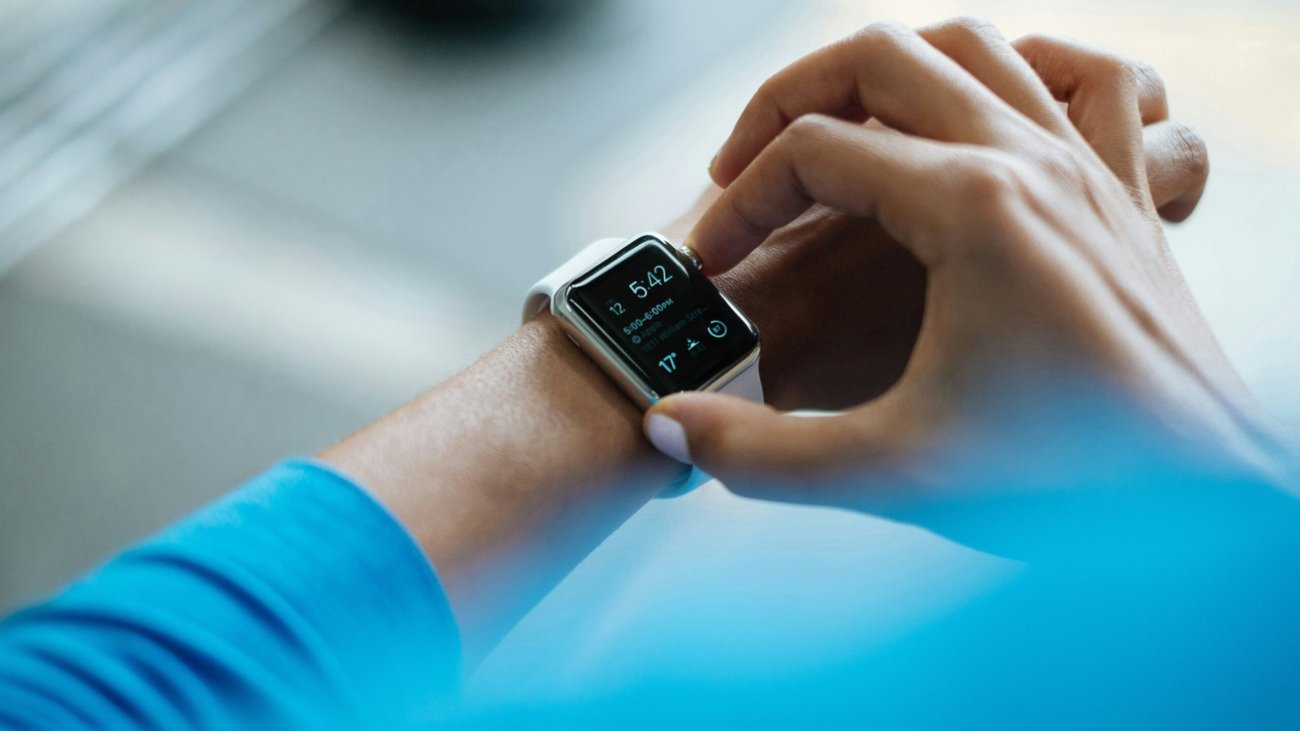
person clicking Apple Watch smartwatch

Fitness for Digital Nomads: Staying Active While Traveling Full-Time

Introduction to Fitness for Digital Nomads

The rise of the digital nomad lifestyle has transformed the way individuals approach work and leisure. As more people embrace the flexibility of remote work, they find themselves traveling frequently, exploring new cultures, and setting up office spaces in various locations. However, this constant movement can pose unique challenges when it comes to maintaining a fitness regimen. Digital nomads often experience disruptions in routine, limited access to fitness facilities, and the temptation to prioritize work over health.

Despite these challenges, integrating fitness into a nomadic lifestyle holds significant benefits. For digital nomads, staying active is essential not just for physical health but also for mental well-being. Regular physical activity can enhance cognitive function, reduce stress, and improve overall mood, all of which are crucial for individuals who frequently face the demands of remote work. Furthermore, engaging in fitness activities can serve as a valuable way to connect with local communities, explore new environments, and find camaraderie with fellow travelers.

Opportunities for fitness abound for those on the move, such as outdoor workouts in scenic locations, participating in local fitness classes, or utilizing bodyweight exercises that require minimal equipment. The key for digital nomads is to remain adaptable and creative in their fitness pursuits, allowing them to incorporate movement into their daily routines seamlessly. With the right mindset and resources, staying active while traveling full-time can become an enriching part of the digital nomad experience, enhancing both productivity and overall life satisfaction.

The Importance of Staying Active While Traveling

For individuals who embrace a digital nomad lifestyle, maintaining an active routine is essential to ensure both physical health and emotional well-being. While traveling full-time often entails long hours spent in front of a laptop, it is crucial to integrate physical activity into daily life. Regular exercise dramatically improves mood, a key factor for those navigating the challenges of constant change and new environments. Activities such as jogging, yoga, or even brisk walking can stimulate the release of endorphins, leading to enhanced happiness and reduced stress levels, factors particularly important for remote workers.

Additionally, staying active contributes to increased energy levels, which can often be depleted by long hours of sedentary work. Engaging in physical activities increases blood flow and oxygen to the brain, resulting in heightened alertness and mental clarity. This boost in energy is not only beneficial for work performance but also enriches leisure time experiences, allowing travelers to fully enjoy the destinations they explore. For instance, hiking in a picturesque landscape or taking part in a local dance class can also provide cultural insights, making fitness a bridge to social engagement.

Moreover, regular physical activity can mitigate the negative effects of fluctuating routines commonly experienced by digital nomads. Establishing a consistent exercise schedule helps normalize a travel lifestyle that can often disrupt sleep patterns and dietary habits. By prioritizing fitness, individuals can achieve a balanced routine that integrates work and leisure seamlessly. Overall, embracing physical activity while traveling serves as a critical foundation for fostering a healthier lifestyle, ensuring that digital nomads can thrive both professionally and personally in their adventurous journeys.

Types of Workouts for the On-the-Go Lifestyle

For digital nomads, maintaining a fitness regime while traveling can be a challenge due to varying environments and often limited workout spaces. However, several types of workouts are well-suited for this lifestyle, allowing individuals to stay active and healthy, regardless of where they are located.

Bodyweight exercises are particularly effective as they require minimal equipment and can be performed in small spaces. Exercises such as push-ups, squats, lunges, and planks can be adapted to fit any environment, from hotel rooms to outdoor parks. These exercises not only promote strength and endurance but also allow for flexibility in the workout routine, making it easier to fit in a training session whenever time permits.

Yoga is another excellent option for digital nomads seeking workouts that can be easily performed in various settings. It enhances flexibility, strength, and mental well-being, ensuring physical activity with a focus on mindfulness. Many online platforms offer classes that can be streamed from anywhere, providing guided sessions tailored to different skill levels. Practicing yoga in tranquil outdoor environments can enhance the experience, fostering a deeper connection to nature while staying active.

Quick interval training is a time-efficient workout that digital nomads can incorporate into their busy schedules. This style involves short bursts of high-intensity exercises followed by brief recovery periods. For example, a 20-minute routine could include a combination of jumping jacks, burpees, and mountain climbers, allowing for a full-body workout that can fit into any travel itinerary. This approach not only builds cardiovascular endurance but also helps to maximize calorie burn in a short timeframe.

By embracing these adaptable workout types, digital nomads can ensure that they maintain a balanced fitness routine, regardless of where their travels take them.

Finding Local Fitness Communities and Resources

For digital nomads, maintaining an active lifestyle while traveling full-time can pose significant challenges. However, engaging with local fitness communities is an effective way to stay motivated and enhance your experience in new destinations. Whether it is joining a nearby gym, participating in a yoga class, or discovering local fitness events, connecting with fellow fitness enthusiasts can greatly enrich your journey.

To identify local fitness resources, utilizing social media platforms and fitness apps can offer insights into gyms, studios, and classes that are available in your area. Websites like Meetup and Eventbrite often list group fitness classes, running clubs, or outdoor activities that foster community involvement. Furthermore, many cities have co-working spaces that double as wellness centers, offering activities such as yoga, meditation, or group workouts, encouraging networking with like-minded individuals.

Being part of a fitness community not only helps maintain one’s physical health but also facilitates social connections. Engaging in group activities provides opportunities to meet new people, often leading to friendships that can make traveling less isolating. Many travelers find that joining a local fitness class helps them to settle into their new surroundings more easily and discover the local workout culture that can vary significantly from one place to another.

In essence, finding local fitness communities and resources is an invaluable strategy for digital nomads. By actively seeking these opportunities, travelers can maintain a robust fitness regime while exploring new cultures and forming connections that enhance their nomadic lifestyle. From friendly group runs to intimate yoga studios, the world is filled with possibilities for those willing to participate in local fitness endeavors.

Creating a Flexible Fitness Routine

For digital nomads, maintaining an active lifestyle while managing various travel commitments can be a challenge. To effectively create a flexible fitness routine, it is essential first to set realistic and achievable fitness goals. Consider the availability of resources, the time you can dedicate to workouts, and any physical limitations you may encounter during your travels. Setting these attainable benchmarks will provide structure to your routine and keep you motivated, even in unfamiliar environments.

Another critical aspect of developing a fitness routine is scheduling workouts around your work commitments. As a digital nomad, your work hours can be unpredictable. Therefore, it is beneficial to carve out time in your schedule specifically for exercise. This may involve waking up earlier, utilizing a lunch break for a quick workout, or planning evening sessions after completing your workday. By prioritizing your fitness alongside your professional responsibilities, you create an essential balance that fosters overall well-being.

Incorporating spontaneity into your fitness practices is equally important to keep your routine fresh and engaging. Explore local activities or group classes available in the area you are visiting. Hiking, cycling, or participating in community sports can be a fun way to immerse yourself in the local culture while staying active. Moreover, using bodyweight exercises or portable fitness equipment can allow you to maintain your workout regimen, regardless of your location.

Overall, a successful fitness routine for digital nomads necessitates a blend of realistic goal-setting, strategic scheduling, and the openness to adapt and embrace new fitness experiences. This combination not only enhances physical health but also enriches the travel experience.

Healthy Eating on the Go

For digital nomads, maintaining a balanced diet while traveling can often present unique challenges. With the constant change in environments, food options may be limited, making it critical to adopt strategies that facilitate healthy eating on the run. To begin with, planning meals in advance is one of the most effective ways to ensure nutritious choices remain accessible. By dedicating a little time each week to meal planning, digital nomads can create a roadmap that guides their dietary decisions, minimizing impulsive choices that are often less healthy.

Moreover, it is important to familiarize oneself with local grocery stores and markets when arriving in a new location. By scouting out these venues, one can identify where to purchase fresh produce, whole grains, and other nutritious staples that form the foundation of a balanced diet. Whenever possible, prioritize foods that are unprocessed and rich in nutrients, such as fruits, vegetables, nuts, seeds, and legumes. These options provide the energy needed to sustain an active lifestyle while traveling.

Additionally, consider creating a portable toolkit that includes snack items that are both filling and nutritious. Snacks such as protein bars, nut butter packets, or dried fruits can conveniently fit into bags and serve as sustenance during long flights or bus rides. Furthermore, utilizing mobile apps designed for healthy eating can help track nutritional intake and guide grocery shopping decisions in foreign countries. These tools can assist in identifying local dishes that align with nutritional goals.

Staying hydrated is equally essential; thus, nomads should carry a refillable water bottle to encourage regular fluid intake. Ultimately, while challenges persist, with the right preparation and mindset, digital nomads can thrive through healthy eating habits that support their active lifestyle.

Utilizing Technology for Fitness

In today’s fast-paced world, technology plays a vital role for digital nomads striving to maintain their fitness. With a plethora of fitness applications and wearable devices, individuals can efficiently track their workouts and monitor their physical activity levels, regardless of their location. Popular apps such as MyFitnessPal and Strava provide users with the ability to log their daily routines, set fitness goals, and analyze their progress over time. This functionality is especially beneficial for those who are constantly on the move, as it helps create a structured fitness plan tailored to their specific needs.

Wearable fitness technology has gained immense popularity, empowering users to take charge of their health. Devices such as smartwatches and fitness trackers allow for real-time monitoring of vital statistics like heart rate, steps taken, and calories burned. These tools are indispensable for digital nomads, as they can ensure that fitness remains a priority during hectic travel schedules. Furthermore, many trackers sync with online platforms, providing a comprehensive overview of one’s fitness journey and enabling easy access to performance data.

Moreover, virtual coaching has transformed the way fitness enthusiasts approach their routines. Digital platforms offer access to personal trainers, who can provide customized workout plans and motivate users through video calls. This level of personalization can be a game-changer for those who may feel intimidated by local gym environments in unfamiliar settings. Additionally, participating in fitness challenges through apps can foster a sense of community, connecting users across the globe who share similar health aspirations and providing mutual support.

Thus, by fully embracing technological advancements, digital nomads can not only enhance their fitness experience but also foster a balanced lifestyle while traveling. Utilizing fitness apps, wearables, and virtual coaching can seamlessly integrate health and fitness into their daily routines, making it easier to adhere to an active lifestyle, no matter where they are in the world.

Incorporating Active Transportation

Active transportation refers to modes of travel that involve physical activity, such as walking, cycling, or even skateboarding. For digital nomads, incorporating active transportation into their daily routine offers numerous benefits that extend beyond mere convenience. One primary advantage is the enhancement of physical activity, which can easily become sidelined while working remotely.

By choosing to walk or bike instead of relying on motorized transport, digital nomads can seamlessly integrate exercise into their daily activities. This not only helps to counteract the sedentary lifestyle that often accompanies remote work but also improves cardiovascular fitness, increases muscle strength, and contributes positively to mental health. The infusion of regular physical activity while traveling can lead to a more balanced and healthier lifestyle.

Furthermore, adopting active transportation enables travelers to explore new areas in a more meaningful way. Low-speed mobility allows individuals to experience their surroundings intimately—discovering hidden gems that they might overlook when navigating through a vehicle. Whether it is stumbling upon a charming café, a local market, or an inspiring street mural, these moments enhance the travel experience and create lasting memories.

Additionally, walking or biking in new destinations can foster a sense of belonging and community. Interacting with locals and fellow travelers provides valuable insights into the culture and enhances one’s sense of place. This relationship with the environment not only enriches the travel experience but also supports sustainable practices, as active transportation contributes to reduced traffic congestion and lower carbon emissions.

Incorporating active transportation is thus a practical yet impactful choice for digital nomads. By embracing walking or biking as a part of their daily routines, they can maintain their fitness levels while simultaneously deepening their connection to the places they visit, ultimately promoting a healthier, more enjoyable travel lifestyle.

Maintaining Motivation and Accountability

For digital nomads, maintaining motivation and accountability in fitness routines can be challenging due to the inherent uncertainties of travel. Frequent changes in environment, time zones, and access to facilities often lead to disruptions in one’s exercise schedule. To overcome these obstacles, it is essential to adopt effective strategies that enhance motivation and sustain commitment to fitness goals.

One of the most effective ways to maintain motivation is to set clear and achievable benchmarks. Establishing specific goals, such as walking a certain number of steps per day or completing particular workout sessions each week, provides direction and purpose. This clarity not only encourages consistent activity but also allows for progress tracking, which is vital for fostering a sense of accomplishment.

Utilizing accountability partners can significantly enhance adherence to fitness routines while traveling. Engaging friends or fellow travelers in shared fitness challenges can create a supportive environment that encourages mutual motivation. Whether it’s committing to weekly check-ins or participating in online fitness groups, the social component of health and fitness can add an essential layer of accountability.

Additionally, celebrating small successes is critical in maintaining a positive outlook on one’s fitness journey. Acknowledging achievements, no matter how minor, can boost morale and inspire a continued commitment to health. This could involve rewarding oneself with a treat after completing a challenging workout or sharing milestones with friends and family for recognition and support.

Incorporating these strategies leads to a more sustainable fitness regimen for digital nomads. By focusing on setting realistic goals, building accountability networks, and appreciating progress, individuals can effectively navigate the challenges of staying active while traveling, ultimately enhancing their overall well-being during their journeys.

woman in black tank top sitting on brown wooden bench

Fitness for Unique Work Environments: Tailoring Your Wellness Routine

Understanding Unique Work Environments

The term “unique work environment” encompasses a variety of settings that differ significantly in terms of physical demands, social interaction, and overall lifestyle. These environments can be broadly categorized into remote work, corporate settings, industrial jobs, and desk-based professions, each presenting distinct characteristics and challenges that influence employees’ fitness and wellness routines.

Remote work, characterized by its flexibility and lack of a centralized location, allows employees to create their own schedules but often leads to increased sedentariness. Workers in this environment may struggle with maintaining an active lifestyle due to distractions at home and the absence of designated break times to engage in physical activity. Additionally, the lack of social interactions can lead to reduced motivation to exercise, necessitating the development of self-directed fitness routines that can be incorporated throughout the day.

In contrast, corporate settings typically offer a more structured environment with regular hours and defined roles. While employees may experience benefits from adhering to a routine, they frequently contend with long hours spent at desks, which can hinder movement. The challenge lies in finding ways to integrate physical activity into the workday, whether through scheduled breaks, walking meetings, or gym access within office buildings. Encouraging a culture of wellness in this environment can significantly enhance employee engagement and overall health.

Industrial jobs, which often require physical labor, present a different set of challenges. Workers in these environments may have physically demanding roles that could lead to fatigue and musculoskeletal injuries. Encouraging proper ergonomics and recovery strategies becomes critical to maintaining their overall fitness along with job performance. Additionally, desk-based professions, while seemingly less physically demanding, often contribute to significant health issues such as obesity and diabetes. They require tailored strategies to incorporate movement effectively into daily routines.

The Importance of Physical Fitness in the Workplace

Physical fitness in the workplace has emerged as a crucial factor in enhancing employee well-being and job performance. It is well-established that integrating regular exercise into one’s daily routine can yield significant benefits, including reduced stress levels and improved mental health. In a world where many individuals find themselves sitting for prolonged periods, the importance of maintaining an active lifestyle cannot be overstated. Research indicates that employees who engage in regular physical activity are more likely to experience increased energy and higher levels of concentration, which directly contribute to increased productivity.

Moreover, the impact of physical fitness extends beyond individual health benefits; it fosters a more positive work environment. Employees who dedicate time to their fitness routines often report higher job satisfaction. Satisfied employees are typically more engaged in their work, demonstrate enhanced collaboration with colleagues, and exhibit greater loyalty towards their employer. This sense of well-being derived from fitness not only benefits individual workers but also improves overall workplace dynamics.

Different work environments may present unique challenges and opportunities for incorporating physical fitness. For instance, in traditional office spaces, companies can introduce initiatives such as standing desks or organized team workouts. Conversely, in remote work settings, individuals may benefit from at-home exercise programs or access to online fitness classes. Regardless of the work setup, the underlying message remains the same: fostering a culture that prioritizes physical fitness can lead to significant dividends in terms of employee mental health and productivity.

In conclusion, prioritizing physical fitness in the workplace is essential for promoting overall employee well-being. The myriad benefits, including improved mental health, reduced stress levels, and enhanced job satisfaction, encourage organizations to tailor their wellness initiatives according to their unique work environment. By championing these efforts, employees are empowered to thrive both personally and professionally.

Identifying Barriers to Fitness in Unique Work Environments

In various work environments, individuals encounter unique barriers that impede their ability to maintain a consistent fitness routine. A significant challenge many face is limited space for exercise. In office settings, for instance, cramped workspaces or a lack of designated areas for physical activity can discourage employees from engaging in fitness-related activities during breaks or after hours. This situation is particularly evident in high-rise buildings or shared offices where environmental constraints make it difficult to find even a moment for a quick workout.

Additionally, the prevalence of long work hours contributes to the difficulty of prioritizing fitness. Employees are often required to dedicate excessive time to their jobs, leaving them with minimal opportunities for physical activity. Many may feel that squeezing in exercise is not feasible due to heavy workloads, leaving them sedentary for prolonged periods. This sedentary work culture can foster a cycle where individuals neglect their health in favor of meeting professional demands, further exacerbating the issue.

Lack of access to fitness resources represents another barrier. In environments where gym facilities are unavailable or costly, employees may find themselves at a disadvantage. This situation is common in remote or decentralized workspaces, where individuals might not have easy access to workout facilities or classes. Without proper access to fitness resources, it becomes harder to engage in regular physical activity, further hampering overall wellness. Moreover, the absence of incentive programs or company-sponsored fitness initiatives can diminish motivation, making it more challenging for employees to commit to their fitness goals.

Recognizing these barriers is essential for developing effective wellness strategies tailored to specific work environments. By understanding the challenges faced, individuals and organizations can implement targeted solutions, encouraging a healthier workplace culture that prioritizes fitness despite the obstacles present.

Adapting Fitness Routines for Remote Work

As remote work becomes increasingly common, adapting fitness routines to align with work-from-home lifestyles is essential. Establishing a dedicated workout space at home can significantly enhance one’s commitment to fitness. Ideally, this space should be separate from workspaces to create a mental distinction between work and exercise. Whether utilizing a corner of a room or finding a specific area in the garage, designating a space with minimal distractions will promote regular physical activity.

Utilizing online resources is another effective strategy for enhancing your fitness routine while working remotely. Numerous platforms offer workout videos, virtual classes, and guided sessions, catering to all fitness levels. These resources not only provide structure but also enable you to explore various fitness modalities, ranging from yoga and pilates to strength training and cardio workouts. By incorporating these online tools into your routine, you can diversify your exercise regimen and maintain motivation through variety.

Goal setting and adherence to a structured schedule are also crucial for maintaining fitness while working remotely. Establish short-term and long-term fitness goals, such as completing a certain number of workouts per week or gradually increasing workout intensity. Writing these goals down and tracking progress can significantly enhance accountability. Additionally, a well-defined schedule incorporating specific workout times can facilitate consistency, ensuring that fitness does not get sidelined by work responsibilities.

Lastly, integrating physical activity into daily remote work habits is fundamental in combating a sedentary lifestyle. Simple practices such as taking regular breaks to stretch, incorporating walking meetings, or using a standing desk can make a substantial difference. Engaging in brief physical activities during the day, such as quick workouts or short walks can not only invigorate your body but improve focus and productivity. By thoughtfully implementing these strategies, remote workers can cultivate effective fitness routines that promote overall well-being.

Incorporating Movement in Corporate Settings

In today’s fast-paced corporate environment, the importance of physical activity cannot be overstated. As employees often find themselves sitting for extended periods, it is crucial to explore various strategies that promote movement within the workplace. Organizations can take the initiative to create a culture of wellness that encourages their workforce to integrate physical activity into their daily routines.

One effective approach is to organize group workouts during lunch breaks or after work hours. These sessions can range from yoga to high-intensity interval training, catering to diverse fitness levels. Engaging employees in group activities not only promotes physical health but also enhances team bonding and morale. Moreover, having a certified instructor can ensure that workouts are safe and effective, improving employee participation and interest.

Another practical step is the introduction of standing desk stations. By providing employees with the option to alternate between sitting and standing, organizations can reduce the negative effects associated with prolonged sitting. Standing desks facilitate movement and can improve posture, energy levels, and overall productivity. Additionally, companies may consider ergonomic assessments to ensure that these workstations are appropriately set up for each employee.

Implementing walking meetings also serves as a beneficial alternative to traditional sit-down meetings. These meetings can take place outdoors or within the office premises, encouraging participants to stay active while discussing important matters. This approach not only fosters creativity but also can lead to more engaged conversations. Furthermore, introducing fitness challenges, where employees can track their physical activity and compete for prizes, can motivate individuals to engage in more frequent exercise. These challenges instill a sense of camaraderie and accountability, inspiring employees to stay active.

By incorporating these initiatives into the corporate setting, organizations can effectively promote a culture of movement that benefits both the employees and the business as a whole. These actions contribute significantly to improving overall well-being, enhancing employee satisfaction, and reducing healthcare costs.

Fitness Solutions for Industrial and Hands-On Jobs

Individuals engaged in industrial and hands-on jobs face distinct challenges in maintaining their physical fitness due to the nature of their work. These jobs often demand high levels of physical exertion, repetitive movements, and the potential for injuries. Therefore, it is essential to adopt a fitness routine that specifically addresses these unique demands, enhancing physical conditioning while preventing injuries.

Strength training is particularly beneficial for those in physically demanding jobs. Implementing a structured strength training program can not only improve muscle power and endurance but also bolster overall workplace performance. Focusing on compound movements—such as squats, deadlifts, and overhead presses—can aid in developing core strength and stability. This core strength is crucial for reducing the risk of injury since many hands-on jobs involve lifting, pushing, and pulling objects. Additionally, bodyweight exercises like push-ups and pull-ups provide a convenient way to build strength without requiring access to a gym.

Incorporating proper ergonomics into daily practices is another vital component of fitness in labor-intensive jobs. Workers should be educated on lifting techniques, body mechanics, and the importance of maintaining good posture during tasks. Ergonomic assessments of workstations can also help minimize strain and fatigue. Utilizing tools that assist in lifting and carrying heavy loads can further enhance safety and prevent musculoskeletal disorders.

Finally, stretching routines are an essential aspect of maintaining flexibility and preventing injuries. Incorporating dynamic stretches before work and static stretches afterward can assist in promoting blood flow to the muscles and increasing overall flexibility. Focusing on key muscle groups used in manual labor, such as the hamstrings, back, and shoulders, can contribute to improved performance and injury prevention. By tailoring fitness solutions to the specific needs of industrial and hands-on jobs, workers can foster better health and enhance their physical well-being on the job.

Mental Fitness and its Impact on Unique Work Environments

Mental fitness plays a crucial role in enhancing overall wellness, particularly in unique work environments where demands and social interactions may differ significantly from traditional settings. The connection between mental health and physical fitness is well-documented; maintaining a balance between the two is essential for sustained performance. In environments that present unique challenges—such as remote work, high-stress roles, or dynamic team interactions—a robust mental framework will aid individuals in navigating these complexities.

One effective technique for boosting mental resilience is the practice of mindfulness. Engaging in mindfulness exercises, such as meditation or focused breathing, helps individuals cultivate self-awareness and emotional regulation. This practice encourages employees to focus on the present moment, reducing anxiety and enhancing productivity. When individuals practice mindfulness, they may experience not just improved mental clarity but also an elevation in their physical fitness levels, as stress can often lead to physical depletion.

Additionally, implementing effective stress management strategies is vital. Techniques such as time management, exercise, and ergonomic workspace adjustments can transform how employees handle workplace stressors. Creating opportunities for regular physical activity serves as a natural stress-reliever, reinforcing the connection between physical fitness and mental well-being. Furthermore, fostering a supportive work environment that promotes open communication can significantly alleviate stress and enhance team cohesion.

Lastly, the importance of work-life balance cannot be overstated. Establishing boundaries between professional responsibilities and personal life allows individuals to recharge, preventing burnout—a common affliction in demanding work settings. Encouraging employees to prioritize their personal time facilitates a healthier lifestyle, ultimately leading to improved mental and physical fitness. By focusing on these practices, individuals in unique work environments can enhance their overall well-being, illustrating the intertwined nature of mental fitness and physical performance.

Creating a Culture of Fitness at Work

Fostering a workplace culture that prioritizes fitness is crucial for improving overall employee well-being and productivity. Achieving this goal requires the commitment and support of management, as leaders play a pivotal role in championing wellness initiatives. Management must not only advocate for fitness programs but also actively participate in them, setting a positive example for employees. This visibility illustrates the importance of health and wellness and encourages staff to engage in physical activities.

One effective strategy to create a culture of fitness at work is to implement organized wellness programs. These could range from group fitness classes, walking meetings to wellness challenges that encourage friendly competition. Incorporating flexible work hours can also allow employees to dedicate time to exercise, whether it’s before work, during lunch breaks, or after hours. By providing resources such as gym memberships, fitness workshops, or access to online wellness platforms, management can further support employees in their wellness journeys.

Engagement of employees is critical when building a community focused on health and fitness. Encouraging peer-led activities, such as running clubs or yoga sessions, fosters camaraderie and motivates participation. Regular communication through newsletters, meetings, or social media about upcoming fitness events or challenges can keep the momentum going and create excitement around wellness activities. Recognizing and celebrating achievements, whether big or small, can also reinforce the commitment to fitness and inspire others to join in.

Peer support within a workplace culture greatly contributes to individual success in achieving fitness goals. Establishing a buddy system where employees can partner with others promotes accountability and shared motivation. This collective focus on health within the office can lead to higher engagement in fitness-oriented programs, improving team dynamics and overall workplace morale. By prioritizing fitness, organizations not only enhance their employees’ well-being but also create a thriving work environment where health is valued and encouraged.

Success Stories: Fitness in Action Across Different Work Environments

Integrating fitness into diverse work environments has proven to be beneficial for both employees and organizations. Companies across various industries have implemented innovative approaches to promote wellness and achieve positive outcomes. For instance, a technology firm based in Silicon Valley recognized the challenges its employees faced due to long hours spent in front of screens. To combat sedentary behavior, the company introduced standing desks and designated walking meetings. Feedback from employees indicated a marked increase in energy levels and productivity, illustrating the effectiveness of integrating movement into their daily routines.

In the healthcare sector, a hospital in New York launched an initiative called “Wellness Wednesdays,” where healthcare professionals could participate in yoga or pilates sessions during their breaks. This initiative not only alleviated stress but also fostered teamwork among departments. Staff testimonials revealed that these fitness activities led to a significant improvement in morale and collaboration, further enhancing patient care through less stressed professionals.

Another inspiring case comes from a retail company that faced high turnover rates attributed to employee burnout. To address this, the organization developed a fitness program that included strength training classes and nutrition workshops, tailored to fit into the employees’ schedules. Over time, they observed decreased absenteeism and an increase in job satisfaction. Employees reported feeling more engaged and motivated, showcasing the direct comfort fitness can bring to work-life balance.

Moreover, a remote team specializing in digital marketing adopted a virtual fitness challenge to promote health among its members. Each month, employees participated in various physical activities, competing against each other while sharing their progress on social media platforms. This initiative not only nurtured a sense of community but also encouraged an active lifestyle, despite geographical barriers.

These examples demonstrate how tailored fitness strategies can lead to remarkable success in unique work environments. By adopting creative solutions for wellness, organizations can boost employee well-being, ultimately creating a healthier and more productive workspace.

A group of bottles sitting on top of a wooden stick

Fitness and Hormonal Cycle Syncing: The Ultimate Guide for Women

Understanding the Hormonal Cycle

The hormonal cycle, also known as the menstrual cycle, is a complex interplay of hormones that guide a woman’s reproductive health and influence various physiological aspects. This cycle typically spans 28 days but can vary from 21 to 35 days in different women. It consists of four primary phases: menstrual, follicular, ovulatory, and luteal. Each phase is characterized by specific hormonal changes that have profound effects on a woman’s body and mind.

The menstrual phase marks the beginning of the cycle, lasting around 3 to 7 days. During this time, estrogen and progesterone levels are low, leading to the shedding of the uterine lining. Women may experience cramping, fatigue, and lower energy levels due to these hormonal fluctuations. This phase often influences mood, causing some women to feel more introspective or irritable.

Following the menstrual phase is the follicular phase, which lasts from day 1 to approximately day 14. During this phase, the pituitary gland releases follicle-stimulating hormone (FSH), promoting the growth of ovarian follicles. Estrogen levels begin to rise, leading to increased energy levels and enhanced mood. This phase is often associated with a peak in motivation and an ideal time to increase physical activity.

The ovulatory phase occurs around the midpoint of the cycle, typically around day 14. During ovulation, a surge in luteinizing hormone (LH) results in the release of an egg from the ovary. Estrogen reaches its peak, resulting in heightened energy, improved mood, and increased libido. It is an optimal time for engagement in intense workouts due to elevated energy levels.

Finally, the luteal phase commences post-ovulation, lasting from about day 15 to day 28. In this phase, progesterone levels rise, preparing the body for a potential pregnancy. Many women experience premenstrual symptoms (PMS), including mood swings, bloating, and fatigue. As energy levels can fluctuate, this phase may call for adjusted fitness routines to accommodate a woman’s changing physical and emotional states.

The Importance of Cycle Syncing

Cycle syncing is a concept that prioritizes the alignment of fitness routines with the various phases of a woman’s hormonal cycle. Understanding and recognizing the impact of hormonal fluctuations on physical and mental well-being is crucial for optimizing health and performance. By syncing fitness regimens with these fluctuations, women can experience enhanced results and better overall quality of life.

The hormonal cycle, which typically lasts around 28 days, consists of several distinct phases: the follicular phase, ovulation, luteal phase, and menstrual phase. Each phase is characterized by varying hormone levels, particularly estrogen and progesterone, which influence energy levels, mood, and physical strength. By tailoring workouts to correspond with these physiological changes, women can maximize their workout efficiency and effectiveness.

Firstly, aligning exercise with the menstrual cycle can lead to improved energy management. For instance, during the follicular phase, energy levels often rise, making it an ideal time for high-intensity workouts. Conversely, during the luteal phase, women may experience fatigue, which can necessitate a shift to lower-impact activities. This adjustment not only prevents burnout but also reduces the risk of injury, allowing women to engage in fitness more sustainably.

Furthermore, cycle syncing supports enhanced mental health by encouraging a greater awareness of one’s body. Recognizing the signals that come with hormonal shifts allows women to adapt their activities accordingly, fostering a more positive relationship with exercise. This awareness can lead to improved mood and motivation, making fitness a more enjoyable and rewarding experience.

Ultimately, cycle syncing emphasizes the importance of listening to one’s body and respecting its natural rhythms. By integrating fitness routines with the hormonal cycle, women can harness the benefits of their unique physiology to achieve optimal health and performance.

Phase 1: Menstrual Phase Fitness Strategies

The menstrual phase is an important time within the hormonal cycle that can greatly influence a woman’s fitness regimen. During this phase, women may experience physical symptoms such as cramps, bloating, and fatigue, along with emotional changes that can include mood swings and irritability. Therefore, it is essential to adopt fitness strategies that are both supportive and nurturing during this period.

Low-impact exercises are often recommended to accommodate the physical discomforts associated with menstruation. Gentle yoga poses can not only help alleviate cramps but also promote a sense of relaxation and emotional stability. Poses such as Child’s Pose and Cat-Cow are particularly beneficial, allowing for gentle movement while encouraging mindfulness and connection with one’s body.

In addition to yoga, stretching can be an effective strategy to relieve tension and improve flexibility. Engaging in targeted stretches can help soothe tight muscles and enhance physical comfort throughout the menstrual cycle. It is advisable to incorporate stretches that focus on the lower back, hips, and abdominal area, as they can alleviate common discomforts experienced during this phase.

Walking is another excellent option as it offers a non-strenuous cardiovascular activity that can uplift your mood and promote circulation without straining the body. A leisurely walk, whether outdoors or on a treadmill, can serve as an effective means to attain some light activity while allowing for a reflective moment during a time that may feel challenging.

Self-care is crucial during the menstrual phase. Listening to your body and adjusting your fitness activities accordingly can foster a more positive and nurturing experience. Engaging in light exercise while practicing mindfulness can help in managing both physical and emotional symptoms, laying a foundation for a balanced approach throughout the hormonal cycle.

Phase 2: Follicular Phase Fitness Strategies

The follicular phase, which begins after menstruation and lasts until ovulation, is characterized by rising estrogen levels and an overall increase in energy. During this phase, women often experience heightened stamina and a motivation to engage in more intense physical activities. This period presents a unique opportunity to optimize fitness routines through targeted strategies that can enhance performance and results.

Strength training emerges as an essential component of the fitness regimen during the follicular phase. With estrogen on the rise, muscles tend to recover faster, allowing for more frequent and intense workouts. Incorporating compound movements, such as deadlifts, squats, and bench presses, can be particularly beneficial. These exercises not only build strength but also engage multiple muscle groups, promoting overall fitness and efficiency.

High-Intensity Interval Training (HIIT) is another excellent strategy to leverage during this energetic phase. The combination of short bursts of intense activity followed by brief rest periods maximizes cardiovascular benefits while also boosting metabolic rates. Women can experiment with various HIIT formats, including cycling, sprinting, or bodyweight exercises, to find what suits them best. This variety can keep workouts engaging and prevent monotony.

Finally, incorporating cardiovascular workouts into the fitness routine is also advisable during the follicular phase. Activities such as running, swimming, or group fitness classes can be invigorating and reinforce energy levels. Engaging in these workouts not only enhances cardiovascular health but can also provide an emotional and mental boost, contributing to overall well-being.

In utilizing these fitness strategies—strength training, HIIT, and cardiovascular routines—women can capitalize on the favorable hormonal environment of the follicular phase. This not only promotes physical gains but also fosters a positive attitude towards their fitness journey.

Phase 3: Ovulatory Phase Fitness Strategies

The ovulatory phase of the menstrual cycle presents a unique opportunity for women to harness their natural energy and motivation to maximize fitness outcomes. This phase typically occurs around the midpoint of the cycle and is characterized by increased levels of hormones such as estrogen and luteinizing hormone. These hormonal changes can result in a surge in physical and mental energy, making it an ideal time to engage in high-intensity workouts and stimulating group classes.

During this phase, many women may find themselves more inclined to participate in social fitness settings. Group classes provide not only a structured environment for physical activity but also an important social component that can enhance motivation and enjoyment. The camaraderie and encouragement from peers can lead to improved performance and a more satisfying workout experience. Engaging in circuit training, high-intensity interval training (HIIT), or even dance classes can capitalize on the heightened sense of competitiveness and drive present during the ovulatory phase.

Moreover, pushing physical limits during this peak period can yield significant benefits. Women may discover that they can lift heavier weights, maintain higher cardio endurance, or participate in more challenging fitness routines than at other times in their cycle. This is beneficial not only for physical adaptation and overall fitness progression, but also for mental resilience. Each workout can build confidence and reinforce a sense of accomplishment, further motivating individuals to stay active and committed to their fitness goals.

Incorporating strategies that align with the ovulatory phase can enhance both enjoyment and effectiveness of workouts. As women focus on high-intensity activities and social interactions during this time, they can optimize their fitness routines in a way that supports their unique physiological needs.

Phase 4: Luteal Phase Fitness Strategies

The luteal phase, occurring roughly 10 to 14 days prior to menstruation, signifies a crucial time for women to adjust their fitness routines due to hormonal fluctuations. During this period, energy levels often decline as the body prepares for a potential menstrual cycle, necessitating more thoughtful physical activity planning. It becomes essential to recognize these changes to maintain overall wellbeing while preventing overexertion.

To accommodate the body’s lower energy state, it is advisable to incorporate lower-impact exercises into your fitness regimen. Activities such as Pilates, yoga, and light resistance training can provide excellent alternatives to high-intensity workouts. These exercises not only help maintain physical fitness but also promote mindfulness and stress relief, which can be especially beneficial during the luteal phase. The aim here is to transition to gentler forms of movement that respect the body’s need for restoration while still encouraging cardiovascular and strength maintenance.

Moreover, incorporating more structured rest days into your weekly plan allows your body to recover effectively. Adequate rest helps mitigate fatigue and can alleviate some of the PMS symptoms many women experience during this time. On days when energy feels particularly low, engaging in light stretching or leisurely walks can also prove advantageous, facilitating blood circulation and improving mood without exhausting the body.

Nutrition additionally plays a pivotal role in managing PMS symptoms throughout the luteal phase. Emphasizing a balanced diet rich in whole foods, such as fruits, vegetables, lean proteins, and healthy fats, can positively influence both physical performance and emotional well-being. Moreover, keeping hydrated and minimizing processed foods can further help in reducing bloating and irritability. By adjusting fitness strategies and mindful nutrition during the luteal phase, women can create a more harmonious approach to their health, paving the way for a smoother transition into the next menstrual phase.

Nutrition and Cycle Syncing

Nutrition plays a critical role in supporting a woman’s hormonal cycle, as the varying phases of the menstrual cycle can influence energy levels, mood, and overall well-being. Each phase—menstrual, follicular, ovulatory, and luteal—has distinct hormonal profiles that can guide specific nutritional strategies to optimize health and performance. By aligning dietary choices with the cyclical nature of hormones, women can effectively manage energy demands and nutritional needs.

During the menstrual phase, which often involves lower energy levels, it is beneficial to focus on nutrient-dense foods. Incorporating iron-rich options such as spinach, lentils, and lean meats can help replenish lost iron, while omega-3 fatty acids from sources like flaxseeds and walnuts may alleviate menstrual discomfort. Additionally, complex carbohydrates, such as whole grains, contribute to stabilizing blood sugar levels, aiding in overall energy maintenance.

As the cycle progresses into the follicular phase, estrogen levels rise, and energy may increase. This is an ideal time to emphasize lean proteins, fresh vegetables, and healthy fats. Foods rich in phytonutrients—such as berries and green leafy vegetables—can support liver function and aid in estrogen metabolism. Timing of meals can be adjusted to additional pre- and post-workout nutrition, enhancing recovery during exercise.

In the ovulatory phase, when energy peaks, incorporating a balanced intake of macronutrients is essential. Focus on carbohydrates that fuel workouts, alongside sufficient proteins to support muscle synthesis. Hydration remains key, especially with increased exertion, with electrolytes proving beneficial. As the luteal phase sets in, women might experience cravings or fatigue; thus, maintaining stable blood sugar levels through regular meals and incorporating magnesium-rich foods—like pumpkin seeds—can aid in managing symptoms and promoting relaxation.

Engaging with these tailored nutritional strategies not only supports hormonal health but also enhances overall physical and mental performance throughout the menstrual cycle. Optimal nutrition, when aligned with hormonal cycling, can empower women to navigate their unique physiological experiences more effectively.

Listening to Your Body: Wellness Beyond Fitness

Understanding the intricate relationship between physical fitness and hormonal cycles is paramount for women seeking optimal health. While structured workouts are essential, it is crucial to recognize the importance of self-care practices that cater to individual needs. Listening to one’s body goes beyond just the gym; it encompasses a comprehensive approach to wellness that integrates stress management and restorative activities. By prioritizing self-care, women can effectively enhance their physical well-being while honoring their hormonal fluctuations.

Self-care can take many forms, from dedicated time for relaxation to engagement in hobbies that bring joy and fulfillment. Taking time to unwind can help reduce stress levels, which is vital given that heightened stress can disrupt hormonal balance. Activities like meditation, yoga, or simply indulging in a leisurely walk in nature can significantly foster emotional resilience. Such restorative practices not only contribute to mental health but also enhance physical fitness, creating a harmonious balance between body and mind.

Moreover, adequate sleep cannot be overlooked as a crucial component of wellness. Sleep is essential for hormone regulation and overall recovery after physical activity. Establishing a nighttime routine that promotes restful sleep can be a significant factor in optimizing performance and well-being. Women should also consider their nutritional needs by listening to their bodies’ cravings, which often signal underlying nutrient requirements, especially during different phases of the hormonal cycle.

Ultimately, embracing a holistic approach that encompasses both structured fitness routines and restorative self-care practices will empower women. By tuning into their bodies, they can navigate their hormonal cycles effectively, improving their overall quality of life while maintaining physical fitness. This synergy between self-care and fitness is fundamental in achieving long-term health and well-being.

Common Misconceptions About Women’s Fitness and Hormones

Understanding the relationship between women’s fitness and hormonal cycles is often clouded by misconceptions that can lead to confusion and misinformation. One prevalent myth is that women should avoid strenuous exercise during menstruation. In reality, research has shown that moderate physical activity can offer relief from menstrual discomfort and may boost mood through the release of endorphins. While it is crucial to listen to one’s body, many women find they can sustain or even enhance their fitness routines during this time.

Another common misunderstanding involves the belief that women cannot perform at their peak during certain phases of their menstrual cycle. Some studies suggest that hormonal fluctuations do impact energy levels and performance, yet these effects can vary significantly among individuals. For many women, strength and endurance can remain consistent throughout their cycle or even peak at different times, depending on various factors including training and nutrition. Thus, there is no one-size-fits-all answer, and personal experience should guide training plans.

Moreover, there are misconceptions about the extent to which hormones can influence muscle gain and fat loss. While hormonal fluctuations may play a role in these physical changes, factors such as diet, sleep, and training intensity are equally important. It is a comprehensive approach to fitness that ultimately determines success rather than an overemphasis on hormonal cycles.

Moreover, it is essential to recognize that women’s bodies are diverse, and fitness strategies should be tailored to individual needs. Encouraging women to engage in active discussions with healthcare professionals about fitness, hormones, and personal health can help dispel myths and promote a more balanced view of training and wellness throughout the menstrual cycle.

Conclusion: Embrace Your Cycle for Optimal Fitness

Understanding the intricate relationship between fitness and hormonal cycles is essential for women seeking to enhance their overall wellbeing and performance. By acknowledging the unique biological rhythms that characterize the menstrual cycle, women can optimize their fitness journeys, leading to improved physical health and increased emotional balance. Cycle syncing not only helps tailor workout routines in alignment with hormonal fluctuations but also promotes a stronger connection between the body and mind.

Embracing this approach encourages women to become more attuned to their bodily changes, recognizing the energy ebbs and flows that accompany different phases of the menstrual cycle. During the follicular phase, for example, increased energy levels offer a prime opportunity for high-intensity training and endurance workouts. Conversely, the luteal phase may necessitate a shift towards restorative practices such as yoga and low-impact exercises, ensuring alignment with the body’s changing needs.

To successfully integrate cycle syncing into one’s fitness routine, women should track their menstrual cycles, noting key physical and emotional changes. This awareness will aid in making informed decisions about workout intensity, duration, and types of exercises suitable for each phase. Additionally, prioritizing proper nutrition to support hormonal health is crucial. Foods rich in omega-3 fatty acids, vitamins, and minerals can significantly enhance energy levels and overall mood, thus complementing the cycle syncing methodology.

Ultimately, every woman possesses a unique hormonal landscape. By embracing these fluctuations, women can take ownership of their fitness journeys and celebrate their individuality. Recognizing the power of hormonal cycle syncing not only fosters a greater understanding of one’s body but can also lead to enhanced fitness outcomes and an empowered approach to overall health and wellbeing.

woman holding fork in front table

Fitness and Mindful Eating: A Harmonious Approach to Health

Introduction to Mindful Eating and Fitness

Mindful eating is a practice that encourages individuals to cultivate awareness of their eating habits and to engage fully in the experience of eating. This approach is rooted in the principles of mindfulness, which emphasizes the importance of being present in the moment. By focusing on the sensations of hunger and satiety, as well as the flavors, textures, and aromas of food, people can develop a deeper connection with what they consume. This heightened awareness can lead to healthier food choices and a more positive relationship with food.

When integrated with fitness, mindful eating not only enhances overall wellbeing but also complements physical activity. Being present while eating allows one to better recognize bodily cues, ultimately leading to improved energy management during workouts. Fitness activities, such as jogging, yoga, or weight training, require fuel and nutrition for optimal performance. By practicing mindful eating, individuals may become more attuned to their nutritional needs, which can support their fitness routines and goals.

Moreover, this harmonious approach encourages individuals to prioritize quality over quantity when it comes to food consumption. Mindful eating fosters an appreciation for nutritious foods, encouraging individuals to seek out and savor items that align with their health objectives. This practice doesn’t just restrict eating to the act of refueling; rather, it transforms meals into an experience to be enjoyed, thus promoting emotional satisfaction alongside physical health.

As we delve deeper into the relationship between mindful eating and fitness, it becomes evident that this holistic approach can lead to sustainable lifestyle changes. By merging both practices, individuals are better equipped to foster improved health outcomes, ultimately resulting in long-term well-being. Embracing this mindful perspective serves as a valuable foundation for anyone looking to enhance their fitness journey while nurturing a positive relationship with food.

The Philosophy of Mindfulness in Eating

The philosophy of mindfulness, rooted in ancient contemplative traditions, emphasizes a heightened awareness of the present moment. In the context of eating, this practice invites individuals to engage fully with the experience of food, transforming a routine activity into a profound exercise of self-awareness and appreciation. By focusing on the act of eating, individuals can develop a deeper relationship with their food, allowing for healthier eating habits to emerge organically.

One of the core principles of mindful eating is paying attention to hunger cues. This involves listening to the body’s signals regarding when it is hungry or full, rather than adhering strictly to external schedules or social norms. By tuning into these cues, individuals can cultivate a more intuitive relationship with food, leading to more balanced meal planning and a reduction in overeating. Mindfulness encourages eaters to honor their body’s needs, promoting a more sustainable approach to nutrition.

Another significant aspect of the mindful eating philosophy is the appreciation of flavors and textures. Taking the time to savor each bite enhances the eating experience, allowing individuals to truly enjoy their meals. This practice not only deepens satisfaction but also encourages individuals to choose healthier, more wholesome foods that they can appreciate fully. As flavors are savored, the emphasis shifts from quantity to quality, fostering an environment where mindful choices can flourish.

Moreover, reducing distractions during meals is crucial to practicing mindfulness. Engaging fully in the act of eating means putting away phones and avoiding multitasking. Creating a serene dining environment enables individuals to focus on their food, leading to greater contentment and awareness. As people adopt these mindful techniques, they may observe significant changes in their relationship with food, helping them to make healthier choices and enhancing their overall well-being.

Benefits of Mindful Eating on Fitness Goals

Mindful eating is a practice that encourages individuals to focus on the sensory experience of food while being aware of their hunger and satiety cues. This approach can significantly complement fitness goals, offering a variety of benefits that enhance overall health and well-being. One key advantage of mindful eating is its ability to improve digestion. When individuals eat slowly and savor each bite, they are more likely to chew their food thoroughly, which can promote better digestive processes and nutrient absorption. Studies have shown that individuals who engage in mindful eating report fewer digestive complaints, which can lead to a more comfortable and effective workout experience.

Furthermore, mindful eating plays a crucial role in weight management. Research indicates that practicing mindfulness during meals can lead to reduced calorie intake, as individuals learn to listen to their bodies and recognize true hunger signals. This awareness helps prevent overeating and promotes healthier food choices that align with fitness aspirations. For instance, one study found that participants who practiced mindful eating lost more weight over a six-month period compared to those who did not. By focusing on the tastes and textures of food, individuals are less likely to consume high-calorie processed foods, fostering better nutritional habits.

Another important aspect of mindful eating is its contribution to recognizing fullness. Individuals often consume food on autopilot, leading to overeating. Mindful eating encourages people to pause and assess their level of hunger or fullness throughout the meal. This awareness not only aids in portion control but also cultivates a more positive relationship with food. Real-life examples highlight individuals who have successfully integrated mindful eating into their fitness journeys, reporting increased satisfaction with meals and improved adherence to their diet plans. Overall, adopting mindful eating practices can pave the way for individuals to achieve their fitness goals while fostering a deeper connection with their food and health. In conclusion, mindful eating is a powerful strategy for enhancing fitness outcomes through improved digestion, weight management, and awareness of hunger cues.

Integrating Mindful Eating into Your Fitness Routine

Incorporating mindful eating into your fitness routine is a process that requires intentionality and planning. To start, it is essential to synchronize your meal planning with your workout schedules. This practice allows you to fuel your body adequately for exercise while ensuring that you maintain energy levels throughout the day. Consider creating a weekly meal prep plan that aligns with your workout days, focusing on nutritious foods that supply the necessary macro and micronutrients to support your physical activity.

Particular attention should be paid to post-workout nutrition, as this is a critical time for recovery. Consuming a balanced meal that combines protein, carbohydrates, and healthy fats within an hour after exercising can promote muscle repair and replenish glycogen stores. Examples of effective post-workout snacks include a smoothie with protein powder and fruits, or a chicken salad with quinoa and assorted vegetables. These choices enhance recovery and prepare your body for future workouts.

Pre-exercise meals also play a significant role in enhancing performance and enjoyment of physical activity. Opt for easily digestible foods that can provide a burst of energy without causing discomfort. Ideal pre-workout options may include a banana, yogurt, or oatmeal, consumed approximately 30 to 60 minutes before your session. Staying hydrated is equally important; drink water before, during, and after your workout to maintain optimal fluid balance.

To further integrate mindful eating into your routine, practice eating slowly and without distractions. Pay attention to your hunger and fullness cues, and choose foods that nourish your body. By blending these mindful eating practices with your fitness regimen, you create a sustainable approach to health that fosters both physical fitness and mindful awareness of your eating habits.

Mindful Eating Techniques for Active Lifestyles

In an age where convenience often dictates eating habits, incorporating mindful eating techniques can significantly enhance dietary choices, even for individuals with busy schedules. One effective method involves meal prepping, which not only saves time but also allows for thoughtful selection of ingredients. Planning meals in advance ensures that nutritious options are available, reducing the likelihood of impulsive eating. Setting aside a few hours each week to prepare meals can foster a deeper connection with food, as you become more aware of what you are consuming.

Another technique for practicing mindful eating amidst a hectic lifestyle is to engage in quick mindful eating exercises. These exercises can be as simple as taking a moment to appreciate your food before eating. Try focusing on the colors, textures, and aromas of your meal. This brief mindfulness exercise encourages a greater awareness of the food’s qualities and can enhance the overall eating experience. Even a one-minute pause before meals can lead to more conscious eating habits, allowing you to savor your food rather than consuming it absentmindedly.

Additionally, cultivating mindfulness during group meals can further reinforce these techniques. Engage in conversations about the origins of your food or share opinions about flavors and textures, which can create a shared appreciation of meals. Alternatively, initiate a group intention of eating slowly and savoring each bite. This approach not only makes the dining experience more enjoyable but also solidifies mindful eating as a collective practice, enhancing the social aspect of meals while keeping everyone connected to their food choices.

By implementing these mindful eating techniques into an active lifestyle, individuals can foster a healthier relationship with food, promoting overall well-being and making mindful choices more accessible, irrespective of a busy routine.

Overcoming Challenges in Mindful Eating

Embracing mindful eating can be a transformative journey towards better health, yet individuals often encounter several challenges along the way. One of the primary obstacles is dealing with cravings. Cravings may arise from various factors, including hunger, stress, or emotional triggers. To manage these urges, one practical strategy is to pause and assess the craving’s root cause. This pause allows individuals to determine whether they are physically hungry or if other emotions drive their desire for certain foods. Practicing self-awareness in these moments enables one to make more intentional choices, aligning eating habits with overall fitness goals.

Emotional eating presents another significant hurdle. People often resort to food to cope with stress, boredom, or sadness, which can disrupt the mindful eating practice. To combat emotional eating, it is crucial to develop alternative coping mechanisms. Techniques such as journaling, meditation, or engaging in physical activity can provide healthier outlets for emotions. Furthermore, fostering a compassionate mindset towards oneself plays a vital role. Recognizing that occasional indulgence or emotional eating is part of being human can diminish feelings of guilt and shame, enabling individuals to return to their mindful eating practices more easily.

Social pressures can also challenge one’s commitment to mindful eating. Dining out with friends or attending gatherings often brings an array of high-calorie options and encourages mindless consumption. This scenario can create difficulties in maintaining mindful practices. To navigate this, individuals can prepare in advance by choosing food options that align with their mindful eating principles while also allowing for social enjoyment. Communicating one’s dietary goals with friends or seeking supportive company can further assist in staying accountable. By cultivating resilience against these common challenges, individuals can enhance their mindful eating journey, ultimately contributing to a healthier lifestyle that complements their fitness objectives.

Creating a Supportive Environment for Mindful Eating

Creating a conducive environment for mindful eating is essential for cultivating a healthier relationship with food. The physical and mental surroundings in which meals are consumed can significantly influence eating behaviors and overall eating experiences. To begin with, a calm and inviting dining space is critical. Ensure that your eating area is neat and organized, as clutter can lead to distractions and detract from the enjoyment of food.

Incorporating soothing colors, comfortable seating, and natural light can enhance the ambiance and foster relaxation. Additionally, choosing the right acoustic elements is important. Soft background music, or even the absence of sound, can create a tranquil atmosphere that allows for a more focused eating experience. Avoid loud or chaotic settings, as excessive noise can detract from the mindful appreciation of flavors, textures, and aromas.

Minimizing distractions during mealtime is another vital aspect of creating a supportive environment. This includes turning off televisions, silencing mobile devices, and avoiding other electronic distractions that may draw attention away from the food. Engaging with food while you eat—by concentrating on each bite and its taste—can lead to higher satisfaction and a more fulfilling experience.

Furthermore, communal involvement plays a significant role in enhancing the mindful eating journey. Encouraging family members and friends to join in mindful eating practices can foster a supportive community. Sharing meals with loved ones while practicing mindfulness allows for connection and mutual reinforcement of healthy habits. Organizing regular family meals or mindful eating workshops can help establish these practices while also promoting an atmosphere of togetherness.

Ultimately, creating a supportive environment for mindful eating can significantly contribute to one’s overall approach to health and wellness. By paying attention to physical surroundings, minimizing distractions, and fostering a community spirit, individuals are more likely to enjoy their meals and make healthier choices.

Real Success Stories: Mindful Eating and Fitness Transformations

Numerous individuals have shared transformative journeys that emphasize the benefits of integrating mindful eating with a consistent fitness regimen. One compelling case is that of Sarah, a 32-year-old marketing executive who struggled with weight management for over a decade. Frustrated with fad diets and quick-fix solutions, she decided to explore the principles of mindful eating. By incorporating this approach into her daily routine, Sarah began to develop a deeper awareness of her hunger cues and emotional triggers associated with food. This newfound understanding allowed her to make healthier choices without feeling deprived. Coupled with a tailored fitness program, Sarah lost 30 pounds over the course of a year, significantly improving her overall well-being.

Equally inspiring is the story of David, a 45-year-old father of three, who sought to model healthy behavior for his children. After realizing that his sedentary lifestyle was unsustainable, David committed to both fitness and mindful eating strategies. He began to track his meals through a food journal, paying attention to what he consumed and the accompanying feelings. This awareness led to conscious decisions to include more nutrient-dense foods in his diet. Additionally, David adopted a regular workout routine featuring strength training and cardio exercises that he could do at home. Remarkably, within eight months, he not only lost 40 pounds but also significantly increased his energy levels, allowing him to engage more actively with his family.

Another poignant example is that of Lisa, a recent college graduate who battled anxiety and unhealthy eating habits. Through mindfulness practices, Lisa learned to navigate her emotions without relying on food for comfort. Implementing gradual changes—such as mindfulness meditation and simple meal preparations—helped her develop a healthier relationship with food. Concurrently, she engaged in group fitness classes, fostering a sense of community that further motivated her. Lisa’s journey culminated in a healthier lifestyle, characterized by a balanced diet and regular physical activity, enabling her to thrive both mentally and physically.

These success stories exemplify the profound impact of combining mindful eating with fitness efforts. As each individual found their path, their transformations serve as testimonies to the potential for achieving health goals through awareness and consistent practice.

Conclusion

The journey towards a healthier lifestyle is a multifaceted approach that involves integrating fitness with mindful eating. Throughout this blog post, we have examined the importance of these two elements and how they complement each other to foster overall well-being. Mindful eating encourages individuals to develop a deeper awareness of their food choices, enhancing appreciation for nourishment and helping to prevent overconsumption. By focusing on the sensory experiences of eating, individuals learn to listen to their bodies, thereby promoting a more intuitive approach to nutrition.

Simultaneously, incorporating fitness into one’s daily routine serves to enhance physical health, improve mental clarity, and boost emotional well-being. Engaging in regular physical activity not only aids in weight management but also encourages better sleep patterns, reduced stress levels, and increased self-esteem. A commitment to exercise empowers individuals to take control of their health and establishes a solid foundation upon which to implement mindful eating practices.

Combining these two principles creates a harmonious framework that supports individuals in achieving their health goals. By reflecting on personal habits, one can identify areas that require change, such as excessive snacking or engaging in exercise solely for aesthetic purposes. It is essential to strive for balance, understanding that both mindful eating and fitness have significant roles in promoting overall health. By fostering a healthy relationship with food, while also committing to regular physical activity, individuals can pave their own path to a fulfilling lifestyle.

As we look towards the future, it is beneficial for readers to consider the implementation of these practices in their daily lives. A conscious effort to embrace mindful eating alongside a dedicated fitness regimen can lead to lasting health changes and an enriched quality of life.