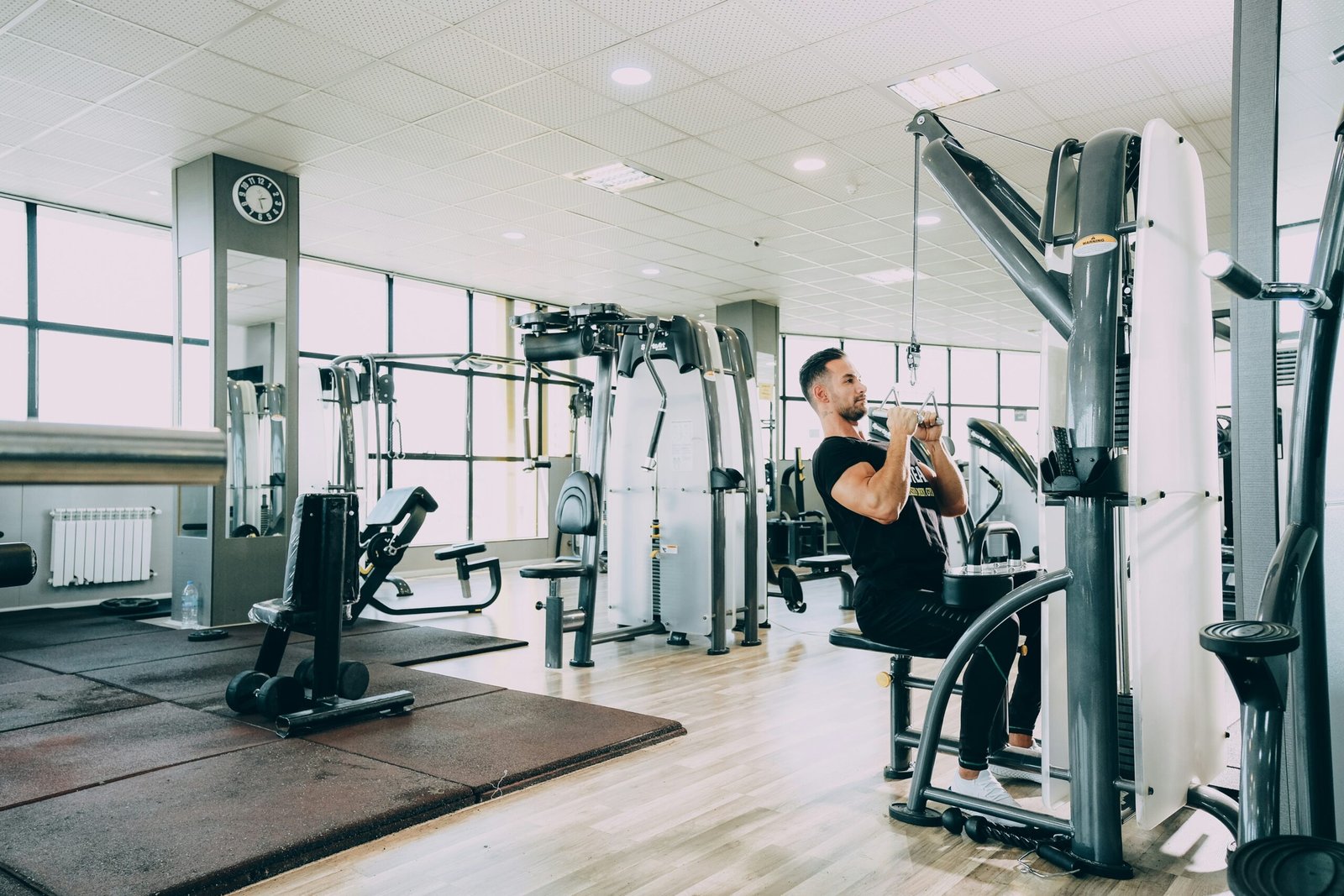

Introduction to Fitness and Survival Skills
Fitness is commonly associated with aesthetic improvement, but its significance extends far beyond mere physical appearance. In the context of survival skills, physical fitness is an essential component that can dramatically impact one’s ability to react and adapt during emergencies and outdoor adventures. The connection between physical fitness and the execution of survival skills is pivotal, as those who are physically prepared are often better equipped to handle unpredictable situations effectively.
Survival scenarios require a combination of strength, stamina, agility, and mental resilience. A fit individual possesses the physical capabilities necessary for navigating challenging terrains, constructing shelters, foraging for food, and performing other essential survival tasks. These situations often demand quick actions and sustained effort, making physical conditioning a critical factor in achieving success. As such, fitness can be viewed as an investment in one’s ability to flourish in adverse conditions.
Moreover, being prepared goes beyond the physical aspect; it also encompasses mental readiness. Individuals with robust fitness levels often exhibit greater confidence and improved decision-making abilities under pressure. By embracing a holistic approach to fitness that incorporates both physical training and mental conditioning, one can enhance their overall readiness for survival scenarios. This dual focus allows individuals to not only endure the physical challenges associated with survival but also navigate the psychological hurdles that often accompany them.
In summary, understanding fitness as a vital component of survival skills highlights the interplay between physical training and the mental acuity needed in emergencies. By prioritizing fitness, individuals can ensure that they are well-prepared for both the physical and psychological demands of outdoor adventures and unexpected crises.
The Importance of Physical Fitness in Survival Situations
Physical fitness is a crucial component in effectively navigating survival situations, where individuals may face extreme challenges. The demands of survival often require a unique combination of strength, endurance, agility, and flexibility. Each of these attributes plays a pivotal role in enabling individuals to perform various survival tasks necessary to ensure their safety and well-being.
Strength is essential for tasks such as building a shelter, which might involve lifting and moving heavy materials. A physically fit individual can more easily construct a protective structure from branches or debris, significantly improving their chances of weathering harsh conditions. For instance, in a survival scenario in a dense forest, strong individuals are more likely to manipulate large logs to create a sturdy shelter quickly.
Endurance is equally important, particularly when it comes to long-distance travel in search of food or escape from danger. Survivors with higher cardiovascular fitness levels are better equipped to sustain prolonged physical activity, which can be vital in scenarios, such as when foraging for food or attempting to reach safety by foot. The story of a hiker who became lost in remote terrain highlights this; those who could endure long days of walking were more likely to find their way back to civilization.
Agility allows for quick reactions to unforeseen circumstances, whether it be evading a wild animal or navigating treacherous terrain. The ability to move swiftly and with precision can mean the difference between successfully escaping danger or facing dire consequences. Furthermore, flexibility aids in performing various physical tasks and reduces the risk of injury, which is especially important in high-stress situations.
Real-world examples underline the impact of fitness on survival outcomes. Individuals who maintain a high level of fitness often report better experiences and outcomes in survival courses, reinforcing the idea that physical preparedness is vital in survival contexts.
Key Survival Skills That Enhance Fitness
Engaging in survival skills not only equips individuals with essential knowledge for emergencies but also provides an effective avenue for enhancing fitness. Skills such as fire building, shelter construction, foraging, and climbing serve distinct purposes while promoting overall physical health. Each of these skills can be examined through the lens of fitness elements, showcasing their utility beyond mere survival.
Fire building involves various physical activities, including gathering wood, chopping, and arranging materials. This process, which requires cardiovascular endurance and dexterity, engages multiple muscle groups, promoting core strength and overall fitness. Furthermore, the kneeling and squatting positions often used during fire preparation improve lower body fitness and flexibility.
Shelter construction is another vital survival skill that doubles as a full-body workout. The act of gathering and manipulating materials, such as branches and leaves, engages the upper body and core significantly. The physical negotiation of various tasks—lifting, stacking, and securing—helps to build strength and improve coordination, vital components of physical fitness. Additionally, designing a shelter that can withstand elements challenges one’s balance and spatial awareness.
Foraging is an activity that combines walking or hiking, often over uneven terrain, with the mental challenge of identifying edible plants. This not only provides cardiovascular exercise but also enhances agility and balance. Frequent movement through diverse environments mirrors fitness activities such as trail running or nature hikes, contributing positively to an individual’s cardiovascular health.
Lastly, climbing as a survival skill is an effective workout that integrates strength, endurance, and balance. Whether scaling a rock wall or climbing trees, this activity engages the upper body greatly while conditioning core and leg muscles. Climbing demands both physical and mental fitness, rewarding practitioners with increased stamina and improved muscle coordination.
The intersection of survival skills and fitness illustrates the importance of integrating practical activities into one’s exercise routine, promoting a healthier lifestyle while preparing for unforeseen circumstances.
Creating a Survival Fitness Training Regimen
Developing a training regimen that effectively combines fitness with the essential skills required for survival can be both rewarding and beneficial. At the core of this regimen should be a balanced approach that integrates various fitness elements with practical survival exercises. Begin by assessing your current fitness level, and then set realistic goals tailored to your abilities and desired outcomes.
One effective strategy is to incorporate a mix of cardiovascular, strength, and flexibility training, as each component plays a crucial role in general fitness and survival preparedness. Cardiovascular exercises, such as running, hiking, or cycling, can enhance stamina and endurance, which are vital in survival situations. Aim for at least 150 minutes of moderate cardio per week, gradually increasing intensity or duration as your fitness improves.
Strength training should focus on functional movements that utilize multiple muscle groups. Exercises such as push-ups, squats, lunges, and planks not only build strength but also mimic the physical demands encountered in survival scenarios. Resistance bands and bodyweight workouts are also practical and can be performed in outdoor settings. It is advisable to engage in strength training sessions at least twice a week, allowing adequate recovery between sessions.
Incorporating flexibility training, such as yoga or stretching routines, is equally important. This enhances mobility, reduces injury risk, and improves overall functional capacity. Consider dedicating at least one day per week to flexibility exercises.
To make your survival fitness training regimen effective, simulate real-world scenarios within your workouts. Activities like navigating through rough terrain (trail running) or practicing outdoor skills (such as shelter building or navigation) can be perfectly integrated. As you progress, remember to adjust the intensity and volume of your exercises based on your personal fitness level to avoid injury and sustain motivation.
Mental Fitness: The Unsung Component of Survival
In the realm of survival skills, mental fitness often remains an overlooked component, overshadowed by physical prowess. However, the reality of survival scenarios highlights the critical need for robust mental fortitude. When facing unpredictable circumstances, the ability to make sound decisions rapidly can distinguish between life and death. Decisions made under duress must not only be quick but also informed by a strategic problem-solving approach, emphasizing the importance of mental fitness in critical situations.
A key element of mental fitness is resilience, which encompasses the capacity to adapt to challenges and recover from setbacks. This resilience can be cultivated through various techniques aimed at enhancing one’s psychological strength. For instance, stress management exercises are instrumental in conditioning the mind to remain calm and focused under duress. Techniques such as deep breathing, progressive muscle relaxation, and visualization can help individuals maintain clarity of thought during crisis situations, allowing for more effective responses.
Another essential strategy in building mental fitness is mindfulness, which encourages individuals to stay present and aware in the moment. Practicing mindfulness enables one to observe their thoughts and emotions without judgment, fostering a greater emotional regulation. This practice not only aids in enhancing decision-making capabilities but also contributes to improved overall mental well-being—vital for anyone engaged in survival training.
Moreover, drills that simulate survival scenarios can be beneficial in reinforcing decision-making and problem-solving skills. These exercises prepare individuals to face real-life challenges with a clearer mindset. By integrating both mental and physical training, one can achieve a well-rounded preparedness for any survival situation. This holistic approach underscores the significance of mental fitness as an integral facet of survival skills, ensuring individuals are equipped to face adversities head-on.
Real-Life Applications: Stories of Survival
Throughout history, remarkable stories of survival have emerged, showcasing how individuals have overcome life-threatening challenges through fitness and survival skills. These narratives not only highlight the human spirit but also illustrate the practical application of physical and mental preparedness in critical situations. One such story is that of Aron Ralston, an American climber who faced a harrowing experience in 2003. While hiking in a remote canyon in Utah, Ralston became trapped when a boulder fell and pinned his arm. In this dire situation, his fitness level and mental fortitude played crucial roles. After being trapped for over five days, Ralston made the courageous decision to amputate his own arm using a multi-tool. This act of survival was propelled by his physical strength and determination, ultimately allowing him to escape and seek help.
Another inspiring tale comes from the world of maritime survival. In 1999, a sailor named Steven Callahan found himself adrift in the Atlantic Ocean after his boat capsized. Equipped with only a life raft and minimal supplies, Callahan relied on his extensive knowledge of survival techniques and physical conditioning to endure the challenging conditions. Over the course of 76 days, he practiced innovative fishing methods, collected rainwater for hydration, and remained mentally alert despite the odds stacked against him. His dedication to fitness, coupled with rock-solid mental preparation, allowed him to survive and ultimately led to his rescue.
These accounts underscore the significant role of fitness and survival skills in real-life situations. The preparedness demonstrated by applicants like Ralston and Callahan serves as a testament to how physical conditioning, adaptability, and mental resilience can empower individuals in the face of unthinkable challenges. These narratives not only offer a glimpse into the survival instinct but also inspire others to cultivate their fitness and skills, potentially saving lives in times of crisis.
Common Challenges in Survival Fitness Training
Engaging in survival fitness training can present several challenges that may deter individuals from fully committing to this unique form of physical activity. One of the primary obstacles is the lack of access to suitable outdoor environments. Many individuals live in urban areas where natural settings are limited, making it difficult to practice essential survival skills that often require space and varied terrains. To overcome this issue, individuals can seek nearby parks or recreational areas, or even utilize home-based workouts that simulate outdoor activities and prioritize functional fitness.
Another significant challenge is the limited knowledge of survival skills among beginners. While many people may desire to include survival techniques in their fitness routines, they might feel overwhelmed by the breadth of knowledge required. This barrier can be mitigated by enrolling in classes, joining local survival training groups, or engaging with online videos tutorials. By gradually building their skillsets, individuals can enhance their confidence and effectively integrate survival tactics into their fitness training.
Furthermore, balancing survival fitness training with everyday responsibilities can pose a considerable hurdle. The demands of work, family, and social obligations may leave little time for dedicated training sessions. To address this challenge, incorporating survival skills into existing fitness routines can be beneficial. Individuals can opt for exercises that mimic survival situations, such as obstacle courses, hiking, or strength training using unconventional equipment like rucksacks. Setting realistic goals and prioritizing time for training can create a sustainable routine, fostering motivation and lasting commitment to survival fitness.
In navigating these challenges, it becomes evident that with proper planning and the right resources, individuals can not only engage successfully in survival fitness training but also cultivate a deeper appreciation for the skills and knowledge gained through such experiences.
Community and Resources for Survival Fitness Enthusiasts
The integration of fitness and survival skills has garnered considerable interest, leading to the establishment of various communities and resources aimed at enthusiasts eager to enhance their capabilities. Numerous fitness groups and camps are now dedicated to survival training, offering individuals the opportunity to engage in hands-on experiences while improving their physical health. These communities promote an active lifestyle rooted in practical knowledge, emphasizing the importance of fitness not only for personal well-being but also for survival in uncertain situations.
Survival training camps are an excellent resource for those looking to combine fitness with essential survival skills. These camps often provide structured programs that teach techniques such as fire-making, shelter construction, and foraging while incorporating physical conditioning exercises. Participants can expect to face challenges that simulate survival scenarios, thereby fostering teamwork and resilience. Many of these camps are led by experienced instructors with backgrounds in wilderness survival, military training, or outdoor education, ensuring that attendees receive valuable insights and practical experiences.
In addition to physical camps, online resources also play a pivotal role in connecting survival fitness enthusiasts. Various forums and social media groups cater specifically to this niche, allowing individuals to share experiences, seek advice, and find workout partners. Websites dedicated to survival training often feature articles, videos, and blogs that cover fitness tips alongside survival skills. These platforms encourage continuous learning and engagement within the survival fitness community, making it easier for individuals to stay informed about workshops, events, and new literature.
By actively participating in these communities and utilizing available resources, individuals can deepen their understanding of survival fitness. This not only enhances physical performance but also prepares them with critical skills that may prove invaluable in various life situations. Such involvement fosters a supportive environment where learning and fitness go hand in hand.
Conclusion: Embracing a Dual Fitness Journey
As we have explored throughout this blog post, the integration of fitness and survival skills creates a synergy that enhances not only physical health but also mental resilience and preparedness for unforeseen circumstances. Engaging in a variety of physical activities, from strength training to navigation exercises, cultivates a well-rounded fitness regime that can prepare individuals for both everyday challenges and extreme situations. The prioritization of functional fitness, which emphasizes movements that mimic real-life activities, can be particularly beneficial in developing the strength and agility necessary for survival scenarios.
Incorporating survival skills into fitness routines provides an opportunity for holistic personal development. Skills such as first aid, outdoor navigation, and food procurement not only foster self-sufficiency but also promote a sense of empowerment. Mastering these skills can instill confidence, translating into greater resilience in various aspects of life. Furthermore, a dual fitness journey encourages physical activity in diverse environments, enhancing adaptability and survival instincts, which are essential in both urban and wilderness settings.
By actively engaging in both fitness and survival skills training, individuals can significantly broaden their capabilities. This connection between two seemingly distinct fields highlights the importance of being prepared for any circumstance, promoting a comprehensive approach to wellness. As you consider embarking on your own journey, remember that the rewards extend beyond physical capabilities to include improved mental toughness and readiness for life’s unpredictability. Embracing this dual fitness journey will not only enhance your personal fitness levels but also ensure you are equipped to face life’s challenges head-on.