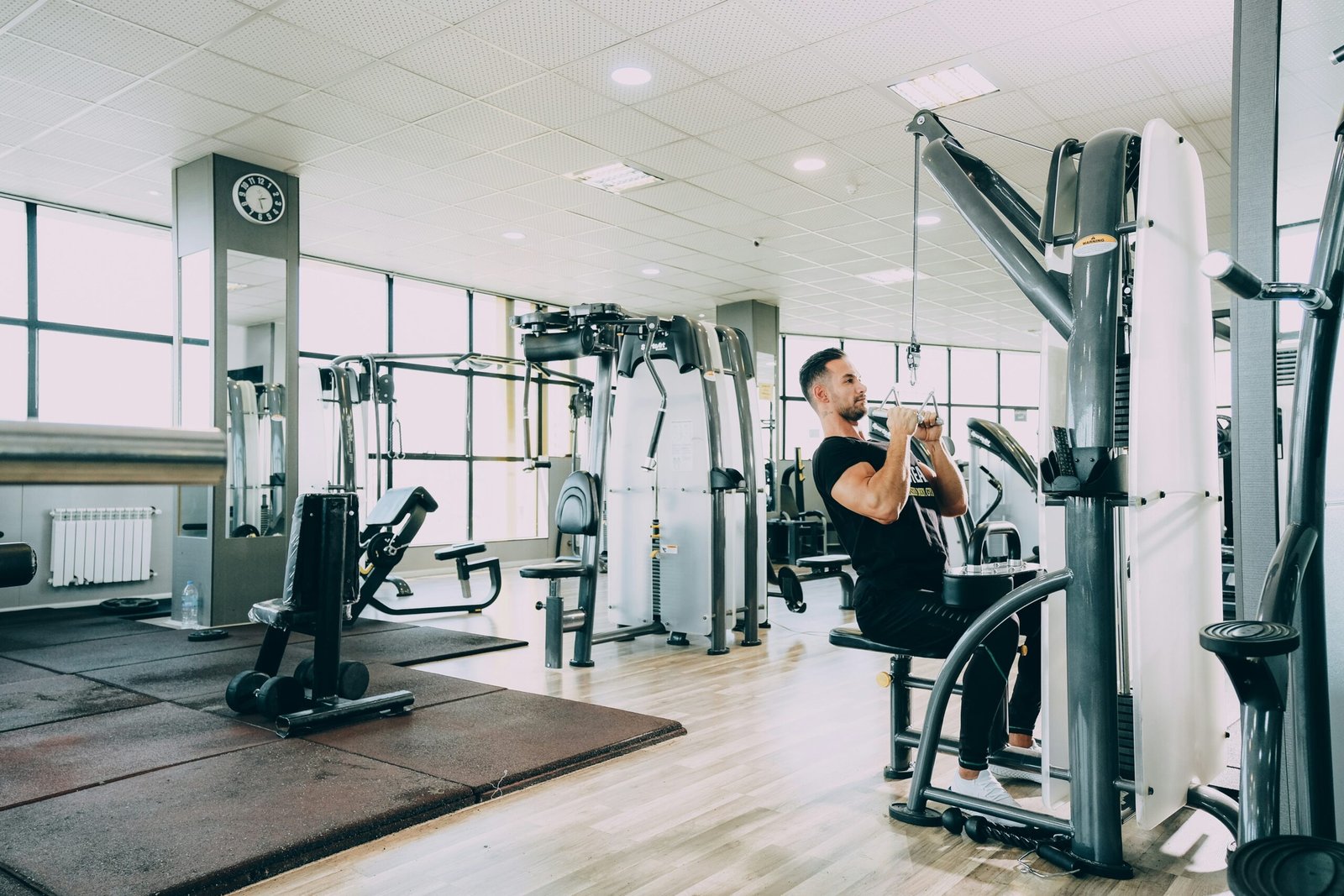

Introduction to Micro-Fitness
In recent years, the concept of micro-fitness has gained prominence among individuals seeking to improve their health and well-being amidst the demands of modern life. Micro-fitness refers to the practice of integrating small, manageable changes into daily routines that collectively lead to significant improvements in physical health and fitness. This approach is rooted in the understanding that minor modifications, whether they involve adjustments to exercise regimens, dietary habits, or overall lifestyle choices, can accumulate over time to yield substantial benefits.
The philosophy behind micro-fitness emphasizes sustainability over sheer volume or intensity. In an era characterized by hectic schedules and increasing responsibilities, many individuals find it challenging to commit large blocks of time to exercise or extensive meal planning. Micro-fitness offers a practical solution by allowing for incremental changes that fit seamlessly into busy lifestyles. For instance, incorporating short bursts of physical activity—such as a few minutes of stretching or brisk walking—can make a difference without the need for lengthy gym sessions.
This approach can also extend to dietary choices, where making small modifications, such as opting for healthier snacks or increasing water intake, can lead to positive dietary habits over time. Micro-fitness fosters a mindset of gradual improvement, encouraging individuals to recognize that every small effort contributes to their overall health journey.
The growing popularity of micro-fitness reflects a broader shift towards personalization in health and wellness. As people increasingly seek efficient ways to enhance their fitness levels and maintain their well-being, understanding and applying the principles of micro-fitness becomes essential. By focusing on attainable goals, this method not only promotes better physical health but also fosters a more positive relationship with fitness and self-care.
The Science Behind Micro-Fitness
Micro-fitness is grounded in several scientific principles that indicate small, incremental changes can significantly enhance an individual’s overall health and well-being. The fundamental concept revolves around the idea that minimal adjustments to daily routines can yield substantial benefits over time. Various studies have substantiated this principle, demonstrating that the cumulative effect of tiny behavioral changes can lead to an improved health profile.
One compelling study conducted by researchers at the University of Scranton highlighted that making small dietary adjustments—such as substituting unhealthy snacks with healthier options—could effectively reduce caloric intake, contributing to better weight management. Participants who implemented these tiny changes reported an average weight loss over the course of several months, reinforcing the notion that micro-fitness can make a significant difference without drastic lifestyle overhauls.
Furthermore, the impact of micro-fitness on cardiovascular health is noteworthy. A comprehensive review in the American Journal of Public Health found that short bursts of physical activity, even when totaling just a few minutes throughout the day, can help lower blood pressure and improve heart function. These findings imply that integrating brief moments of activity into the daily schedule can aid in maintaining cardiovascular health, making it a practical strategy for those with a busy lifestyle.
Additionally, micro-fitness offers mental health benefits. Research published in the Journal of Happiness Studies demonstrates that small, positive actions—such as taking a brief walk during breaks or engaging in breathing exercises—can elevate mood and reduce anxiety levels. These minor interventions foster a greater sense of well-being and provide a path to improved mental health by encouraging individuals to incorporate wellness practices seamlessly into their daily lives.
The evidence presented emphasizes that micro-fitness is not merely an abstract concept; rather, it is a scientifically-supported approach to achieving significant health improvements through manageable changes.
Identifying Opportunities for Micro-Fitness
Micro-fitness refers to the incorporation of small, manageable activities into your daily routine that can lead to significant health benefits over time. Identifying these opportunities requires a keen awareness of your daily habits and the willingness to make subtle adjustments. Every day presents numerous chances to integrate micro-fitness activities, often during common tasks.
One of the simplest ways to incorporate micro-fitness into your life is by opting for stairs instead of elevators or escalators. This small change elevates your heart rate and strengthens your legs and core. If your workplace is on a higher floor, taking the stairs may initially seem daunting, but the cumulative effect of this practice can be substantial over time.
Another effective method is to utilize phone calls as an opportunity for movement. Instead of sitting at your desk during calls, consider walking around your office or stepping outside for a quick walk. This approach not only promotes physical activity but also encourages a more dynamic engagement during conversations, which can enhance creativity and problem-solving.
Short breaks during work hours can also serve as ideal moments for micro-fitness. Instead of scrolling through your phone or sitting idly during breaks, perform a few quick exercises such as squats, lunges, or stretches. These activities can refresh your mind and muscles, increasing productivity when you return to your tasks.
Moreover, incorporating micro-fitness activities into your home life can be equally beneficial. Simple tasks such as doing calf raises while brushing your teeth or executing quick stretches while watching TV can seamlessly integrate fitness into your routine without requiring extra time consideration.
By recognizing and seizing these everyday moments for micro-fitness, individuals can foster healthier habits and promote their well-being, demonstrating that small actions can lead to significant health improvements.
Micro-Fitness Techniques and Strategies
Integrating micro-fitness into daily routines involves adopting simple techniques that enhance physical activity without requiring substantial time commitments. One effective approach is the use of short, high-intensity exercises during breaks in a busy schedule. For instance, performing a series of bodyweight exercises such as push-ups, squats, or lunges for just five to ten minutes can significantly elevate heart rate and improve overall fitness. These mini-workouts can be seamlessly incorporated during work breaks, serving dual purposes of fitness enhancement and mental rejuvenation.
Stretching routines also play an essential role in micro-fitness. Incorporating simple stretches at regular intervals throughout the day can relieve tension and improve flexibility. Focused movements, such as neck rolls or seated hamstring stretches, can be performed discreetly in an office or home setting. These moments not only promote physical wellness but also contribute to enhanced mindfulness, providing an opportunity to tune into one’s body and reduce stress levels.
Mindful movement practices, such as yoga or tai chi, can offer substantial benefits as well. Engaging in short sequences of these disciplines can promote balance, strength, and relaxation. Even dedicating a few minutes to deep breathing exercises can help in calming the mind. Consider setting aside a time slot each day for these mindful practices, which ensure that one remains connected with their body amidst daily obligations.
Implementing these micro-fitness strategies requires minimal disruption to one’s schedule. Setting reminders or utilizing apps that encourage movement can be effective in maintaining commitment. Moreover, involving family or colleagues in these activities can foster a supportive environment that emphasizes well-being. By making tiny changes gradually, individuals can create a significant impact on their overall fitness and health.
The Role of Technology in Micro-Fitness
In today’s fast-paced world, technology plays a pivotal role in fostering micro-fitness practices. As individuals seek to incorporate small yet effective changes into their daily routines, a variety of technological tools have emerged that can facilitate this journey. One prominent example is fitness tracking applications. These apps not only allow users to set specific goals but also track their progress over time. By providing regular feedback and reminders, they encourage individuals to engage in brief exercise sessions throughout the day, seamlessly integrating micro-fitness into their lifestyles.
Wearable devices further enhance the potential of micro-fitness. Smartwatches and fitness bands are equipped with features that monitor heart rate, step count, and even sleep patterns. Many devices provide alerts, prompting users to stand up after prolonged periods of inactivity. This simple nudge can lead to increased movement and significant health benefits over time. Moreover, some wearables offer guided micro-workouts that can be performed in a matter of minutes, allowing users to prioritize their health without extensive time commitments.
Online platforms and communities also play a significant role in motivating individuals to embrace micro-fitness. Many platforms offer short, guided exercise videos specifically designed for quick workouts. Users can find routines that suit their level of expertise and available time, ensuring that even a few minutes of exercise are accessible. Additionally, social features within these platforms allow users to connect, share progress, and participate in challenges that keep them engaged and accountable in their fitness journeys.
This integration of technology not only simplifies the process of maintaining an active lifestyle but also fosters a sense of community among users. By utilizing these tools, individuals are empowered to make small yet impactful adjustments to their daily routines, thereby enhancing their overall well-being. As technology continues to evolve, its role in promoting micro-fitness is likely to grow, offering innovative solutions that cater to the needs of busy individuals.
Overcoming Barriers to Micro-Fitness
The journey toward adopting micro-fitness habits can be hindered by several common barriers such as procrastination, time constraints, and lack of motivation. Understanding these obstacles is key to overcoming them effectively, allowing individuals to incorporate small, manageable changes into their daily routines and thus reap significant health benefits.
Procrastination is often rooted in the perception that fitness requires substantial time and effort. To combat this tendency, it can be helpful to shift focus from grand plans to simple, actionable steps. For instance, setting a timer for just five minutes to engage in a quick exercise can be an excellent way to initiate movement without overwhelming oneself. Incorporating shorter bouts of activity into everyday tasks, such as doing squats while brushing teeth or taking the stairs instead of the elevator, can help normalize physical activity, aligning well with the micro-fitness philosophy.
Time constraints are another prevalent challenge. Many people feel that their schedules are too packed to incorporate fitness at all. To navigate this barrier, it is essential to identify micro-fitness opportunities that fit seamlessly into daily life. Committing to a brief walk during lunch breaks or stretching while watching television can effectively add activity without requiring extensive time investment. Emphasizing the value of these small changes can motivate individuals to create their own pockets of time for movement.
Lastly, a lack of motivation can deter individuals from making changes. Establishing a support system or joining a community that embraces micro-fitness can foster accountability and encouragement. Sharing goals with friends or family and celebrating tiny milestones can keep the momentum going. Furthermore, recognizing that every bit of movement contributes to overall well-being can reinforce the notion that micro-fitness is not merely a choice but a valuable aspect of a healthy lifestyle.
Success Stories: Real-Life Examples of Micro-Fitness
Micro-fitness, a concept centered around making small, manageable changes to enhance one’s health, has gained traction as individuals recognize its potential for significant life improvements. Many people have embraced this progressive approach, leading to remarkable transformations that serve as motivation for others. One such individual is Sarah, a busy professional and mother, who struggled with chronic fatigue. By incorporating brief, three-minute stretching sessions throughout her day, she managed to alleviate tension in her body and rejuvenate her energy. This tiny adjustment not only improved her physical well-being but also enhanced her productivity at work and home.
Another inspiring story is that of Peter, an office worker who spent long hours at his desk. He decided to implement a micro-fitness strategy by walking for five minutes every hour. This small, yet impactful decision drastically improved his cardiovascular health and mental clarity. Peter reported feeling more engaged in his daily tasks, leading him to take on additional responsibilities at work that he had previously shied away from. The shift in his activity not only transformed his physical state but also positively affected his career trajectory.
Moreover, Linda, a retiree with a penchant for gardening, discovered that adding ten minutes of mindful gardening each day could provide a dual benefit: physical movement and mental relaxation. By tending to her garden with intention, she not only increased her daily physical activity but also found solace in nature, providing both mental and emotional benefits. Her commitment to micro-fitness fostered a fulfilled life, marked by better health and happiness. These real-life examples of micro-fitness illustrate how minor tweaks to daily routines can lead to substantial changes, encouraging others to initiate their personal health journeys. Implementing micro-fitness can thus redefine one’s lifestyle, making wellness attainable for everyone.
Creating Your Micro-Fitness Plan
Developing a personalized micro-fitness plan is an essential step towards incorporating beneficial movements into your daily routine. Begin by setting achievable goals that align with your lifestyle. Consider starting with small, incremental targets rather than overwhelming aspirations. This allows you to build confidence and fosters a sense of accomplishment as you progress. For instance, rather than committing to an hour of daily exercise, aim for just five to ten minutes of activity each day, gradually increasing the duration and intensity as your body adapts.
Next, select micro-fitness activities that resonate with your preferences. These activities can range from simplistic stretching and walking routines to incorporating physical movements during breaks at work. Engaging in activities you genuinely enjoy will make it easier to maintain consistency. If you’re a fan of nature, consider taking lunchtime walks in nearby parks. Alternatively, if you enjoy music, you might choose to dance or do quick routines around your home whenever you have spare moments.
Establishing a routine is pivotal in making micro-fitness a permanent aspect of your life. Designate specific times throughout your day to engage in these micro-workouts, integrating them seamlessly into your existing schedule. Additionally, utilize tools to track your progress. This could be through a journal, a mobile app, or a simple checklist to monitor your activities and achievements. These records not only provide motivation by visualizing your growth but also allow you to adjust your goals when necessary.
Lastly, remain adaptable in your routine. Life can often be unpredictable, requiring flexibility in your fitness plan. If certain activities become less appealing, explore new options that can reinvigorate your commitment to staying active. By crafting a micro-fitness plan tailored to your unique situation, you will cultivate a healthy habit that promotes well-being and enhances your quality of life.
Conclusion: Embracing the Micro-Fitness Mindset
As we’ve explored throughout this blog, the concept of micro-fitness emphasizes the significance of small, incremental changes in our daily routines that can collectively yield substantial health benefits. By integrating these tiny modifications, individuals can cultivate a sustainable approach to fitness that does not require drastic lifestyle overhauls. This mindset not only makes fitness more accessible but also more enjoyable, allowing people to find joy in each step forward.
One of the key takeaways is that micro-fitness champions consistency over intensity. Engaging in brief yet effective physical activities, such as short stretches, quick walks, or even standing up during work, can seamlessly fit into one’s busy schedule. This renders fitness less intimidating and more achievable, especially for those who may feel overwhelmed by traditional workout regimens.
Additionally, embracing the micro-fitness mindset encourages individuals to develop a positive relationship with their bodies and health goals. It shifts the focus from the scale to the journey, promoting a holistic view of well-being that includes mental and emotional health. Each micro-commitment contributes to building a more resilient and healthier lifestyle, reinforcing the idea that progress does not need to be drastic to be meaningful.
Therefore, as we conclude, it is essential to recognize the power of micro-fitness. Let us commit to adopting these small yet impactful changes in our daily lives. Encourage friends and family to join in this journey as well, fostering a supportive environment that champions collective progress. Together, we can celebrate each victory, no matter how small, as we pave the way toward improved health and well-being.