
Introduction
Traveling offers an exciting opportunity to explore new cultures, meet different people, and enjoy various cuisines. However, it also presents unique challenges, particularly when it comes to maintaining a consistent fitness routine. Many travelers find that their regular schedules are disrupted, leading to changes in their physical activity levels and dietary habits. When one is constantly on the move, it can be difficult to carve out time for exercise, especially if hotel facilities are limited or non-existent.
The lack of access to gyms or workout spaces can make it challenging to stick to a fitness regimen. Instead of the usual fitness routine, travelers often find themselves engaging in more sedentary activities such as long flights, car rides, or hotel stays. This not only affects physical health but can also impact mental well-being, as regular exercise is linked to improved mood and energy levels. Moreover, the temptation of rich and unfamiliar foods can lead to dietary choices that deviate from one’s usual nutrition plans.
Despite these challenges, it is essential to prioritize fitness while traveling, as it plays a crucial role in maintaining overall well-being. Staying fit can enhance energy levels, improve mood, and aid in coping with the stresses that often accompany travel. Furthermore, incorporating physical activity into one’s travel routine can lead to opportunities to explore destinations in a more engaging way, whether it’s hiking through a national park, biking along scenic routes, or participating in local workout classes.
Finding a balance between enjoying the local culture and maintaining fitness may seem daunting; however, with a few strategic tips and tricks, it is entirely possible to stay fit while traveling. Recognizing the importance of staying active and making intentional choices can lead to a fulfilling travel experience without sacrificing health and fitness goals.
Plan Your Fitness Schedule
Maintaining a fitness routine while traveling can prove challenging, making it imperative to plan a fitness schedule beforehand. The key to successfully integrating workouts into your trip lies in assessing your available time and designing an exercise plan that fits within your itinerary.
Begin by evaluating your travel itinerary. Identify blocks of time that can be utilized for physical activity. Consider early mornings or late evenings, when schedules are often less hectic. Utilize travel breaks effectively; a quick jog or a brief workout can be achieved during layovers or while waiting for your next appointment. By earmarking specific times for exercise, it becomes easier to adhere to a fitness schedule on the road.
When designing your fitness plan, consider the types of exercises that require minimal or no equipment. Bodyweight exercises such as push-ups, squats, or lunges can easily be performed in a hotel room or a nearby park. Additionally, utilizing resistance bands or a yoga mat can expand your workout options while still keeping your luggage light. A well-rounded fitness routine can include a mix of cardiovascular activities, strength training, and flexibility exercises, ensuring that all aspects of physical fitness are addressed.
Incorporating physical activity into your overall travel plans is also vital. Choose accommodations with fitness facilities, or seek out nearby parks and trails for outdoor workouts. Consider incorporating local activities such as hiking or cycling tours, which not only provide exercise but also allow travelers to explore new destinations. These strategies not only help maintain your fitness schedule but also enrich your travel experiences.
Ultimately, with effective planning and a focus on feasible exercise options, staying fit while traveling becomes an achievable goal. By laying out a fitness schedule in advance and remaining flexible, travelers can maintain their health and well-being no matter where their journey takes them.
Pack Smart: Essentials for Your Fitness Journey
Traveling often presents challenges when it comes to maintaining a consistent fitness routine; however, with careful planning and the right gear, it is achievable. A well-thought-out packing strategy can ensure that essential fitness equipment is included without causing undue weight to your luggage. When selecting items to take on your fitness journey, prioritizing versatility and compactness is crucial.
Resistance bands are an excellent addition to any travel fitness kit. These bands come in varying resistance levels and can be used for a full-body workout, targeting different muscle groups in a space-efficient manner. Their lightweight and flexible nature allows them to easily fit in a suitcase or carry-on, making them a top choice for those looking to stay active on the go. Users can execute a variety of exercises, from squats to chest presses, all while utilizing limited space.
Another practical piece of equipment is a jump rope, which is not only compact but also highly effective for cardiovascular training. Jumping rope can provide an efficient workout that elevates heart rates and burns calories, making it an excellent option for those pressed for time. The portability of this piece of equipment allows you to work out almost anywhere, whether in a hotel room or at a park, promoting active movement even during hectic travel schedules.
Lastly, travel-friendly workout clothes should not be overlooked. Opt for moisture-wicking, lightweight fabrics that offer comfort and breathability. These can be easily packed and dried quickly after workouts, keeping your luggage fresh. Selecting attire that can transition seamlessly from a workout session to casual outings adds to the convenience. Overall, incorporating resistance bands, a jump rope, and suitable clothing into your travel essentials will enable you to maintain your fitness journey, regardless of your location.
Utilize Hotel Amenities
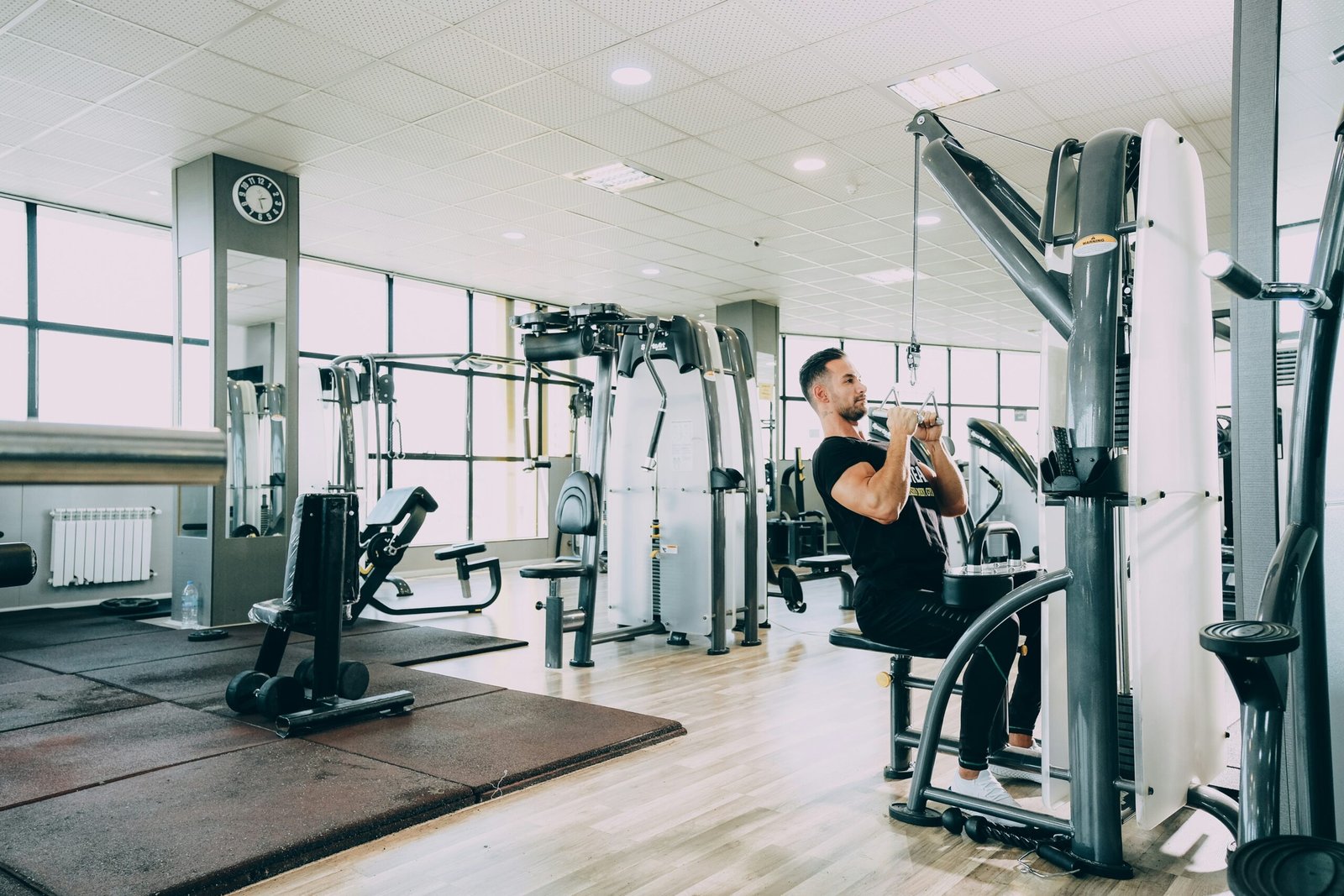
When traveling, maintaining a fitness routine can be challenging, but many hotels offer a range of amenities that can aid in staying active. Among the most common are hotel gyms, which often provide essential equipment such as treadmills, stationary bikes, and free weights. To maximize your workout, consider developing a quick exercise regimen that can be completed in a shorter time frame, making it feasible even on busy travel days. Utilizing the gym in off-peak hours, typically early morning or late evening, can also enhance your experience by allowing for a more focused and less crowded environment.
Swimming pools are another valuable amenity offered by many hotels. Whether for lap swimming, water aerobics, or simply enjoying a refreshing dip, pools can serve as an excellent venue for cardiovascular exercise. For those opting for a swim, it is important to consider swimming techniques to maximize effort and achieve a more vigorous workout. Also, pools provide an opportunity for relaxation and recovery after a long day of travel.
In addition to conventional fitness facilities, many hotels encourage physical activity by providing in-room workout options. These may include on-demand fitness classes, workout videos, or even items such as yoga mats and resistance bands. When faced with limited space or equipment, those traveling can still engage in effective body-weight exercises such as push-ups, squats, and lunges.
Prioritizing fitness while traveling is attainable by actively utilizing hotel amenities. A strategic approach involving time management and resourcefulness can ensure that travel does not derail your commitment to health. Remaining aware of your options and establishing a routine can seamlessly integrate fitness into your travel agenda, enabling you to stay fit on the go.
Incorporate Fitness into Your Travel Adventures
Travel often leads to a shift in routine, but it does not have to mean sacrificing fitness. With a little creativity and planning, travelers can seamlessly integrate physical activity into their journeys. One effective way to maintain fitness while exploring is through walking tours. Many destinations offer guided walks that provide not only cultural insights but also a fantastic workout. These tours allow individuals to discover the local architecture, history, and cuisine all while burning calories. Moreover, walking is a low-impact exercise that is accessible to most, making it an excellent choice for travelers of all fitness levels.
Biking is another excellent option that combines fitness with travel experiences. Many cities around the world are increasingly becoming bike-friendly, with dedicated lanes and rental services. Renting a bicycle allows adventurers to cover larger distances than they would on foot and provides the opportunity to explore areas that might be off the beaten path. Cycling not only improves cardiovascular health but also offers a unique perspective on a city’s landscape. Tourists can ride through parks, along coastlines, or through historical neighborhoods, rewarding themselves with captivating views and a sense of accomplishment.
Hiking is a superb way to immerse oneself in nature and appreciate the beauty of the surroundings. From national parks to local trails, hiking provides a robust workout that engages multiple muscle groups. Travelers can seek out hikes that cater to various skill levels, allowing everyone the chance to enjoy the experience. Engaging with nature while staying active fosters mental health benefits, such as reduced stress and boosted mood, which are particularly beneficial during travel.
Ultimately, fitness does not have to be put aside during travel; instead, it can be an integral part of the experience. By embracing walking tours, biking, and hiking, travelers can enhance their physical well-being while creating lasting memories of their adventures.
Nutrition on the Go: Making Healthy Choices
Maintaining a healthy diet while traveling can be challenging, but with the right strategies, it is entirely achievable. One of the essential aspects of staying fit while traveling is making informed dietary choices, which can significantly impact energy levels and overall wellbeing. First and foremost, it is important to plan ahead. When selecting restaurants or cafes, opt for those that offer nutritious, balanced meals. Look for options that include fresh vegetables, whole grains, lean proteins, and healthy fats. Avoid fast food outlets, which often provide less nutritious options.
When dining out, consider sharing a dish or ordering smaller portions to prevent overeating. This approach not only helps control caloric intake but also allows you to sample various menu items while still making healthy choices. Additionally, when reading the menu, pay attention to how dishes are prepared; grilled, steamed, or baked options are generally healthier than fried items. Moreover, do not hesitate to request modifications; for instance, asking for dressings or sauces on the side can help manage calorie consumption.
Snacking smartly is another key factor in maintaining a healthy diet while traveling. Carry nutritious snacks, such as nuts, fruits, or protein bars, to avoid unhealthy temptations during flights or road trips. These options can provide sustained energy and prevent dips in glucose levels, which can lead to cravings for less healthy foods. Furthermore, when traveling, particularly for extended periods, consider meal prepping or packing healthy meals. This not only ensures control over ingredients but also promotes better choices over convenience foods.
In conclusion, making healthy choices while traveling is entirely possible with careful planning and awareness. By prioritizing nutritious options at restaurants, snacking wisely, and preparing meals in advance, travelers can enjoy their journeys while maintaining their health and fitness goals.
Stay Hydrated: The Importance of Water Intake
Staying hydrated while traveling is vital for maintaining energy levels and overall wellness. During travel, particularly in varying climates and altitudes, the body can easily become dehydrated. This situation may lead to fatigue, decreased cognitive function, and even physical discomfort. Therefore, prioritizing water intake is essential for anyone wishing to remain fit and healthy while on the road.
To effectively manage hydration, one practical tip is to carry a reusable water bottle. This approach not only reduces plastic waste but also serves as a constant reminder to drink water throughout the day. Many airports and public spaces now offer water refill stations, making it convenient to top off a bottle without purchasing additional beverages. Furthermore, travelers are encouraged to fill their water bottles prior to long flights or car rides, ensuring easy access to hydration during these periods.
In addition to drinking water, incorporating hydrating food choices into the diet can significantly contribute to overall fluid intake. Fruits and vegetables with high water content, such as watermelon, cucumbers, oranges, and strawberries, make excellent travel snacks. These foods not only help quench thirst but also provide essential vitamins and nutrients that support the body’s functioning during travel.
For those who often overlook hydration, setting reminders—whether through smartphone alerts or physical notes—can serve as motivation to keep water consumption top of mind. Regularly sipping water, rather than waiting until thirst strikes, helps maintain optimal hydration levels.
Ultimately, neglecting hydration can detrimentally affect energy levels and exercise routines. By remaining vigilant about water intake and food choices, travelers can stay energized and fit, ensuring that their journey remains enjoyable and fulfilling.
Short and Effective Workouts for Busy Travelers
When traveling, maintaining a fitness routine can be challenging due to time constraints and varying schedules. However, busy travelers can achieve effective workouts in a compact time frame through high-intensity interval training (HIIT) and bodyweight exercises. These workout methods require minimal equipment and can be completed within 20 to 30 minutes, making them ideal for those on the go.
HIIT workouts are particularly beneficial for individuals with tight schedules. They consist of short bursts of intense exercise followed by brief recovery periods, resulting in an effective cardiovascular workout that burns calories even after the session ends. A simple HIIT routine might include exercises such as jump squats, burpees, push-ups, and mountain climbers. Engaging in 20 seconds of intense effort, followed by 10 seconds of rest, can yield remarkable results without taking up hours of your day.
Bodyweight workouts are another excellent option for maintaining fitness while traveling. These exercises utilize one’s body weight as resistance and can be performed almost anywhere. Classic movements like lunges, planks, and tricep dips help build strength and endurance without the need for gym equipment. Moreover, they can easily be modified to increase or decrease difficulty, catering to different fitness levels. Setting a timer for 30 seconds of work followed by 30 seconds of rest creates an efficient yet challenging workout that can be completed swiftly.
For those looking to incorporate fitness into their daily travel routine, consider integrating these quick workouts into your schedule. Whether it’s starting the day with a HIIT session or taking a break between activities for a bodyweight workout, these short and effective routines can significantly contribute to your overall fitness while traveling.
Mindfulness and Recovery: Balancing Relaxation and Activity
Traveling often presents a unique challenge when it comes to maintaining physical fitness. While it can be tempting to fill every moment with sightseeing and activities, it is crucial to incorporate mindfulness and recovery into your travel itinerary to achieve optimal well-being. Balancing leisure with physical activity allows travelers to return home not only with memories but also refreshed and rejuvenated.
One key aspect of balancing relaxation and activity is the practice of mindfulness. This approach encourages travelers to be present in their experiences, allowing for a deeper connection with the surrounding environment. Engaging in mindfulness practices, such as meditation or simply taking a moment to appreciate the scenery, cultivates a sense of calm and helps alleviate stress, which is often heightened during travel. Mindful moments can be interspersed between activities, creating a more enriching experience overall.
In addition to mindfulness, stretching is an essential component of recovery that travelers should not overlook. After long hours of sitting on planes or trains, incorporating stretching exercises can relieve tension and improve circulation. A simple routine of gentle stretches can be done in your hotel room or even in a park. This not only keeps the body agile but also contributes to mental clarity, enhancing the overall travel experience.
Furthermore, it is important to incorporate rest days into your travel schedule. Allocating time specifically for recovery allows for a more sustainable travel pace. Rather than overloading every day with activities, consider dedicating certain days to relaxation, reading, and enjoying local cuisine without the rush. This balanced approach ensures that you do not return home feeling worn out, but rather revitalized.
By focusing on mindfulness, prioritizing stretching, and allowing for adequate recovery time, travelers can maintain their fitness while enjoying a well-rounded travel experience. Ultimately, this balance can transform your travel adventures into a source of both physical vitality and inner peace.