
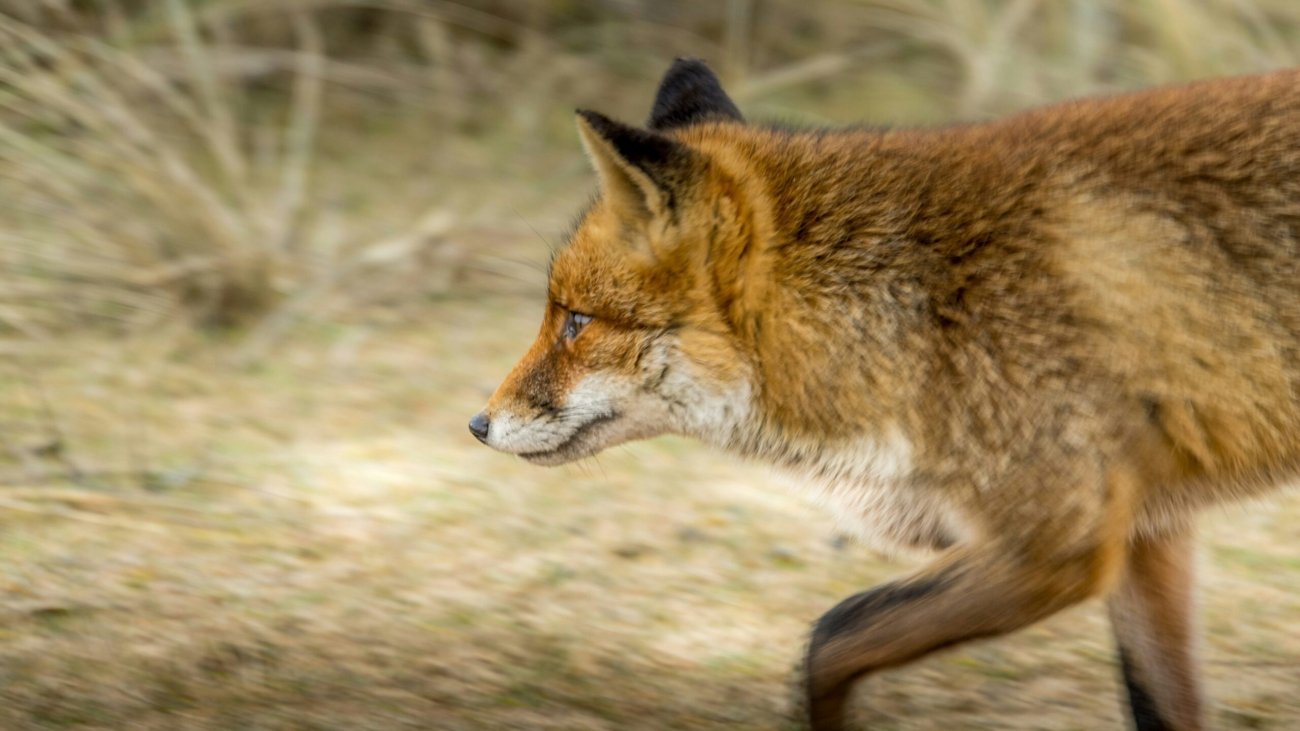
Introduction to Animal Movement Training
Animal Movement Training is an innovative approach to physical fitness that draws inspiration from the natural movements exhibited by various animals. This method emphasizes mimicking the locomotion, postures, and behaviors of different species to enhance strength, flexibility, and overall body awareness. By incorporating these primal movements into workout routines, practitioners can tap into a workout regimen that promotes functional fitness while connecting more deeply with their innate physical capabilities.
The popularity of Animal Movement Training has surged recently, emerging as a compelling alternative to traditional exercise methods. Enthusiasts and trainers alike are increasingly endorsing the benefits of integrating natural movements into their fitness programs. This trend is partly attributed to the growing awareness of how animal movements not only engage diverse muscle groups but also enhance mobility and versatility. The principles behind this training method encourage individuals to utilize their bodies in a holistic manner, emulating animals such as crawling like a bear, jumping like a frog, or flowing like a serpent.
By adopting these instinctual patterns, practitioners can experience improvements in balance, coordination, and strength. Furthermore, Animal Movement Training promotes a playful and exploratory approach to fitness, contrasting with the rigidity often associated with standard workouts. Participants are encouraged to connect with their bodies, embrace their natural movements, and rediscover the joy of physical activity, thus enriching their overall fitness experience.
As fitness enthusiasts become increasingly focused on achieving functional and adaptable movement, Animal Movement Training has emerged as an effective methodology that aligns with these goals. This revolutionary approach not only fosters a deeper understanding of human biomechanics but also encourages individuals to engage with their environment through a series of primal movements. The subsequent sections will delve deeper into specific animal movements and their application in various fitness routines, further illuminating the advantages of this unique training style.
The Science Behind Movement Patterns
The analysis of animal movements reveals intricate biomechanics and physiology that can provide significant insights for human physical training. Various species have evolved unique movement strategies that optimize their survival, fitness, and adaptability within their environments. For instance, the flexible, agile movement patterns of a feline can serve as a model for improving human agility, allowing us to enhance our own mobility through targeted training methods. Observing how animals execute movements uncovers strategies that can lead to better flexibility, strength, and coordination.
Many animals utilize their entire body in a synchronized manner, which not only allows for efficient locomotion but also promotes an impressive range of motion in their joints. For example, the way a monkey swings gracefully through trees exemplifies the ease of full-body integration in movement. Integrating similar synergy into human workouts can foster holistic development across muscle groups, reducing the likelihood of injury. Additionally, movements inspired by animals can stimulate the engagement of stabilizing muscles that are often neglected in traditional workout routines.
The physiological benefits of adopting animal-inspired movements extend beyond mere strength improvement; they also foster dynamic flexibility. Activities mirroring the undulating motion of snakes can enhance spinal elasticity and core strength, ultimately leading to improved posture and reduced back pain. Furthermore, exploring movements akin to those of quadrupeds can provide a profound effect on balance and coordination, vital components of overall physical performance.
By analyzing these movement patterns, it becomes evident that incorporating animal movements into our training regimens can lead not only to improved physical capabilities but also to enhanced mental agility. Emulating these natural biomechanics offers a pathway to reprogram our workout routines, directing us toward a more functional and well-rounded state of fitness.
Key Animal Movement Types and Their Benefits
Animal movements have inspired various fitness routines due to their inherent ability to enhance physical capabilities while promoting overall well-being. Each animal movement encompasses unique patterns that challenge the body in different ways, contributing to a comprehensive workout experience.
One of the most recognizable animal movements is the bear crawl. This exercise engages multiple muscle groups simultaneously, fostering improved core strength, shoulder stability, and coordination. By mimicking the bear’s natural crawling motion, practitioners stimulate functional movement patterns that promote a robust core and enhance overall body control. Regular incorporation of bear crawls into a workout regimen can lead to increased endurance and strength, making it a valuable addition to any fitness routine.
Another effective movement is the frog jump. This explosive motion not only builds lower body strength but also significantly enhances cardiovascular fitness and agility. By emulating the natural leap of a frog, individuals engage their hamstrings, quadriceps, and glutes, resulting in improved power and explosiveness. Moreover, practicing frog jumps can aid in boosting coordination and spatial awareness, making it an excellent choice for athletes and fitness enthusiasts alike.
Moving like a crab is yet another beneficial exercise that emphasizes the importance of lateral movement. This movement targets the shoulders, core, and legs, offering a comprehensive workout that enhances balance and flexibility. Utilizing crab walks in a fitness routine helps promote joint stability and strengthens the muscles of the upper body, supporting better posture over time. Additionally, the versatility of this movement allows for various modifications, catering to different fitness levels.
Incorporating these animal movements—bear crawls, frog jumps, and crab walks—into a workout regimen can yield multifaceted benefits, including enhanced strength, improved agility, and increased core stability. By embracing these natural movement patterns, individuals can effectively reprogram their fitness routine, tapping into the power of animal-inspired exercises.
Creating a Balanced Animal Movement Workout
Designing a balanced animal movement workout requires an understanding of the fundamental principles of strength, flexibility, and mobility. These workouts not only enhance physical fitness but also mimic the natural movements of various animals, promoting functional strength and overall body awareness. A well-rounded approach will include a variety of exercises that challenge different muscle groups, ensuring both development and safety.
To begin, warming up is crucial. Incorporate dynamic stretches that simulate the movements of animals; for example, arm circles can emulate the wings of a bird, while leg swings can replicate the powerful leaps of frogs. A warm-up routine lasting 5 to 10 minutes will increase circulation and prepare the muscles for more intensive movements. Following the warm-up, the core of the workout should consist of various animal-inspired movements. This might include bear crawls, crab walks, and frog hops, each targeting different muscle groups and enhancing both strength and agility.
After completing the main exercises, it is essential to cool down effectively. Performing static stretches that align with the animal movements practiced can help in recovery and flexibility. For instance, a downward-facing dog stretch reflects the posture of a stretching cat, while seated hamstring reaches mimic the slower, methodical movement of a turtle. Incorporating these stretches into the cooling phase aids in reducing muscle soreness and restoring balance in the body.
Here is a simple sample workout routine: Start with a warm-up of animal-inspired stretches, followed by three sets of bear crawls (10-15 meters), crab walks (10-15 meters), and frog hops (10 repetitions). Conclude the session with a cool down of downward-facing dog, turtle stretches, and seated forward bends. By structuring the workout in this manner, individuals can enjoy a balanced and efficient exercise regimen that embraces the principles of animal movement.
Incorporating Animal Movements into Daily Life
Integrating animal movements into daily activities can enrich your physical fitness and promote a more natural way of moving. Observing and mimicking how animals navigate their environments can serve as a valuable template for improving your own movement quality. By incorporating these movements into everyday life, you enhance not only your strength and flexibility but also your overall awareness of body dynamics.
One practical approach is to incorporate crawling into your routine. This can be achieved by engaging in a simple crawl when transitioning from sitting to standing. Instead of standing directly up from a seated position, drop to all fours for a moment, and then move forward in a crawling motion. This mimics the way many animals transition between positions and helps strengthen core muscles while increasing mobility. Another beneficial movement is to practice squatting like a frog. While waiting or taking breaks, perform deep squats, engaging in a natural posture that mirrors the way frogs rest. This can also aid in leg mobility and strength.
When walking, adopt the playful nature of animals by incorporating skips or hops. Doing so can increase cardiovascular health, improve coordination, and evoke a sense of playfulness in your daily life. Additionally, taking advantage of opportunities to balance, similar to a cat walking on a narrow fence, can enhance your core stability. Finding a curb or a raised surface to practice walking on can develop better balance and focus.
Engaging in playful movements during leisure time, such as playing with pets or children, can also foster a love for physical activity. Encouraging movements like rolling or tumbling emulates the natural play behaviors seen in animals. By consciously integrating these animal movements, you can rejuvenate your workouts and enhance overall fitness in an enjoyable manner. Emphasizing these movements regularly makes fitness an inherent part of your daily routine.
Overcoming Challenges in Animal Movement Workouts
Incorporating animal movements into a fitness regimen can present various challenges that may deter individuals from fully embracing this innovative approach. Common obstacles include difficulties in coordination, insufficient flexibility, and psychological barriers stemming from fear of unfamiliar movements. Recognizing these challenges is the first step toward overcoming them and reaping the benefits of animal movement workouts.
Coordination is often a significant hurdle for many low on experience with complex movements. Animal movements like the bear crawl or frog hop demand a level of body awareness and control. To improve coordination, individuals can start with slow, controlled repetitions and gradually increase the complexity of the movements. Practicing foundational exercises will help facilitate smoother transitions and better overall performance. Additionally, incorporating drills that focus on balance and stability can enhance muscle memory and movement fluidity.
Another challenge is the lack of flexibility, which can hinder an individual’s ability to perform certain animal movements effectively. Engaging in a dedicated flexibility routine that emphasizes dynamic stretches can greatly improve one’s range of motion. Simple practices such as yoga or dedicated mobility workouts can serve as effective complements to a training regimen, allowing individuals to build the flexibility needed for animal movements.
The mental barriers associated with trying new movements can be equally challenging. Individuals often have concerns about safety or the fear of falling behind when attempting unfamiliar exercises. To combat this, motivation and encouragement are essential. Setting realistic goals, celebrating small successes, and engaging with a supportive community can foster a positive mindset. Emphasizing the enjoyment and creativity of animal movements can also help individuals shift their focus from apprehension to enthusiasm.
By addressing these challenges, individuals can unlock the potential of animal movements in their workout routines, leading to greater physical and mental resilience.
Success Stories: Transformations through Animal Movement
Many individuals have reported remarkable transformations by integrating animal movement patterns into their workout routines. These authentic testimonials illustrate how adopting natural movement has significantly improved their overall well-being. One such success story comes from a fitness enthusiast named Jessica, who struggled with traditional workout methodologies. After incorporating movements like the bear crawl and frog jump into her training, she noticed not only a substantial increase in her strength but also an enhancement in her flexibility. This shift led to a more balanced physique and a drastic reduction in her risk of injury while exercising.
Another inspiring account is that of Mike, a middle-aged office worker who had been seeking ways to break free from a sedentary lifestyle. After discovering animal movement training through a local fitness class, Mike started practicing exercises that mimic the motion of various animals. He found that the dynamic nature of these workouts not only helped him shed excess weight but also increased his stamina and energy levels. He shared that the fluidity of movements like the monkey swing and lizard crawl contributed to a newfound joy in exercising, making fitness more enjoyable and less of a chore.
These personal narratives highlight the diverse benefits that come from an emphasis on animal movements. Individuals from various backgrounds and fitness levels have reported improved strength, flexibility, and coordination. The ability to embrace playful and instinctive motion has redefined their approach to fitness, allowing them to engage with their workouts on a more instinctual level. Whether your goal is weight loss, muscle building, or simply enhancing your overall fitness, the integration of animal movements may provide the transformative journey you seek.
Expert Insights on Animal Movement Training
Animal movement training is gaining recognition among fitness professionals as an effective approach to enhance physical performance and overall well-being. According to renowned fitness trainer Jake Thompson, “Animal movement training taps into our innate capabilities, allowing us to explore a full range of motion that often gets neglected in traditional workouts.” This perspective emphasizes the necessity of engaging various muscle groups in a dynamic and functional manner, fostering better coordination, strength, and flexibility.
Physical therapist and movement specialist, Dr. Linda Martinez, highlights the importance of implementing animal movements safely to prevent injuries. She notes, “Each movement should align with the individual’s skill level and physical capabilities.” Dr. Martinez recommends starting with basic movements, such as crawling or squatting, before advancing to more complex patterns, thus gradually building strength and confidence. This progression is especially crucial for beginners, who may feel apprehensive about incorporating animal movement into their fitness regimen.
Veteran strength coach and animal movement advocate, Richard Davis, suggests integrating these movements into existing workouts to enhance their effectiveness. “You don’t have to abandon your current routine entirely,” he advises. “Start by including animal patterns as a warm-up or cool-down. This approach not only increases mobility but also activates different muscle fibers, enhancing overall workout performance.” Richard’s insights serve as a practical guide for those interested in adopting animal movement training, suggesting it as a complementary practice that can enrich conventional exercise routines.
Incorporating perspectives from these fitness experts emphasizes the legitimacy and growing importance of animal movement training. With appropriate guidance, fitness enthusiasts can safely harness the benefits of this innovative training style, leading to improved physical capabilities and a deeper connection with their bodies.
Conclusion: Embrace Your Inner Animal
In this exploration of body movement inspired by the animal kingdom, we have delved into the concept of reprogramming our workouts by incorporating natural and instinctive motions. The alignment of human fitness with the movements of animals not only enriches our physical routines but also promotes a deeper connection with our bodies and the environment around us. Embracing animal movement can elevate the way we perceive exercise, transitioning from mundane routines to a more instinctual, engaging, and playful approach.
Throughout the discussion, the benefits of integrating these primal movements have been highlighted, showcasing how they can enhance agility, strength, and flexibility. Such exercises draw on our innate capabilities, often leading to improved functional fitness, which is crucial for everyday activities. By stepping outside of conventional exercises and experimenting with movements that mimic those of various animals, individuals can discover new strengths and unlock potential they may not have known existed.
Moreover, incorporating animal-inspired movements can invigorate one’s workout regimen, removing the monotony that often accompanies traditional exercises. This playful approach not only fosters a sense of enjoyment but can also lead to better adherence to fitness routines, as individuals may find themselves looking forward to their workouts. Engaging with nature in this way and reflecting the fluid motions of animals encourages an instinctual understanding of our bodies, allowing us to train holistically.
As you contemplate your future workouts, challenge yourself to embrace your inner animal. Experiment with various movements such as crawling, jumping, or balancing, allowing your body to flow naturally. This connection with nature and engagement with animal movement can transform not only your fitness journey but also the way you perceive the world around you, cultivating a more vibrant and playful lifestyle.