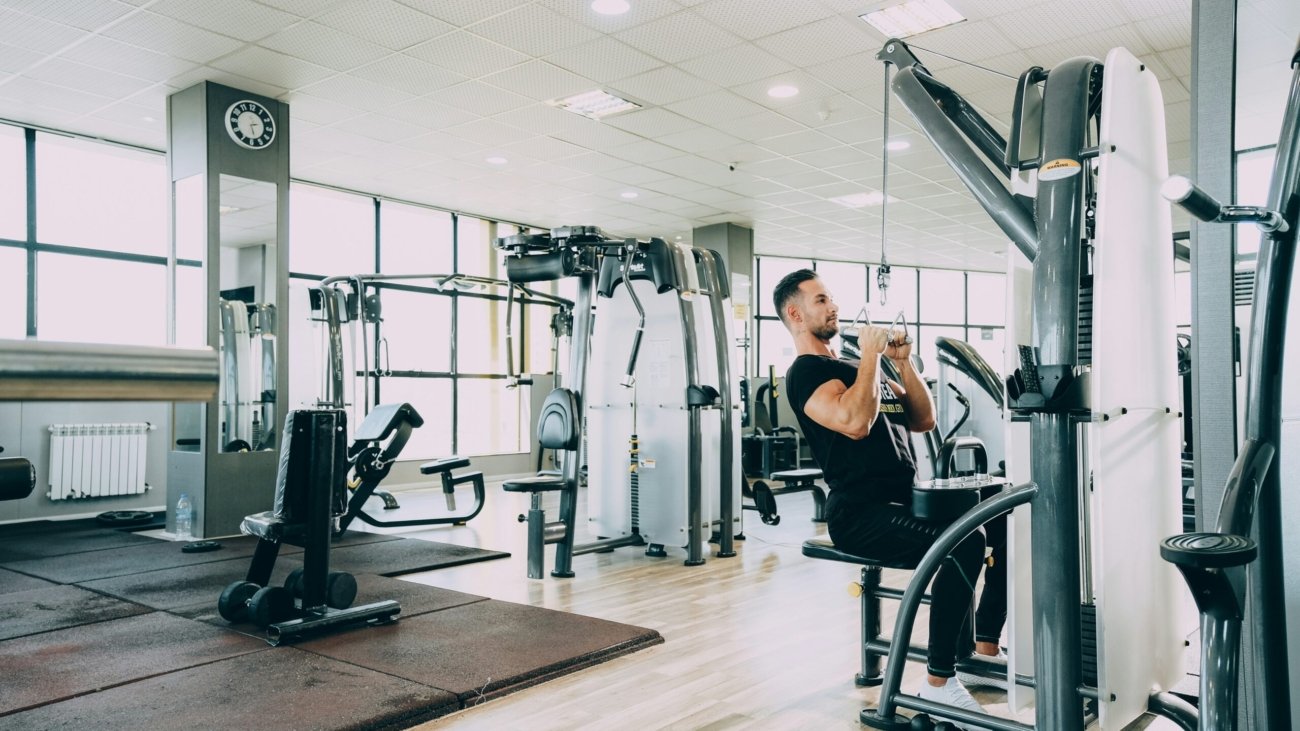
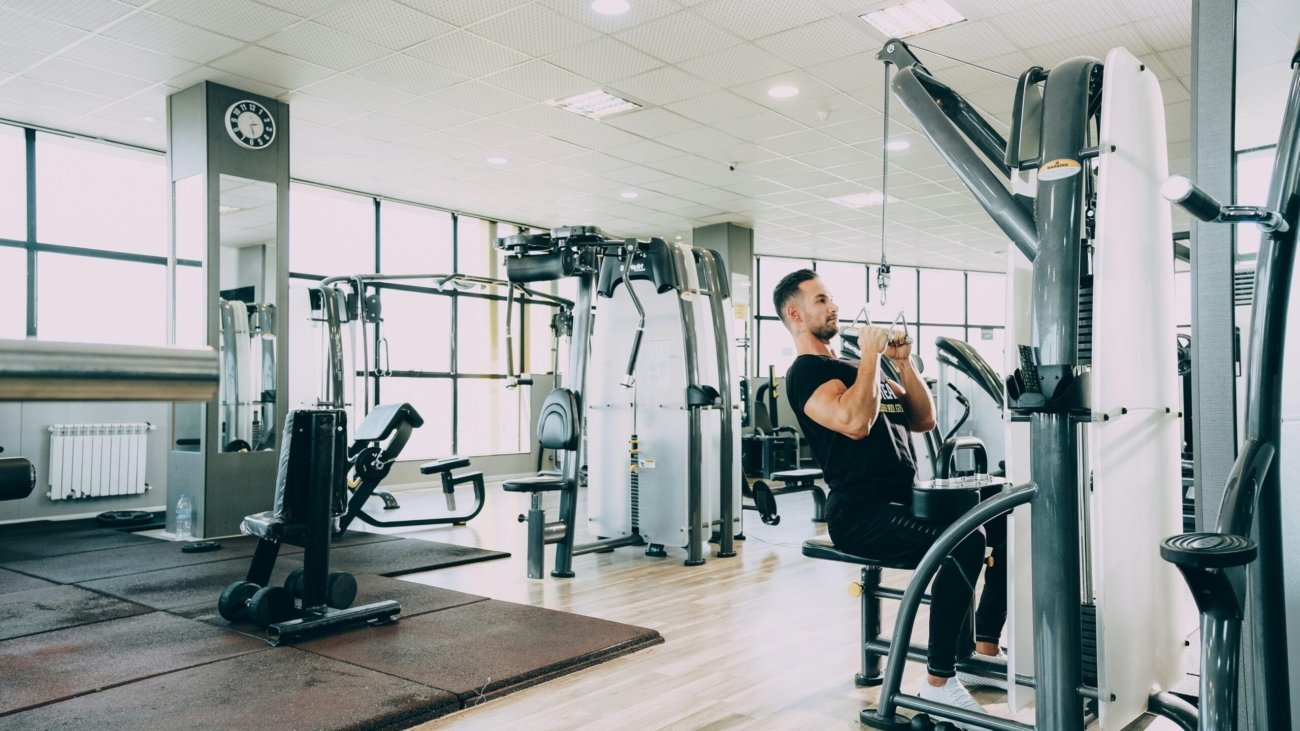
woman in black tank top and black pants exercising

Breaking the Stress Cycle: The Role of Fitness in Mental Health

Introduction to Fitness and Mental Health

The relationship between physical fitness and mental health has garnered significant attention in recent years, as more individuals become aware of the inherent connection between the two. In a world characterized by relentless demands and increasing stress levels, the importance of mental well-being cannot be overstated. This context makes exploring how regular exercise acts as a pivotal tool for managing stress and enhancing mental health especially timely.

Fitness activities, ranging from aerobic exercises to strength training, have been shown to produce a myriad of psychological benefits. Engaging in physical activity releases endorphins, often referred to as the body’s natural feel-good hormones. These endorphins play a crucial role in reducing feelings of anxiety and depression. Moreover, routine exercise can lead to improved self-esteem and cognitive function, thereby fostering a more resilient mental state.

Stress is a prevalent issue in modern life, impacting individuals across various demographics. From workplace pressures to personal obligations, individuals frequently encounter situations that can lead to heightened stress levels. Many people may find themselves looking for effective strategies to combat these feelings. Incorporating fitness into one’s daily routine can serve as a viable solution, as it provides a constructive outlet for stress relief. Beyond the physical advantages, the social interactions found in group workouts or fitness communities can further bolster mental health by providing support and a sense of belonging.

Addressing mental health through physical activity signifies a proactive approach to well-being. In the subsequent sections, we will delve deeper into the specific ways in which exercise contributes to improved mental health outcomes, highlighting its role as a critical component in breaking the stress cycle. By understanding this relationship, individuals can empower themselves to embrace fitness as a fundamental aspect of their overall health strategy.

Understanding Stress and Its Effects

Stress is a natural response of the human body to perceived challenges or threats. It triggers a cascade of biological reactions that prepare an individual to face adverse situations, commonly referred to as the “fight or flight” response. While acute stress can be beneficial in motivating individuals to meet deadlines or escape danger, chronic stress can have detrimental effects on both the body and mind. In modern society, the prevalence of chronic stress is concerning, as it is often linked to various health issues.

From a biological perspective, prolonged stress leads to the continuous release of stress hormones, particularly cortisol and adrenaline. Elevated levels of these hormones can disrupt various bodily functions, affecting the cardiovascular, immune, and digestive systems. Chronic stress has been associated with an increased risk of hypertension, heart disease, and other serious health conditions. These physiological impacts can create a cycle where stress leads to physical ailments, further exacerbating an individual’s mental strain.

Psychologically, persistent stress can contribute to the development of mental health disorders, including anxiety and depression. When individuals are subjected to ongoing stressors, they may experience a sense of helplessness or overwhelm, which can hinder their ability to cope. This, in turn, reinforces negative thought patterns, leading to a further decline in mental well-being. The interplay between stress and mental health creates a cyclical dynamic, making it essential to address both aspects simultaneously.

Understanding the nature of stress and its effects on the body and mind is crucial for recognizing its implications for one’s overall health. By identifying stressors and adopting effective coping strategies, individuals can break the cycle of stress and its harmful consequences, paving the way for improved mental health and well-being.

How Exercise Impacts Mental Health

Regular physical activity plays a vital role in enhancing mental health by triggering a multitude of physiological processes within the body. One of the most well-known effects of exercise is the release of endorphins, often referred to as “feel-good” hormones. These neurotransmitters are crucial in promoting an elevated mood and alleviating feelings of pain and discomfort. When individuals engage in exercise, their body responds by increasing the production of these endorphins, contributing significantly to an improved emotional state.

In addition to endorphins, exercising also stimulates the release of other neurotransmitters, such as serotonin and dopamine. Serotonin is critical for regulating mood, emotions, and overall mental well-being. Increased levels of serotonin, resulting from physical activity, can lead to decreased symptoms of depression and anxiety. Similarly, dopamine, which influences motivation and pleasure, becomes more available in the brain following regular exercise. This further reinforces the link between fitness and mental health.

The physiological changes triggered by exercise extend beyond neurotransmitter release. For instance, physical activity promotes better sleep patterns, allowing individuals to rest more effectively, which in turn benefits mental health. Quality sleep is essential for cognitive function and emotional regulation. Furthermore, engaging in regular workouts can reduce levels of the stress hormone cortisol, which is commonly associated with increased anxiety levels and mental fatigue.

Collectively, these factors demonstrate how exercise serves as a powerful tool in improving mental well-being. The integration of consistent physical activity into one’s lifestyle, therefore, offers substantial benefits not only for physical fitness but also for cultivating a healthier state of mind. By understanding these mechanisms, individuals can harness the power of exercise as an effective strategy in breaking the stress cycle and fostering mental resilience.

Types of Fitness Activities Beneficial for Mental Health

Engaging in various fitness activities can significantly enhance mental well-being, providing a multifaceted approach to stress management. Among these activities, aerobic exercises, strength training, yoga, and mindfulness-based practices have shown remarkable efficacy in mitigating symptoms of stress and anxiety.

Aerobic exercises, often including running, cycling, or swimming, are known to boost heart rate and improve cardiovascular health. The release of endorphins during these activities can create a sense of euphoria, often referred to as the “runner’s high.” Research indicates that regular engagement in aerobic activities is linked to lower levels of anxiety and depression. A systematic review published in the Journal of Clinical Psychiatry found that individuals participating in aerobic exercises reported significant reductions in anxiety symptoms.

Strength training, which encompasses weightlifting and resistance exercises, also provides mental health benefits. Studies have demonstrated that strength training can enhance mood and self-esteem while reducing feelings of stress. Furthermore, a study in the American Journal of Psychiatry found that individuals engaging in strength training exhibited lower risks of depressive symptoms compared to those who did not participate in such exercises.

Yoga combines physical postures with breathing techniques to promote relaxation and mindfulness. This practice has been shown to decrease cortisol levels, the hormone associated with stress. A meta-analysis in the Journal of Alternative and Complementary Medicine highlighted a strong correlation between regular yoga practice and improved mental health outcomes, including reduced anxiety and better quality of life.

Lastly, mindfulness-based practices, such as meditation and tai chi, focus on present moment awareness and self-compassion. Research supports the effectiveness of these practices in reducing stress, enhancing mindfulness, and improving overall emotional well-being. According to a study published in Psychological Science, mindfulness interventions significantly lowered anxiety and increased participants’ overall satisfaction with life.

In conclusion, incorporating various fitness activities into one’s routine offers diverse mental health benefits. By exploring options like aerobic exercises, strength training, yoga, and mindfulness practices, individuals can take proactive steps towards breaking the stress cycle and enhancing their mental well-being.

The Importance of Regular Exercise for Mental Health

Regular exercise plays a critical role in improving mental health, particularly through the establishment of a consistent fitness routine. By integrating physical activity into daily life, individuals can cultivate resilience against stress and enhance their overall psychological well-being. The connection between consistency in exercise and mental health gains is well-documented, with numerous studies indicating that individuals who engage in regular physical activities experience reduced levels of anxiety and depression.

Establishing a structured fitness routine is not merely about physical improvement; it also equips individuals with effective tools to navigate life’s challenges. When exercise becomes a habitual part of one’s day, it fosters a sense of achievement and stability. The release of endorphins during physical activity contributes to feelings of happiness and decreased perception of pain and stress. This physiological response is particularly beneficial in mitigating anxiety symptoms, leading to improved emotional regulation and resilience over time.

Moreover, the social aspect of exercise routines can serve as an added benefit. Group workouts or fitness classes can create a supportive community that encourages individuals to maintain their exercise habits. The shared experience of pursuing health and fitness goals fosters connections among peers, further enhancing emotional support and reducing feelings of isolation that contribute to mental health issues.

Ultimately, the cumulative effects of consistency in exercise manifest in more than just physical improvements; they enhance mental clarity, boost mood, and promote a greater sense of control over one’s life. By committing to a regular fitness schedule, individuals not only improve their physical health but also arm themselves with vital coping mechanisms for better mental resilience. Establishing these habits is an invaluable step toward cultivating long-term mental wellness.

Building a Fitness Plan: Steps to Get Started

Integrating fitness into a mental health strategy can be a transformative process, but creating a personalized fitness plan is essential to ensure sustainability and effectiveness. To embark on this journey, it’s important to start with a clear understanding of your current fitness level. Begin by assessing your typical activity level and any physical limitations you may have. This self-evaluation helps identify achievable goals that suit your individual capabilities.

Next, consider your preferences and interests. Engaging in activities that you enjoy is crucial for maintaining motivation. Whether it’s yoga, running, cycling, or group classes, choose a form of exercise that resonates with you. Such enjoyment will facilitate consistency, which is key to reaping the mental health benefits associated with regular physical activity.

Additionally, take your lifestyle into account when designing your fitness plan. Evaluate your daily schedule to identify optimal times for workouts. It is beneficial to integrate exercise into your routine in a way that feels natural and manageable. Consider starting with short sessions, gradually increasing the duration and intensity as your fitness improves. Setting achievable milestones along the way can help keep you motivated and provide a sense of accomplishment.

Moreover, it is advisable to include a variety of activities in your fitness plan. This diversity not only combats monotony but also ensures a balanced workout regime that promotes overall physical well-being. Incorporating exercises that improve strength, flexibility, and cardiovascular health can significantly enhance mental resilience.

Lastly, ensure to track your progress. Monitoring achievements can offer insights into what works best for you and inspire continued efforts. By following these steps, you can create an effective and personalized fitness plan that supports your mental health objectives and contributes to breaking the stress cycle.

Overcoming Barriers to Physical Activity

Many individuals encounter various barriers that hinder their ability to engage in physical activity. One of the most prevalent obstacles is a perceived lack of time. With busy schedules filled with professional and personal commitments, finding time for fitness may seem like an insurmountable challenge. However, it is crucial to recognize that even short bouts of activity can yield significant mental health benefits. Incorporating exercise into daily routines—such as opting for stairs instead of elevators or taking short walking breaks during the workday—can effectively counteract this barrier.

Another common hurdle is low motivation, which can be exacerbated by feelings of fatigue or stress. To combat this, setting realistic and achievable goals is essential. Break larger objectives into smaller, manageable tasks to promote a sense of accomplishment. Additionally, seeking social support can enhance motivation; exercise with friends, family, or in community groups can make activities more enjoyable and create a sense of accountability. Furthermore, finding activities that align with personal interests can ignite enthusiasm for fitness, whether it be dance classes, hiking, or team sports.

Resource availability can also restrict individuals from exercising regularly. However, leveraging local community resources such as parks, recreational centers, and free fitness programs can provide accessible options. Online platforms further expand access to fitness resources, offering classes that can be done from the comfort of home without the need for a gym membership. As individuals strive to break down these barriers, fostering a mindset that prioritizes physical well-being can lead to a more fulfilled, active lifestyle.

By recognizing and addressing these challenges, individuals can find creative solutions that suit their circumstances, thus enhancing their commitment to a regular fitness routine and promoting overall mental health.

Case Studies: Success Stories of Fitness Improving Mental Health

Numerous individuals have reported transformative experiences and significant improvements in their mental health through consistent engagement in fitness activities. These narratives serve as inspiring examples, demonstrating the profound impact that regular exercise can have on mental well-being.

One notable case is that of Sarah, a 34-year-old graphic designer who struggled with severe anxiety and depression for several years. After attending a local yoga class, she discovered that mindfulness and controlled breathing significantly eased her anxious thoughts. Over time, Sarah incorporated yoga into her daily routine, which not only provided physical benefits but also fostered a sense of calm and control. She now advocates for fitness as an essential tool in managing mental health challenges, and her story highlights the potential benefits of incorporating low-impact exercises.

Another compelling account comes from David, a 29-year-old who faced challenges with social anxiety. Initially hesitant, he started participating in a local running club as a means to exercise and connect with others. Through the support and camaraderie of his peers, David gradually built his confidence and established a sense of community that had previously eluded him. His experience underscores the role that group activities can play in alleviating feelings of isolation and promoting social interactions, ultimately benefiting one’s mental health.

Furthermore, Lisa, a 45-year-old teacher, shares her journey of tackling stress through strength training. Faced with an overwhelming workload, she began lifting weights as a form of self-care. This not only improved her physical strength but also empowered her mentally, leading to increased resilience and a more optimistic outlook on life. Lisa’s story exemplifies how engaging in regular fitness routines can cultivate a sense of achievement and bolster one’s mental fortitude.

These case studies collectively illustrate the myriad ways fitness can intertwine with mental health improvement. By embracing physical activity, individuals can experience enhanced mood, reduced anxiety, and an overall better quality of life. They stand as proof that exercise not only strengthens the body but also fortifies the mind, paving the way for a healthier, more fulfilled existence.

Conclusion

Throughout this discussion, we have explored the significant influence of fitness on mental health and its crucial role in interrupting the stress cycle. Physical activity not only benefits our physical well-being but also serves as a powerful tool in enhancing mental resilience. Engaging in regular exercise has been shown to release endorphins, often referred to as ‘feel-good’ hormones, which can elevate mood and reduce feelings of anxiety and depression. Moreover, participating in fitness routines fosters a sense of accomplishment and self-efficacy, which can significantly bolster one’s confidence and overall outlook on life.

Furthermore, the social aspect of fitness, whether through group classes, team sports, or communal activities, provides opportunities for social interaction. These connections can alleviate feelings of loneliness and provide a support network, both vital for mental well-being. It is evident that making fitness an integral part of one’s daily routine not only serves physical health but equally contributes to mental wellness. The synergy between a physically active lifestyle and mental health cannot be overstated; as one supports the other in creating a fulfilling and resilient existence.

In the modern world where stressors are ever-present, prioritizing fitness is essential. Individuals are encouraged to find activities that they enjoy, whether it be walking, running, yoga, or team sports, ensuring that incorporating physical activity feels enriching rather than burdensome. By establishing fitness as a cornerstone of mental wellness, one can not only manage stress more effectively but also enhance overall life satisfaction. Ultimately, embracing a lifestyle that prioritizes physical activity paves the way for improved mental health, promoting a more balanced and holistic approach to well-being.
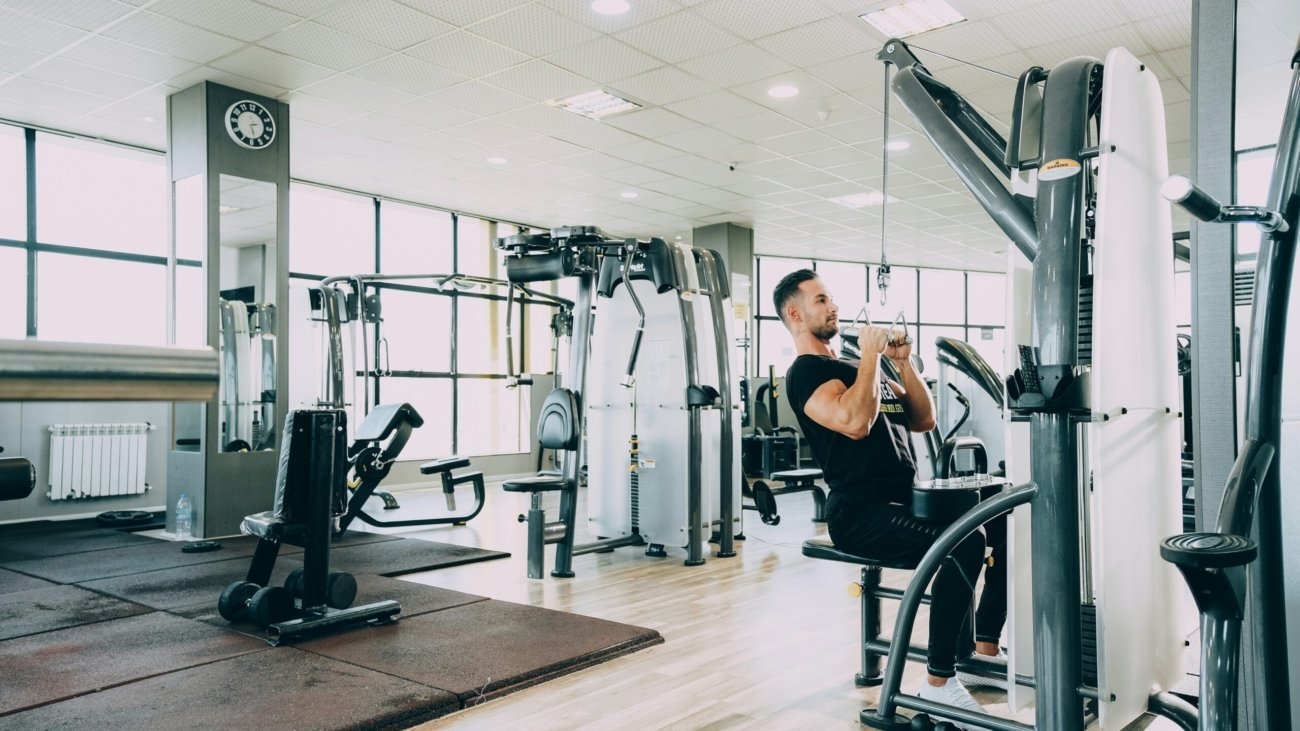
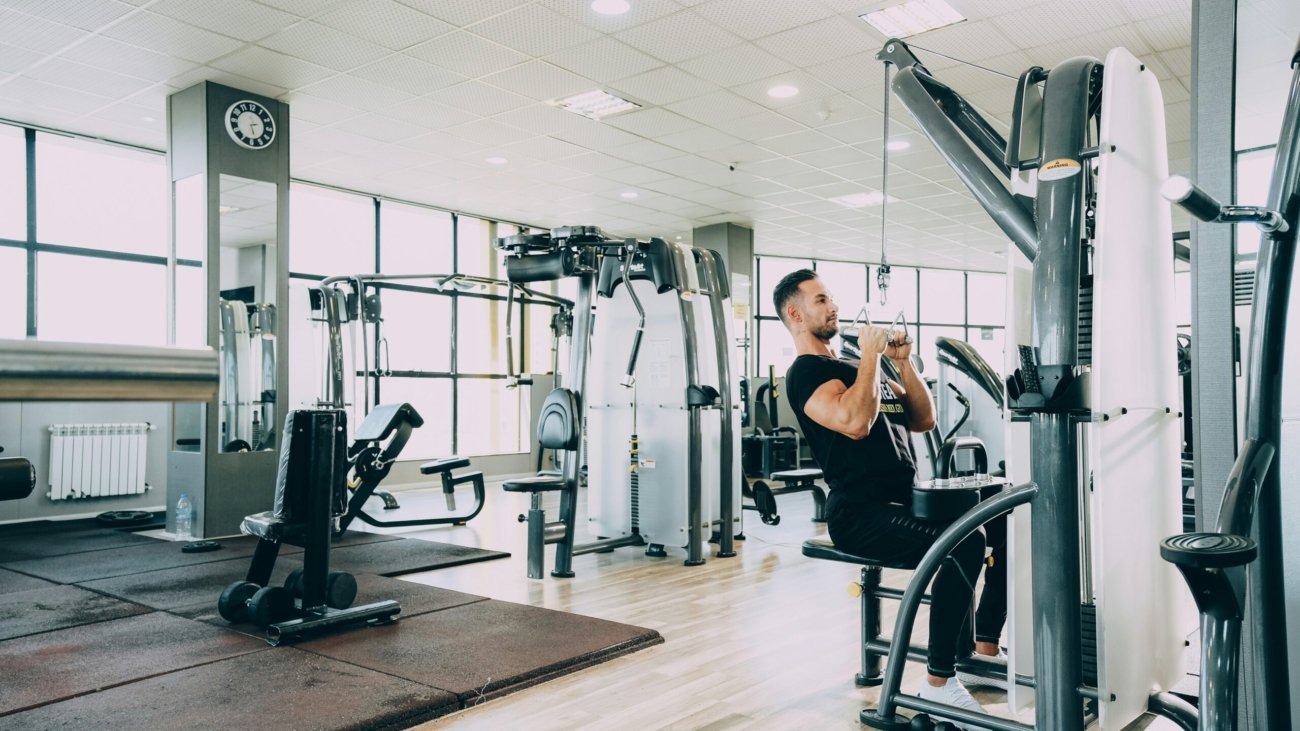
woman in black tank top and black pants exercising

Fitness Through the Ages: A Journey Through Time

Introduction to Fitness: A Historical Perspective

The concept of fitness has undergone a remarkable transformation through various epochs, mirroring the cultural, technological, and social changes within civilizations. In ancient times, fitness was intrinsically linked to survival. Early humans relied on physical prowess for essential tasks such as hunting, gathering, and participating in communal activities. These basic physical demands shaped a rudimentary but vital understanding of health and fitness.

As we delve into ancient civilizations, the Greeks stand out for their elevated view of physical fitness. The Greeks introduced organized exercise programs, culminating in the establishment of the Olympic Games in 776 BC. This celebration of physical excellence emphasized the connection between the body and mind, a philosophy that resonated deeply in their culture. Exercise moved beyond simple necessity, evolving into a valued art form and an essential component of education, ultimately leading to holistic approaches to wellness.

Conversely, in ancient China, fitness was intertwined with practices such as martial arts and tai chi. These forms of exercise emphasized not only physical conditioning but also mental and spiritual equilibrium. Traditional Chinese medicine has historically advocated for balance in bodily functions, fostering an understanding of fitness that encompassed more than mere physical ability.

During the Middle Ages, the focus on fitness shifted dramatically. The societal upheaval and the prominence of the feudal system led to a decline in organized physical activity. However, this period also saw the emergence of chivalric ideals, which celebrated physical strength and combat skills. The Renaissance marked a resurgence in interest regarding fitness, as art and science began to explore the human form more extensively, bridging the gap between physical fitness and artful expression.

This historical overview illustrates how fitness is not a static concept but a dynamic reflection of human civilization. As we explore further, it becomes evident that each era has significantly impacted contemporary fitness ideologies and practices, setting the stage for ongoing evolution in our approach to health and wellness.

Ancient Civilizations and Their Fitness Practices

Fitness has long been a pivotal element in human history, with ancient civilizations placing a significant emphasis on physical health and well-being. Among these cultures, the Greeks, Romans, and Egyptians stand out for their innovative fitness regimes and philosophical approaches to maintaining the body. The ancient Greeks, renowned for their contributions to physical fitness, implemented rigorous training methodologies that were closely tied to their cultural values. The Olympic Games, originating in Greece, showcased various sports such as wrestling, boxing, and running, all designed to promote strength and agility. The Greeks believed that a well-conditioned body was essential for both personal achievement and community honor.

In parallel, the Romans adopted many Greek fitness practices but further advanced them to support their military prowess. Roman soldiers underwent extensive physical training, which included marching long distances, weapon practice, and developing overall strength through calisthenics. This disciplined approach not only kept their citizens fit but was deemed vital for the expansion and protection of the Roman Empire. The Romans also placed considerable importance on public baths, which played a dual role in hygiene and socializing, reinforcing the idea that physical care was essential for civic duty and health.

Similarly, the Egyptians approached fitness from a more holistic perspective, integrating physical activity with spirituality and societal roles. Activities such as swimming, archery, and various forms of dance were common among both the elite and the general populace. The Egyptians believed in the connection between physical fitness and divine favor, often engaging in activities that celebrated their physical bodies, as seen in their art and monuments. Such cultural attitudes towards fitness laid a foundation that influenced subsequent generations, demonstrating that physical well-being was not merely a personal goal but a pursuit of excellence that resonated through their civilizations.

The Middle Ages: A Shift in Fitness Culture

The Middle Ages, spanning from the 5th to the late 15th century, marked a significant transition in the approach to fitness and physical activity, influenced by various social and cultural factors. One major aspect was the prevalence of warfare during this era, which necessitated a certain level of physical preparedness among the population. Nobles and knights were often required to maintain their combat readiness, fostering a culture where physical training became essential for survival and status. This emphasis on martial prowess shaped a unique fitness culture that revolved around activities such as jousting, archery, and swordsmanship.

Feudal society played a crucial role in defining the social structure and, consequently, the fitness practices of the time. With a rigid hierarchy in place, the noble class engaged in physical activities that reinforced their status, while the peasant class focused on work-related physical exertion, such as farming and manual labor. This duality reflects how fitness was perceived differently across social strata. For the nobility, engaging in rigorous physical games and exercises was often viewed as a means to display their strength and honor, aligning with the emerging chivalric ideals that emphasized valor and the knightly code.

The rise of chivalric ideals further influenced the fitness culture of the Middle Ages. These principles celebrated not only martial skill but also grace, etiquette, and mental fortitude. Consequently, physical training was often accompanied by instruction in the arts, dance, and courtly behavior. Such practices not only enhanced physical attributes but also catered to the broader societal expectations placed upon the nobility. As a result, the Middle Ages witnessed a distinct shift in fitness norms, intertwining physical prowess with social and cultural identity. This evolution laid the groundwork for future fitness paradigms, setting the stage for subsequent developments in exercise culture and wellness in the Renaissance and beyond.

The Renaissance and the Birth of Modern Fitness

The Renaissance, a cultural movement spanning from the 14th to the 17th century, marked a pivotal shift in how individuals perceived the human body and physical capability. This period heralded a renewed interest in classical antiquity, particularly the values of ancient Greece and Rome, which emphasized the importance of physical fitness and athleticism. Scholars and artists of the Renaissance began to advocate for a holistic understanding of the human form, leading to significant advancements in fitness and physical education.

One of the defining features of this era was the establishment of gymnasiums, where individuals could partake in various physical activities aimed at enhancing strength, agility, and overall health. These institutions reflected the belief that a well-rounded education included not just academic learning but also physical development. Furthermore, the role of physical education started to gain recognition within educational frameworks, with educational institutions incorporating structured activities that promoted fitness among young individuals. This integrated approach fostered a culture where fitness became synonymous with good health and moral virtue.

The Renaissance was also characterized by remarkable developments in art and science, both of which played a crucial role in shaping contemporary views on fitness. Artists such as Leonardo da Vinci and Michelangelo studied the anatomy of the human body, producing works that celebrated physical beauty and prowess. This artistic exploration contributed to a more profound appreciation for the mechanics of movement and the importance of physical fitness. Moreover, the scientific inquiry into anatomy and physiology began to provide insights into human capabilities, encouraging a more empirical approach to training and exercise.

In conclusion, the Renaissance set the stage for modern fitness by redefining perceptions of the human body and facilitating scholarly and artistic endeavors that emphasized the significance of physical activity. The concepts established during this transformative period continue to influence contemporary fitness practices, underscoring the enduring legacy of the Renaissance in shaping our understanding of fitness today.

The Industrial Revolution and Its Impact on Fitness

The Industrial Revolution, spanning from the late 18th to the early 19th century, marked a significant turning point in societal structure and individual lifestyles. As industries burgeoned, urban populations swelled, and individuals transitioned from agrarian lifestyles to factory-based employment. This swift change brought about a substantial decline in physical activity, fostering a sedentary existence for many. The nature of work shifted dramatically; long hours spent at machines often replaced physically demanding roles in agriculture. Consequently, the risks associated with inactivity became increasingly prevalent, leading to a host of health concerns.

This period also saw the emergence of movements aimed at counteracting the negative implications of industrial work. One of the most notable developments was the rise of organized sports as a popular means to promote physical well-being. In response to the sedentary lifestyle introduced by factories, people began to seek recreational activities that could reinvigorate their bodies and foster social connections. Sports clubs and associations emerged, encouraging physical fitness through competitions and camaraderie.

Additionally, the establishment of health clubs during this era further highlighted the growing awareness of the importance of exercising for overall well-being. These early fitness centers provided an avenue for individuals to participate in various physical activities, showcasing the beginning of a shift toward prioritizing health in a rapidly industrializing world. Gymnasiums opened, offering equipment and classes that advocated for fitness and helped counterbalance the effects of a decreasing level of physical exertion in daily life.

Thus, the Industrial Revolution was not only a catalyst for technological advancement but also a pivotal moment that reshaped attitudes towards fitness and health. As sedentary lifestyles took hold, the subsequent rise in organized sports and health clubs indicated a response to the challenges posed by industrial work, laying the groundwork for the fitness movements that would continue to evolve in the years to come.

The 20th Century: Fitness Becomes a Lifestyle

The 20th century marked a significant transformation in the perception and practice of fitness, transitioning from a mere activity to a comprehensive lifestyle. This period witnessed a remarkable fitness boom, particularly in the 1960s and 70s, when physical health began to garner widespread attention. Influential figures such as Jack LaLanne, who promoted exercise through television, ignited public interest in personal fitness. His dedication to promoting health and fitness inspired millions to engage in regular exercise, thus laying the groundwork for contemporary fitness culture.

The proliferation of gyms during this era provided the necessary infrastructure for a burgeoning fitness movement. The establishment of health clubs and fitness centers, equipped with varied equipment and classes, made organized fitness accessible to the masses. Moreover, the popularity of group exercise classes, especially aerobics, contributed significantly to this fitness revolution. Pioneered by figures like Jane Fonda, aerobics not only elevated cardiovascular health but also enhanced social engagement among participants, further embedding fitness into the societal fabric.

In addition to established gym workouts, the 20th century saw the emergence of yoga as a popular fitness modality in Western culture. With practitioners like B.K.S. Iyengar emphasizing the importance of mindfulness and physical well-being, yoga appealed to a diverse audience, integrating physical activity with mental wellness. This growth in diverse fitness offerings demonstrated a shift toward holistic health practices, whereby individuals began to understand fitness as essential for both physical and mental health.

As this decade progressed, the concept of fitness evolved into a crucial component of daily living, affecting diet, social networks, and lifestyle choices. The rise of fitness magazines, exercise programs on television, and public policies promoting active living further solidified this movement. By the end of the 20th century, fitness was not just an activity; it had become a defining aspect of contemporary life, paving the way for future generations to prioritize health and wellness.

The Digital Age: Technology and Fitness

The advent of the digital age has substantially transformed the fitness landscape, ushering in an era characterized by enhanced accessibility and personalization. Fitness enthusiasts now have a plethora of options at their fingertips, ranging from mobile applications to wearable technologies that track various health metrics. Fitness apps have exploded in popularity, providing users with customized workout plans, nutrition guidance, and progress tracking, enabling individuals to pursue their fitness goals effectively.

Wearable technology, such as smartwatches and fitness bands, further complements these applications by offering real-time data on vital statistics such as heart rate, calories burned, and steps taken. These devices empower users to take charge of their fitness, facilitating a deeper understanding of their physical health. The ability to sync this data with fitness apps creates a comprehensive profile that promotes informed decision-making regarding exercise routines and nutrition. As a result, individuals can tailor their fitness programs to meet their unique needs and preferences, making the journey towards health and wellness more attainable.

Moreover, online coaching has gained traction, allowing users to connect with fitness trainers virtually, irrespective of geographical boundaries. This dynamic enables individuals to receive personalized guidance, motivation, and support, thereby enhancing accountability. Similarly, virtual fitness classes have become a staple, providing community engagement and expert-led sessions that can be accessed from the comfort of one’s home. These classes have made it easier for people with busy schedules or those who may feel intimidated by traditional gym settings to partake in physical activities.

The integration of technology in fitness not only fosters a sense of community among users but also democratizes access to quality training and wellness information. As technology continues to evolve, the potential for innovations in the fitness sector seems boundless, promising an exciting future for those seeking to improve their health and fitness levels.

Global Fitness Trends: A Cultural Examination

The landscape of fitness is richly diverse, shaped significantly by cultural backgrounds and regional practices. Across the globe, different areas have developed unique fitness trends that reflect their values, traditions, and lifestyle. This cultural examination showcases some prominent practices that illustrate how fitness can vary widely from one region to another.

In India, yoga stands out as a revered fitness discipline that transcends mere physical exercise. Rooted in ancient philosophy, yoga merges mental, spiritual, and physical health, emphasizing holistic well-being. This practice incorporates various postures, breathing techniques, and meditation, making it appealing not only for fitness enthusiasts but also for those seeking mental clarity and inner peace. As yoga gains popularity worldwide, it retains its cultural significance, often drawing practitioners to their roots.

East Asia presents a different perspective on fitness with its emphasis on martial arts. Countries such as China, Japan, and Korea have cultivated distinct martial arts traditions, such as tai chi, karate, and taekwondo. These practices are not solely about combat but also embody discipline, respect, and cultural heritage. Many participants view martial arts as a way to achieve not only physical fitness but also mental fortitude, creating a holistic approach that is firmly embedded in the respective cultures.

In contrast, South America is renowned for its passion for soccer, a sport that permeates various aspects of life in numerous countries. Soccer’s popularity reflects not just a dedication to physical fitness but also a vibrant cultural identity. Communities often bond over soccer, engaging in matches that promote team spirit and camaraderie. The evolution of street soccer and informal play highlights the accessibility and enthusiasm for maintaining physical activity across all age groups.

These various practices reveal how fitness trends are deeply interwoven with cultural identities, demonstrating that exercise is not merely a physical endeavor but a reflection of societal values and traditions. Understanding these global fitness trends provides valuable insights into the richness of physical activity around the world.

The Future of Fitness: Predictions and Trends

As we look ahead, the future of fitness is poised to witness remarkable innovations driven by advancements in technology and shifts in societal norms. Virtual reality (VR) workouts, for instance, are expected to redefine the traditional exercise experience. By immersing individuals in a digitally created environment, VR fitness provides an engaging alternative to conventional training methods. This can enhance motivation and improve physical activity adherence, particularly among those who find conventional workouts difficult or uninspiring.

Moreover, the emphasis on sustainable fitness practices will likely gain momentum. Increasing awareness about health and the planet has prompted many individuals to integrate eco-friendly choices into their fitness routines. This can include using sustainable gear, participating in environmental clean-up activities as a form of exercise, or opting for outdoor workouts to reduce reliance on gym facilities. As eco-consciousness continues to rise, fitness experts may increasingly promote sustainability as a key component of a balanced lifestyle.

The influence of social media is another important factor shaping the future of fitness. Platforms such as Instagram, TikTok, and YouTube foster a culture of sharing fitness journeys, inspiring millions to pursue healthier lifestyles. Content creators are likely to continue emerging, focusing on diverse representation, including various body types, fitness levels, and cultural approaches to exercise. This evolution in content is expected to encourage inclusivity, making fitness accessible and relatable to a broader audience.

Additionally, the rise of personalized fitness solutions powered by artificial intelligence will revolutionize fitness training. These technologies can analyze individual progress, preferences, and health data to create tailored workout and nutrition programs. As fitness continues to evolve, embracing innovation and inclusivity will be vital in shaping a healthier society.

woman in black tank top and black pants exercising

Embracing Fitness Beyond Weight Loss: A Holistic Approach to Health

Introduction to Fitness Beyond Weight Loss

Fitness is often perceived solely through the lens of weight loss, with many individuals aiming for a specific number on the scale as the ultimate measure of success. However, this narrow focus overlooks the multifaceted nature of health and well-being. Embracing a more holistic approach to fitness recognizes that achieving well-being encompasses not only physical transformations but also mental and emotional health improvements. By moving beyond weight loss, individuals can cultivate a deeper understanding of fitness and its profound impact on various aspects of life.

The journey to fitness is one that should be tailored to personal goals and values, focusing on strengths and overall wellness instead of societal pressures to conform to ideal body images. This perspective allows us to appreciate the many dimensions of fitness, including flexibility, strength, cardiovascular health, and most importantly, mental resilience. Engaging in physical activity can foster positive changes such as reduced stress, enhanced mood, and improved cognitive abilities, illustrating that well-being extends far beyond quantifiable metrics like weight.

Furthermore, adopting a holistic approach encourages individuals to explore activities that they genuinely enjoy, enhancing their motivation to remain active. By participating in diverse fitness routines—be it yoga, dancing, hiking, or weight training—individuals can discover joy in movement, creating sustainable habits that promote long-term health. This shift in mindset from a weight-centric view to a more expansive understanding of health opens opportunities for better lifestyle practices, including nutritious eating, sufficient sleep, and stress management.

In this evolving narrative of fitness, it is crucial to acknowledge personal progress, irrespective of the scale’s readout. Ultimately, a comprehensive engagement with fitness can result in a healthier body, a sound mind, and a more enriched life, fostering a positive cycle that benefits overall well-being.

Understanding the Multifaceted Nature of Fitness

Fitness is often perceived solely through the lens of weight loss, but it encompasses a broader spectrum of elements that contribute to overall health and well-being. The multifaceted nature of fitness includes various components such as strength, endurance, flexibility, and coordination. Each aspect plays a vital role not only in physical performance but also in enhancing day-to-day functionality and life satisfaction.

Strength training is a fundamental aspect of fitness that focuses on building muscle and bone density. Engaging in regular strength exercises can improve metabolic rate, reduce the risk of injury, and promote better postural alignment. Incorporating methods like resistance training or using free weights can significantly strengthen both major and minor muscle groups. Likewise, the pursuit of endurance is crucial for cardiovascular health. Activities that elevate heart rate, such as running, cycling, or swimming, help improve the body’s ability to sustain prolonged physical activity, thereby promoting improved lung capacity and overall stamina.

Flexibility, another essential fitness component, allows for a greater range of motion in joints and can prevent injuries. Incorporating stretching routines, yoga, or Pilates can enhance flexibility and contribute to improved functional movements in everyday life. Coordination, the ability to execute smooth and efficient movements, also plays a significant role in athletic performance and skill acquisition. Training coordination can lead to better balance and control, which is integral, particularly as individuals age.

By embracing a holistic approach to fitness that incorporates strength, endurance, flexibility, and coordination, individuals can foster a more balanced fitness regime. Such a diversified focus not only aids in personal fitness progression but also enhances overall quality of life, allowing for a greater sense of accomplishment and satisfaction in both physical endeavors and daily activities.

Mental Health Benefits of Regular Exercise

Engaging in regular physical activity has been extensively linked to numerous mental health improvements, making it a crucial component of a holistic approach to overall well-being. Research indicates that exercise is associated with a reduction in symptoms of anxiety and depression. This connection can be attributed to several physiological and psychological mechanisms. For instance, physical activity stimulates the release of endorphins, neurotransmitters often referred to as ‘feel-good’ hormones, which promote feelings of happiness and euphoria. Furthermore, exercise has been shown to enhance the production of serotonin, a neurotransmitter that influences mood regulation, thereby significantly improving one’s emotional state.

Moreover, the act of exercising provides individuals an opportunity to divert their attention from daily stressors and anxieties. Activities such as running, swimming, or participating in group sports can serve as an excellent coping mechanism. The rhythmic nature of exercise also encourages a meditative state, where individuals are drawn to focus more on the present moment, fostering a sense of mindfulness. This focus helps alleviate negative thought patterns that often contribute to anxiety and depression, demonstrating how movement can be an effective tool for mental resilience.

In addition to mood improvements, exercise is also known to positively impact cognitive functions. Regular participation in physical activity has been correlated with better attention span, memory retention, and overall cognitive flexibility. These cognitive enhancements are particularly relevant for those who may experience cognitive decline due to stress or aging. As we continue to emphasize health beyond just weight loss, it is important to acknowledge the profound mental health benefits associated with regular exercise, reinforcing its role as an essential part of a comprehensive approach to fitness.

Building a Stronger Community Through Fitness

Fitness is often viewed through the lens of weight loss or physical transformation; however, it also holds significant potential for building a sense of community. Group workouts, fitness classes, and community sports provide excellent platforms for fostering social connections among participants. These activities allow individuals to come together with a shared purpose, creating an environment supportive of personal growth and social interaction.

Participating in group workouts encourages individuals to push their limits while simultaneously developing bonds with fellow participants. The collective effort in lifting weights, running a marathon, or engaging in a spirited game of basketball cultivates an atmosphere of camaraderie, where members motivate and cheer each other on. For instance, members of a local gym often share their achievements and setbacks, strengthening relationships through their shared fitness journeys.

Moreover, fitness classes led by certified instructors further enhance community ties. These sessions serve as a gathering point for individuals who may not know each other outside the class setting. They offer an inclusive space where individuals can engage, learn, and grow, regardless of their fitness level. Personal testimonies highlight that many friendships formed in these settings extend beyond the gym, resulting in a supportive network that encourages a healthier lifestyle.

Community sports teams also play a pivotal role in uniting residents, providing an excellent opportunity for fitness enthusiasts to embrace teamwork while fostering a spirit of friendly competition. Members develop a sense of belonging, as they work together in pursuit of a common goal – winning a match or simply enjoying the thrill of participation. The friendships, alliances, and memorable moments crafted through these experiences underscore the profound impact that fitness has on community building.

Incorporating Movement Into Daily Life

Incorporating movement into daily life is essential for promoting overall health and well-being. Many individuals associate fitness solely with structured workout sessions, but in reality, physical activity can be seamlessly integrated into everyday routines. By adopting a proactive approach towards movement, one can significantly enhance their fitness level without dedicating extensive time exclusively to exercise.

One of the simplest yet most effective methods to include movement throughout the day is by walking whenever possible. For instance, instead of driving short distances, consider walking to nearby destinations. This not only helps in burning calories but also allows for opportunities to enjoy the surroundings. Additionally, opting for stairs instead of elevators can elevate heart rates and contribute to cardiovascular health. These minor modifications can accumulate, resulting in substantial health benefits over time.

Engaging in recreational activities also serves as a fantastic way to incorporate movement while enjoying social interactions. Activities such as dancing, cycling, or hiking allow individuals to remain active without the perception of a traditional workout. This innovative mindset opens up avenues for enjoyment and community involvement, making fitness an integral part of life rather than a chore. Even household tasks such as gardening, cleaning, or playing with children can provide a significant amount of physical activity, thereby contributing to one’s daily movement goal.

Furthermore, setting reminders to stand up and stretch or take short walks during work hours can combat sedentary behaviors often associated with desk jobs. By doing so, employees can foster a more balanced work-life dynamic while positively impacting their physical condition. Overall, incorporating movement into daily life is not merely a fad; it is a comprehensive approach to embracing fitness that extends beyond mere weight loss, emphasizing the need for consistency and variety in maintaining a healthy lifestyle.

Nourishing the Body for Overall Wellness

Nutrition plays a pivotal role in achieving physical fitness and overall wellness, extending far beyond the limitations of calorie counting and weight loss. A balanced diet, rich in vitamins, minerals, and macronutrients, is essential for fueling the body adequately, especially when engaging in regular physical activity. Incorporating a variety of food groups helps ensure that the body receives the necessary nutrients it needs to function optimally. Fruits and vegetables, whole grains, lean proteins, and healthy fats should be the cornerstone of one’s daily meals.

Emphasizing the importance of whole foods, individuals are encouraged to focus on natural sources of nutrition rather than processed options. Whole foods not only provide essential nutrients but also often contain fiber, which aids in digestion and improves satiety. This is crucial for sustaining energy levels throughout the day and during workouts, ultimately enhancing performance and recovery. The relationship between nutrition and fitness can be viewed as synergistic; proper fuel can lead to improved endurance and strength, making workouts more effective.

Moreover, hydration plays a crucial role in nutrition and fitness. Maintaining adequate fluid intake is necessary to support bodily functions and optimize workout performance. Dehydration can lead to reduced physical performance, increased fatigue, and a greater risk of injury. Therefore, integrating water-rich foods and adequate liquid consumption into daily habits can significantly impact overall health.

Nutrition is not a one-size-fits-all approach; individual requirements may vary based on age, sex, activity level, and health goals. Understanding one’s unique nutritional needs is essential for developing sustainable eating habits that promote health and wellness. Transitioning to a holistic view of fitness, where nourishment is prioritized alongside physical activity, paves the way for a comprehensive approach to well-being, enhancing not only physical capabilities but also mental and emotional health.

The Role of Rest and Recovery in Fitness

In the pursuit of fitness, many individuals often overlook the significance of rest and recovery. While engaging in regular exercise is essential for physical health, sufficient rest is equally crucial for optimal performance and overall well-being. Recovery plays a vital role in muscle repair, adaptation, and growth, aiding the body in returning to its pre-exercise state. Muscles undergo stress during workouts, and without adequate recovery time, this stress can lead to fatigue and increased risk of injury. Thus, incorporating recovery days into a fitness regimen is fundamental to achieving long-term fitness success.

One of the primary physiological benefits of recovery is the process of muscle rebuilding. During periods of rest, the body synthesizes proteins and replenishes glycogen stores, which is necessary for effective muscle recovery. This not only enhances muscle strength but also improves endurance, allowing individuals to perform better in subsequent workouts. Moreover, recovery days help to mitigate the risk of overtraining, which can result in negative outcomes such as burnout, decreased immunity, and chronic fatigue.

Equally important to recovery is the role of sleep. Research indicates that quality sleep directly influences physical performance and recovery. Sleep is the time when the body undergoes restorative processes, including hormone regulation and tissue repair. Prioritizing regular sleep patterns can lead to improved concentration, reduced anxiety, and better overall health, which further enhances fitness endeavors.

In addition to rest and sleep, incorporating various techniques to promote recovery can also be beneficial. Practices such as active recovery, hydration, stretching, and employing techniques like foam rolling can aid in muscle recovery and enhance flexibility. Mindfulness practices, including yoga and meditation, can reduce stress levels, positively influencing physical health. By embracing rest and recovery as integral components of a comprehensive fitness strategy, individuals can optimize their health and achieve their fitness goals beyond mere weight loss.

Redefining Success in Fitness: Personal Goals and Motivations

In contemporary discussions about fitness, the predominant emphasis often revolves around traditional markers of success such as weight loss or muscle gain. However, redefining success entails broadening this perspective to incorporate personal goals and intrinsic motivations. Each individual possesses unique aspirations and interests that can significantly influence their fitness journey. By focusing on personal metrics of success, individuals can cultivate a more fulfilling relationship with fitness and health.

Setting personalized fitness goals is essential. Rather than adhering strictly to societal expectations, individuals should assess what genuinely resonates with them. For some, this may involve engaging in activities that promote enjoyment, such as dancing, hiking, or participating in team sports. Others may find success in improving flexibility, increasing endurance, or achieving specific performance milestones, such as completing a marathon. Encouraging a diverse range of objectives allows individuals to align their fitness pursuits with their lifestyles and preferences, which enhances commitment and enjoyment.

Moreover, the motivations behind pursuing fitness are equally vital. Acknowledging why one seeks to engage in physical activities can create a more profound sense of purpose. Whether the motivation stems from a desire for improved mental health, enhanced energy levels, or simply the joy of movement, understanding these reasons can help sustain engagement over time. Celebrating non-scale victories, such as improved mood, better sleep, or increased stamina, further reinforces the shift away from traditional measures of fitness success.

Ultimately, redefining success in fitness is about individual experiences and personal growth. By embracing diverse goals and recognizing intrinsic motivations, individuals can foster a deeper appreciation for their fitness journeys. This holistic perspective not only nurtures a healthier relationship with fitness but also lays the foundation for a sustained, enjoyable, and rewarding path toward overall well-being.

Conclusion: Embracing a Lifelong Fitness Lifestyle

In summary, the path to health and fitness extends well beyond the simple pursuit of weight loss. A holistic approach to fitness acknowledges that true well-being encompasses not only the physical body but also mental and social aspects of health. The importance of integrating various components such as exercise, nutrition, mental health, and social interaction into a comprehensive lifestyle is paramount. By adopting a multifaceted approach, individuals can cultivate a more enriching experience that promotes overall health and happiness.

One of the key takeaways is the recognition that movement should be a source of joy rather than merely a means to achieve a specific weight goal. Engaging in activities that one finds enjoyable—whether it’s dancing, hiking, or participating in team sports—can foster a positive relationship with exercise. This shift in mindset encourages commitment to a fitness lifestyle that invigorates both the body and the spirit.

Moreover, social engagement plays a critical role in our fitness journeys. Building a supportive community, whether through workout groups, clubs, or online platforms, can significantly enhance motivation and accountability. Connecting with others who share similar fitness goals not only provides encouragement but also fosters a sense of belonging that enriches the overall experience.

Ultimately, embracing a lifelong fitness lifestyle is about finding balance and fostering well-being in all dimensions of life. It is essential to redefine success in terms of progress, enjoyment, and fulfillment rather than solely focusing on numbers on a scale. By prioritizing physical activity, mental health, and social connections, individuals can achieve a robust sense of overall wellness that lasts far beyond any temporary fitness trend.

woman in black tank top and black pants exercising

Fitness for Every Mood: Finding Your Perfect Workout

Introduction to Mood and Fitness

Physical activity and emotional states are intrinsically linked, influencing both our motivation to exercise and our overall well-being. The connection between mood and fitness is multifaceted; various emotional conditions can either encourage or inhibit our enthusiasm for engaging in physical activities. Understanding this relationship is essential for anyone looking to establish a balanced and fulfilling fitness routine.

When we feel energized and positive, we are more likely to seek out activities that enhance this state—whether it be an invigorating run or a challenging workout session. Conversely, negative moods such as stress, anxiety, or fatigue may lead individuals to shy away from physical exertion, often perceiving it as an additional burden rather than a source of relief. This variance in motivation highlights the need for a thoughtful approach to creating an exercise regimen that aligns with one’s current emotional landscape.

Moreover, different types of physical activities resonate with specific moods. For instance, engaging in yoga can be particularly beneficial during periods of high stress or anxiety, providing a calming effect. In contrast, high-intensity workouts might be more suitable for individuals seeking to channel their energy and aggression positively. Recognizing when to adjust one’s workout routine in response to changing emotional states can significantly enhance both enjoyment and effectiveness.

Ultimately, the core of this discussion is the importance of tailoring fitness activities to align with personal moods and emotional needs. By acknowledging that emotions can fluctuate and that our responses to these fluctuations can shape our physical pursuits, we can create a more adaptive and satisfying approach to fitness that not only promotes physical health but also nurtures emotional resilience.

Understanding Different Moods

Every individual experiences a broad spectrum of emotions, and these moods can significantly influence the desire and ability to engage in physical activity. Recognizing different mood categories, such as happiness, sadness, anger, anxiety, and fatigue, can empower individuals to select workouts that align with their emotional states.

Happiness generally motivates individuals to pursue exercise with enthusiasm. When in a positive mood, people often find their energy levels heightened, resulting in a greater willingness to participate in group activities, team sports, or even solo workout sessions like dancing or running. Engaging in physical fitness while feeling happy can enhance the experience, as the release of endorphins contributes to an even more uplifting emotional state.

Conversely, moods of sadness may lead to decreased motivation to exercise. Individuals experiencing sadness might feel lethargic or disengaged, often perceiving workouts as a burden rather than a source of enjoyment. In such instances, gentle exercises such as yoga or walking can prove beneficial, as they provide opportunities for reflection and emotional processing without overwhelming the individual.

Anger, on the other hand, often prompts a desire to channel that energy into vigorous physical activity. High-intensity workouts, such as kickboxing or high-intensity interval training (HIIT), can serve as an effective outlet for releasing pent-up frustration and transforming negative emotions into positive action.

Anxiety frequently creates feelings of unease and apprehension that can hinder one’s ability to exercise. Simplistic forms of exercise, such as stretching or meditation, may be particularly suitable during these moments, fostering relaxation and mindfulness. Lastly, fatigue can diminish both physical and mental stamina, making it vital to listen to one’s body. Light exercises or rest days may be the most appropriate choice to promote recovery and restore energy.

High-Energy Workouts for Happy Moods

For individuals experiencing a happy or energetic mood, engaging in high-energy workouts can further amplify those positive feelings. These activities not only provide physical benefits but also serve as excellent mood enhancers, promoting the release of endorphins that contribute to an invigorating emotional state. One of the most effective workout options for this purpose is high-intensity interval training (HIIT). This exercise format alternates between short bursts of intense activity and periods of rest or lower-intensity exercise. The dynamic nature of HIIT not only keeps participants engaged but also quickly elevates heart rates, leading to a strong sense of accomplishment and satisfaction upon completion.

Moreover, dance classes offer another vibrant avenue for those feeling euphoric. Whether it’s Zumba, hip-hop, or salsa, these classes provide a fun, social environment that allows participants to express themselves while getting a full-body workout. The rhythmic nature of dance combined with upbeat music can enhance mood significantly, making it an enjoyable way to stay active. Participants often find that dancing serves as a powerful emotional outlet, allowing them to connect with their joyful feelings in a dynamic way.

Group sports also present an attractive option for individuals in a happy mood. Activities such as basketball, soccer, or volleyball not only encourage teamwork and camaraderie but also embody competitive yet fun aspects. The social interactions inherent in team sports can invoke feelings of connection and belonging, further elevating one’s sense of happiness. Overall, high-energy workouts can create a symbiotic relationship between physical activity and emotional well-being, making them an ideal choice for those looking to harness their joyful moods through fitness.

Calming Exercises for Stress and Anxiety

In today’s fast-paced world, stress and anxiety have become common challenges that many people face on a daily basis. Engaging in calming exercises can serve as an effective strategy to alleviate these feelings and foster relaxation. Activities such as yoga, Pilates, and meditation-based exercises not only promote physical wellness but also provide significant mental clarity and emotional stability.

Yoga, in particular, is renowned for its ability to induce calmness and enhance mindfulness. Through a series of postures and controlled breathing techniques, practitioners can achieve a meditative state that reduces stress levels. The focus on deep, mindful breathing during yoga sessions counters the physiological effects of anxiety, such as elevated heart rates and muscle tension. Additionally, certain styles of yoga, like Hatha or Yin, are especially beneficial for those seeking tranquility, as they emphasize gentle movements and relaxation.

Pilates also offers unique benefits for mental well-being. While primarily regarded as a strength-building exercise, Pilates encourages concentration and harmony between body and mind. The awareness of breath and body alignment that Pilates promotes can help create a meditative focus, allowing individuals to connect with the present moment and cultivate a sense of peace. Each controlled movement in Pilates serves as a reminder to release tension and let go of anxiety.

Moreover, meditation-based exercises—such as guided mindfulness practices—play a crucial role in combating stress and anxiety. These exercises encourage practitioners to observe their thoughts without judgment, fostering a sense of inner calm. By dedicating a few moments each day to meditation, individuals can develop resilience against the pressures of daily life.

In conclusion, incorporating calming exercises like yoga, Pilates, and meditation into your routine can significantly enhance your ability to manage stress and anxiety. These practices cultivate mental clarity and promote relaxation, enabling individuals to maintain balance and well-being amidst life’s challenges.

Motivating Workouts for Sadness and Low Energy

Experiencing sadness or low energy can significantly impact one’s daily life, making the thought of exercising feel overwhelming. However, engaging in even the gentlest forms of movement can provide substantial benefits for both mental and physical health. Focusing on workouts that are gentle yet uplifting can play a crucial role in elevating mood and energizing the spirit.

One effective approach is to incorporate walking into your routine. Walking, whether in a serene park, around the neighborhood, or even on a treadmill, can help stimulate the release of endorphins, which are often referred to as the body’s natural mood elevators. Starting with short distances and progressively increasing the duration can make the activity feel less daunting and promote a sense of accomplishment.

Additionally, light stretching exercises can provide a gentle introduction to movement. Not only do stretches improve flexibility and relieve tension in the body, but they also promote a state of mindfulness, allowing individuals to connect with their body and thoughts in a peaceful way. Techniques such as yoga can also prove beneficial, particularly styles that emphasize relaxation and meditation, such as restorative yoga.

Water aerobics represents another excellent option for those dealing with low energy. The buoyancy of water reduces strain on the joints and provides a soothing environment, making it easier to engage in movement without exerting excessive force. Classes that incorporate simple rhythmic exercises can foster a sense of community and social connection, further enhancing their uplifting effects.

Ultimately, the key to overcoming feelings of sadness through movement lies in choosing low-impact activities that resonate personally. Finding joy in gentle workouts can encourage regular participation, leading to increased motivation and a gradual improvement in mood over time. By embracing these nurturing forms of exercise, individuals can slowly but surely lift their spirits and reignite their energy.

Expressive Workouts for Anger Management

Engaging in physical activity can serve as a powerful outlet for managing anger and channeling negative emotions effectively. When faced with feelings of rage or frustration, turning to expressive workouts can transform these experiences into something constructive. High-energy activities like martial arts, boxing, or contact sports not only provide a physical release but also serve as an emotional catharsis. These workouts often emphasize discipline and technique, allowing individuals to focus their anger into controlled movements.

Martial arts, for instance, incorporate deep breathing and mindful practices that encourage emotional regulation. Techniques such as karate, judo, and taekwondo require mental concentration, transforming anger into focus and precision. These forms of exercise involve repetitive motions and routines that can occupy the mind, allowing participants to work through their emotions while also enhancing physical fitness. By channeling energy into striking techniques, practitioners can experience a sense of empowerment and stress relief.

Boxing offers a similar release, combining cardiovascular workout with strength training. Engaging in punch combinations or sparring can serve as a direct way to express frustration, providing immediate feedback through the physical exertion involved. The rhythmic nature of hitting a heavy bag allows individuals to confront their anger head-on while achieving a profound sense of accomplishment. Additionally, the environment of a boxing gym often promotes camaraderie and support among participants, further aiding in emotional healing.

Expressive workouts not only contribute to physical health but also foster emotional resilience. Establishing a workout routine that incorporates these active outlets enables individuals to navigate their feelings more effectively. Exploring such fitness options can lead to improved mood, enhanced emotional control, and overall well-being, underscoring the importance of integrating fitness as a tool for managing anger.

Restorative Exercises for Fatigue

Feeling fatigued can hinder daily activities and diminish overall well-being. Engaging in restorative exercises is an excellent way to revive energy levels while avoiding further strain on the body. These low-impact workouts are designed specifically for those experiencing fatigue, allowing for gentle movement that promotes recovery.

One popular option for restorative exercise is gentle yoga. This practice incorporates slow, deliberate movements and deep breathing techniques, aiming to harmonize the body and mind. Poses such as Child’s Pose or Supta Baddha Konasana are particularly effective for alleviating tension and enhancing relaxation. By focusing on alignment and breath, individuals can gradually recharge their energy levels without overwhelming their systems.

Another beneficial activity is tai chi, often referred to as “meditation in motion.” This ancient martial art consists of a series of flowing movements that encourage both physical and mental wellness. Tai chi shades of grace and fluidity help to reduce stress while improving balance and flexibility. Practicing tai chi can be particularly advantageous for those feeling depleted, as it fosters a sense of tranquility and rejuvenation.

In addition to yoga and tai chi, simple stretching routines can also provide relief from fatigue. Targeted stretches, such as neck rolls or side bends, can alleviate tightness and discomfort. Incorporating these stretches into a daily routine enhances circulation and flexibility, making it easier to approach further physical activity when energy levels rise.

Ultimately, restorative exercises provide an accessible means to combat fatigue. By integrating gentle yoga, tai chi, and stretching into a regular wellness routine, individuals can gradually restore energy while respecting their body’s limits. Adopting these calming practices may not only aid in recovery but also contribute to a more balanced emotional state.

Creating a Flexible Fitness Routine

Establishing a fitness routine that accommodates your moods is essential for maintaining long-term engagement and satisfaction with your physical activity. A flexible fitness routine recognizes that our energy levels and emotional states can fluctuate, and encourages adaptability within the plan. The first step in creating such a routine is identifying a diverse array of workout options that align with your interests and preferences. This variety not only keeps your workouts interesting but also allows you to adjust your activities based on how you feel on any given day.

Listening to your body is key when developing a flexible fitness routine. There are days when you might feel energized and ready to tackle a high-intensity workout, while other times, a low-key yoga session may be more appropriate. By gauging your energy levels and mood, you can select exercises that feel right in the moment, ensuring that your routine remains enjoyable and effective. For instance, incorporating a range of activities such as strength training, cardiovascular exercises, and relaxation techniques can provide a holistic approach to fitness that accommodates your changing needs.

Moreover, maintaining a schedule that reflects flexibility allows for spontaneity. For example, setting aside specific times for workouts while leaving room for adjustments can empower you to choose based on current desires. Journaling your mood and energy levels after workouts may also provide insights, enabling you to pinpoint what types of exercise resonate most positively with your psyche. Ultimately, successfully integrating variety and adaptability into your fitness routine can lead to a more fulfilling and balanced approach to physical wellness.

Staying Motivated: Overcoming Barriers to Exercise

Staying motivated in your fitness journey can often be challenged by various barriers. These can include time constraints, lack of energy, or even seasonal mood changes. To effectively tackle these challenges, it is essential to set realistic and achievable goals. Rather than aiming for dramatic transformations, focus on smaller milestones. This approach not only makes the journey more manageable but also provides continuous motivation as you celebrate each accomplishment.

Finding a workout buddy can significantly enhance motivation. Exercising with a partner adds a layer of accountability, making it easier to stick to your fitness regimen. Additionally, a workout companion can provide support during challenging times and share in the joys of accomplishments, thereby boosting morale. The presence of a friend often makes workouts more enjoyable, creating a social element that can counteract motivation dips.

Utilizing positive reinforcement techniques can also be highly effective. Reward yourself after achieving a goal, no matter how small. This could involve treating yourself to a nice meal, indulging in a favorite activity, or simply taking a moment to acknowledge your hard work. This reinforcement reinforces a positive mindset, making it easier to stay committed to your fitness routine. Furthermore, incorporating inspiration into your journey can help keep the enthusiasm alive. Engage in motivational content, whether through reading success stories, following fitness influencers, or listening to motivational podcasts.

Remember, mindset plays a crucial role in maintaining motivation. When mood swings occur, it is important to adapt your workouts to fit your emotional state. Sometimes a high-intensity workout may not be appealing, and instead, a gentle yoga session could work wonders for your mood. By understanding and adjusting your routine based on how you feel, you can create a sustainable and enjoyable fitness regimen. In conclusion, by implementing these strategies, you can overcome barriers and maintain motivation throughout your fitness journey.

Conclusion: Embracing a Mood-Inclusive Fitness Approach

In the pursuit of health and wellness, it is imperative to recognize the significant role that mood plays in shaping our fitness experiences. Each individual’s emotional state can greatly influence their motivation, energy levels, and overall enjoyment of physical activity. Acknowledging this relationship allows us to adopt a more adaptable and conscientious approach to our workout routines. Instead of perceiving fitness as a rigid obligation, we can reframe it as a personalized tool for well-being that can be tailored to our unique emotional landscape.

Integrating a mood-inclusive perspective into our fitness regimen opens the door to various forms of movement that resonate with how we feel on any given day. For instance, high-intensity workouts may invigorate us when we are energetic and motivated, while gentler practices such as yoga or walking may be more suitable during periods of fatigue or stress. This flexibility fosters a healthier relationship with exercise, encouraging individuals to remain active without the pressure of conforming to traditional norms.

Moreover, embracing self-compassion in our fitness journey is crucial. It is important to acknowledge that fluctuating emotions are natural and valid, and that they can impact our ability to engage in physical activity. Rather than judgment, we should cultivate an attitude of understanding towards ourselves. Experimentation with various workouts to find what best suits our mood further encourages positive engagement with fitness, fostering a supportive environment that prioritizes mental as well as physical health.

Ultimately, by valuing movement as an individualized and dynamic component of our well-being, we can enhance our overall fitness experience. This mindset not only promotes consistent activity but also nurtures a deep sense of connection between our physical and emotional states, enriching our lives holistically.

woman in black tank top and black pants exercising

Boosting Creativity: The Importance of Fitness for Creative Professionals

Introduction to Fitness and Creativity

The synergy between physical fitness and creativity is a powerful alliance that can significantly enhance the capabilities of creative professionals. Engaging in regular exercise fosters mental clarity, stimulates cognitive function, and promotes overall well-being, which are crucial elements for anyone engaged in creative endeavors. Numerous studies suggest a strong link between physical activity and improved brain function, highlighting how fitness routines can lead to sharper thinking and a more agile mindset.

When individuals engage in exercise, the body releases endorphins, also known as ‘feel-good’ hormones. These endorphins not only elevate mood but also contribute to a heightened sense of motivation and inspiration. For creative professionals who often face challenges in generating ideas or overcoming creative blocks, physical fitness serves as a natural antidote, enhancing their ability to brainstorm and develop innovative solutions. By incorporating exercise into their routine, creatives may find themselves more equipped to approach problems with clarity and a fresh perspective.

Moreover, regular physical activity aids in managing stress and anxiety, common adversaries for those in creative fields. The mental and emotional benefits derived from fitness facilitate an environment where creativity can thrive. As stress levels decrease, individuals are better positioned to explore unconventional ideas and think outside the box. Consequently, the integration of fitness into daily life is not merely a matter of physical health; it is a fundamental aspect that can enhance creative output. Therefore, for creative professionals seeking to boost their inventiveness, prioritizing fitness can be a strategic and rewarding decision.

The Science Behind Exercise and Brain Function

Numerous scientific studies highlight a compelling relationship between physical activity and cognitive function. Research has consistently demonstrated that exercise stimulates the production of endorphins, neurochemicals in the brain that uplift mood and alleviate stress. These endorphins contribute to a sense of well-being, which in turn can enhance mental clarity and focus, qualities essential for creative professionals. When an individual engages in regular physical activity, the body’s ability to manage stress improves, allowing for freer and more innovative thinking.

Furthermore, exercise facilitates increased blood flow to the brain, delivering essential oxygen and nutrients that can optimize cognitive performance. This enhanced circulation is crucial as it supports various neurological functions, thereby creating a conducive environment for developing new ideas. Enhanced blood flow not only bolsters attention and memory but also fuels the brain’s capacity for complex problem-solving, a cornerstone of creativity in any field.

Another interesting aspect of exercise is its role in promoting neurogenesis, the process of forming new neurons in the brain. Studies have shown that physical activity can lead to increased levels of brain-derived neurotrophic factor (BDNF), which supports the growth and differentiation of these new neurons. The presence of BDNF is pivotal in solidifying the brain’s plasticity, allowing individuals to adapt to new situations and enhance their creative thought processes.

Incorporating regular exercise into one’s lifestyle not only promotes physical health but also serves as a powerful tool for enhancing cognitive performance. Thus, for creative professionals seeking to bolster their innovative capabilities, understanding the underlying science of how exercise influences brain function can lead to a more enriched and productive creative life.

Common Fitness Barriers for Creative Professionals

Creative professionals often encounter unique challenges when it comes to maintaining a regular fitness routine. One primary barrier is the issue of time constraints. Many individuals in creative fields frequently find themselves engrossed in projects, deadlines, and the brainstorming process, leading to long hours at their desks. The demands of their work can overshadow the importance of physical activity, causing them to neglect personal health and wellness.

Another significant obstacle is creative burnout. Engaging in the creative process consistently can lead to exhaustion, both mentally and physically. When creativity is drained, the motivation to engage in fitness activities often diminishes. Consequently, professionals may find themselves in a cycle where inactivity breeds further fatigue, perpetuating a lack of engagement in both their work and fitness routines.

The tendency to prioritize work over health further exacerbates these challenges. Creative professionals are often driven by passion and dedication to their craft, but this can result in an unbalanced lifestyle where physical activity is deprioritized. The perception that time spent on fitness could be better used for enhancing a creative project can deter individuals from pursuing a consistent exercise regimen.

Additionally, the flexible nature of creative work can lead to irregular schedules, making it difficult to establish a routine for physical fitness. Without clear boundaries separating work from personal time, individuals may struggle to allocate specific hours for exercising. This flexibility, while liberating in many respects, can inadvertently lead to a lack of structure in maintaining a fitness schedule.

Addressing these barriers is crucial for creative professionals seeking to enhance their overall well-being. Finding a balance between work and personal health by acknowledging and overcoming these challenges can lead to improved creativity and productivity.

Effective Fitness Strategies for Busy Creatives

For creative professionals, maintaining a consistent fitness routine can often feel challenging amidst a packed schedule. However, integrating effective fitness strategies into one’s daily life is crucial for enhancing both physical well-being and creative productivity. The following approaches can offer practical solutions for busy individuals seeking to stay active.

First and foremost, consider incorporating short and effective workout routines into your daily life. High-Intensity Interval Training (HIIT) is a suitable option, as it allows for significant calorie burning in a short time frame, typically ranging from 10 to 30 minutes. These workouts can be performed anytime throughout the day, making them manageable even for those with a hectic agenda. There are numerous online platforms and mobile applications that provide tailored HIIT workouts that can be done without equipment, allowing for flexibility in time and space.

Additionally, the importance of taking regular breaks to move cannot be overstated. Employing the Pomodoro Technique, which promotes focused work intervals followed by short breaks, encourages movement and promotes energy levels. During these breaks, simple activities such as stretching, walking, or even short dance sessions can invigorate creative thinking and reduce physical tension.

Furthermore, seek to weave physical activity into your daily tasks. For instance, if feasible, opt for walking or cycling instead of driving or public transport. Additionally, consider standing or walking meetings when possible, which not only fosters movement but can also stimulate creative discussions. Regularly incorporating these activities will contribute significantly to maintaining fitness as a creative professional.

Through the integration of these effective fitness strategies, busy creatives can enhance their overall productivity and sustain their creative endeavors, ultimately balancing both physical health and professional responsibilities.

Mindfulness and Fitness: A Dual Approach

In the contemporary landscape of creative professions, fostering innovation can often be met with unique challenges, including stress and mental fatigue. One effective strategy for overcoming these obstacles is the dual practice of mindfulness and fitness. This approach not only emphasizes physical well-being but also nurtures mental clarity, thus enhancing creative capacities.

Mindfulness practices, such as yoga and meditation, serve as powerful tools in the fitness regimen of creative professionals. By cultivating a conscious awareness of the present moment, individuals can alleviate stress and quieten the mental chatter that often hinders the creative process. Engaging in yoga, for example, not only promotes flexibility and strength but also encourages participants to focus on their breathing and bodily sensations, creating a serene mental space that is conducive to creativity.

In addition to yoga, meditation can significantly enhance an individual’s ability to concentrate and generate innovative ideas. Regular meditation practice develops the capacity to observe thoughts without judgment, which can lead to clearer thinking and better problem-solving skills. As creative professionals embrace these mindfulness techniques, they often find that their creative output increases, and their overall mental health improves.

Moreover, coupling physical fitness with mindfulness creates a synergy where both aspects reinforce one another. Physical activities release endorphins, which elevate mood and motivation; when combined with mindfulness practices, the result can be a profound sense of well-being. This holistic approach fosters resilience, allowing creative individuals to navigate their work with renewed enthusiasm and a broader perspective.

In summary, the incorporation of mindfulness into fitness routines is not merely an optional enhancement for creative professionals; it is a vital component that contributes to their overall well-being and creative success. By embracing this dual approach, individuals can unlock their full potential, paving the way for innovative and artistic excellence.

Success Stories: Creative Professionals Who Prioritize Fitness

Numerous successful creative professionals have embraced fitness as an integral part of their routines, recognizing its profound impact on their creativity and overall well-being. One notable example is the acclaimed author and motivational speaker, Elizabeth Gilbert. Known for her bestselling memoir, “Eat, Pray, Love,” Gilbert attributes much of her creative energy and mental clarity to her commitment to physical fitness. She engages in daily exercise, finding that regular movement enhances her ability to generate ideas and overcome writer’s block. Gilbert emphasizes that maintaining her fitness not only revitalizes her body but also her mind, fostering a more productive creative process.

Another inspiring figure is celebrated graphic designer Stefan Sagmeister. He incorporates physical activity into his daily schedule, often replacing traditional office hours with hours spent hiking or engaging in other outdoor activities. Sagmeister believes that stepping away from conventional work environments allows for greater inspiration and innovative thinking. In his view, fitness serves not just as a way to stay physically healthy but also as an essential catalyst for creative problem-solving, enabling him to approach projects with a fresh perspective and renewed vigor.

Similarly, actor and producer Dwayne “The Rock” Johnson exemplifies how fitness fuels creativity. With a rigorous fitness regimen that includes weight training and cardio, Johnson has found that his physical fitness routine aids in managing the stresses of his multifaceted career. He emphasizes that staying fit provides him with stamina and mental resilience, necessary traits for navigating the demands of his various roles in film and television. Johnson’s dedication to fitness underscores the connection between physical well-being and creative output, inspiring many to incorporate exercise into their daily lives.

These testimonials from prominent creative professionals underscore the vital role that fitness plays in enhancing creativity, suggesting that those in creative fields might benefit significantly from prioritizing their physical health alongside their artistic pursuits.

Creating a Personalized Fitness Plan

Developing a personalized fitness plan is essential for creative professionals seeking to enhance their overall well-being and stimulate their creativity. A tailored fitness regimen not only addresses individual health needs but also aligns with one’s creative lifestyle. The first step in creating such a plan is identifying specific fitness goals. These may include improving endurance, building strength, increasing flexibility, or even alleviating stress through mind-body exercises. Defining clear, measurable goals will provide a roadmap to staying on track and maintaining motivation.

Once goals are established, it is vital to assess one’s current fitness level and identify areas for improvement. This may involve a combination of cardiovascular assessments, strength training evaluations, and flexibility tests. By understanding where one currently stands, individuals can create a more effective fitness plan that allows for gradual progress without risking injury. Tracking fitness progress is an essential aspect of staying motivated. Utilizing tools such as fitness apps, journals, or wearable technology can help visually represent improvements and accomplishments. This not only fosters a sense of achievement but can also guide adjustments when necessary.

Additionally, a personalized fitness plan should incorporate a variety of activities to keep the routine engaging and enjoyable. Exploring different forms of exercise such as yoga, swimming, cycling, or dance can help prevent boredom and stimulate creativity. It is also beneficial to establish a routine that fits seamlessly into one’s lifestyle, making it easier to follow consistently. Scheduling workouts at times that align with peak energy levels can maximize productivity and creativity throughout the day.

In conclusion, a personalized fitness plan tailored to the needs of creative professionals can significantly improve both physical health and creative output. By setting clear goals, tracking progress, and incorporating enjoyable activities, individuals can enhance their overall fitness and stimulate their creativity in the process.

Nutrition: Fuel for Creative Minds

The relationship between nutrition and cognitive function is becoming increasingly recognized, particularly among creative professionals who rely on both mental acuity and physical stamina in their daily pursuits. Proper nutrition serves as the foundation for maintaining energy levels and enhancing brain function, both of which are essential for fostering creativity. The foods we consume can influence our overall health, cognitive abilities, and even the way we think.

Incorporating a balanced diet rich in whole foods is crucial for creative individuals. Consuming adequate amounts of fruits, vegetables, whole grains, and lean proteins can enhance mental clarity and support brain health. For instance, foods high in omega-3 fatty acids, such as fatty fish, flaxseeds, and walnuts, have been shown to boost cognitive function and improve memory. These nutrients play a pivotal role in brain health and neurotransmitter function, directly influencing creativity and decision-making capabilities.

Moreover, incorporating complex carbohydrates into meals can ensure a steady release of energy throughout the day. Foods like quinoa, brown rice, and sweet potatoes help stabilize blood sugar levels, preventing the fatigue that often accompanies a crash following high-sugar meals. Proper hydration is another important factor; the brain is composed of approximately 75% water, and even mild dehydration can significantly impair focus and cognitive abilities.

Furthermore, certain micronutrients are essential for maintaining optimal brain function. Vitamins such as B-complex, particularly B6, B12, and folic acid, support neurotransmitter production and help reduce fatigue, fostering an optimal environment for idea generation. Antioxidant-rich foods like berries and dark chocolate also offer protective benefits against oxidative stress, promoting overall brain health.

Thus, understanding the power of nutrition is vital for creative professionals. By prioritizing a nutrient-dense diet, one can enhance not only physical performance but also mental agility, creating a synergy that propels creativity to new heights.

Conclusion

In light of the various discussions highlighted throughout this blog post, it is essential to recognize the integral relationship between fitness and creativity among creative professionals. Engaging in regular physical activity not only enhances physical health but also significantly contributes to improved cognitive function and creative output. As we have explored, exercise serves as a vital tool for mental clarity, emotional resilience, and inspiration, all of which are critical for those involved in creative endeavors.

Moreover, the positive impacts of fitness extend beyond individual creativity. In collaborative settings, a workforce that prioritizes physical wellness tends to exhibit higher morale, better communication, and increased innovation. These attributes create an environment conducive to creative thinking and problem-solving, further emphasizing the significance of fitness in the lives of professionals who rely on their creativity to drive their careers forward.

To harness the benefits of fitness effectively, creative professionals are encouraged to incorporate a variety of physical activities into their routines, tailored to their interests and lifestyles. Whether it involves engaging in high-intensity workouts, practicing yoga, or simply taking regular walks, the emphasis should be on maintaining consistency and finding enjoyment in movement. Over time, the commitment to fitness can lead to a marked improvement in creativity, resulting in enhanced work performance and personal growth.

In conclusion, integrating fitness into daily routines is not merely beneficial but vital for creative professionals aspiring to elevate their creative capabilities. By embracing fitness as part of their holistic well-being, individuals can unlock their full potential, fostering a thriving creative mindset that will enable them to navigate challenges and seize opportunities with renewed vigor.

woman in black tank top and black pants exercising

Fitness for Digital Nomads: Staying Active on the Go

Introduction to Fitness for Digital Nomads

The emergence of the digital nomad lifestyle has transformed the way individuals perceive work and travel. However, maintaining an active lifestyle while constantly on the move poses unique challenges for these modern-day adventurers. Digital nomads often transition between time zones, navigate unfamiliar environments, and face varying access to fitness facilities, which can hinder their commitment to regular exercise and overall wellness. The dynamic nature of this lifestyle demands an adaptable approach to fitness that accommodates both travel schedules and personal goals.

For digital nomads, fitness transcends mere physical activity; it is an essential component of overall well-being. Regular exercise plays a critical role in enhancing physical health, promoting mental clarity, and improving emotional resilience. In the absence of routine, many digital nomads may experience feelings of lethargy or stress, which can adversely affect their productivity and creativity. Thus, integrating physical activity into daily life is vital not only for sustaining energy levels but also for fostering a sense of normalcy in an otherwise fluid existence.

Engaging in fitness activities while traveling can contribute to a sense of community, offering opportunities to connect with like-minded individuals in various locales. Whether participating in local yoga classes, hiking in nature, or exploring bike paths, digital nomads can establish social connections that enrich their journey. This approach to fitness not only supports physical health but also nurtures mental well-being, providing a healthier balance between work obligations and leisure pursuits.

A comprehensive understanding of the specific challenges and benefits associated with fitness for digital nomads will pave the way for the development of effective strategies. By embracing a creative and flexible mindset, individuals can successfully navigate their fitness journey, ensuring that they remain both active and engaged in their ever-evolving lifestyles.

The Challenges of Maintaining Fitness While Traveling

For digital nomads, the pursuit of fitness can be fraught with numerous challenges that significantly hinder their efforts to maintain an active lifestyle. One of the primary obstacles faced by those who travel frequently is the inconsistency in daily routines. Unlike individuals with stable home environments, digital nomads find themselves in different time zones and cultures, which can disrupt their exercise schedules. This unpredictability often leads to irregular workout patterns, making it difficult to establish a habitual approach to fitness.

Another significant challenge for digital nomads is the lack of access to traditional fitness resources such as gyms or fitness studios. While many cities around the world boast modern gym facilities, not all destinations provide adequate options. In remote or lesser-known locales, access to well-equipped workout spaces may be limited, making it tough for individuals to adhere to their preferred fitness programs. Even in urban areas, busy work schedules and unfamiliarity with local gyms can result in missed workout opportunities.

Additionally, varying availability of fitness resources across different regions can further complicate the fitness journey for digital nomads. For instance, outdoor spaces suitable for running or practicing yoga may not always be accessible, especially in densely populated cities lacking parks. Moreover, cultural differences in attitudes toward fitness can also impact motivation and opportunities for engagement in physical activities. This inconsistency, combined with the mental strain of adapting to new surroundings, can inadvertently lead to a sedentary lifestyle.

Failure to address these challenges may result in physical and mental health setbacks, further intensifying the difficulty of maintaining an active lifestyle. Without proactive management, many digital nomads could find themselves transitioning into a state of inactivity, counteracting the positive health benefits associated with regular exercise.

Creating a Flexible Fitness Routine

For digital nomads, maintaining a consistent fitness routine while traveling can be a challenging endeavor. The dynamic nature of travel schedules often makes it difficult to adhere to traditional gym-centric workouts. However, by creating a flexible fitness routine that accommodates the unpredictability of nomadic life, individuals can effectively integrate exercise into their daily habits. This begins with setting achievable fitness goals that align with personal aspirations and travel commitments.

When formulating a fitness plan, it is crucial to consider the availability of resources, including physical space and workout equipment. Bodyweight exercises, such as push-ups, squats, and planks, can be performed almost anywhere, making them an ideal choice for those on the go. Additionally, short workouts, such as high-intensity interval training (HIIT), are not only time-efficient but also highly effective for building strength and endurance. A quick 20-minute session can be easily squeezed into the day, whether it is in a hotel room or a nearby park.

Incorporating local activities into one’s fitness routine can also enhance the experience of travel. For instance, exploring a new city on foot or renting a bicycle can serve as excellent cardiovascular workouts while allowing one to immerse in the local culture. Moreover, many destinations offer outdoor classes, from yoga on the beach to boot camps in the park, providing unique opportunities to stay fit while socializing with fellow travelers. Flexibility is paramount; adjusting workout types and durations based on the specific location and available time ensures that fitness remains a priority without becoming burdensome.

Ultimately, embracing a variety of activities and being open to modifying fitness routines will keep digital nomads engaged and motivated. This adaptive approach not only supports physical well-being but also enriches the overall travel experience.

Best Workout Apps and Online Resources

For digital nomads, maintaining a fitness routine while traveling can be challenging. However, with technology in our favor, several workout apps and online resources have emerged that cater specifically to individuals always on the move. These platforms offer various features, ranging from guided workouts to progress tracking, ensuring that fitness remains a priority no matter where life takes you.

One popular choice is MyFitnessPal, an app dedicated to tracking both diet and exercise. It boasts an extensive database of foods, allowing users to log their meals easily. Furthermore, it offers integration with numerous fitness devices, giving users a comprehensive overview of their progress. The community aspect of MyFitnessPal also fosters motivation, as users can connect with like-minded fitness enthusiasts.

Another standout resource is FitOn. This app provides free access to a variety of workout classes, ranging from yoga to high-intensity interval training (HIIT). With classes led by top trainers and options for all fitness levels, FitOn ensures that users can stay active regardless of their skill level or physical location. The ability to work out alongside friends through virtual groups also enhances accountability.

For those looking for personalized plans, Freeletics is a compelling option. This app designs individualized fitness plans based on user responses and includes bodyweight workouts suitable for small spaces. Its flexibility and extensive library make it an ideal choice for digital nomads who may not always have access to a gym.

Moreover, online platforms like Yoga with Adriene provide access to guided yoga sessions suitable for all levels. The benefit of being able to practice yoga in any location cannot be overstated, particularly for those seeking relaxation and mindfulness during their travels.

In conclusion, with a wide variety of fitness apps and online resources available, digital nomads can easily engage in physical activities and maintain their fitness goals while navigating through different environments. By leveraging these tools, individuals can make their health a priority, fostering a greater sense of well-being on their journeys.

Incorporating Local Activities and Outdoor Adventures

For digital nomads, the ability to travel while working offers a unique opportunity to blend fitness with cultural exploration. Engaging in local activities and outdoor adventures not only enhances one’s physical well-being but also enriches the travel experience. Rather than confining workouts to a gym setting, nomads can take advantage of their surroundings by participating in regional sports and recreational activities, allowing fitness to become an integral part of their journey.

One of the most effective ways to stay active while traveling is by exploring local hiking trails. Whether trekking through the mountains or wandering along coastal paths, hiking provides an excellent cardiovascular workout while allowing individuals to immerse themselves in nature and the local landscape. Many destinations feature organized hiking groups, which can also present opportunities for social interaction and the chance to meet fellow travelers.

Cycling is another fantastic option for those wishing to maintain their fitness levels while on the move. Renting a bike or joining a cycling tour allows digital nomads to discover a new city or countryside from a unique perspective. Not only does cycling help improve cardiovascular health, but it also grants individuals access to locations that may be less visible from a car or bus. This form of exercise fosters a sense of adventure, as individuals can spontaneously explore new routes and landmarks.

Swimming is an additional activity that can be seamlessly incorporated into daily routines, especially in regions with access to beaches, lakes, or pools. Whether participating in a water aerobics class or simply enjoying a refreshing swim, this low-impact exercise promotes overall fitness while allowing individuals to savor the soothing benefits of water. Combining local activities with fitness efforts promotes a healthier lifestyle while encouraging deeper connections to the environments visited.

Nutrition Tips for Staying Fit While Traveling

For digital nomads, maintaining proper nutrition is an essential aspect of supporting an active lifestyle while navigating various locations. Proper nutrition not only fuels the body for exercise but also aids in recovery and overall well-being. Understanding how to find and prepare nutritious meals on the road can significantly enhance a nomad’s fitness regime.

One effective strategy for maintaining a balanced diet while traveling is to familiarize yourself with local food options. Researching local markets, health food stores, and restaurants that prioritize healthy ingredients can provide numerous choices that align with a balanced diet. Whenever possible, opt for fresh, whole foods such as fruits, vegetables, lean proteins, and whole grains. These food choices are not only nourishing but can often be found in local cuisine, allowing for an exploration of regional flavors without compromising health goals.

Meal preparation can also be a vital component of maintaining nutrition while traveling. Whenever feasible, select accommodations with kitchen facilities. This enables you to prepare simple meals that adhere to your dietary preferences and requirements. A straightforward meal prep strategy might include cooking larger quantities of grains or proteins, which can then be portioned out for several meals throughout the week. Additionally, incorporating snacks such as nuts, yogurt, or protein bars into your routine can help manage cravings and prevent unhealthy eating choices during busy days of travel.

While exploring new cuisines, it is important to strike a balance between trying local dishes and making healthy selections. Be mindful of portion sizes and try to include a variety of food groups to ensure a comprehensive nutrient intake. Additionally, staying hydrated is key; eliminate sugary beverages and instead opt for water or herbal teas to complement meals.

In conclusion, by prioritizing nutrition and employing practical strategies for meal planning and conscious eating, digital nomads can successfully maintain their fitness while enjoying their travels. This mindful approach to nutrition will ultimately contribute to sustained energy levels and overall health.

Mindfulness and Recovery: The Mental Side of Fitness

Maintaining physical fitness while on the move often emphasizes the importance of physical activities, yet the mental aspect of fitness is equally crucial for digital nomads. Mindfulness and recovery play pivotal roles in creating a balanced fitness regime that supports overall well-being. Engaging in mindfulness practices helps digital nomads stay present, manage stress, and cultivate a positive mindset. Techniques such as meditation, deep breathing exercises, and yoga can significantly contribute to mental clarity and emotional resilience.

Incorporating mindfulness into daily routines encourages individuals to connect with their bodies and listen to their needs. This proactive approach allows one to recognize the signs of overexertion and the necessity for rest. It’s essential to understand that recovery is not just a physical process; it is also psychological. Shielding the mind from burnout through adequate downtime can enhance motivation and improve focus on fitness goals. Adopting methods such as journaling could also help in reflecting on daily experiences and emotional states, thereby promoting awareness.

Moreover, recovery should not be viewed merely as a break from exercise, but as an integral aspect of a fitness routine. Strategies such as scheduled rest days, light stretching, and proper sleep hygiene play a significant role in mental health and resilience. Achieving optimal recovery enhances performance during workouts, thus aligning physical efforts with mental stability. It’s crucial for digital nomads to create a recovery plan that includes both physical rest and mental rejuvenation, ensuring that stress is managed effectively. Aligning mindfulness practices with structured recovery fosters long-term health, enabling individuals to fully embrace the active lifestyle that comes with being a digital nomad.

Building a Community for Support and Motivation

For digital nomads, the pursuit of fitness may often feel isolating due to the transient nature of their lifestyle. However, establishing a supportive fitness community is crucial for maintaining motivation and accountability. Connecting with fellow travelers or fitness enthusiasts allows individuals to share experiences, resources, and encouragement, making the fitness journey more enjoyable and fruitful.

One of the most effective ways to build a community is by seeking out workout partners within hostels, co-working spaces, or local gyms. Many fitness enthusiasts also travel frequently, creating opportunities to network with like-minded individuals. Engaging in group workouts, running clubs, or yoga classes can not only enhance your fitness routine but also provide a social outlet. These settings often lead to meaningful connections that transcend geographical boundaries.

Online platforms have revolutionized the way people connect, especially for digital nomads. Joining social media groups or online forums focused on fitness and travel can prove advantageous. Websites and apps such as Meetup, Facebook, or Strava allow users to find or create events, workouts, or challenges tailored to their interests and location. Participating in these online communities fosters camaraderie and serves as a source of motivation, as members share achievements, tips, and strategies for staying active while on the move.

Another useful avenue for building a fitness community involves attending fitness retreats or workshops that cater to travelers. These events often incorporate diverse activities, ranging from dance to high-intensity workouts, providing opportunities to connect with others while enhancing one’s physical fitness. By participating in these gatherings, digital nomads can forge friendships with others who share similar fitness values and encourage one another to stay committed to their fitness goals.

Success Stories: Digital Nomads Who Prioritize Fitness

In the realm of digital nomadism, the challenge of maintaining a consistent fitness routine often appears daunting. However, numerous individuals successfully prioritize their physical well-being while embracing the freedom of a location-independent lifestyle. These success stories serve as inspiring examples, illustrating that with the right mindset and strategies, staying active is attainable.

One such individual is Sarah, a graphic designer who travels throughout Southeast Asia. Sarah has transformed her mornings by dedicating time to outdoor workouts. Whether practicing yoga on her balcony overlooking the beach or jogging through local parks, she emphasizes the importance of finding environments that motivate her to exercise. “I’ve realized that my surroundings influence my fitness routine. Nature keeps me inspired and active,” she states. Her experience highlights how a change in location can foster creative and engaging exercise opportunities.

Similarly, Mark, a software developer, advocates for integrating fitness into daily life rather than treating it as a separate task. He uses bodyweight exercises to stay fit during short breaks between work sessions. With limited access to gyms, he has adopted a routine that focuses on flexibility and strength through calisthenics. Mark encourages fellow digital nomads to think outside the box: “Even a quick 15-minute workout can boost your energy and productivity. It’s all about staying consistent.”

Moreover, testimonials abound regarding communities formed by digital nomads focused on fitness. Online platforms frequently host fitness challenges and virtual meetups, fostering camaraderie among those with similar health goals. This community-driven approach offers accountability and support, illustrating that staying fit does not have to be a solitary endeavor.

These compelling stories underscore a vital message: prioritizing fitness while navigating a nomadic lifestyle is not only feasible but can also be an enriching part of the experience. By sharing techniques, fostering community, and celebrating achievements, digital nomads can find inspiration in each other’s journeys toward a healthier lifestyle.