
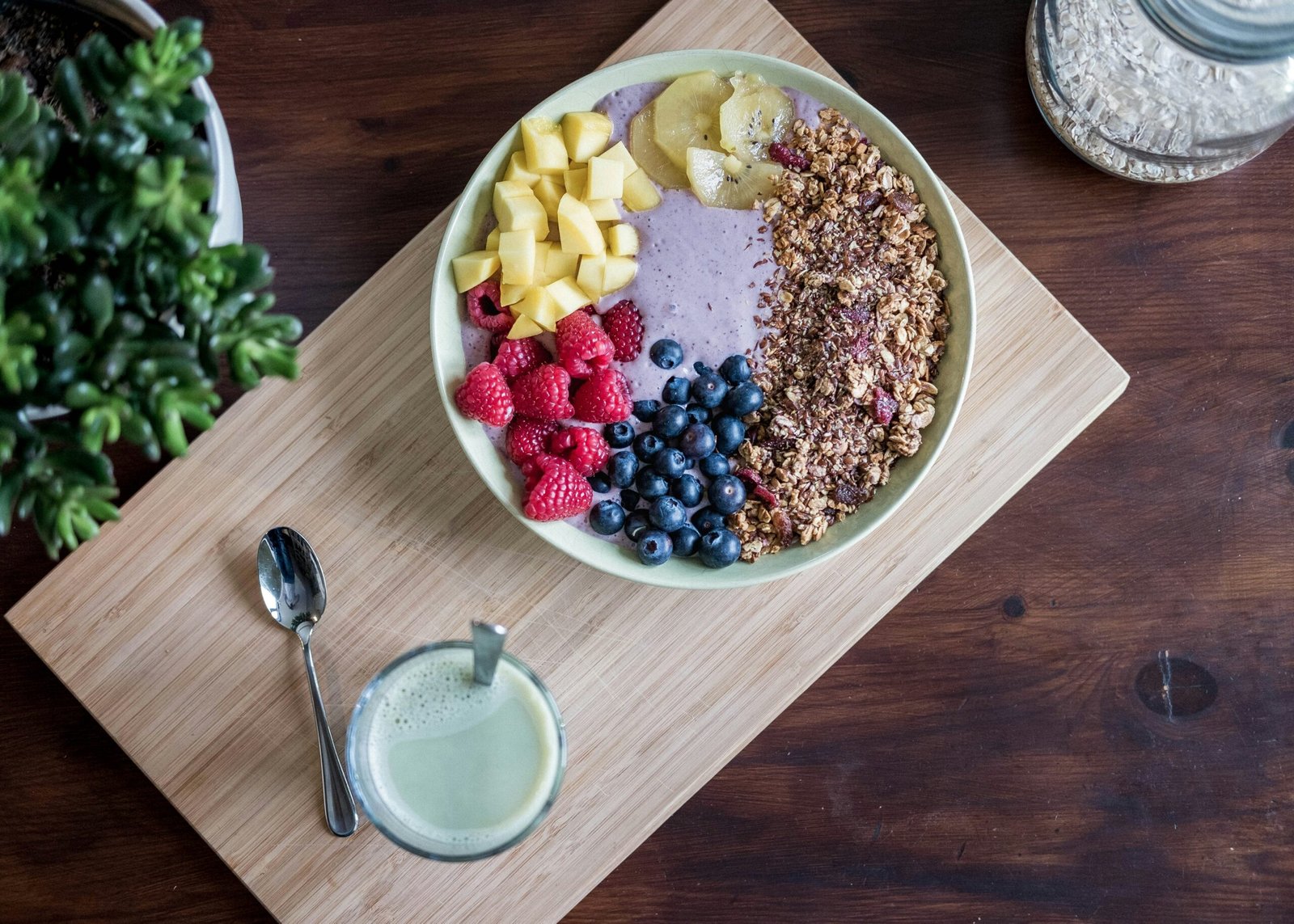
Introduction to Superfoods
Superfoods are nutrient-dense foods that are considered especially beneficial for health and wellness due to their rich concentration of vitamins, minerals, and antioxidants. These foods are often derived from natural, whole sources and are celebrated for their ability to enhance physical well-being, particularly in the context of a fitness journey. Incorporating superfoods into one’s diet can significantly contribute to overall health, provide energy, and support recovery after physical activity.
One of the defining characteristics of superfoods is their exceptional nutritional profile, which often includes high levels of essential nutrients such as fiber, protein, and healthy fats, along with a variety of antioxidants. These nutrients not only help to fuel the body during workouts but also play a crucial role in reducing inflammation and oxidative stress, which can impede progress in fitness regimens. By prioritizing superfoods in a balanced diet, individuals may find it easier to achieve their fitness goals, whether they are seeking weight loss, muscle gain, or improved endurance.
Moreover, superfoods can contribute to optimal performance by ensuring that the body receives the necessary nutrients to function effectively. For instance, foods like kale, quinoa, and blueberries have been linked to improved cardiovascular health, enhanced metabolism, and better recovery times. This underscores the importance of integrating these powerful foods into everyday meals, allowing individuals to harness the benefits they offer in the pursuit of fitness and well-being.
In summary, the inclusion of superfoods in a regular diet presents an opportunity to enhance fitness efforts. Their unique nutritional properties can support a balanced diet while promoting overall health, making them essential for anyone looking to maximize their health and fitness journey.
Understanding the Importance of Nutrition in Fitness
Nutrition plays a vital role in enhancing fitness levels and achieving personal health goals. Proper nutrition provides the essential energy needed for workouts, supports recovery post-exercise, and significantly enhances overall athletic performance. When engaging in physical activity, our bodies rely on nutrients to fuel movements, allowing for optimal exertion and endurance. Without proper nutrition, one’s capacity to perform effectively can be severely impeded.
At the core of effective nutrition are macronutrients and micronutrients. Macronutrients, which include carbohydrates, proteins, and fats, serve as the primary sources of energy. Carbohydrates are crucial for fueling workouts, as they are swiftly broken down into glucose for immediate energy. Proteins, on the other hand, are essential for muscle repair and growth, while fats provide lasting energy for prolonged physical activities. Thus, a balanced intake of these macronutrients is imperative in a fitness regime, aligning with individual activity levels and fitness goals.
Micronutrients, which encompass vitamins and minerals, play an equally critical role in maintaining various bodily functions. They aid in processes such as metabolism, immune function, and muscle contraction. For instance, magnesium and potassium are vital for muscle function and recovery, while vitamins C and E are known for their antioxidant properties, helping to combat the oxidative stress that can arise from intense exercise. Consequently, focusing on a diverse diet rich in both macronutrients and micronutrients can significantly impact strength, endurance, and recovery times.
Incorporating the right foods into one’s diet ensures not only improved performance during workouts but also enhances recovery, leading to sustained progress in a fitness journey. A well-balanced nutrition plan tailored to an individual’s specific needs and goals is crucial to making strides in fitness achievements.
Quinoa: The Protein Powerhouse
Quinoa, often touted as a superfood, stands out for its exceptional nutritional profile. As a complete protein source, it contains all nine essential amino acids required for human health, making it an ideal food choice for fitness enthusiasts seeking to optimize muscle recovery and overall performance. This ancient grain is particularly beneficial for those who follow a plant-based diet, as it provides a rare combination of high protein content and a rich array of vitamins and minerals.
The benefits of quinoa extend beyond its protein content. It is also a source of complex carbohydrates, which provide sustained energy necessary for intense workouts. Additionally, quinoa is high in fiber, promoting digestive health and contributing to feelings of fullness. This can aid athletes and fitness lovers in maintaining a healthy weight by curbing unnecessary snacking between meals. Furthermore, the incorporation of quinoa into one’s diet has been linked with reduced inflammation and [improved heart health](https://www.example.com), enhancing overall fitness and well-being.
Preparation of quinoa is quite simple, allowing for its seamless integration into various meals. To cook quinoa, rinse one cup of it under cold water to remove any bitterness, then combine it with two cups of water or broth in a pot. Bring to a simmer, cover, and cook for 15 minutes or until all the liquid is absorbed. The result is a fluffy and nutritious grain that can be enjoyed in salads, bowls, or as a side dish.
For fitness enthusiasts looking for practical recipes, consider a quinoa salad featuring diced vegetables and a lemon vinaigrette or a hearty quinoa bowl topped with roasted vegetables and protein sources like grilled chicken or chickpeas. The versatility of quinoa makes it an easy staple to incorporate into one’s diet, supporting both taste and nutritional goals while amplifying your fitness journey.
Kale: A Nutrient-Dense Leafy Green
Kale has emerged as a prominent superfood in recent years, lauded for its exceptional nutrient density and numerous health benefits. This leafy green is particularly rich in vitamins A, C, and K, making it an ideal addition to any diet aimed at enhancing overall wellness.
Vitamin A, found in kale in the form of beta-carotene, is essential for maintaining healthy vision and supporting immune function. Additionally, it plays a crucial role in cell growth and division, promoting optimal bodily function. Vitamin C, another powerhouse found abundantly in kale, is vital for collagen production, which aids in skin health, wound healing, and the maintenance of cartilage and bones. Moreover, vitamin C is known for its antioxidant properties, combating oxidative stress and reducing the risk of chronic diseases.
Vitamin K, which is present in substantial amounts in kale, is integral for proper blood clotting and bone health. This vitamin acts as a co-factor for various proteins that mediate these processes, thereby reducing the likelihood of cardiovascular issues and enhancing bone density. The antioxidant properties of kale, attributed to its high content of flavonoids and carotenoids, further contribute to cardiovascular protection, helping to lower cholesterol levels and reduce inflammation.
Incorporating kale into your meals is both simple and versatile. You can add it to smoothies for a nutrient boost, use it as a base for salads, or incorporate it into soups and stews. Additionally, sautéing or steaming kale can enhance its flavor while retaining its impressive nutritional profile. By including this leafy green in your daily diet, you can reap the numerous benefits it offers and bolster your commitment to a healthier lifestyle.
Blueberries: Antioxidant-Rich Berries
Blueberries are often hailed as a superfood, renowned for their multitude of health benefits, particularly due to their rich antioxidant content. These small yet powerful berries contain an array of antioxidants, most prominently anthocyanins, which are responsible for their vibrant color. Antioxidants play a crucial role in combating oxidative stress and free radical damage that can occur during intense physical activities.
One of the key benefits of incorporating blueberries into a fitness regimen is their ability to reduce muscle damage and inflammation following exercise. Studies have shown that consuming blueberries can help mitigate post-exercise soreness and accelerate recovery. This is particularly beneficial for athletes or individuals engaged in regular physical activities, as it allows for more effective training and a quicker return to optimal performance levels.
In addition to their recovery-enhancing properties, blueberries are versatile and can be easily integrated into various meals and snacks. One popular way to enjoy these berries is by adding them to smoothies. A delicious blueberry smoothie can be made by blending fresh or frozen blueberries with yogurt, a banana, and a handful of spinach for a nutrient-dense option. Alternatively, they can be incorporated into oatmeal or yogurt parfaits, providing a burst of flavor along with essential vitamins and minerals.
For a quick and convenient snack, consider preparing a blueberry energy ball by mixing oats, nut butter, honey, and blueberries, then rolling them into small bites. This recipe not only offers energy-boosting benefits but also makes for a delightful treat post-workout. By including blueberries in your diet, you can harness their antioxidant properties to support your fitness journey while enjoying their taste and convenience.
Sweet Potatoes: The Complex Carb Hero
Sweet potatoes are often hailed as one of the leading superfoods, particularly for those looking to enhance their fitness journey. As a rich source of complex carbohydrates, sweet potatoes provide sustained energy, making them an essential part of a balanced diet for physically active individuals. Unlike simple carbohydrates, which can quickly spike blood sugar levels, the complex carbs found in sweet potatoes break down more slowly, offering a gradual release of energy. This characteristic makes them an ideal food choice before workouts, allowing athletes to maintain their endurance over longer periods.
One of the significant advantages of sweet potatoes is their high nutritional value. They are abundant in vitamins A and C, both of which play crucial roles in immune support and skin health. Furthermore, they are also a good source of potassium, which can help regulate fluid balance and is vital for muscle function. The fiber content in sweet potatoes contributes to digestive health, ensuring that athletes can maintain optimal energy levels without feeling weighed down or suffering from gastrointestinal discomfort.
Preparing sweet potatoes can be both simple and versatile. They can be boiled, baked, or steamed, allowing for various culinary applications. One popular method is to bake them, enhancing their natural sweetness while retaining their nutrient profile. Cooking them with spices like cinnamon or cayenne pepper can also elevate their flavor without adding excess calories. Serving sweet potatoes as a side dish with lean proteins or incorporating them into salads can provide a well-rounded meal that fuels the body effectively. For those seeking to boost their workout performance, integrating sweet potatoes into their diet will ensure a consistent source of energy and essential nutrients.
5. Greek Yogurt: A Probiotic Protein Source
Greek yogurt has gained significant popularity as a superfood, particularly among fitness enthusiasts, due to its impressive nutritional profile. It stands out as a high-protein dairy option, providing approximately twice the protein content compared to regular yogurt. This makes it an excellent choice for those looking to increase their protein intake to support muscle recovery and growth. The protein in Greek yogurt is predominantly casein, which is slowly digested, ensuring a steady release of amino acids into the bloodstream. This slow digestion is particularly beneficial post-workout.
In addition to its protein content, Greek yogurt is a rich source of probiotics, which are live bacteria that offer numerous health benefits. Probiotics contribute to improved gut health, digestion, and immune function. A healthy gut microbiome is essential not only for general well-being but also for optimizing fitness performance and recovery. Incorporating probiotic-rich foods like Greek yogurt into the daily diet may enhance nutrient absorption and bolster overall health, which is vital for anyone on a fitness journey.
Incorporating Greek yogurt into meals and snacks is simple and versatile. It can be enjoyed in various ways, such as making smoothies, parfaits, or simply topping it with fruits and nuts. For a savory option, Greek yogurt can be used as a base for dressings or dips, adding both flavor and nutritional value. Furthermore, substituting mayonnaise or sour cream with Greek yogurt in recipes can provide a protein boost without sacrificing taste. With its combination of high protein content and probiotic benefits, Greek yogurt is undoubtedly a valuable addition to any diet aimed at enhancing fitness performance and overall health.
6. Spinach: A Supercharged Green
Spinach, a leafy green vegetable belonging to the Amaranthaceae family, is widely recognized as a superfood that offers a plethora of health benefits, particularly for fitness enthusiasts. One of the most significant advantages of spinach is its impressive iron content. Iron is essential for transporting oxygen in the blood, which is crucial for muscle function and maintaining energy levels during rigorous physical activity. The incorporation of spinach into a balanced diet can help combat fatigue and enhance overall athletic performance.
Moreover, spinach is packed with vital nutrients, including vitamins A, C, and K, as well as numerous antioxidants. The high antioxidant content helps in reducing oxidative stress and inflammation, promoting recovery after intense workouts. Additionally, spinach is low in calories, making it an ideal food for those looking to maintain or lose weight while still getting essential nutrients. Its rich fiber content also aids in digestion and helps to keep one feeling fuller for extended periods, which is particularly beneficial for individuals aiming to control their appetite.
Integrating spinach into your meals is quite versatile and can easily be done in various ways. Adding fresh spinach leaves to smoothies is a popular method; its mild flavor blends seamlessly with fruits, yielding a nutrient-dense beverage. Alternatively, sautéing spinach with garlic and olive oil creates a quick and delicious side dish. Spinach can also be incorporated into salads, omelets, or pasta dishes, enhancing their nutritional value without altering the overall flavor. Whether consumed raw or cooked, spinach can be a vibrant addition to your fitness-focused diet, helping to maximize your performance and recovery.
Chia Seeds: Tiny but Mighty
Chia seeds, small in size but packed with a multitude of health benefits, have gained significant attention in the world of nutrition. Rich in omega-3 fatty acids, these tiny seeds play an essential role in promoting heart health and reducing inflammation. Omega-3 fatty acids are known to improve cardiovascular function by lowering blood pressure, reducing triglycerides, and enhancing overall arterial health. Incorporating chia seeds into your diet can thus contribute positively to your fitness journey, supporting both physical performance and recovery.
Additionally, chia seeds are an exceptional source of dietary fiber. Just one ounce (approximately two tablespoons) of chia seeds contains around 10 grams of fiber, which is roughly one-third of the recommended daily intake. This high fiber content aids in digestion and helps maintain a healthy gut, promoting regularity and preventing constipation. Furthermore, fiber increases satiety, meaning that chia seeds can help control hunger levels and prevent overeating, making them an ideal addition to any fitness regimen.
In terms of versatility, chia seeds are incredibly easy to incorporate into your meals. They can be added to smoothies, oatmeal, or yogurt for a nutritious boost. A popular way to enjoy chia seeds is by creating chia pudding. Simply combine chia seeds with milk or a plant-based alternative and let the mixture sit for a few hours or overnight. This creates a creamy and satisfying dish that can be customized with fruits, nuts, or sweeteners of your choice. Additionally, chia seeds can act as a thickening agent in soups and sauces, enhancing texture and nutrition without altering flavor.
Overall, the inclusion of chia seeds in your diet is a simple yet effective strategy to enhance your overall health and support your fitness goals. Their impressive omega-3 fatty acid content, coupled with high fiber levels, makes them a superfood worthy of consideration for anyone looking to improve their wellness.
8. Salmon: The Omega-3 Fatty Acid Source
Salmon is widely recognized as one of the most nutritious foods available, touted for its rich content of protein and essential omega-3 fatty acids. These fatty acids—specifically EPA and DHA—play a significant role in enhancing recovery and reducing inflammation in the body, making salmon an ideal choice for individuals engaged in regular physical activity. Integrating salmon into your diet can help support your fitness journey by promoting muscle repair and overall joint health.
In terms of protein, salmon is a powerhouse, providing about 25 grams of high-quality protein per 100 grams. This protein is not only essential for muscle growth and repair but also contributes to satiety, helping to manage hunger levels during a fitness routine. Furthermore, the omega-3 fatty acids found in salmon can lower levels of inflammatory markers in the body, facilitating a more efficient recovery process after workouts.
When it comes to cooking salmon, the possibilities are virtually endless. Grilling, baking, or pan-searing are all popular methods that preserve the delicate flavor and texture of this fish while also retaining its nutritional integrity. To make meal planning easier, consider prepping large batches of salmon at the beginning of the week, allowing you to incorporate it into various dishes easily. Flake it over a fresh salad, include it in a grain bowl, or serve it alongside seasonal vegetables for a balanced meal.
For those who may not enjoy the taste of fish, omega-3 fatty acids can also be obtained from other sources such as flaxseeds, chia seeds, and walnuts. However, the bioavailability of omega-3s from salmon is unparalleled, making it a superior choice for optimizing your overall health and fitness. Incorporating salmon into your diet not only supports your fitness goals but also provides myriad health benefits, reinforcing its status as a top superfood.
Almonds: Nutrient-Dense Nuts
Almonds are often regarded as one of the most nutritious superfoods available, particularly for individuals looking to enhance their fitness journey. These nutrient-dense nuts are packed with healthy fats, protein, and dietary fiber, making them a valuable addition to any balanced diet. Specifically, almonds are rich in monounsaturated fats, which have been linked to improved heart health and can help maintain a feeling of fullness, leading to better appetite control.
For those engaged in regular physical activity, incorporating almonds into your snack routine can contribute significantly to energy levels and overall performance. A modest serving of almonds—approximately one ounce—delivers around 6 grams of protein, which is essential for muscle repair and recovery post-workout. The protein content, combined with the natural fat and fiber, supports sustained energy release, preventing the rapid blood sugar fluctuations that can lead to fatigue and decreased stamina during exercise.
Furthermore, almonds are an excellent source of various vitamins and minerals, including vitamin E, magnesium, and calcium. Vitamin E acts as a potent antioxidant that protects the cells from oxidative stress, while magnesium is crucial for energy production and muscle function. Including almonds in pre- or post-workout snacks can aid muscle recovery and overall fitness progression.
In terms of snack ideas, almonds can be enjoyed in various ways. They can be eaten raw, roasted, or even blended into smoothies for added creaminess and nutrition. Consider pairing them with fruits such as apples or bananas for a wholesome treat, or incorporate them into yogurt with honey for a nutritious snack. These versatile nuts not only enhance the flavor of dishes but also bolster health benefits, making them an ideal option for anyone looking to optimize their fitness journey through dietary choices.
Conclusion and Tips for Incorporating Superfoods into Your Diet
Incorporating superfoods into your diet can significantly enhance your fitness journey and overall health. These nutrient-rich foods are not only packed with essential vitamins and minerals, but they also offer numerous health benefits that support physical performance and recovery. By integrating these superfoods into your meals, you can boost your energy levels, improve your metabolism, and promote a balanced diet that contributes to your wellness goals.
To effectively include superfoods in your daily meals, consider planning your meals ahead of time. This approach allows you to incorporate a variety of superfoods seamlessly into your diet. For breakfast, you might add chia seeds or spinach to a smoothie, while lunchtime could feature quinoa or kale in a salad. Dinner can be enriched with a side of roasted sweet potatoes or a dish containing lentils. Utilizing superfoods in various meals not only ensures a diverse nutrient intake but also keeps your diet interesting and satisfying.
Meal preparation is another practical step in facilitating the daily inclusion of superfoods. Cooking larger batches of superfood-rich meals, such as soups or grain bowls, can help save time and reduce the temptation to reach for less healthy options when you’re short on time. Storing prepped ingredients, like chopped vegetables or cooked grains, can streamline your cooking process and make it easier to whip up nutrient-dense meals on busy days.
The potential impact of superfoods on your overall health should not be underestimated. Regularly consuming these foods can lead to improved athletic performance, enhanced recovery post-exercise, and better immune function. As you embark on this culinary journey, remain mindful of how these nutrient-dense foods make you feel and adjust your diet accordingly for optimal benefits.